Home
Class 12
CHEMISTRY
Which graph shows zero activation energy...

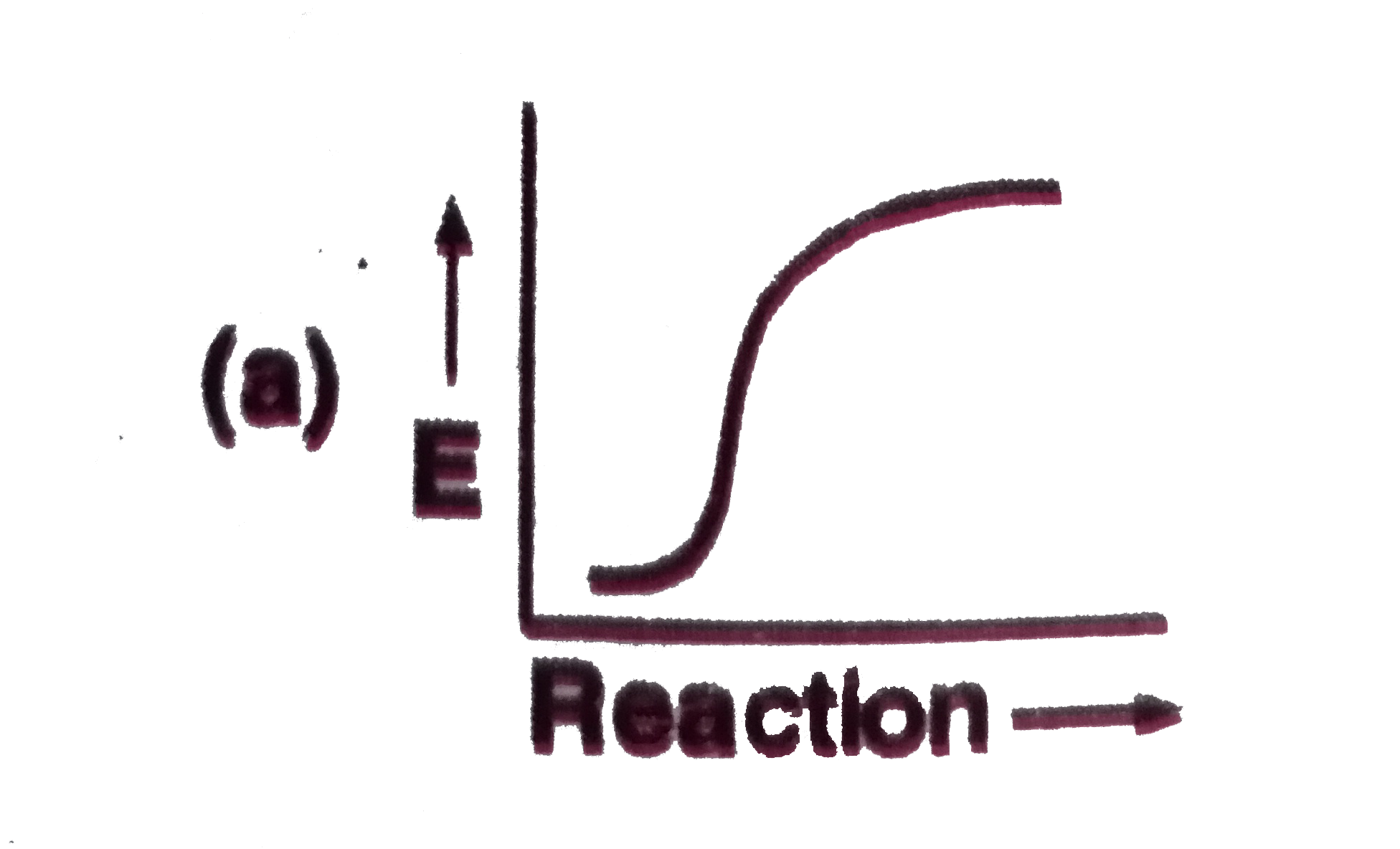
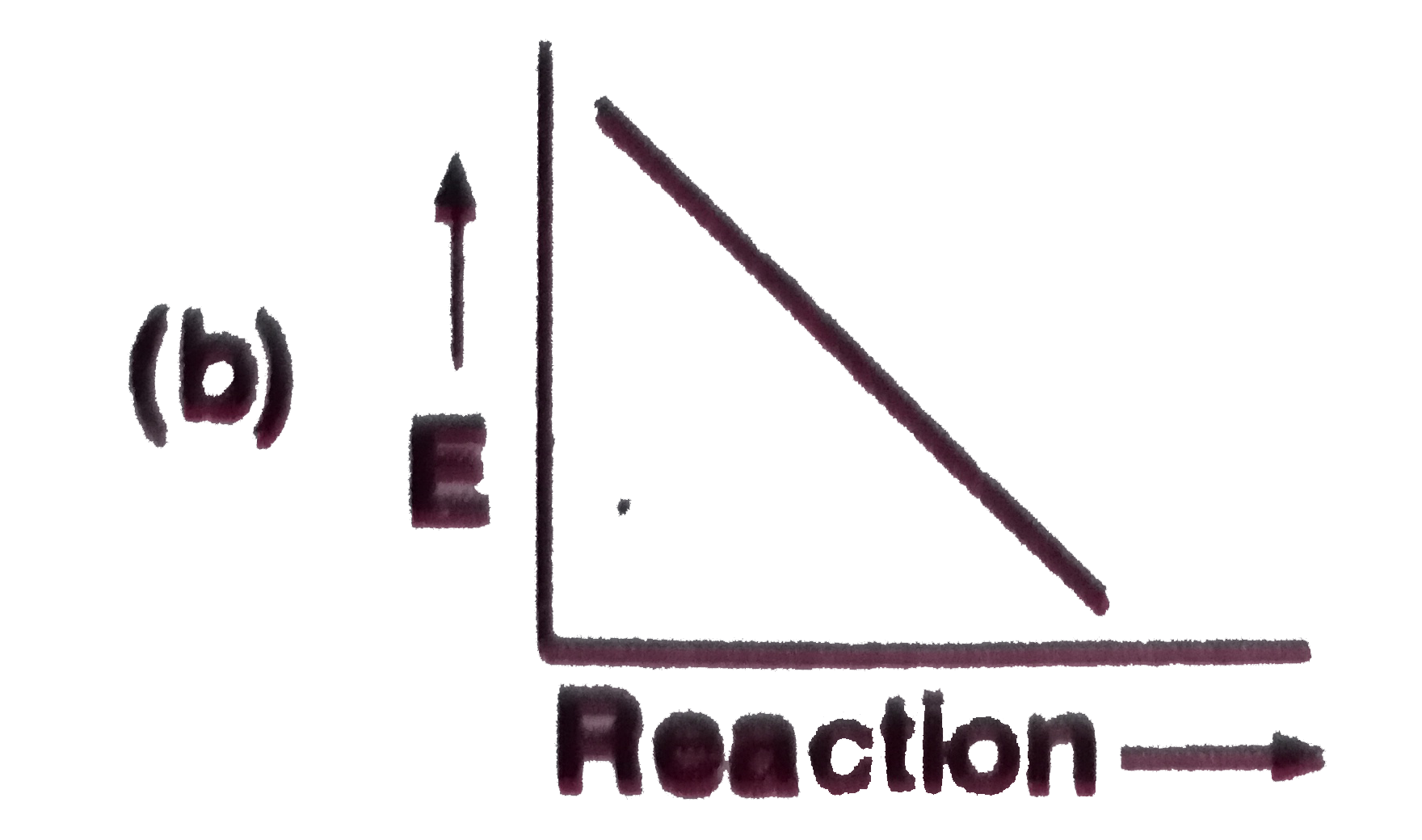
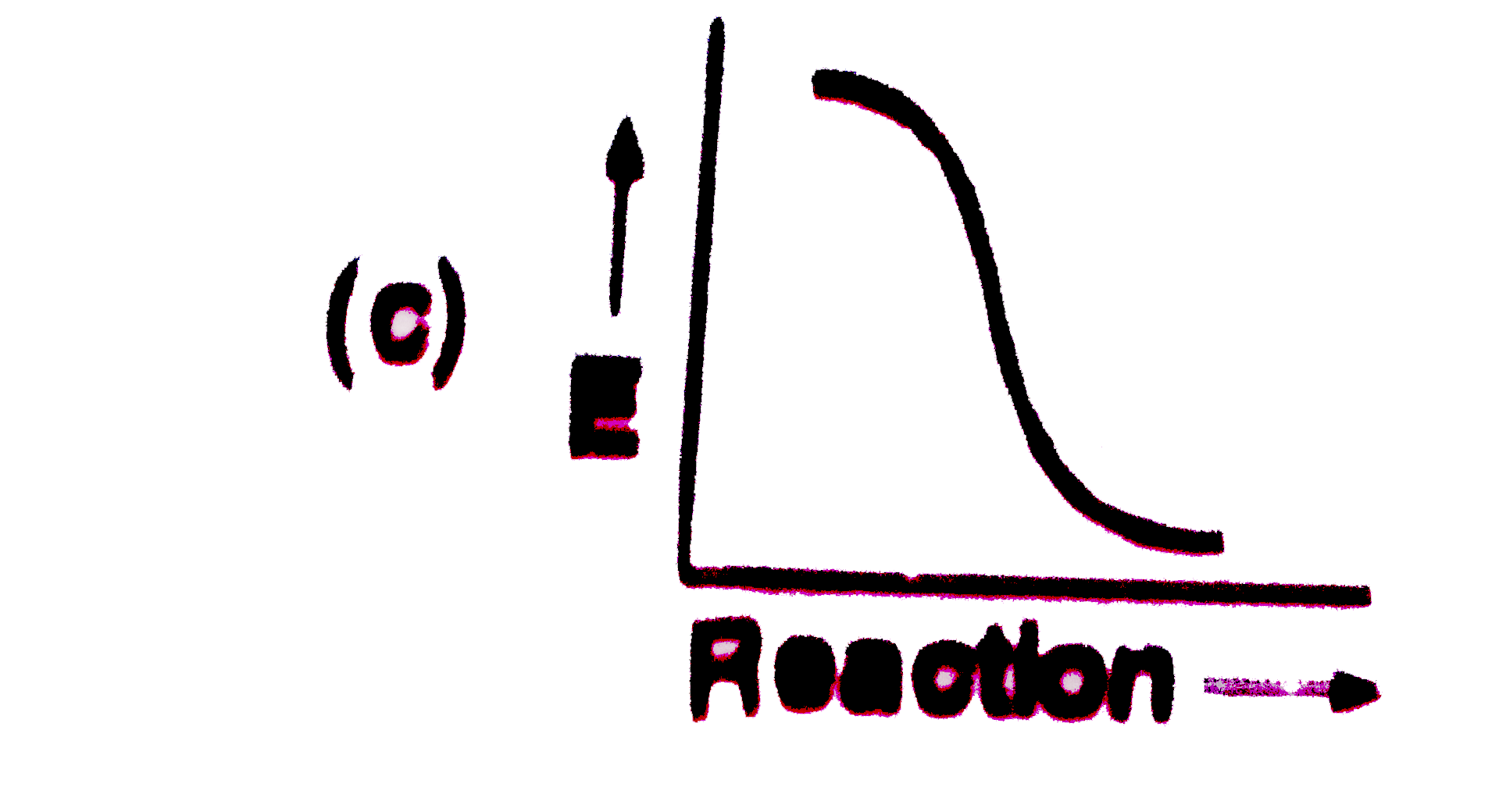
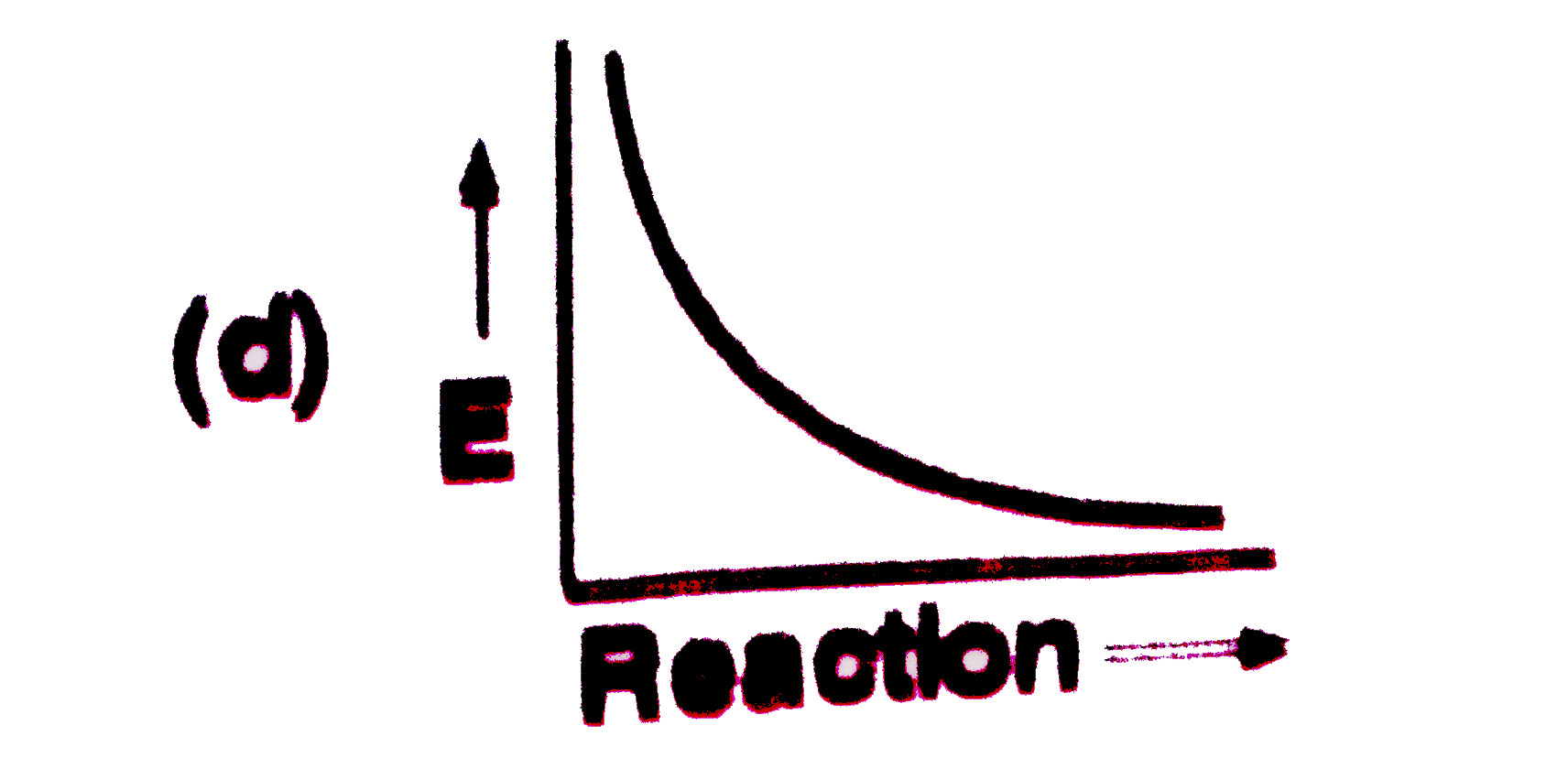
Which graph shows zero activation energy ?

A

B

C

D

Text Solution

AI Generated Solution

The correct Answer is:

To determine which graph shows zero activation energy, we need to understand the concept of activation energy and how it is represented graphically. ### Step-by-Step Solution: 1. **Understand Activation Energy**: Activation energy (Ea) is the minimum energy required for a chemical reaction to occur. It is represented as the energy difference between the reactants and the transition state. 2. **Graph Representation**: In a typical energy versus reaction progress graph: - The x-axis represents the reaction progress. - The y-axis represents the energy of the system. - The reactants are at a certain energy level, and the transition state is at a higher energy level, creating an energy barrier (activation energy). 3. **Identify Characteristics of Zero Activation Energy**: - For a reaction to have zero activation energy, there should be no energy barrier between the reactants and the transition state. - This means that the energy level of the reactants and the transition state must be the same. 4. **Analyze the Given Graph Options**: - **Option 1**: Shows a clear energy difference between reactants and transition state, indicating activation energy. - **Option 2**: Similar to Option 1, shows an energy barrier. - **Option 3**: Shows the reactants and transition state at the same energy level, indicating that the reaction can occur spontaneously without any energy input. This represents zero activation energy. - **Option 4**: Similar to Options 1 and 2, shows an energy barrier. 5. **Conclusion**: Based on the analysis, **Option 3** is the graph that shows zero activation energy because it indicates that the reactants and transition state are at the same energy level, allowing the reaction to proceed spontaneously. ### Final Answer: The graph that shows zero activation energy is **Option 3**.
Promotional Banner

Topper's Solved these Questions

  • CHEMICAL KINETICS

    OP TANDON|Exercise OBJECTIVE QUESTIONS (LEVEL-B) SET I|48 Videos
  • CHEMICAL KINETICS

    OP TANDON|Exercise OBJECTIVE QUESTIONS (LEVEL-B) SET II|13 Videos
  • CHEMICAL KINETICS

    OP TANDON|Exercise PRACTICE PROBLEMS|70 Videos
  • CARBOXYLIC ACIDS AND THEIR DERIVATIVES

    OP TANDON|Exercise Integer|4 Videos
  • Chemical Thermodynamics and Thermochemistry

    OP TANDON|Exercise Self Assessment (Integer type).|3 Videos

Similar Questions

Explore conceptually related problems

Can a reaction have negative or zero activation energy ?

In the given graph the activation energy , E_(a) for the reverse reaction will be

Study the following graph of concept of activation energy given below. Select the correct option for stages labelled A to D.

Which of the following reactions has Zero activation energy?

Can a reaction have zero activation energy ?

Which graph shows how the energy E of a photon of light is related to its wavelengths (lamda) ?

Study the following graph of the concept of activation energy given below. Select the correct option for stages labeled A to D

Using following graph find activation energy (in KJ)

OP TANDON-CHEMICAL KINETICS-OBJECTIVE QUESTIONS (LEVEL-A)
  1. Which of the following graphs is correct for second order reaction ?

    Text Solution

    |

  2. For the reaction A+B rarr C+D The variation of the concentration of th...

    Text Solution

    |

  3. Which graph shows zero activation energy ?

    Text Solution

    |

  4. E("Threshold") can never be:

    Text Solution

    |

  5. A reaction takes place in theee steps: the rate constant are k(1), k(2...

    Text Solution

    |

  6. For hypothetical reaction ArarrB takes placed according to Aoverset(...

    Text Solution

    |

  7. If concentration of reactant is increased by 'm' then k becomes :

    Text Solution

    |

  8. aB+bBrarrP,dxx//dt=k[A]^(a)8[B]^(b). If conc. of A is doubled, rate is...

    Text Solution

    |

  9. A drop of solution (volume 0.05 mL) contains 3 xx 10^(-6) "mole" H^(o+...

    Text Solution

    |

  10. For the reaction, H(2)+I(2)overset(k(1))underset(k(2))hArr2HI. The rat...

    Text Solution

    |

  11. For the reaction NH(4)^(+)+OCN^(-)rarrNH(2)CONH(2), rthe probable mech...

    Text Solution

    |

  12. For a Ist order decomposition of A as given Therefore rate const...

    Text Solution

    |

  13. For a reaction A+3BrarrP, Rate = (-d[A])/(dt) ,the expression for the ...

    Text Solution

    |

  14. Which of the following statements is correct?

    Text Solution

    |

  15. For Xrarrk=10^(10)e^(-500//T), and for WrarrZ,k=10^(12)e^(-1000//T) at...

    Text Solution

    |

  16. For a reversible reaction where the forward reaction is exotherminc, w...

    Text Solution

    |

  17. For the reaction , A+3Brarr2C+d which one of the following is not co...

    Text Solution

    |

  18. Units of rate constant of first and zero order reactions in terms of m...

    Text Solution

    |

  19. Following is the graph between log T(50) and log a (a = initial concen...

    Text Solution

    |

  20. Following is the graph between (a-x)^(-1) and time t for second order ...

    Text Solution

    |
