 .
.


Similar Questions
Explore conceptually related problems
Recommended Questions
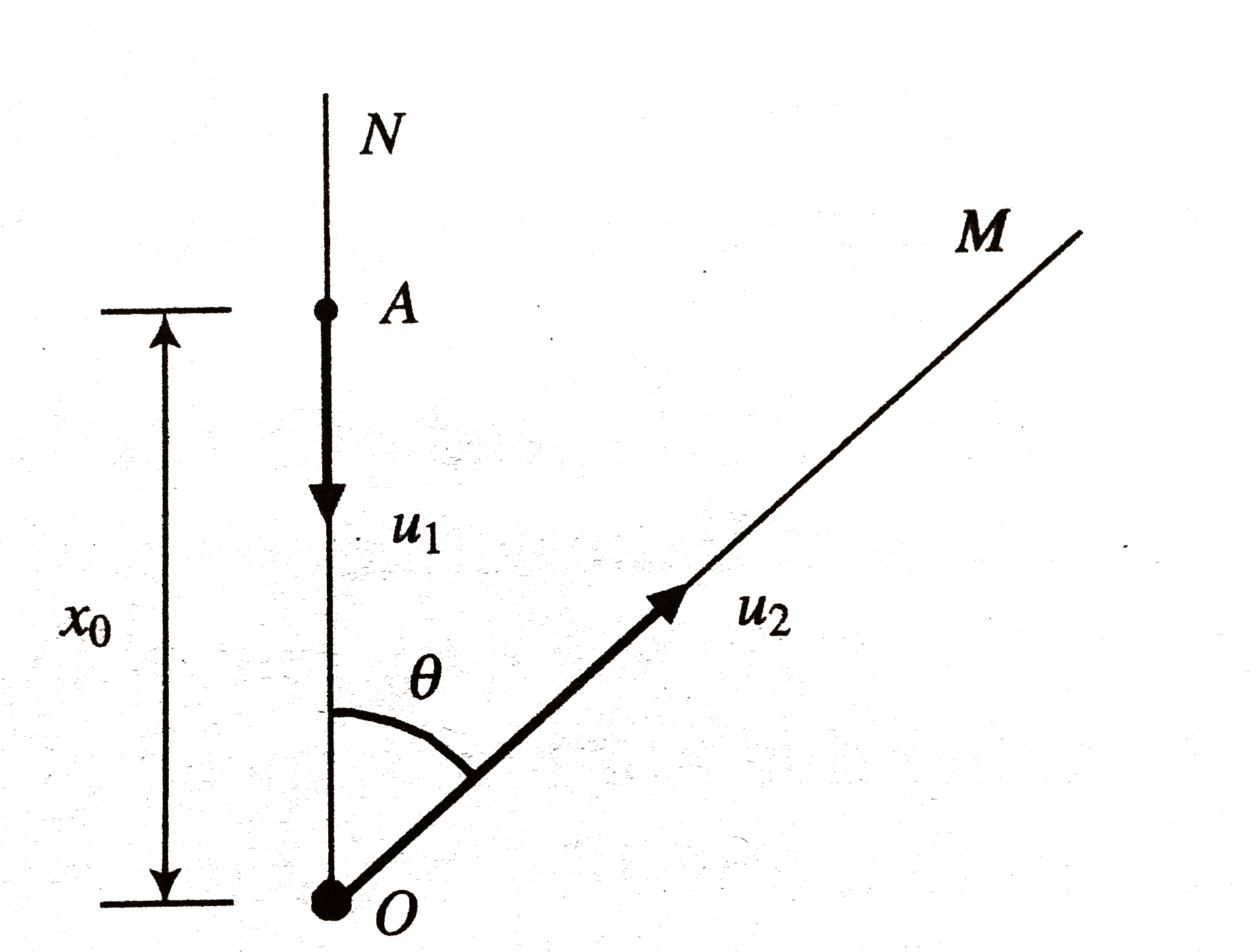
- Two particles start moving simultaneously with constant velocities u1 ...
Text Solution
|
- A particle starts from the origin and moves along a stright line If th...
Text Solution
|
- Two particles start moving simultaneously with constant velocities u1 ...
Text Solution
|
- A particle starts moving along a straight line path with velocity 10m/...
Text Solution
|
- Two particles start moving from the same point along the same straight...
Text Solution
|
- Two particles move with constant velocities towards point O along stra...
Text Solution
|
- Three particles start from the origin at the same time, one with veloc...
Text Solution
|
- A particle starts from the origin and moves along a straight line. If ...
Text Solution
|
- A particle starts from rest and moves along a straight line with unifo...
Text Solution
|