Racemose Inflorescence: Main axis is of unlimited growth and flowers are arranged in acropetal succession. Opening of flowers is centripetal.
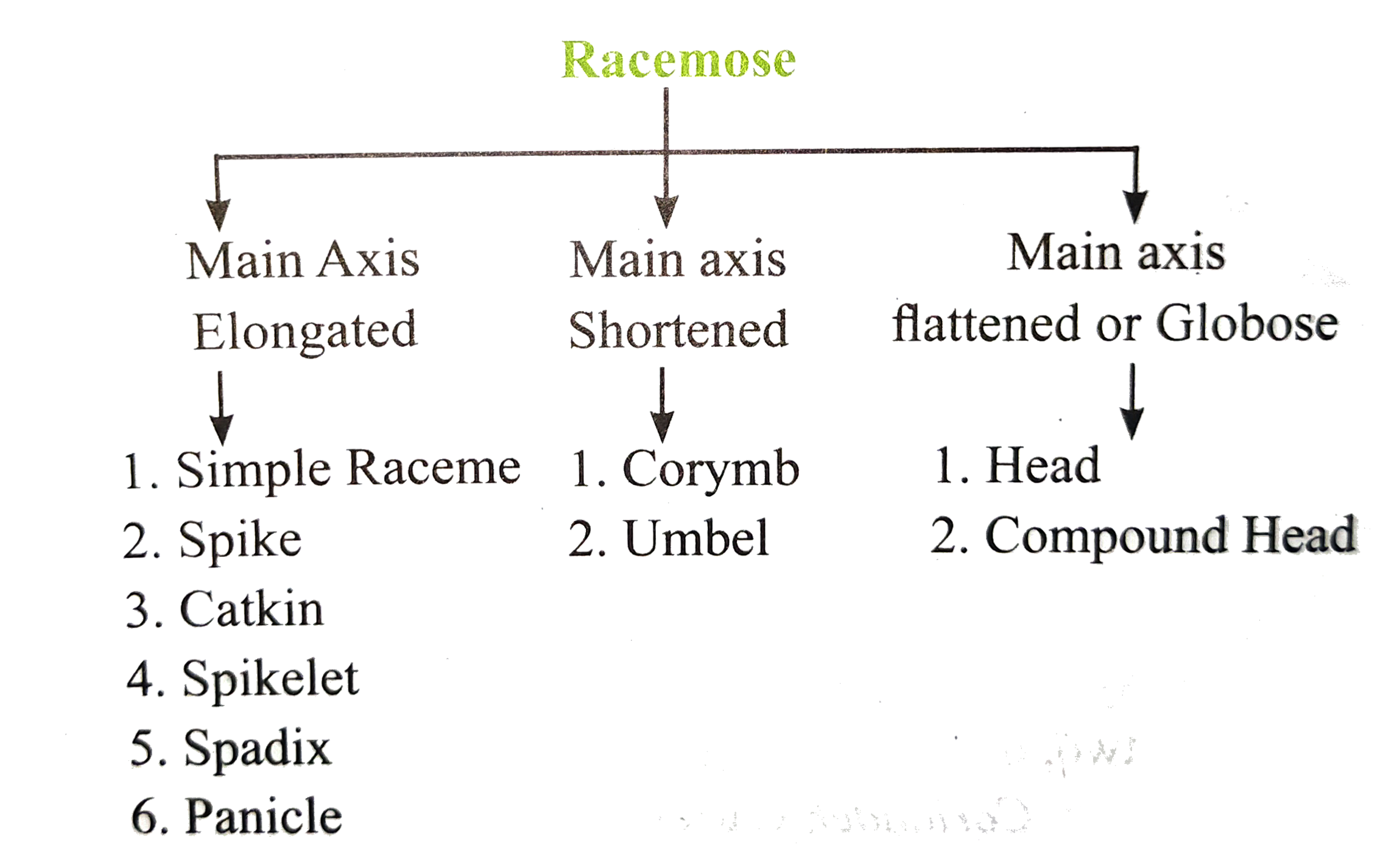
Main Axis Elongated: Axis of inflorescence is elongated and flowers may be pedicellate or sessile.
Types:
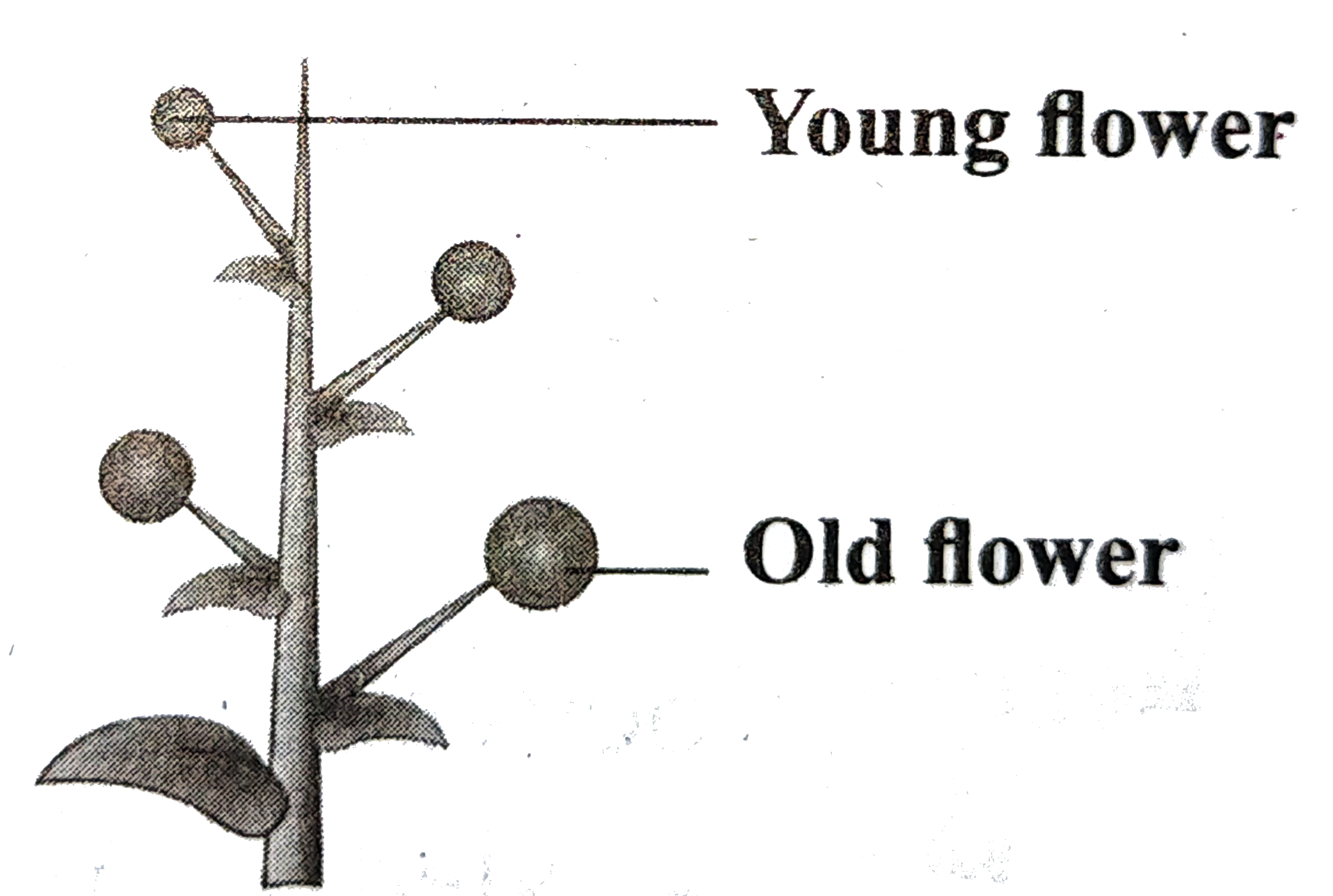
1. Simple Raceme: Unbranched Main axis has pedicellate flowers. Eg: Mustard.
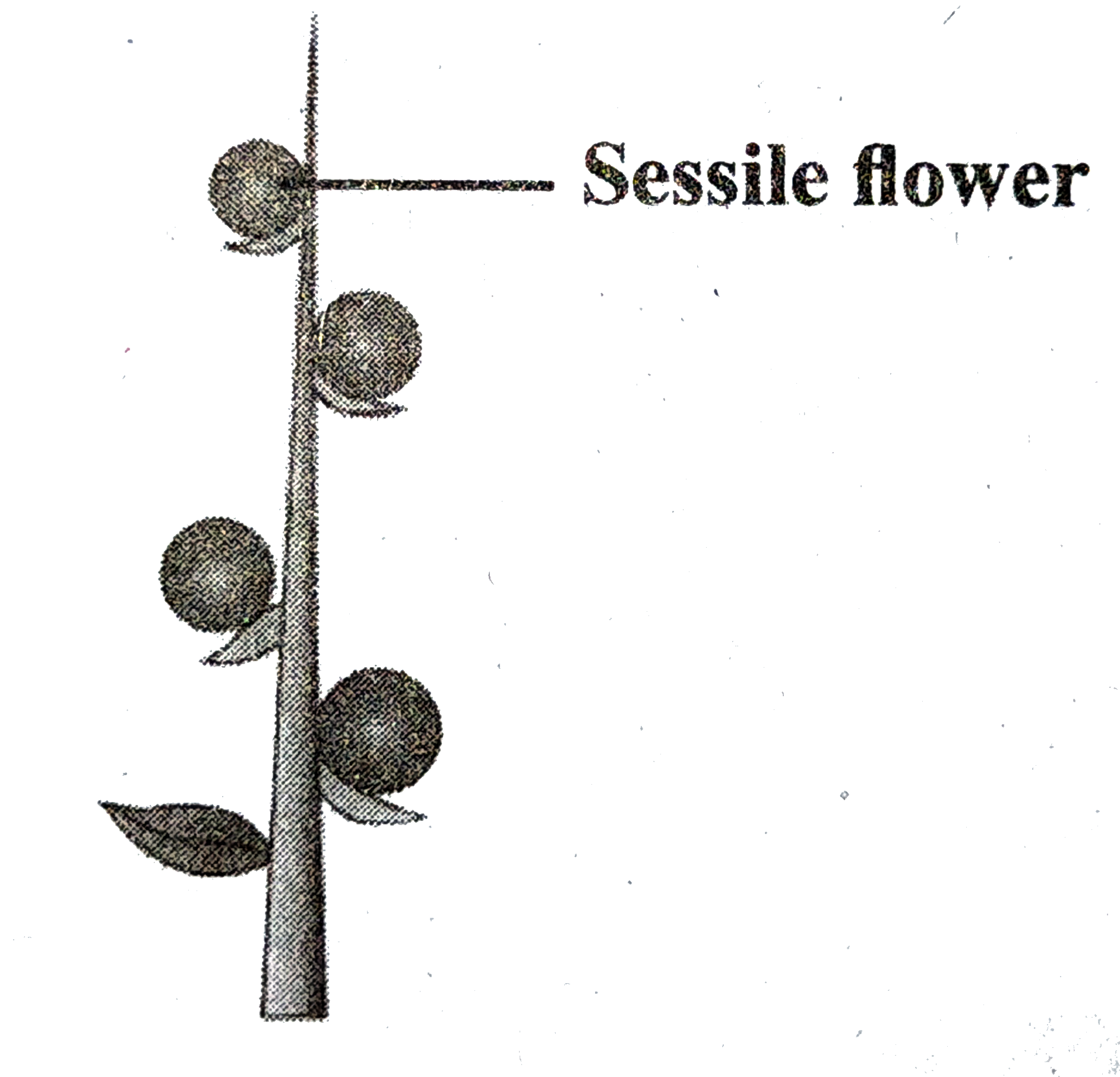
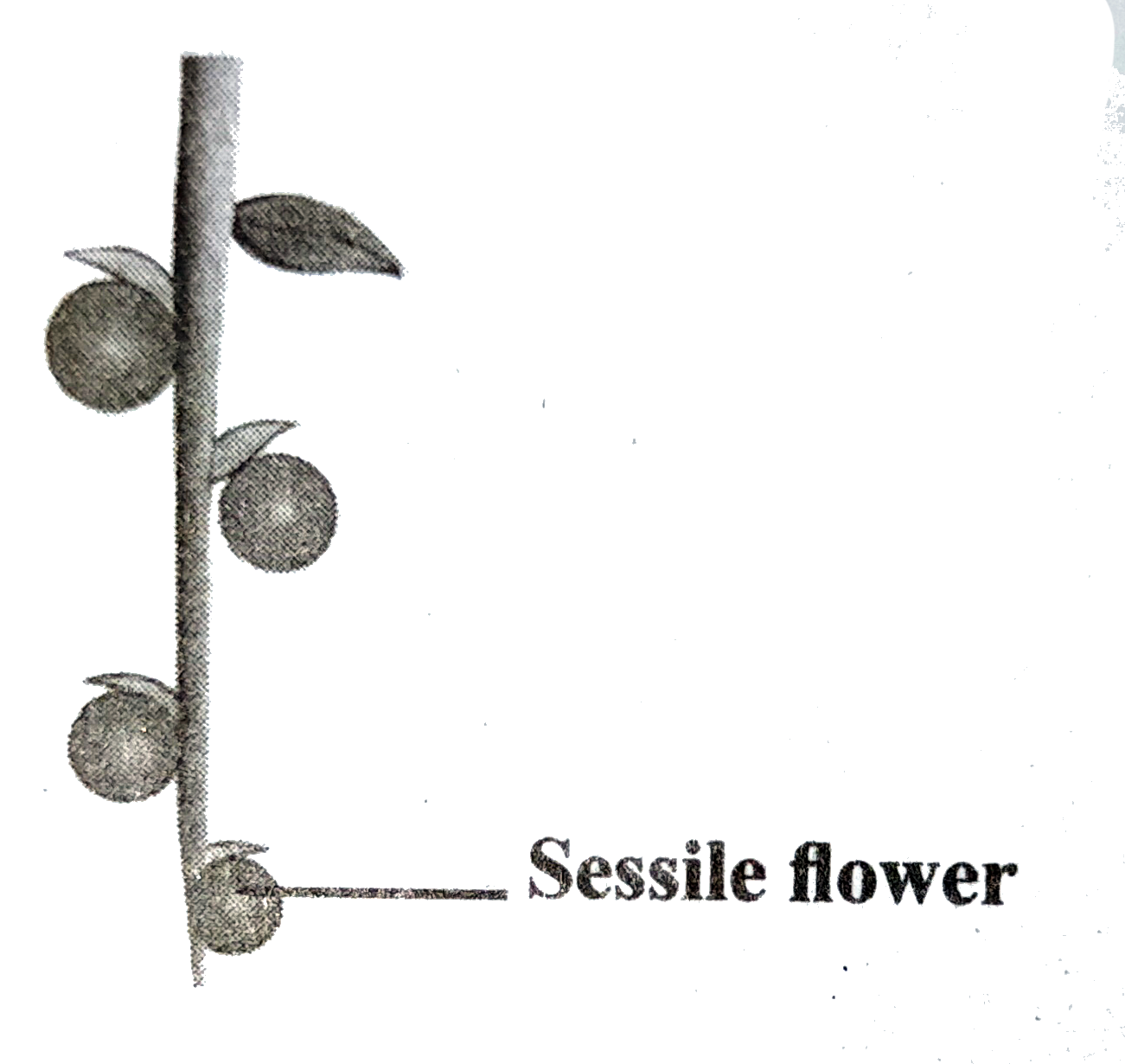
2. Spike: Unbranched Main axis with sessile flowers. Eg: Achyranthes.
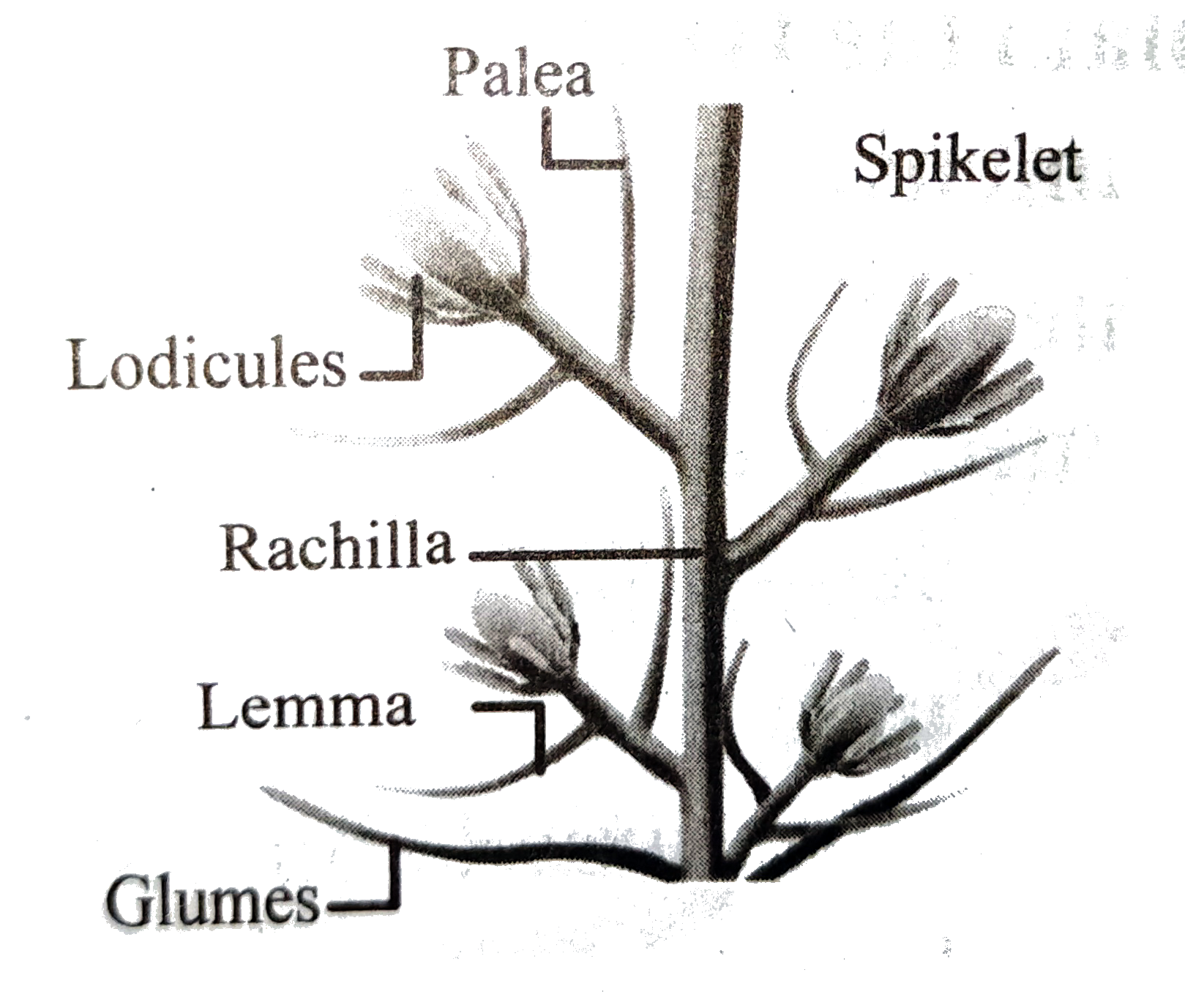
3. Spikelet: Small spike is called spikelet. The inflorescence axis has bracts at base called glumes. Each flower has bract (lemma) and bracteole (palea). Eg: Sorghum.
4. Catkin: Pendulous spikes with long, drooping axis bearing small unisexual or bisexual flowers. Eg: Acalypha hispida.
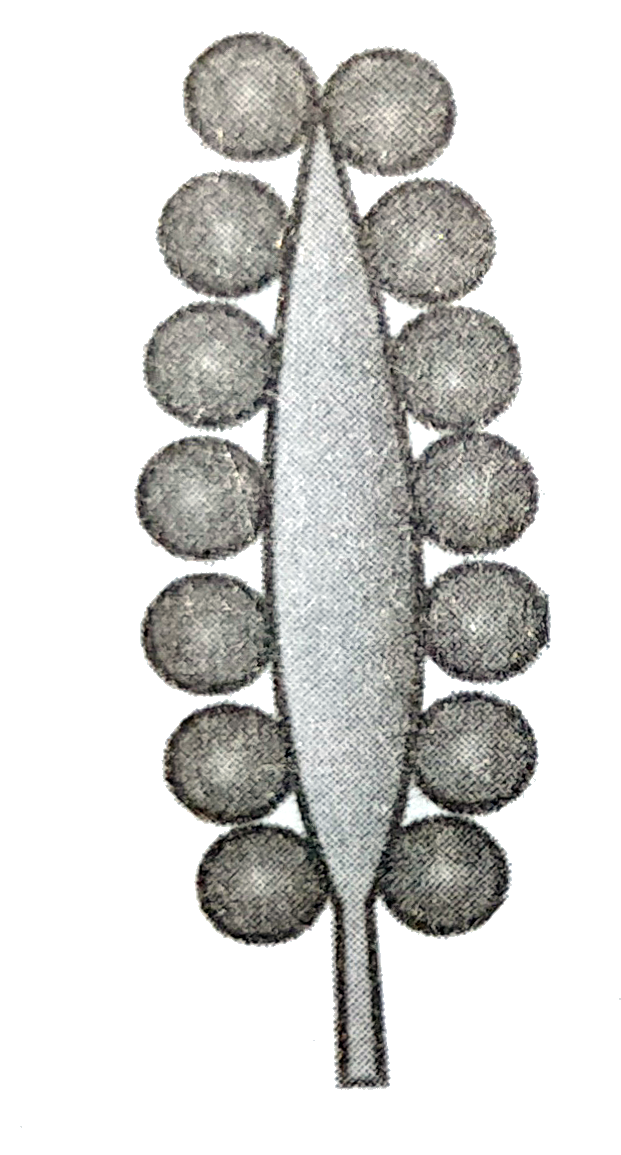
5. Spadix: Fleshy or thickened central axis with many unisexual flowers is acropetal succession. Entire inflorescence is covered by a brightly cloured bract called spathe. Eg: Colocasia.
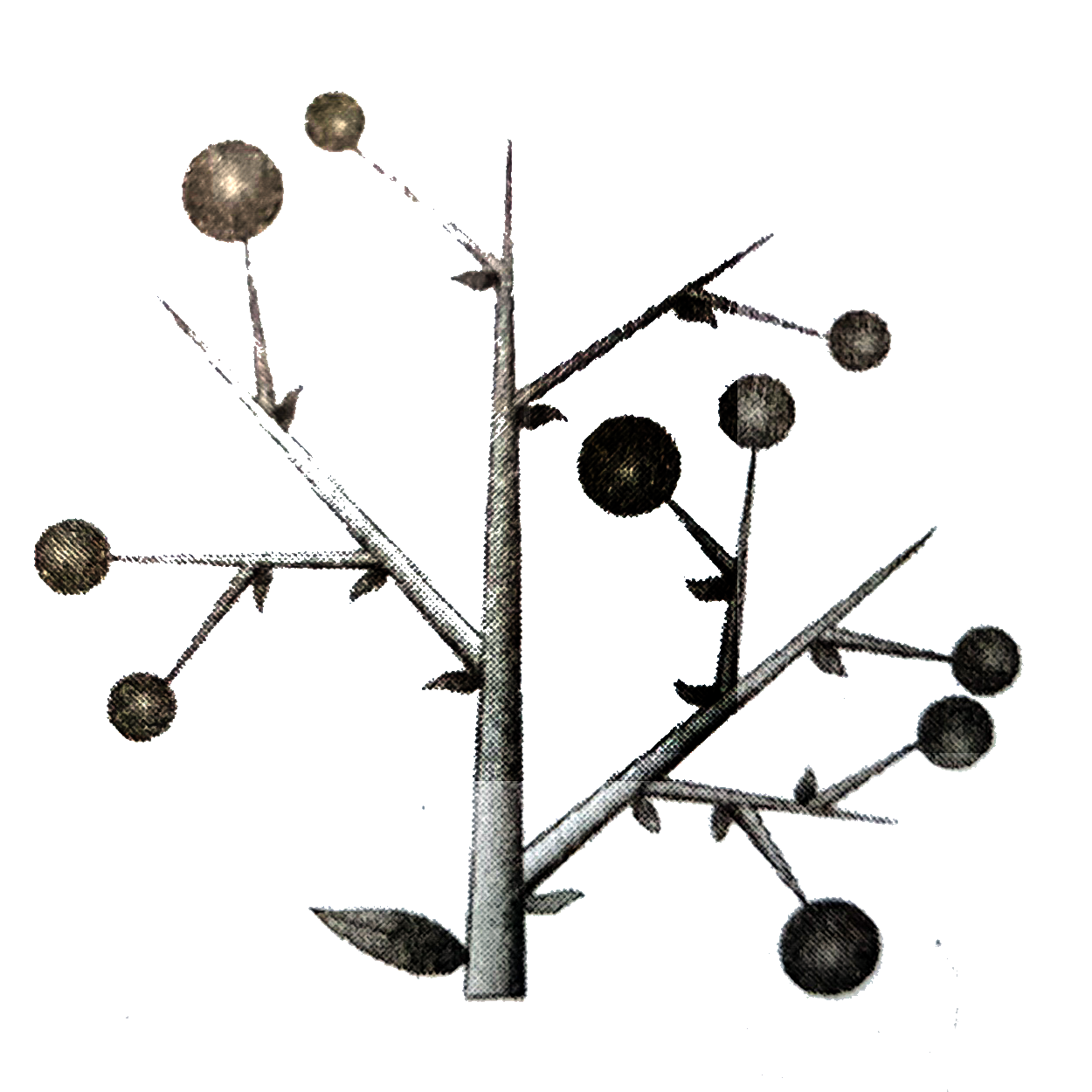
6. Panicle: A branched raceme is called panicle or compound raceme. Eg: Neem.
Main Axis Shortened:
Inflorescence shows reduced growth of central axis.
1. Corymb: Shorter pedicellate flowers at top and longer pedicellate flowers at the bottom of inflorescence. All flowers appear at same level. Eg: Caesalpinia.
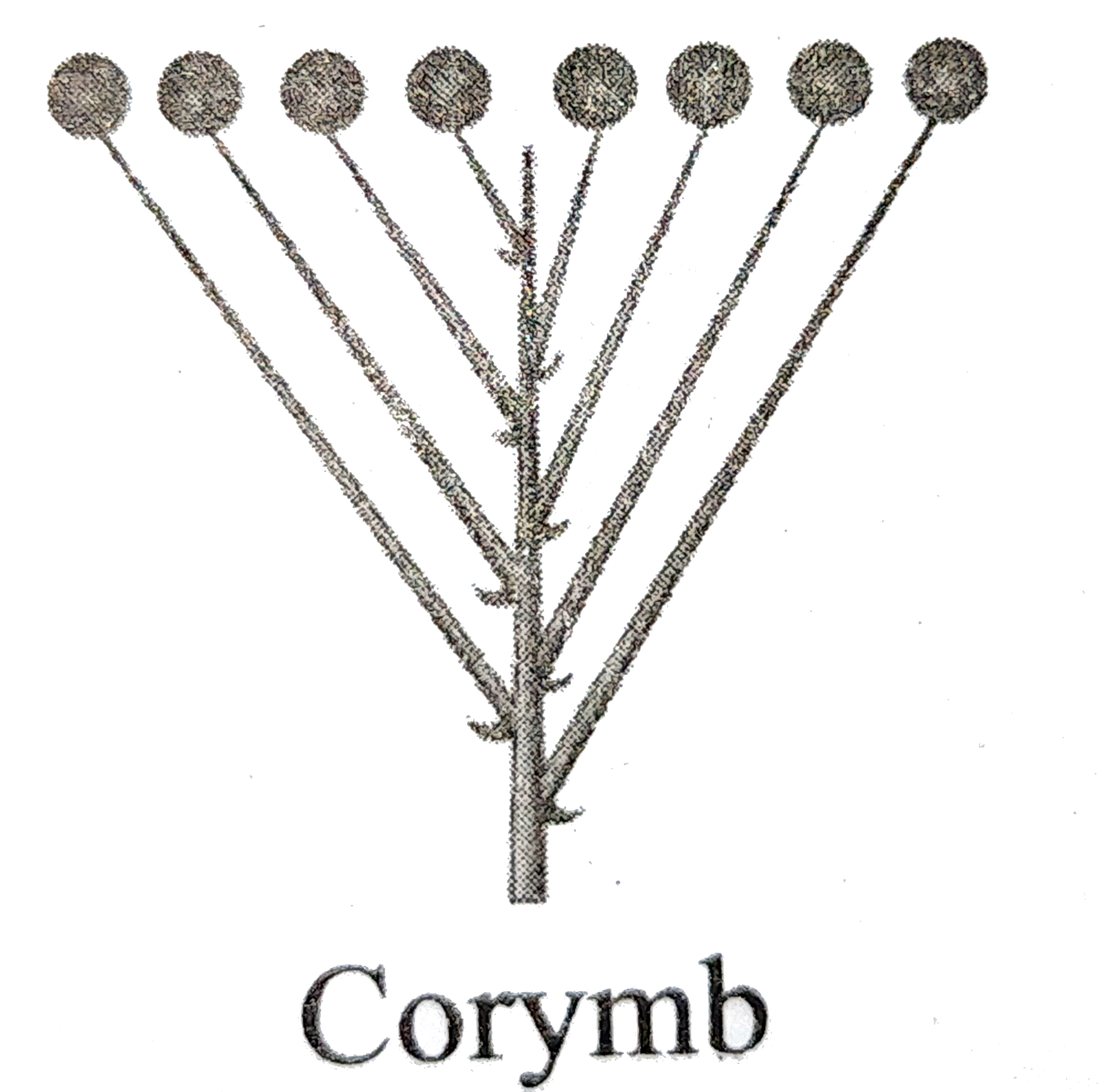
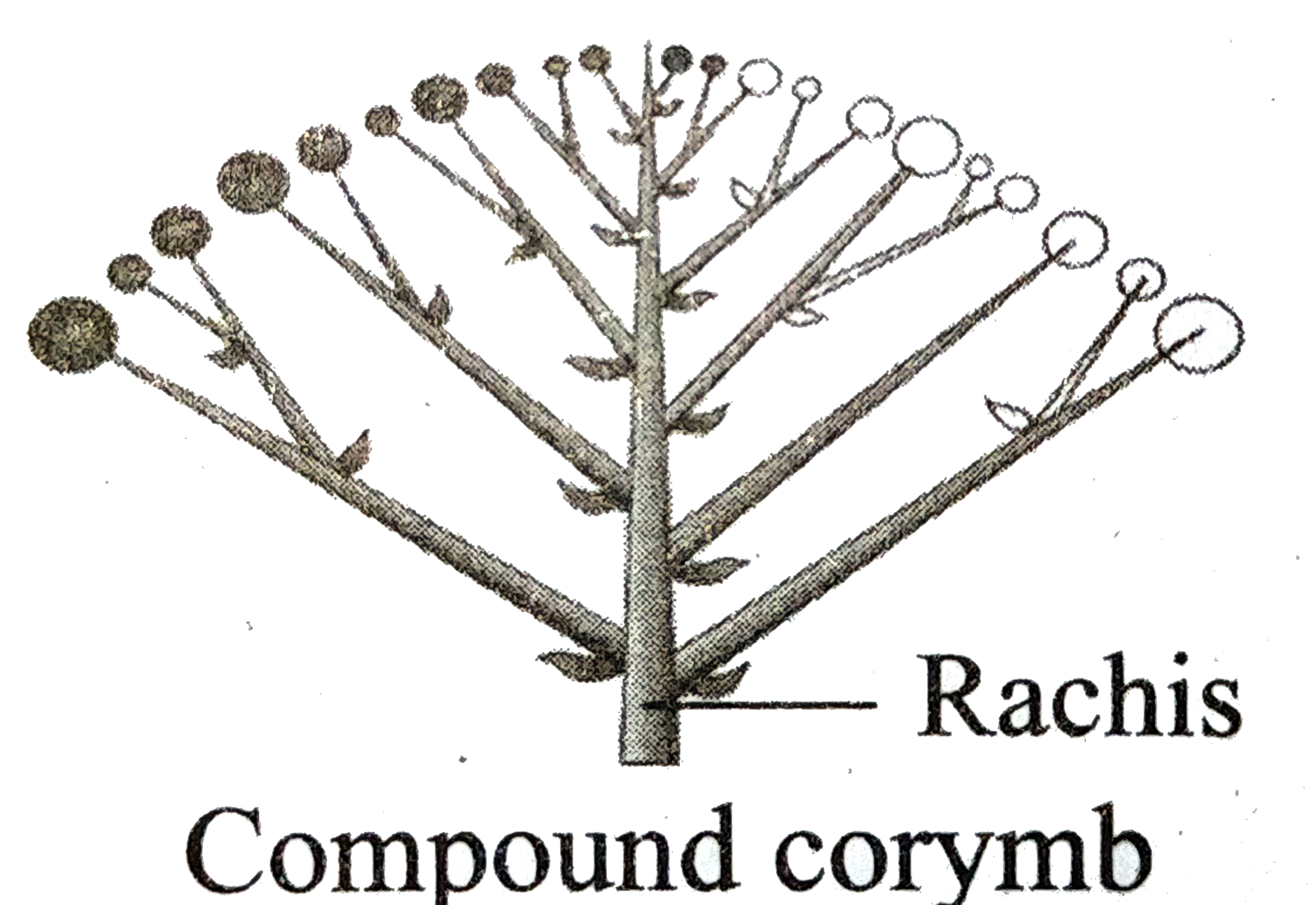
Compound Corymb: A Branched corymb is called compound corymb. Eg: Cauliflower.
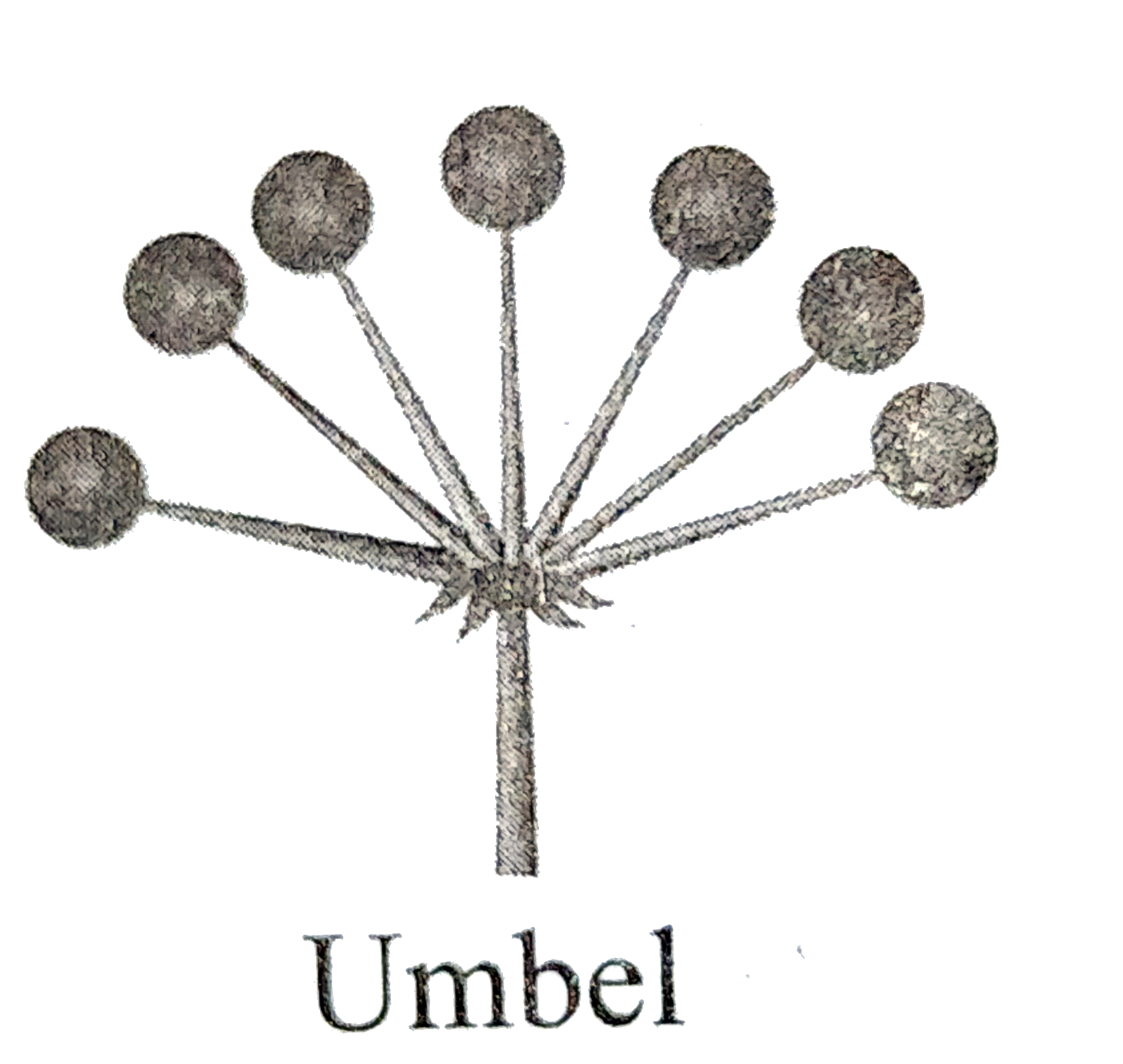
2. Umbel: Pedicellate flowers arise from tip of inflorescence axis from a common point. Eg: Allium cepa.
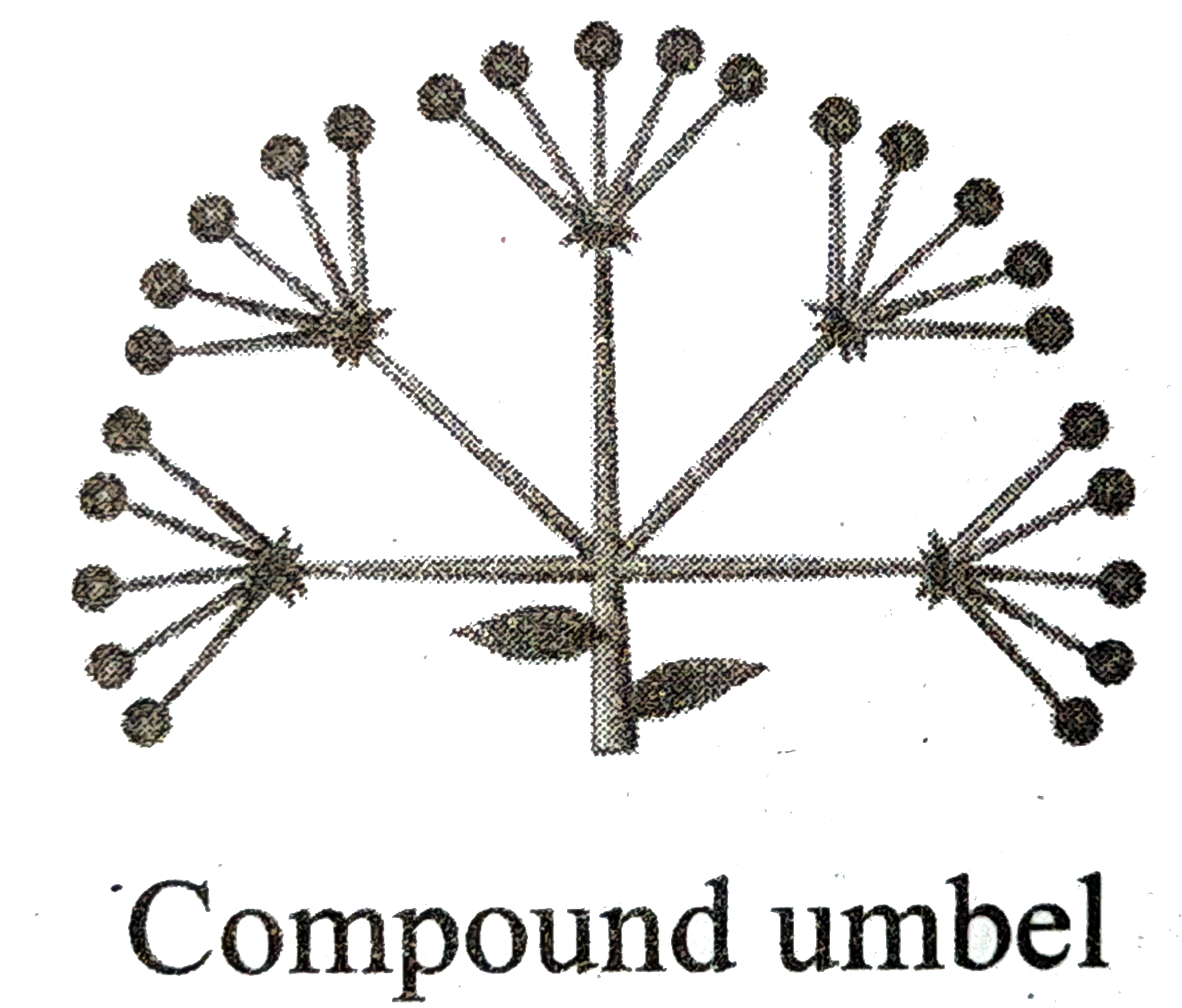
Compound umbel: It is a branched umbel. Each smaller unit is called umbellet. Eg: Daucas carota, Coriandrum sativum.
Main Axis Flattened:
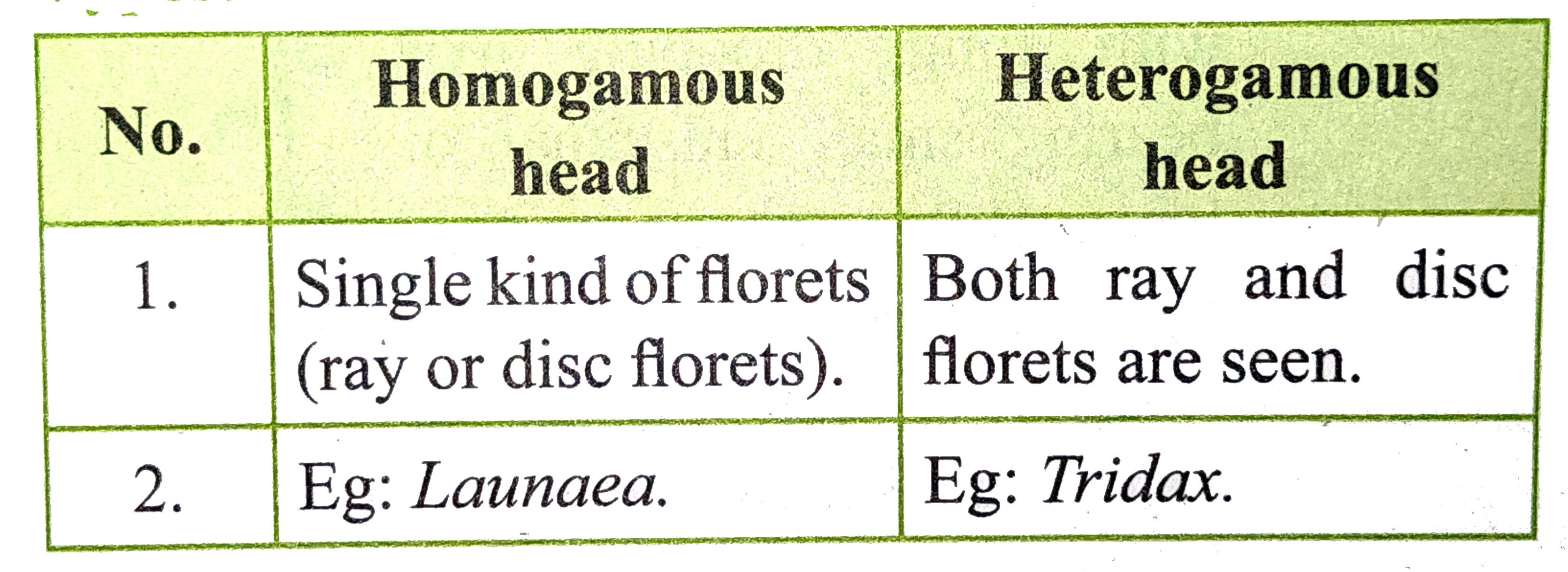
1. Head: The main axis is flattened group of sessile or subsessile flowers arising on the flattened receptacle forms a head inflorescence surrounded by involucre. Eg: Asteraceae.
2. Compound Head: In Lagasca mollis the inflorescence axis is branched and each branch bears a head inflorescence.