

Home
Class 12
PHYSICS
An electron falls through a distance of ...

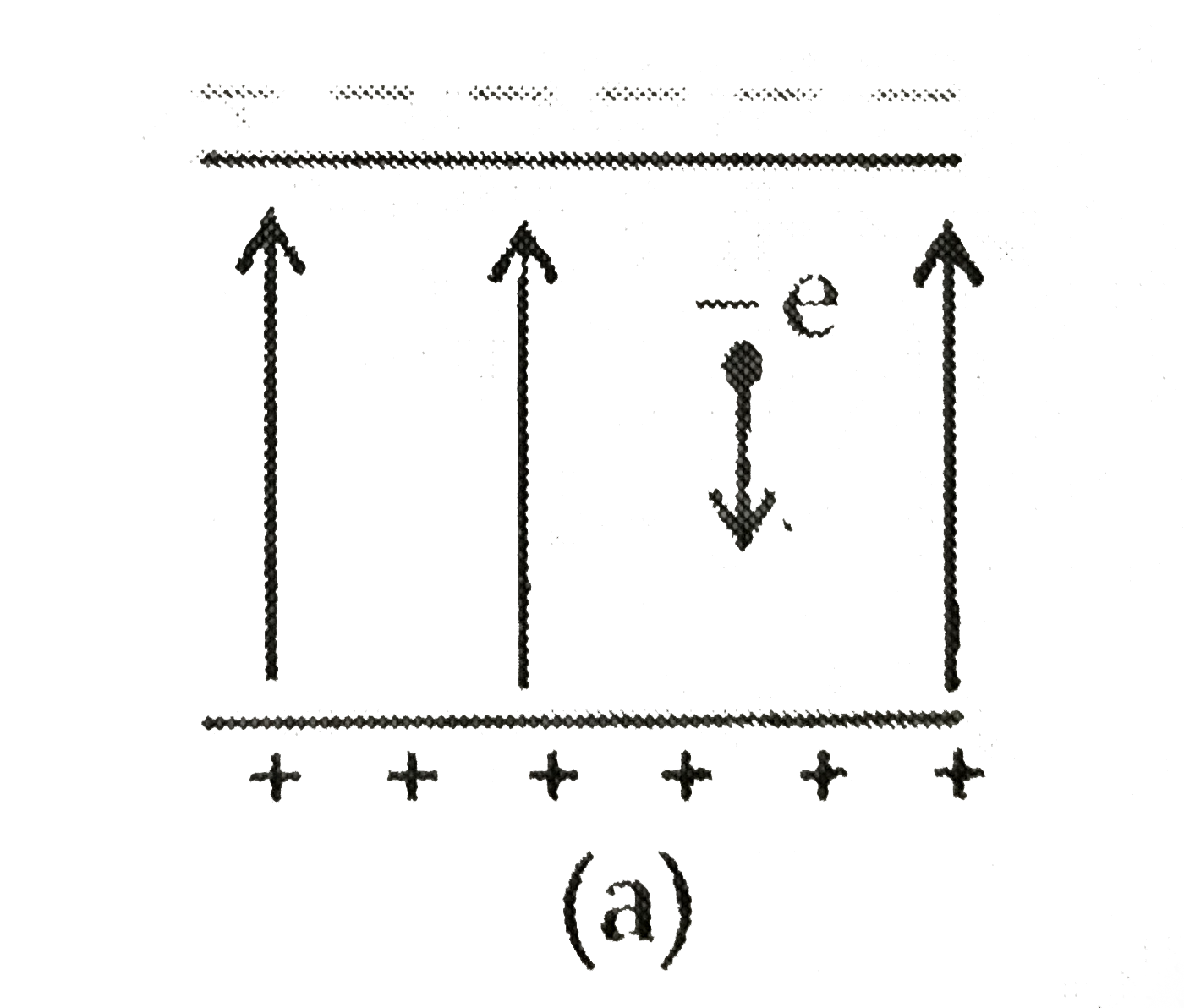
An electron falls through a distance of 1.5 cm in a uniform electric field of magnitude `2.0xx10^(4)N//C(Fig.a)`

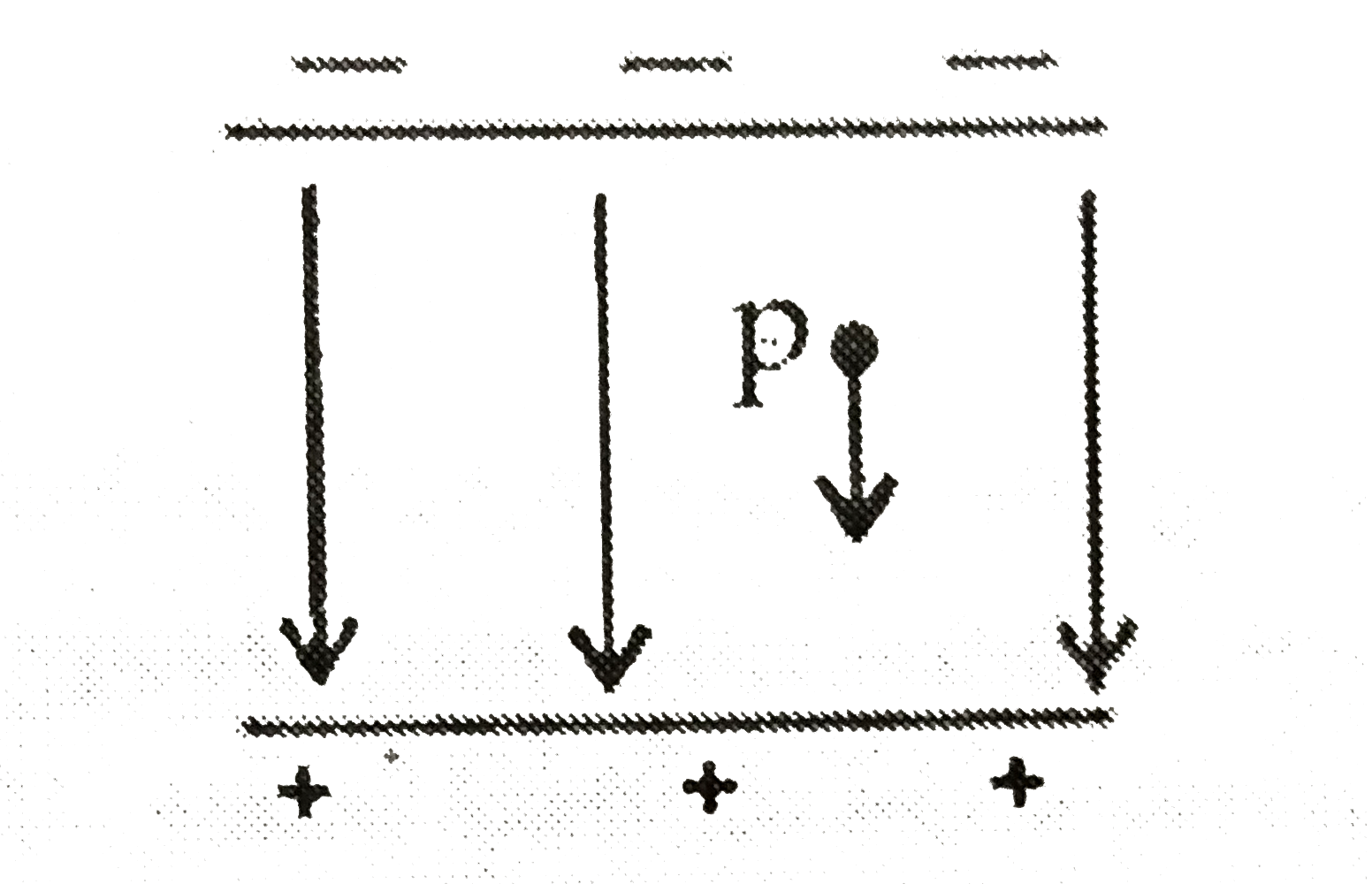
Calculate the time it takes to fall through this distance starting from rest. If the direction of the field is reversed (fig .b) keeping its magnitude unchanged , calculate the time taken by a proton to fall through this distance starting from rest.

Promotional Banner

Similar Questions

Explore conceptually related problems

An electron initially at rest falls a distance of 1.5 cm in a uniform electric field of magnitude 2 xx10^(4) N//C . The time taken by the electron to fall this distance is

An electron initially at rest falls a distance of 1.5 cm in a uniform electric field of magnitude 2 xx10^(4) N//C . The time taken by the electron to fall this distance is

An electron initially at rest falls a distance of 1.5 cm in a uniform electric field of magnitude 2 xx10^(4) N//C . The time taken by the electron to fall this distance is

An electron initially at rest falls a distance of 2 cm in a uniform electric field of magnitude 3 xx 10^(4) N C^(-1) . The time taken by the electron to fall to this distance is

An electron of mass m, charge e falls through a distance h metre in a uniform electric field E. Then time of fall

An electron falls through a small distance in a uniform electric field of magnitude 2xx10^(4)NC^(-1) . The direction of the field reversed keeping the magnitude unchanged and a proton falls through the same distance. The time of fall will be

An electron falls through a small distance in a uniform electric field of magnitude 2xx10^(4)NC^(-1) . The direction of the field reversed keeping the magnitude unchanged and a proton falls through the same distance. The time of fall will be

An electron falls through a small distance in a uniform electric field of magnitude 2xx10^(4)NC^(-1) . The direction of the field reversed keeping the magnitude unchanged and a proton falls through the same distance. The time of fall will be