Text Solution
Verified by Experts



Topper's Solved these Questions
Similar Questions
Explore conceptually related problems
XII BOARDS PREVIOUS YEAR-XII BOARDS-[SET-1]
- Write IUPAC name of the following compound :
Text Solution
|
- Following reactions can occur at cathode during the electrolysis of aq...
Text Solution
|
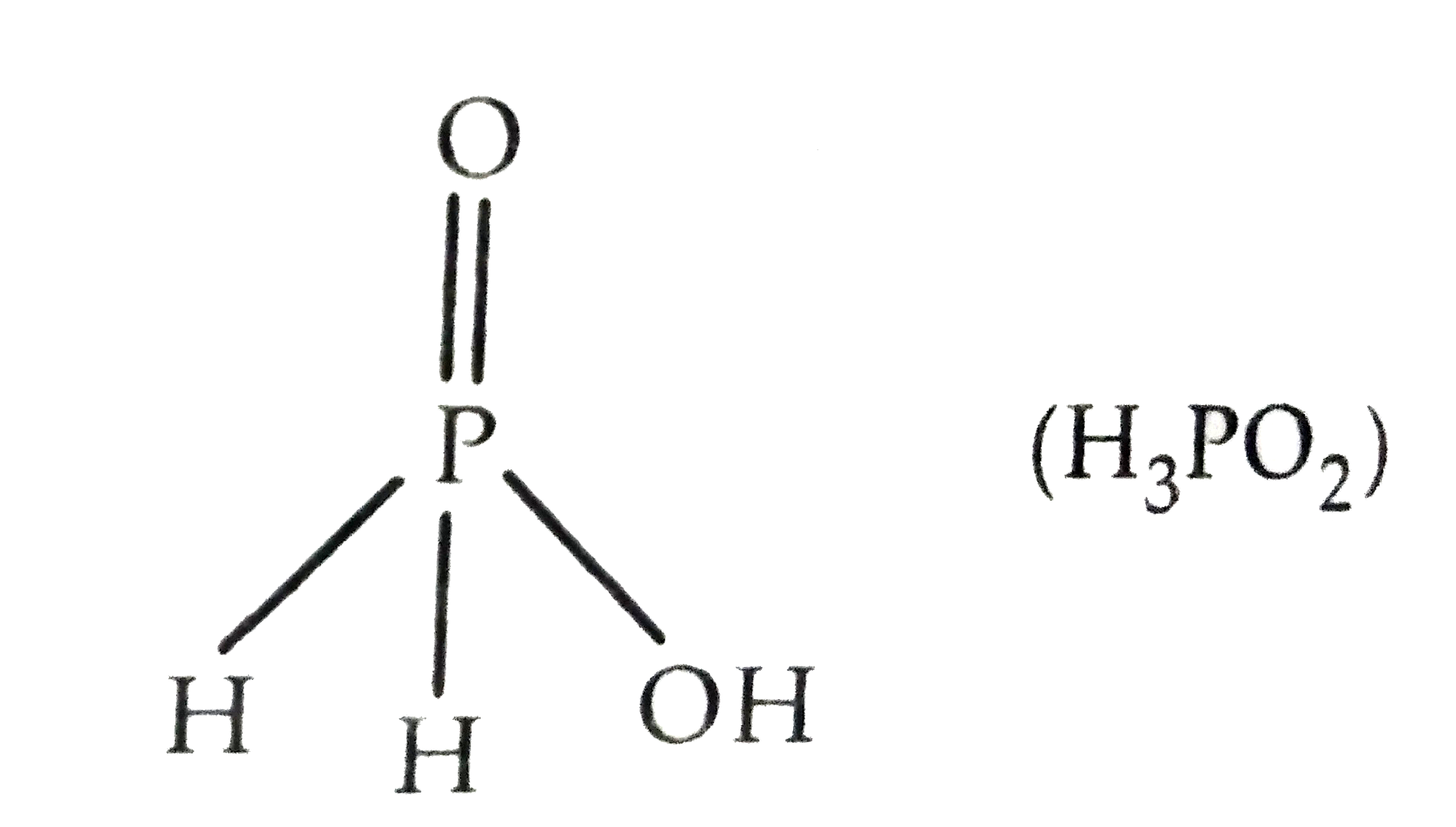
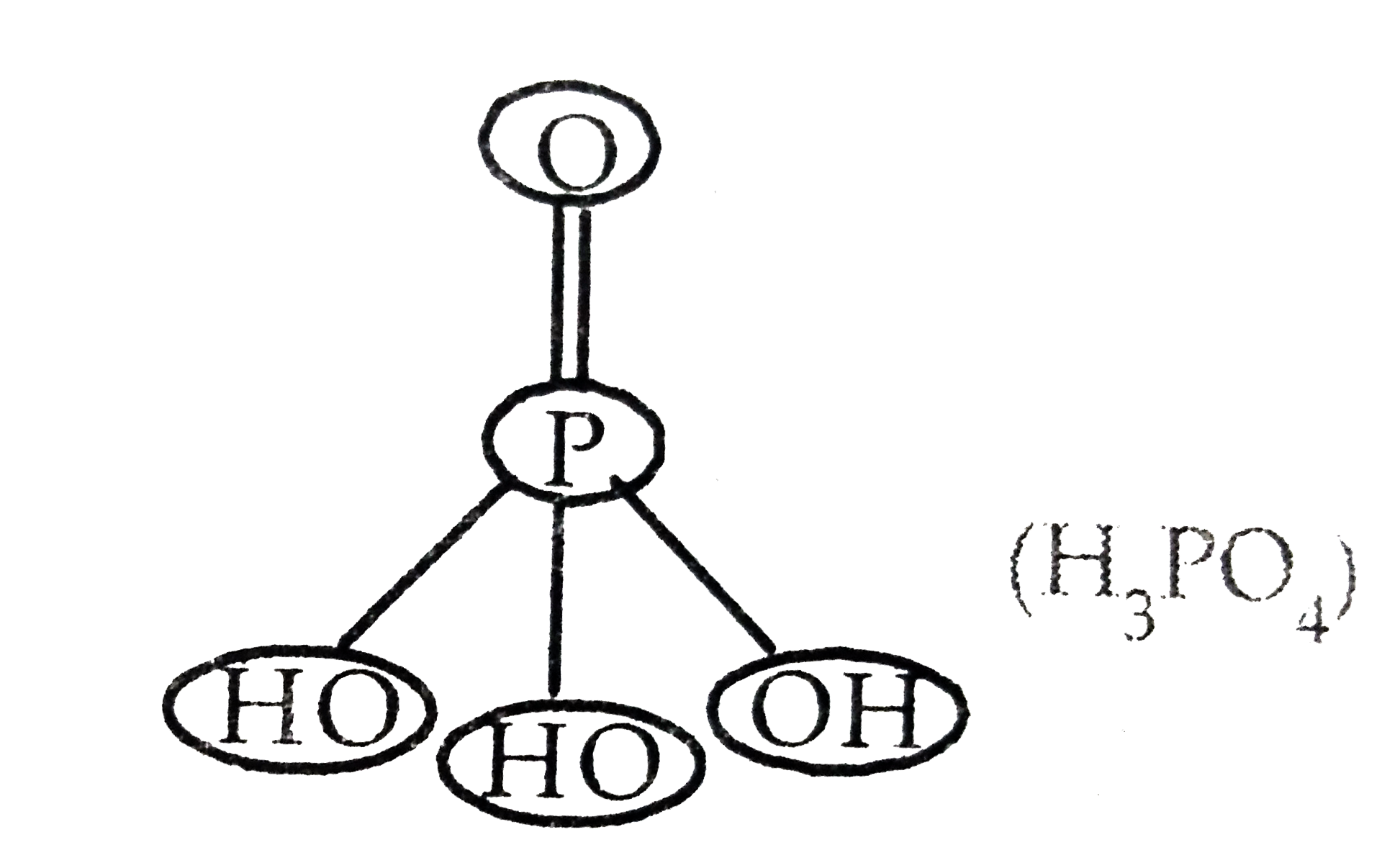
- Orthophosphoric acid (H(3)PO(4)) is not a reducing agent wheres hypoph...
Text Solution
|
- (a) Explain why H(2)and O(2) do not react at room temperature. (b) ...
Text Solution
|
- Derive integrated rated equation for rate constant of a first order re...
Text Solution
|
- Explain the following observations : (i) Copper atom has completely ...
Text Solution
|
- How will you carry out the following conversions : (i) 2-Bromopropan...
Text Solution
|
- An element exists in bcc lattice with a cell edge of 288 pm. Calculate...
Text Solution
|
- Calculate Delta(r)G^(@) and log K(c) for the following reaction at 29...
Text Solution
|
- For a first order reaction, show that the time required for 99% comple...
Text Solution
|
- Explain the following phenomenon given reason : (i) Tnndall effect. ...
Text Solution
|
- (a) Write the principle involved in the following : {:((i)"Zone refi...
Text Solution
|
- A mixed oxide of iron and chromium is fused with sodium carbonate in f...
Text Solution
|
- (a) Give reasons for the following : (i) Compounds of transition ele...
Text Solution
|
- For the complex ion [F(en)(2)CI(2)]^(+) write the hybridization type a...
Text Solution
|
- (a) Account for the following : (i) Electrophilic substitution react...
Text Solution
|
- (a) Why phenol is more acidic than than ethanol ? (b) Write the mech...
Text Solution
|
- Identify A, B and C in the following reactions : (i) CH(3)CH(2)Clove...
Text Solution
|
- (a) Why water soluble vitamins must be supplied regularly in the dite ...
Text Solution
|
- (i) Name a substance which can be used as an antiseptic as well as dis...
Text Solution
|