

Home
Class 11
BIOLOGY
Consider the following four statements (...

Consider the following four statements (i),(ii),(iii) and (iv)
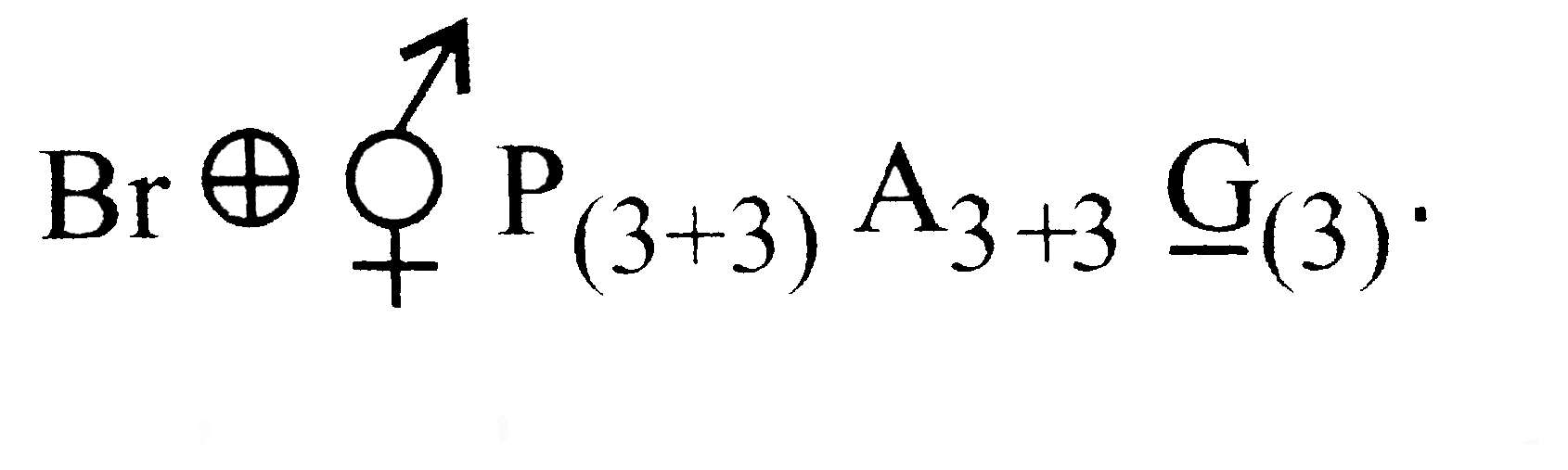
(i) In vexillary aestivation, the large posterior petal is called standard, two lateral ones are called wings and two small anterior petals are termed as keel
(ii) The floral formula for Liliaceae is

(iii) In pea flower, the stamens are monadelphous
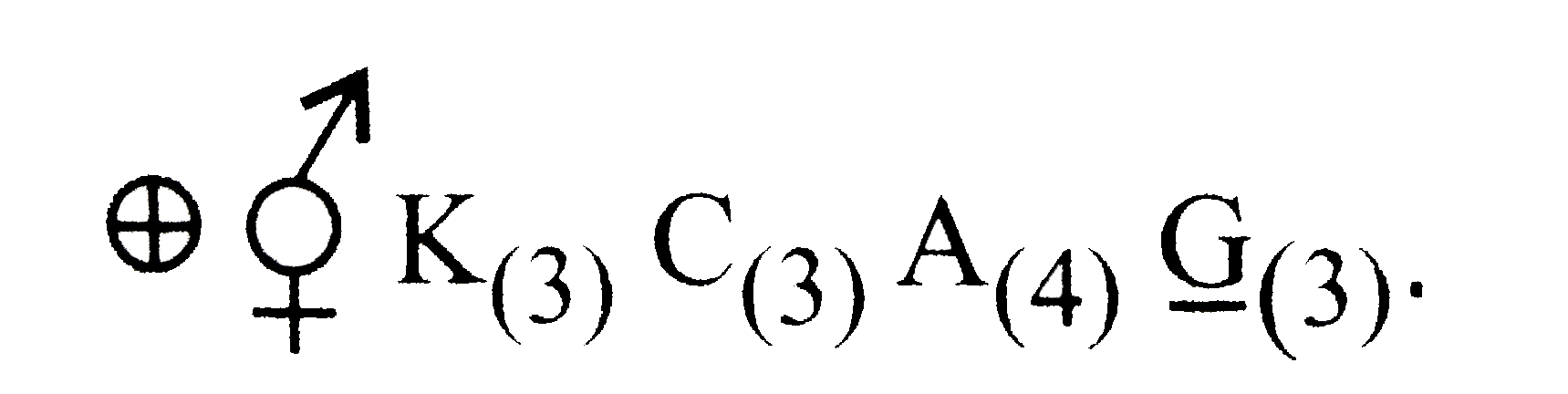
(iv) The floral formula for Solanceae is

The correct statement are

Promotional Banner

Similar Questions

Explore conceptually related problems

Consider the following four statements A,B,C and D select the right option for two correct Statements (A) In vexillary aestivation, the large posterior petal is called-standard, two lateral ones are wings and two small anterior petals are termed keel B. The floral formula for Liliaceae is C. In pea flower the stamens are monadelphous (D) The floral formula for Solanaceae is The correct statements are

Consider the following four statements A, B, C and D and select the right option for two correct statements. (A) In vexillary aestivation, the larger posterior petal is called - standard, two lateral ones are wings and two small anterior petals are termed keel. (B) The floral formula for Liliaceae is (C ) In pea flower the stamens are monadelphous (D) The floral formula for Solanaceae is The correct statements are

Consider the following four statements A,B,C and D and select the right option for two correct statements :- (A) In vexillary aestivation , the large posterior petal is called-standard , two lateral ones are wings and two small anterior petals are termed keel. (B) The floral formula for Liliaceae is (C) In pea flower the stamens are monoadelphous (D) The floral formula for Solanaceae is The correct statements are :-

The correct floral formula of Liliaceae is

In vexillary aestivation, posterior petal is known as________

In vexillary aestivation, largest petal, two smaller lateral petals and two smallest anterior petals are referred as _____, _____ and _____, respectively.

In vexillary aestivation, keel represents (a) The largest posterior petal (b) Two smaller lateral petals (c) Two smallest anterior petals (d) The largest anterior petal