Home
Class 12
PHYSICS
A rigid wire loop of square shape having...

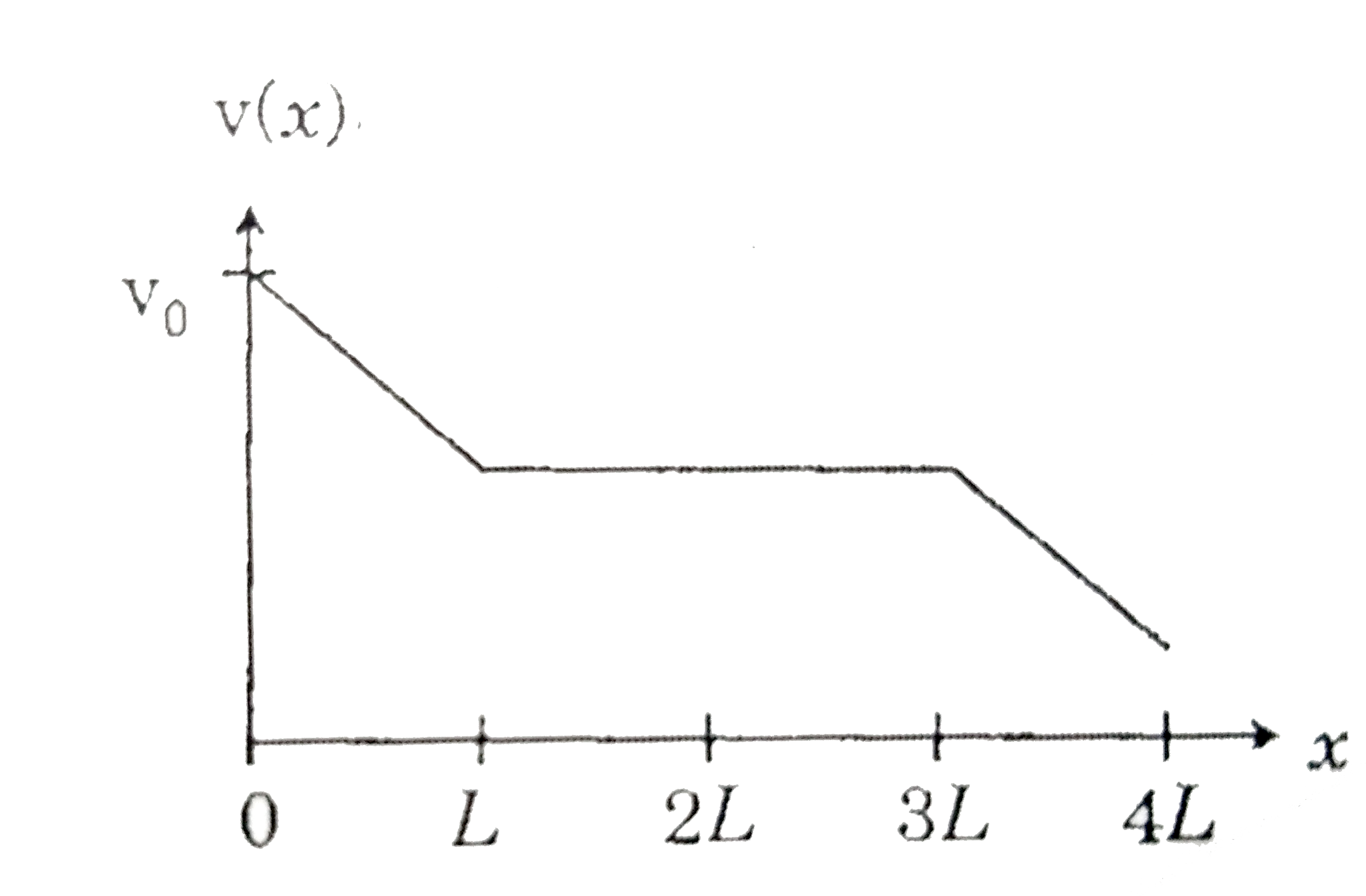
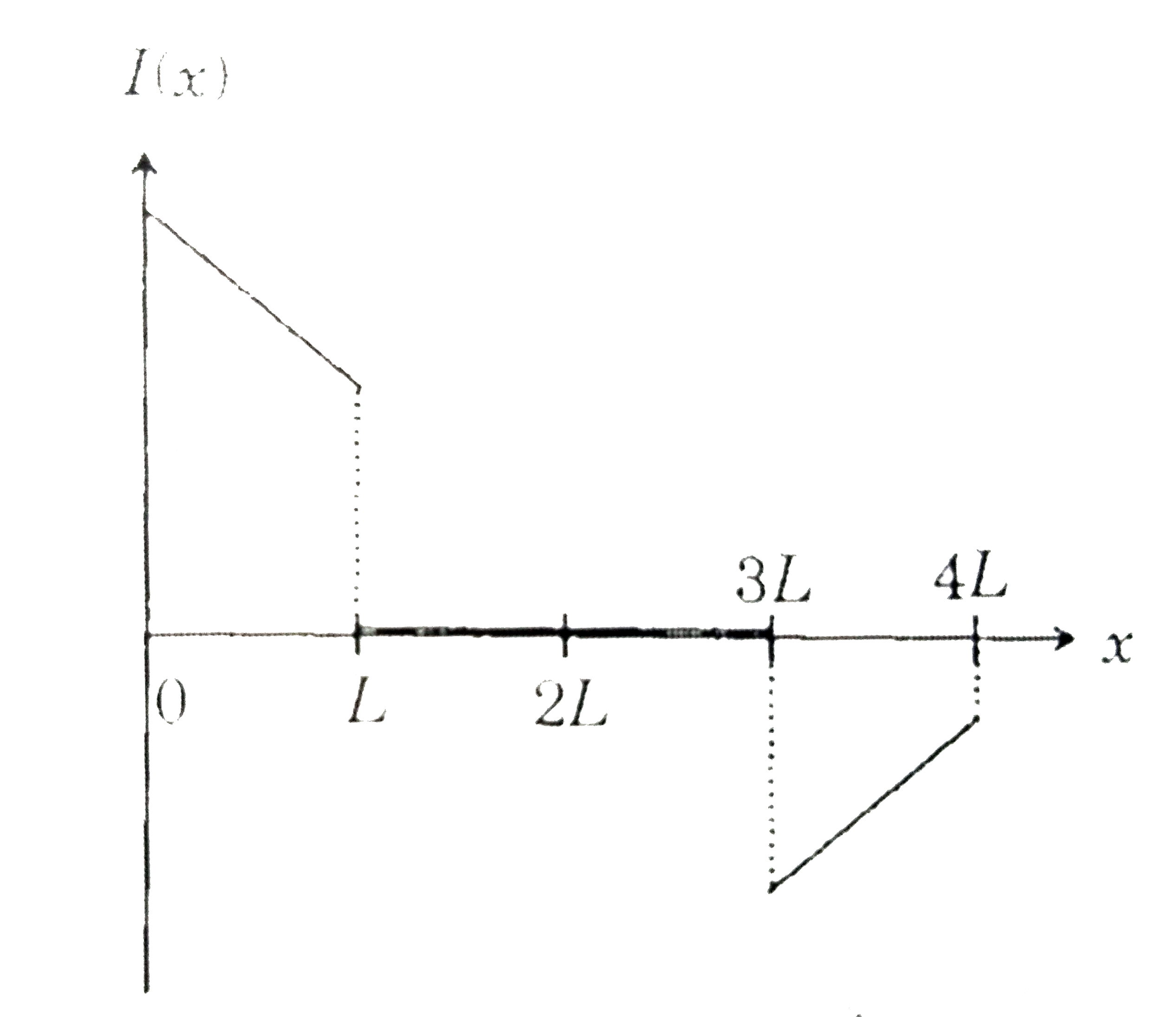
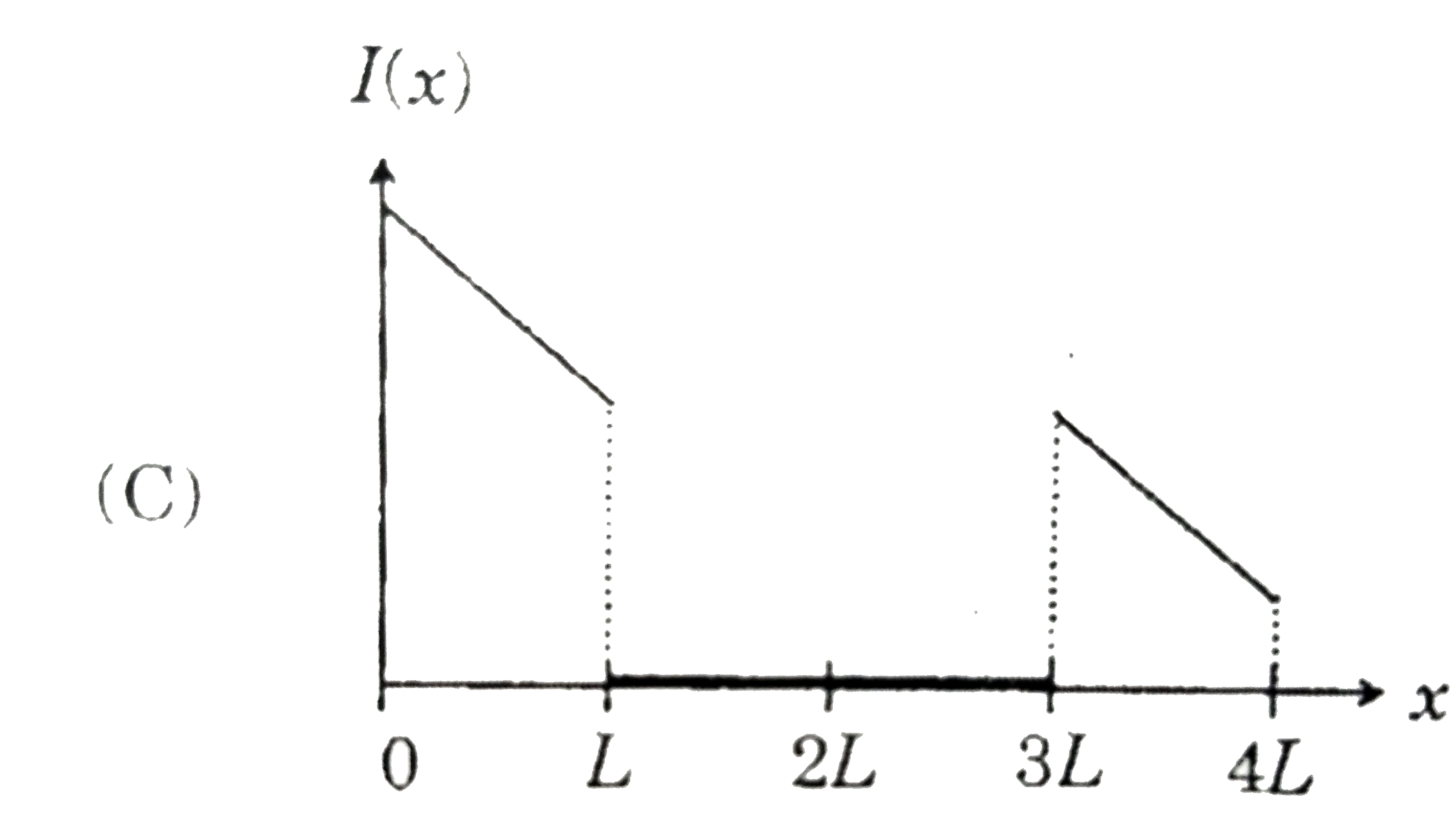
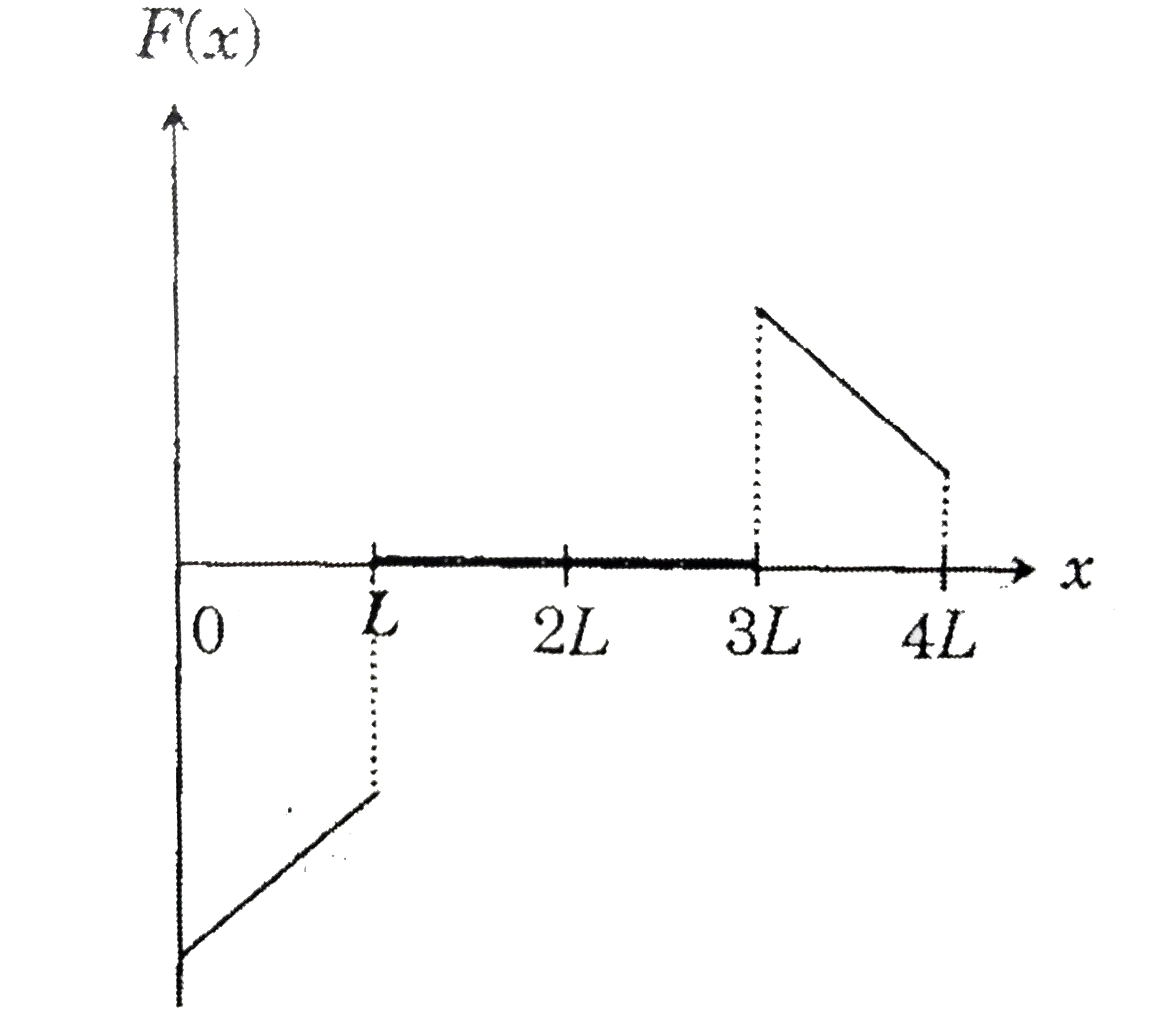
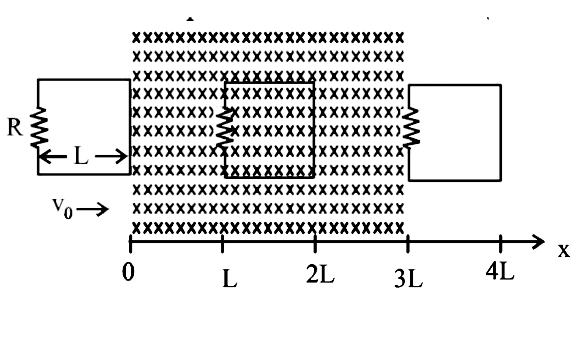
A rigid wire loop of square shape having side of length L and resistance R is moving along the x-axis with a constant velocity `v_(0)` in the plane of the paper. At `t =0`, the right edge of the loop enters a region of length 3L where there is a uniform magnetic field `B_(0)` into the plane of the paper, as shown in the figure. For sufficiently large `v_(0)` the loop eventually crosses the region. Let x be the location of the right edge of the loop. Let v(x), I(x) and F(x) represent the velocity of the loop, current in the loop, and force on the loop, respectively, as a function of x. Counter-clockwise current is taken as positive.
. Which of the following schematic plot(s) is (are) correct? (Ignore gravity)

A

B

C

D

Text Solution

Verified by Experts

Promotional Banner

Similar Questions

Explore conceptually related problems

A conducting loop carrying a current I is placed in a uniform magnetic field ponting into the plane of the paper as shown. The loop will have a tendency to

There is a uniform magnetic field directed perpendicular and into the plane of the paper. An irregular shaped conducting loop is slowly changing into a circular loop in the plane of the paper. Then

A square loop of side d is moved with velocity v hati in an non-uniform magnetic field B_0 /a x hatk then the emf induced shown is?

A rectangular loop of dimensions l & w and resistance R moves with constant velocity V to the right as shown in the figure. It continues to move with same speed through a region containing a uniform magnetic field B directed into the plane of the paper & extending a distance 3W . Sketch the flux, induced emf & external force acting on the loop as a function of the distance.

A conducting rod AC of length 4l is rotated about point O in a uniform magnetic field vec(B) directed into the plane of the paper. AO = l and OC = 3l . Find V_(A) - V_(C) .

A rectangular loop of wire in the plane of the paper starts outside a perpendicular uniform magnetic field directed into the paper as shown in the following figure. The loop is pulled with a constant velocity through the magnetic field and out the other side. Which of the following graphs would best represent the variation of the electric current in the wire with time?

A square loop of a conducting material of side l and resistance r is dragged through a uniform magnetic field B with uniform velocity v keeping the plane of the loop perpendicular to the direction of the field. What is the current flowing through the loop?

An equilateral triangular loop ADC having some resistance is pulled with a constant velocity v out of a uniform magnetic field directed inot the paper. At time t = 0 , side DC of the loop at is at edge of the magnetic field. The induced current (i) versus time (t) graph will be as

A square-shaped conducting wire loop of dimension a moving parallel to the x-axis approaches a square region of size b (a lt b) where a uniform magnetic field B exists pointing into the plane of the paper (see figure). As the loop passes through this region, the plot correctly depicting its speed (v) as a function of x is

A square loop of side L, resistance R placed in a uniform magnetic field B acting normally to the plane of the loop. If we attempt to pull it out of the field with a constant velocity v, then the power needed is