Home
Class 12
CHEMISTRY
Aldehydes and ketones ar specially susec...

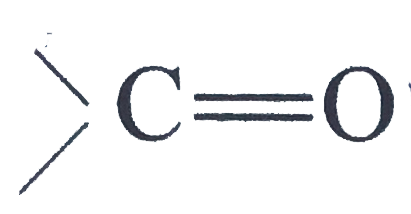
Aldehydes and ketones ar specially susecptible to nucleophilic addition because carbonyl group is polar (due to electronegativity difference between carbon and oxygen)
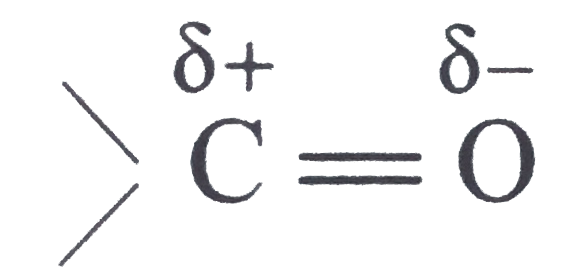
Positive charge on carbon makes it reactive towards the nucleophili. This addition is catalysed by acid.
Reactivity of carbonyl compound towards nucleophilic addition increases with increases in the electron deficiency at carbonyl carbon. Thus, (-I.E.)groups increase while (+I.E.) groups decrease the reactivity of carbonyl compound.
Select the least reactive carbonyl compound for nucleophilic addition :

Promotional Banner

Similar Questions

Explore conceptually related problems

Aldehydes and ketones ar specially susecptible to nucleophilic addition because carbonyl group is polar (due to electronegativity difference between carbon and oxygen) Positive charge on carbon makes it reactive towards the nucleophili. This addition is catalysed by acid. Reactivity of carbonyl compound towards nucleophilic addition increases with increases in the electron deficiency at carbonyl carbon. Thus, (-I.E.)groups increase while (+I.E.) groups decrease the reactivity of carbonyl compound. Which among the following is most reactive to give nucleophilic addtion ?

Aldehyde and ketones are specially susceptible susceptible to nucleophile addition because carbonyl group (due to electronegatvity different between carbon and oxygen). Positive charge on carbon makes it reactive towards the nucleophile. This addition is catalysed by acid. Reactivity of carbonyl compound towards nucleophilic addition increases in the electron deficience at carbonyl carbon. Thus, (-I.E.) group increase while (+I.E.) groups decrease the reactivity of carbonyl compound Select the least reactive carbonyl compound for nucleophilic addition:

Aldehyde and ketones are specially susceptible susceptible to nucleophile addition because carbonyl group (due to electronegatvity different between carbon and oxygen). Positive charge on carbon makes it reactive towards the nucleophile. This addition is catalysed by acid. Reactivity of carbonyl compound towards nucleophilic addition increases in the electron deficience at carbonyl carbon. Thus, (-I.E.) group increase while (+I.E.) groups decrease the reactivity of carbonyl compound

Aldehydes and ketons are susceptible to nuclephlic addition because carbonylgroup Polar (due to electronegativeity difference between carbon and oxygen positive charge on carbonyl compound towards nucleophilic . this addition is catalysed by acid . REactivity of carbonyl compound towards nuclephilic addotion increase with increase in teh electron deficiency at carbonyl carbon Thus (-I.E ) groups increase while (+I.E ) groups decreases the reactivity of carbonyl compound . select the least reactive carbonyl compound towards nuclephilic addition .
