

Home
Class 12
PHYSICS
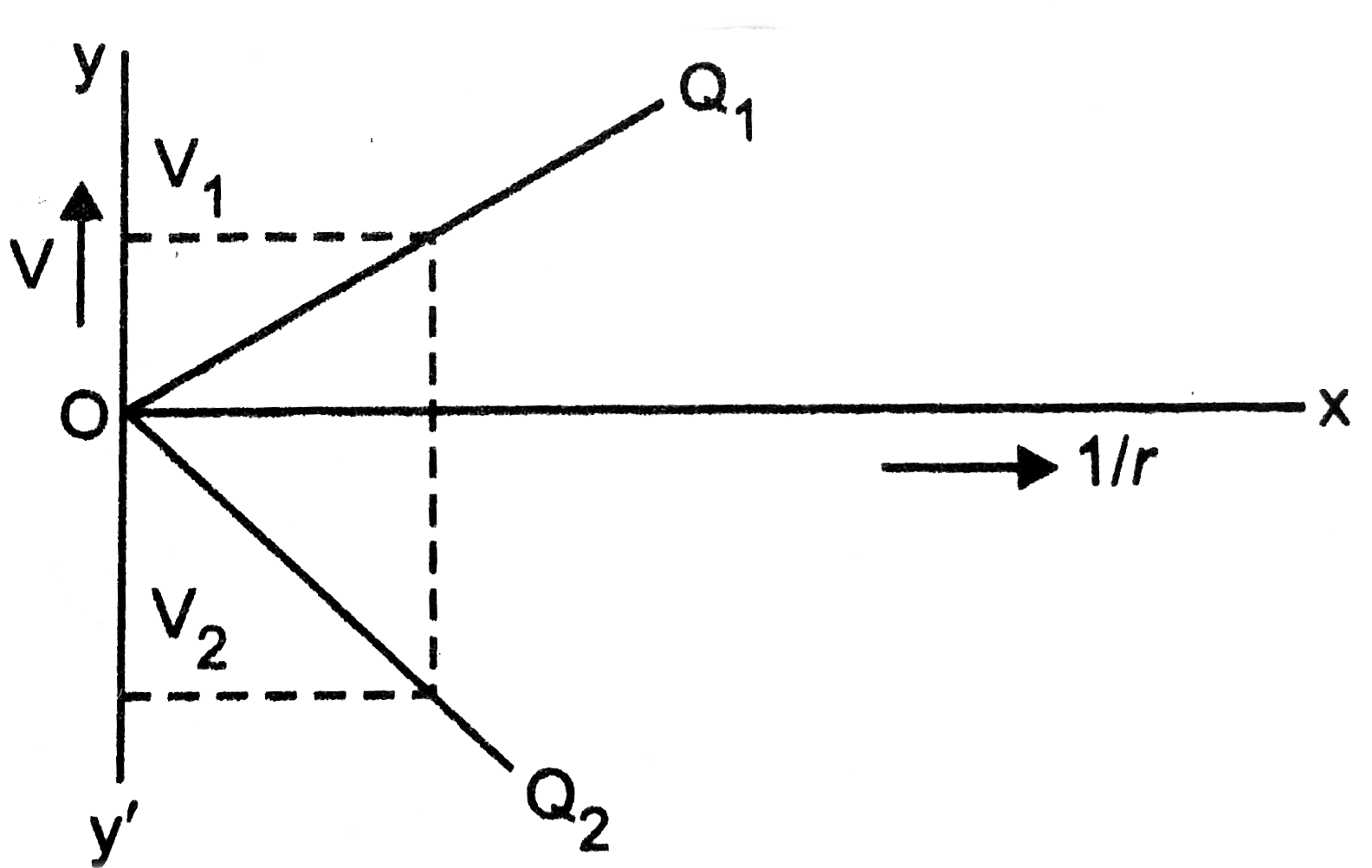
Fig.1 shows the variation of electric po...

Fig.1 shows the variation of electric potential V with `1//r`, where r is the distance from the two charges `Q_(1) and Q_(2)`. Determine

(i) signs of two charges `Q_(1) and Q_(2)`
(ii) Which of the two charges has a larger magnitude ? Justify.

Promotional Banner

Similar Questions

Explore conceptually related problems

The two graphs drawn below show the variation electrostatic potential (V) with 1/r (r being distance of the field point from the point charge) for two point charges q_1 and q_2 . Which of the two charges has a larger magnitude and why?

In figure, the two graphs show the variation of electrostatic potential (V) with 1/r (r being distance of the field point form the point charge) for two point charges q_1 and q_2 Which of the two charges has a larger magnitude and why?

Show the variation of electric potential with reciprocal of distance (1/r) for (i) Q > 0 and (ii) Q < 0 .

In figure, the two graphs show the variation of electrostatic potential (V) with 1/r (r being distance of the field point form the point charge) for two point charges q_1 and q_2 What are the signs of the two charges?

The two graphs drawn below show the variation electrostatic potential (V) with 1/r (r being distance of the field point from the point charge) for two point charges q_1 and q_2 What are the signs of the two charges?

The figure shown is a plot of electric field lines due to two charges Q_(1) and Q_(2) . The sign of charges is

Graphically, represent the variation of electric field due to a point charge Q with 1//r^2 where r is the distance of the obervation point from the charge.

The given figure gives electric line of force due to two charges q_(1) and q_(2) . What are the signs of the two charges ?

The given figure gives electric line of force due to two charges q_(1) and q_(2) . What are the signs of the two charges ?

Two point charges Q_1 and Q_2 lie along a line at a distance from each other. Figure 3.7 shows the potential variation along the line of charges. At which of the points 1, 2, and 3 is the electric field zero ? What are the singns of the charges Q_1 and Q_2 and which of the two charges is greater in magnitude ? .