


Recommended Questions
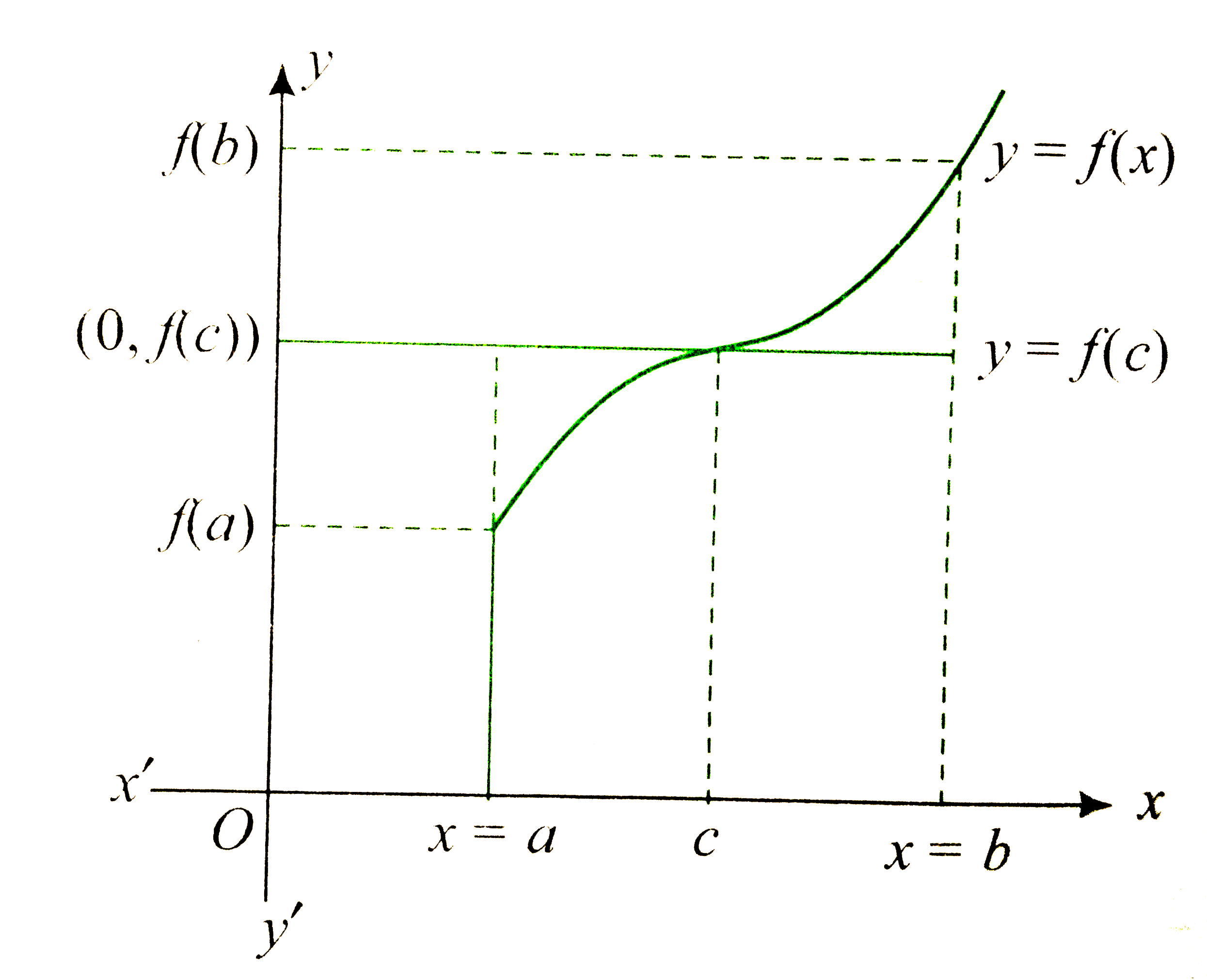
- If y=f(x) is a monotonic function in (a,b), then the area bounded by t...
Text Solution
|
- Let the definite integral be defined by the formula int(a)^(b)f(x)dx=(...
Text Solution
|
- If y=f(x) is a monotonic function in (a,b), then the area bounded by t...
Text Solution
|
- If y=f(x) is a monotonic function in (a,b), then the area bounded by t...
Text Solution
|
- If y=f(x) is a monotonic function in (a,b), then the area bounded by t...
Text Solution
|
- If int(0)^(b-c)f(x+c)dx=a int(b)^(c )f(x)dx, then a =
Text Solution
|
- If int(0)^(b-c) f(x+c) dx = k int(b)^(c) f (x) dx then k=
Text Solution
|
- Let the definite integral be defined by the formula int(a)^(b)f(x)dx=(...
Text Solution
|
- If y=f(x) is a monotonic function in (a,b), then the area bounded by t...
Text Solution
|