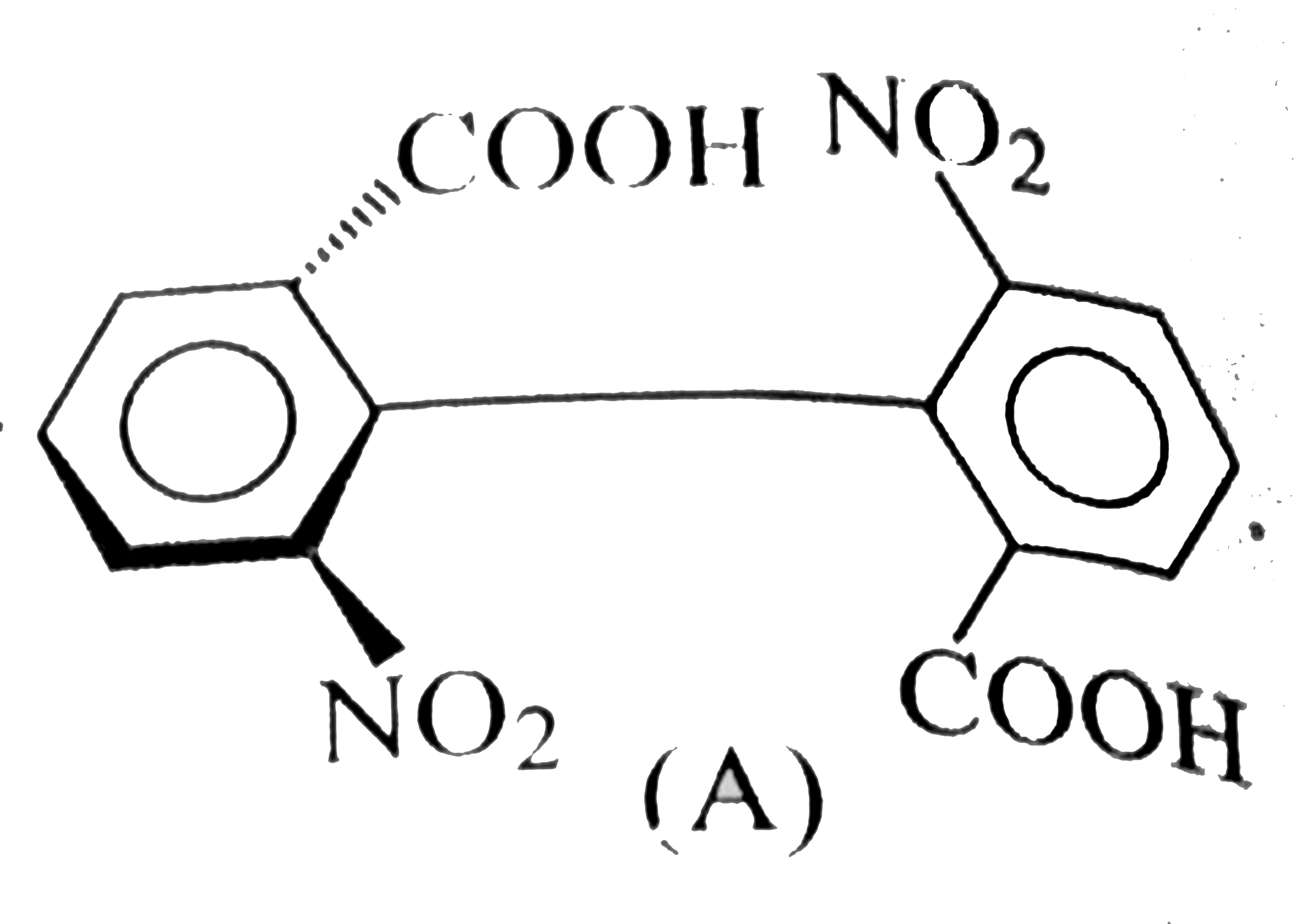
A
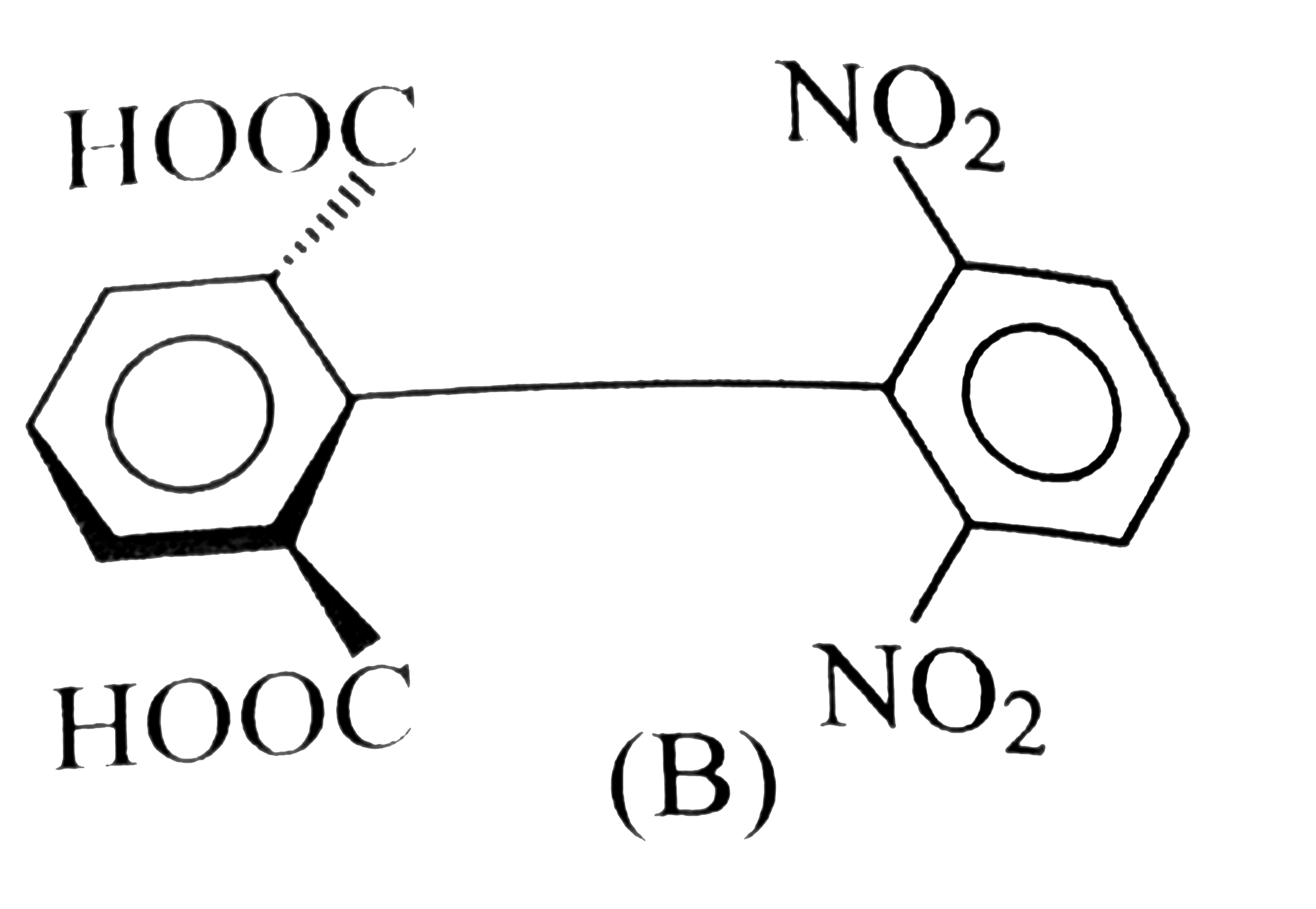
B
C
D
Text Solution
Verified by Experts
The correct Answer is:




Topper's Solved these Questions
AROMATIC COMPOUNDS AND ALKYL AND ARYL HALIDES
CENGAGE CHEMISTRY|Exercise Exercises Multiple Correct|35 VideosAROMATIC COMPOUNDS AND ALKYL AND ARYL HALIDES
CENGAGE CHEMISTRY|Exercise Exercises Multiple Correct Answers Type|12 VideosAROMATIC COMPOUNDS AND ALKYL AND ARYL HALIDES
CENGAGE CHEMISTRY|Exercise Exercises Linked Compreshension Type|11 VideosAPPENDIX INORGANIC VOLUME 2
CENGAGE CHEMISTRY|Exercise Short Answer Type|179 VideosBIOMOLECULES
CENGAGE CHEMISTRY|Exercise Exercises Archives (Analytical And Descriptive)|8 Videos
Similar Questions
Explore conceptually related problems
CENGAGE CHEMISTRY-AROMATIC COMPOUNDS AND ALKYL AND ARYL HALIDES -Exercises Linked Compreshension
- Paragraph for problems 9-15 Compound (G) is:
Text Solution
|
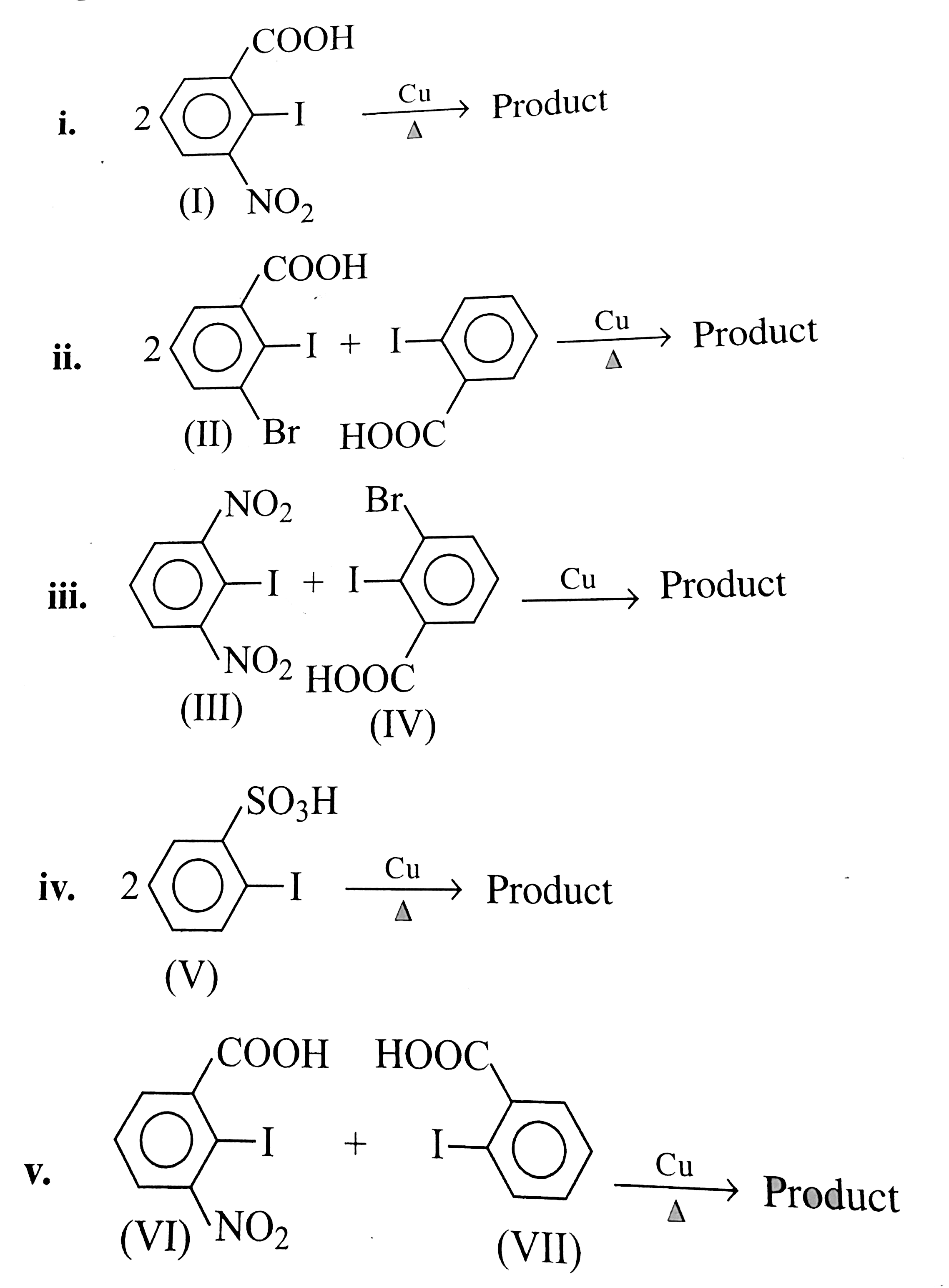
- All the reactions i) to (v) are examples of:
Text Solution
|
- The compound(s) in the reaction (i) is/are:
Text Solution
|
- The compound(s) in the reaction (ii) is/are:
Text Solution
|
- The compound(s) in the reaction (iii) is/are:
Text Solution
|
- The compound(s) in the reaction (iv) is/are:
Text Solution
|
- The compound(s) in the reaction (v) is/are:
Text Solution
|
- Compound (A), an alkene with molecule formula (C(5)H(10)) exists in va...
Text Solution
|
- Compound (A), an alkene with molecule formula (C(5)H(10)) exists in va...
Text Solution
|
- Compound (A), an alkene with molecule formula (C(5)H(10)) exists in va...
Text Solution
|
- Compound (A), an alkene with molecule formula (C(5)H(10)) exists in va...
Text Solution
|
- Compound (A), an alkene with molecule formula (C(5)H(10)) exists in va...
Text Solution
|
- Compound (A), an alkene with molecule formula (C(5)H(10)) exists in va...
Text Solution
|
- Compound (A), an alkene with molecule formula (C(5)H(10)) exists in va...
Text Solution
|
- Compound (B) is:
Text Solution
|
- Compound (D) is:
Text Solution
|
- Compound (E) is:
Text Solution
|
- Compound (F) is:
Text Solution
|
- Compound (G) is:
Text Solution
|
- A hydrocation (A) (C(8) H(10)) (E) is a stream volatile compound and o...
Text Solution
|