


Similar Questions
Explore conceptually related problems
Recommended Questions
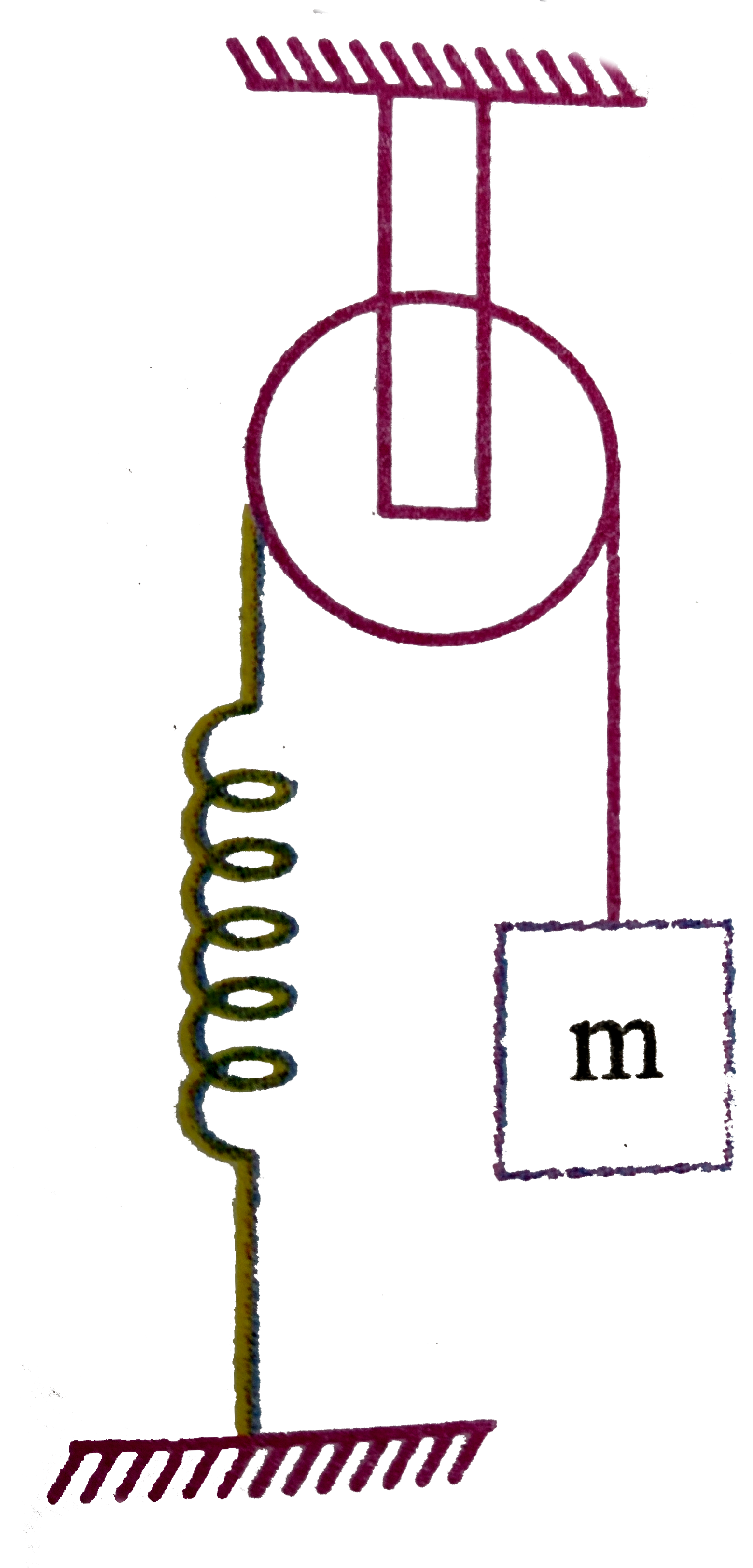
- In the fig the pulled has a mass M, radius r and the string does not s...
Text Solution
|
- A spherical ball of mass m and radius r rolls without slipping on a ro...
Text Solution
|
- A solid sphere (radius = R) rolls without slipping in a cylindrical th...
Text Solution
|
- Consider the situation as shown. The pulley has a moment of inertia I,...
Text Solution
|
- In the fig the pulled has a mass M , radius r and the string does not ...
Text Solution
|
- A string is wrapped around a cylinder of mass M and radius R. The stri...
Text Solution
|
- An object of mass m is tied to a light string wound around a pulley th...
Text Solution
|
- A ring of mass m and radius r rolls without slipping on a fixed hemisp...
Text Solution
|
- A solid sphere of mass M and radius R is pulled by a force F as shown ...
Text Solution
|