Home
Class 12
PHYSICS
A ray of light passing through an equila...

A ray of light passing through an equilateral triangular glass prism from air undergoes minimum deviation when angle of incidence is `3//4` th of the angle of prism. Calculate the speed of light in the prism.

Text Solution

Verified by Experts
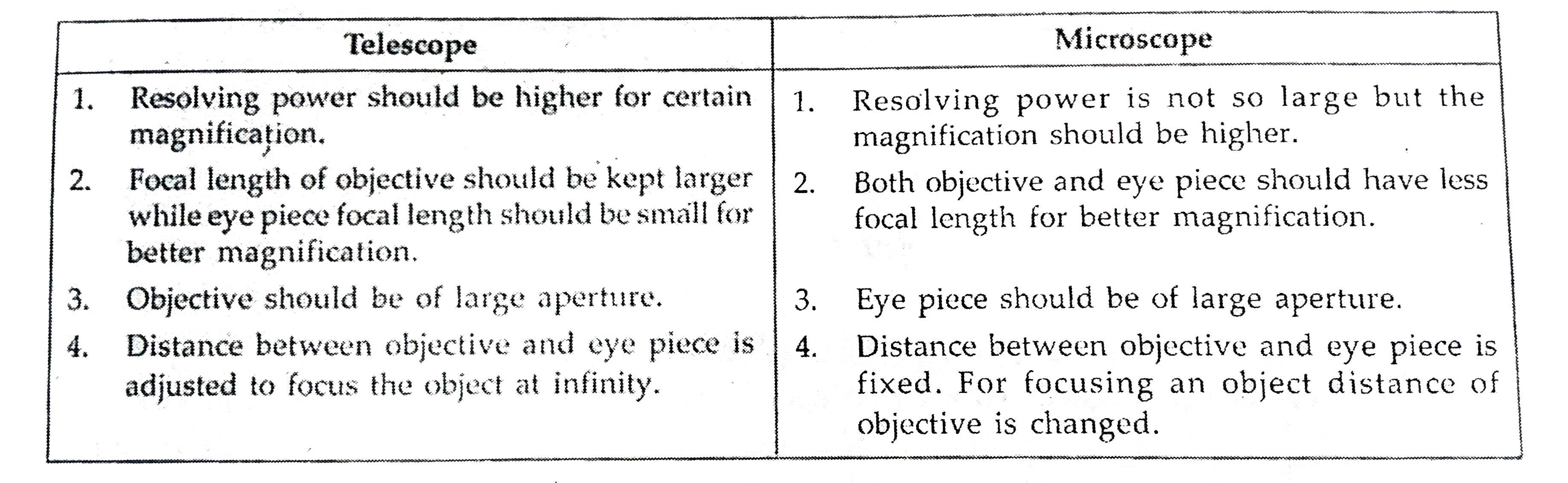
The difference between is
Promotional Banner

Similar Questions

Explore conceptually related problems

A ray of light passing through an equilateral triangular glass prism from air undergoes minimum deviation when angle of incidence is (3)/(4) th of the angle of prism. Calculate speed of light in prism.

Calculate the speed of light in the prism if a ray of light is passing through an equilateral triangular glass prism from air and undergoes minimum deviation when angle of incidence is 5//4 th of the angle of prism.

The angle of incidence for a ray of light passing through an equilateral glass prism is equal to its angle of emergence. Also, the angle of emergence is 3//4 times the angle of prism. Calculate the angle of deviation and refractive index of prism's material.

(a) If the refracting angle of a prism is 60^@ and the minimum deviation is 30^@ , then find the angle of incidence. (b) A ray of light passes through an equilateral prism such that the angle of emergence is equal to the angle of incidence and each is equal to 3//4^(th) of the angle of prism. Find the angle of deviation. (c) The refracting of a prism is A and the refractive index of the material of the prism is cotA//2 . Find the angle of deviation. (d) The angle of a prism is 60^@ . What is the angle of incidence for minimum deviation? The refractive index of the material of the prism is sqrt2 .

A ray of light passes through an equilateral glass prism in such a manner that the angle of incidence is equal to the angle of emergence and each of these angles is equal to 3/4 of the angle of the prism. The angle of deviation is

A ray of light passes through an equilateral glass prism in such a manner that the angle of incidence is equal to the angle of emergence and each of these angles is equal to 3/4 of the angle of the prism. The angle of deviation is

A ray of light passes through an equilateral glass prism in such a manner that the angle of incidence is equal to the angle of emergence and each of these angles is equal to 3//4 of the angle of the prism. The angle of deviation is

A ray of light passes through an equilateral prism such that the angle of incidence is equal to the angle of emergence and latter is equal to (3//4)^(th) the angle of prism. The angle of deviation is

