


Recommended Questions
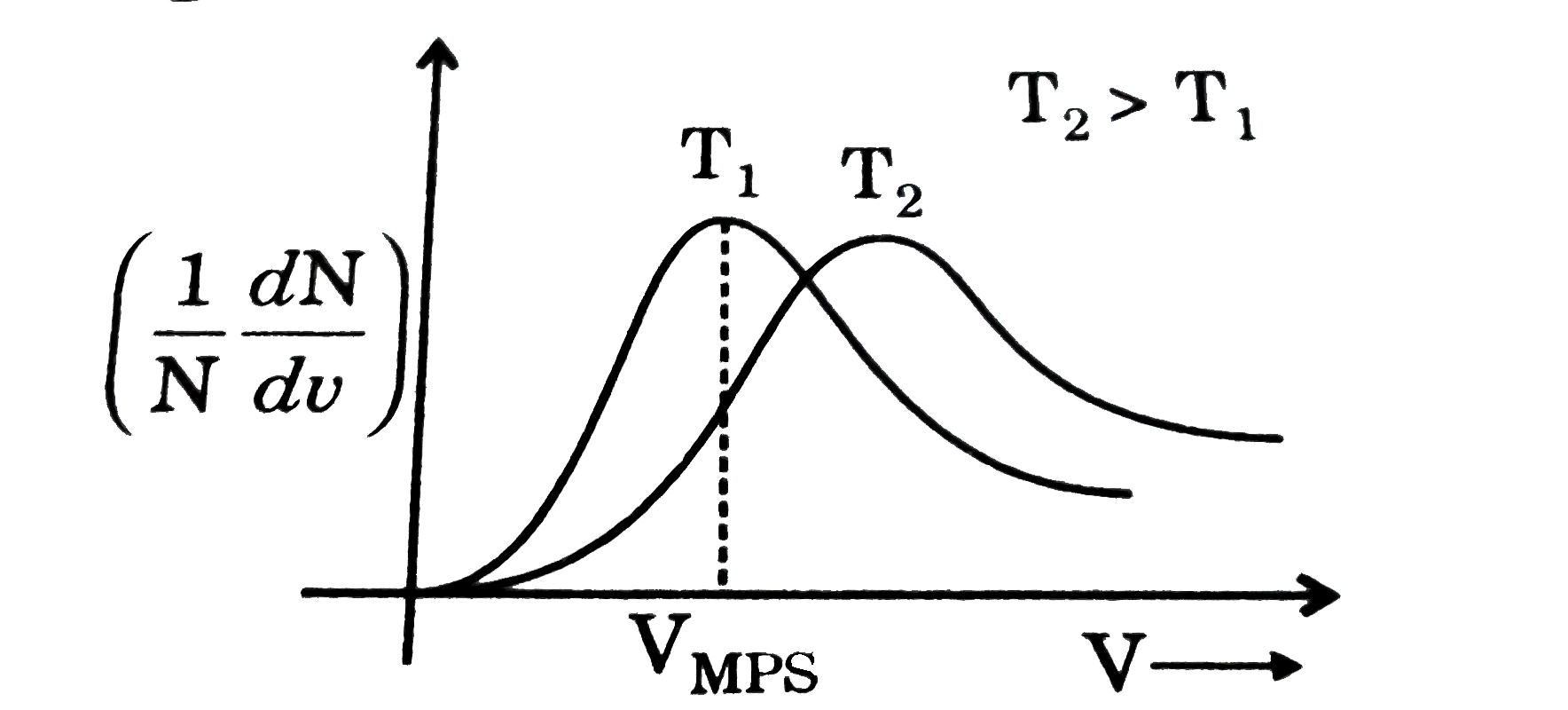
- The speed of a molecule of a gas changes continuously as a result of c...
Text Solution
|
- Distinguish between average speed and rms speed. If three molecules ha...
Text Solution
|
- The average speed of an ideal gas molecule at 27^(@)C is 0.3 m, sec^(-...
Text Solution
|
- In the previous problem , sphere A is moving with speed u(1) and spher...
Text Solution
|
- Express the average kinetic energy per mole of monostomic gas of molar...
Text Solution
|
- The speed of a molecule of a gas changes continuously as a result of c...
Text Solution
|
- The speed of a molecule of a gas changes continuously as a result of c...
Text Solution
|
- The speed of a molecule of a gas changes continuously as a result of c...
Text Solution
|
- At 27^(@)C a gas contains 10 molecules travelling with a speed of 4 ms...
Text Solution
|