


Similar Questions
Explore conceptually related problems
Recommended Questions
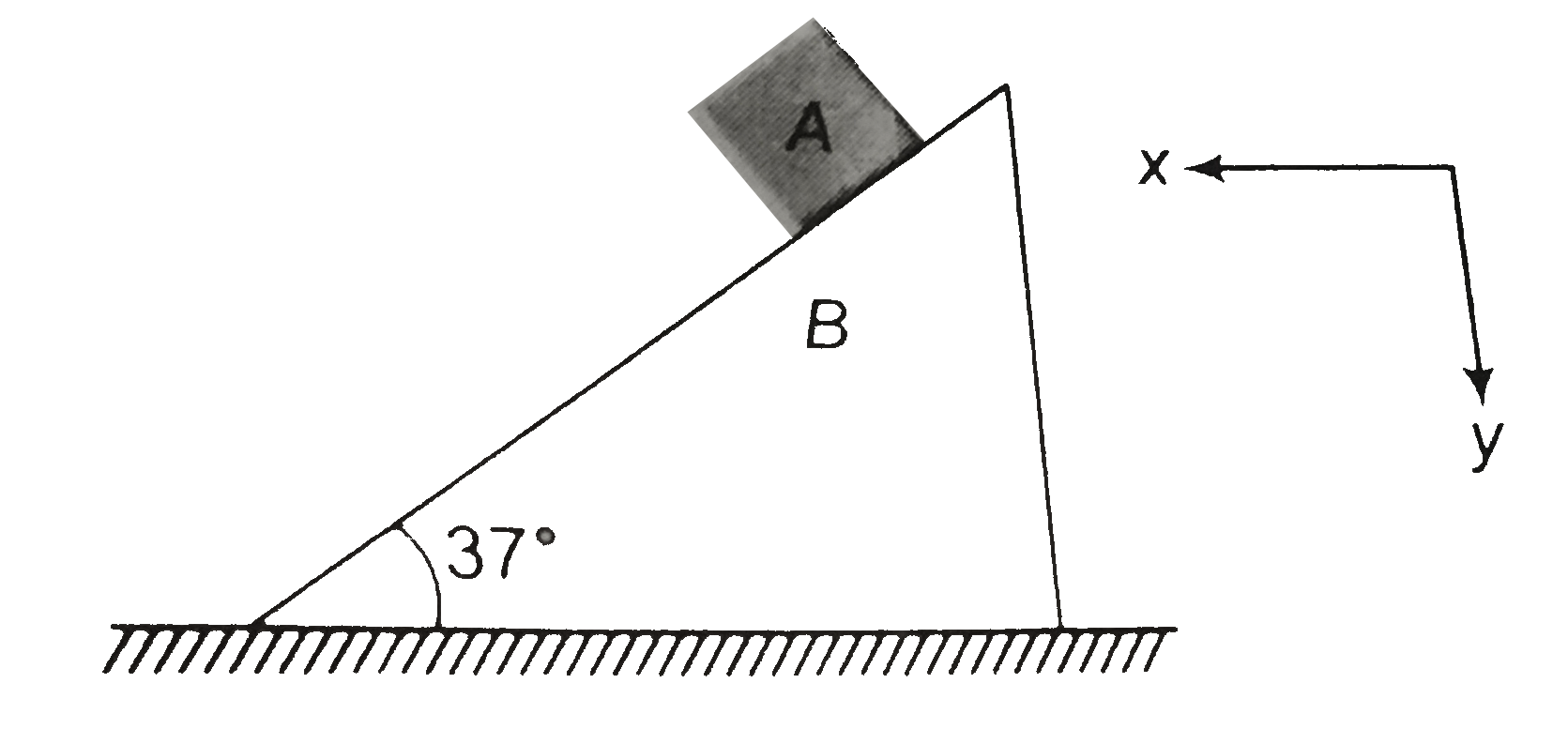
- In the figure shown the accelerationof A is a(A) = (15 hati + 15 hatj)...
Text Solution
|
- In the figure shown the accelerationof A is a(A) = (15 hati + 15 hatj)...
Text Solution
|
- In the situation as shown in the figure if acceleration of B is a, the...
Text Solution
|
- In the figure shown the acceleration of A is, vec(a)(A) = 15 hat (i) +...
Text Solution
|
- The component of vector A=a(x)hati+a(y)hatj+a(z)hatk and the directioi...
Text Solution
|
- If a=hati+hatj+hatk and b=hati-hatj, then vectors (a*hati+hati+(a*hatj...
Text Solution
|
- A = hati+hatj तथा B=hati-hatj के बीच का कोण है
Text Solution
|
- In the figure shown the acceleration of A is, veca =15hati+15hatj then...
Text Solution
|
- A=hati+hatj तथा B=hati-hatj के बीच कोण है
Text Solution
|