Home
Class 12
CHEMISTRY
The nucleophilic substitution reactions ...

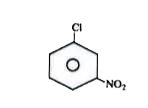
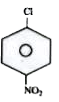
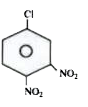
The nucleophilic substitution reactions taking place in aromatic system are designated as SN Ar In fact aryl halides do not easily undergo nucleophilic substitution under ordinary conditions. However, introduction of electron- withdrawing groups in o, p – positions makes the reaction to go faster. Keeping these general points in view answer the following questions
Which of the following undergo nucleophilic substitution at a faster rate with a given nucleophilic

A

B

C

D

Text Solution

Verified by Experts

The correct Answer is:
D

As it contains two EWG - `S_(N) Ar` is faster than others


Promotional Banner

Similar Questions

Explore conceptually related problems

The nucleophilic substitution reactions taking place in aromatic system are designated as SN Ar In fact aryl halides do not easily undergo nucleophilic substitution under ordinary conditions. However, introduction of electron- withdrawing groups in o, p – positions makes the reaction to go faster. Keeping these general points in view answer the following questions Which of the following structures is correct in the mechanism of the reaction

The nucleophilic substitution reactions taking place in aromatic system are designated as SN Ar In fact aryl halides do not easily undergo nucleophilic substitution under ordinary conditions. However, introduction of electron- withdrawing groups in o, p – positions makes the reaction to go faster. Keeping these general points in view answer the following questions product. The solution is treated with AgNO_3 solution. Which of the following is correct

Which of the following compounds undergo nucleophilic substitution reaction

Which of the following under go nucleophilic substitution faster than that of chlorobenzene

Which of the following undergo SN reaction at a fastest rate than others

How many of the following does not undergo nucleophilic substitution easily under normal conditions

Which of the following halides would undergo nucleophilic substitution most readily (SN_1) ?

Which one of the following is most reactive in nucleophilic substitution ?

Which of the following is the best leaving in a nucleophilic substitution reaction