Home
Class 12
CHEMISTRY
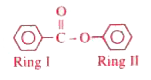
In the compound Electrophilic substi...

In the compound
Electrophilic substitution occurs rapidly at

A

ortho/para position at ring I

B

meta position at ring I

C

ortho/para position at ring II

D

meta position at ring II

Text Solution

Verified by Experts

The correct Answer is:

C
Promotional Banner

Similar Questions

Explore conceptually related problems

Electrophilic substitution in phenol takes place at

Consider the compound of Column-I for electrophilic substitution reaction with Cl_2 in presence of AlCl_3 . Match them with the nature of reaction and product formed from the Column-II

The most reactive compound towards electrophilic substitution is

Alkanes undergo free radical substitution, aromatic compounds undergo electrophilic substitution and alkyl halides undergo nucleophilic substitution reactions

(A) In monohaloarenes, further electrophilic substitution occurs at ortho and para positions. (R) In haloarenes, halogen atom is a ring deactivator.

Explain the position of electrophilic substitution in benzoic acid.

How many of the following compounds undergo electrophilic substitution in ortho & para positions ?

The typical reaction of benzene and other aromatic compounds is electrophilic substitution. Presence of electron donating group activates the ring towards electrophilic substitution, while presence of electron withdrawing group deactivates the ring towards electrophilic substitution but at the same time activates the ring towards nucleophilic substitution. Some groups are predominantly meta directing and all of these are deactivating. Except halogen, most of the o- and p- directing groups are activating groups. (E.A.S = Electrophilic aromatic substation) The reaction of toluene with Cl_2 in presence of FeCl_3 gives predominantly:

The typical reaction of benzene and other aromatic compounds is electrophilic substitution. Presence of electron donating group activates the ring towards electrophilic substitution, while presence of electron withdrawing group deactivates the ring towards electrophilic substitution but at the same time activates the ring towards nucleophilic substitution. Some groups are predominantly meta directing and all of these are deactivating. Except halogen, most of the o- and p- directing groups are activating groups. (E.A.S = Electrophilic aromatic substation) Presence of nitro group in benzene ring:

Why does benzene undergo electrophilic substitution reactions easily and nucleophilic substitutions with difficulty?
