Home
Class 11
BIOLOGY
Which of the following graphs shows the ...

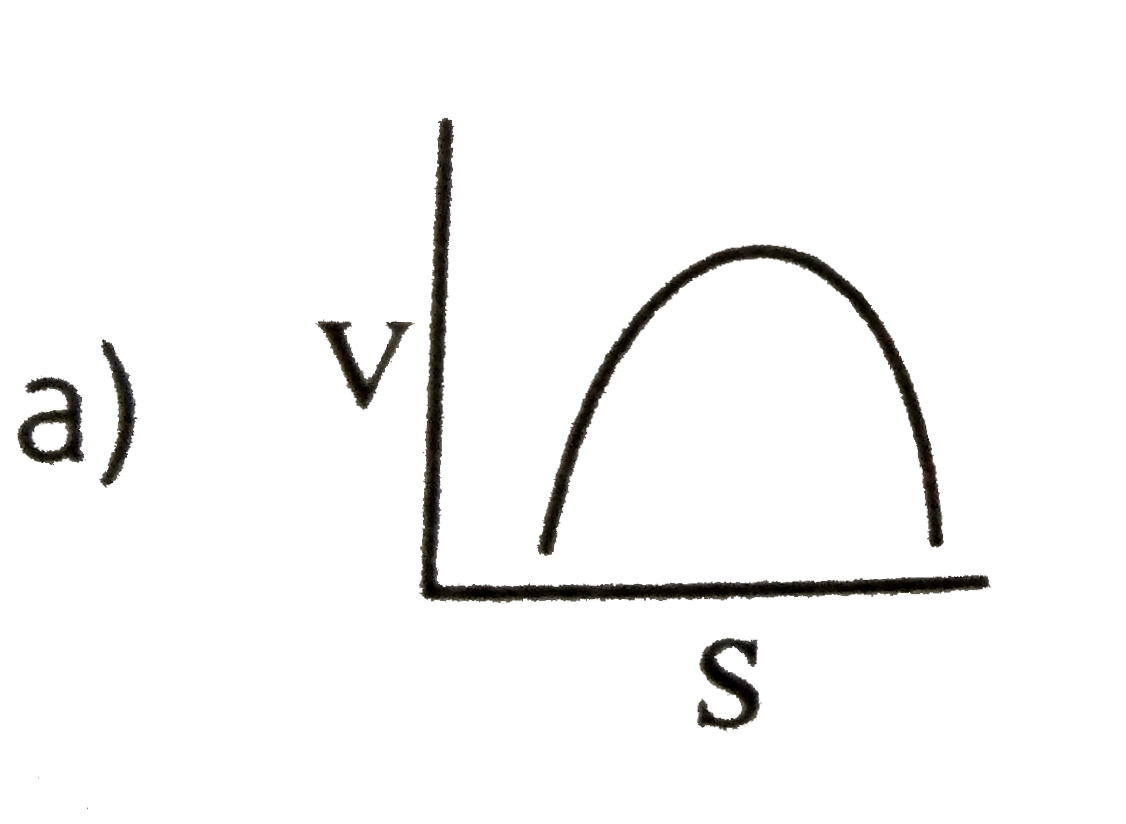
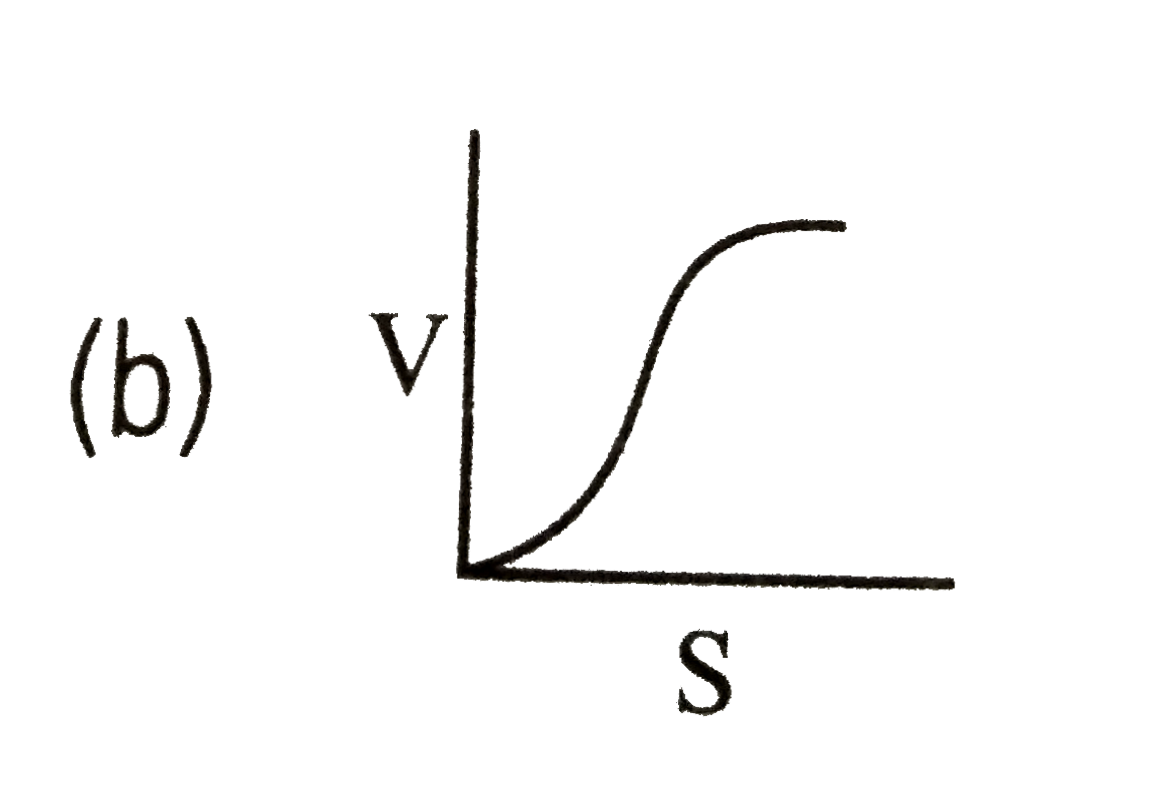
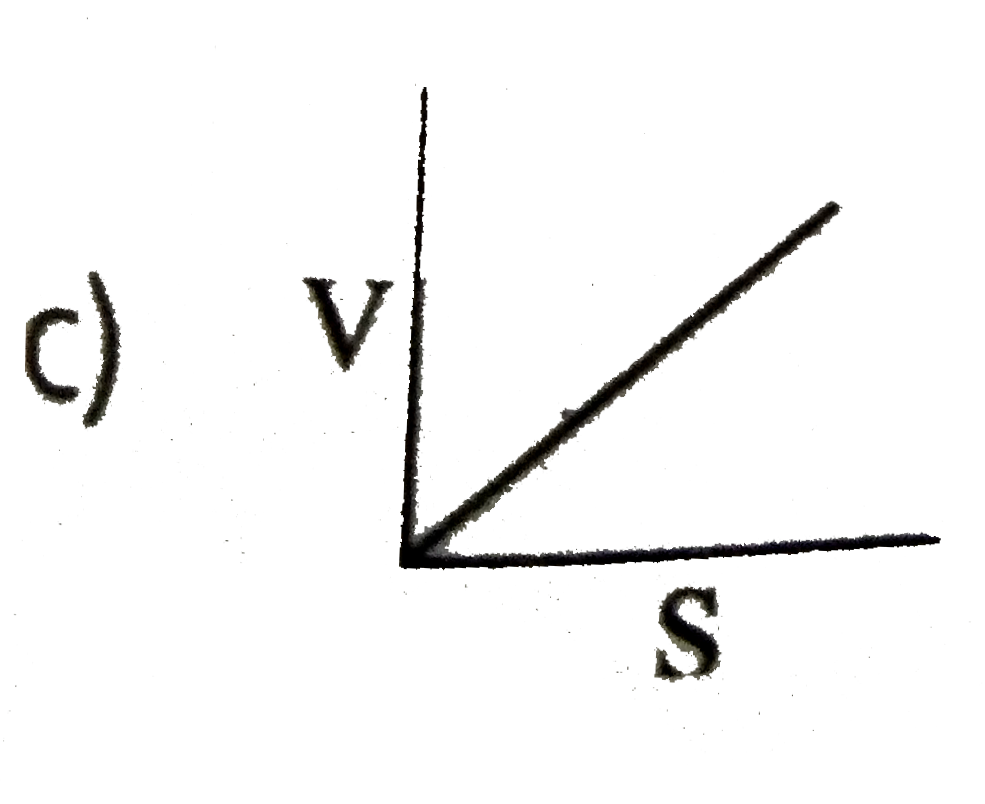
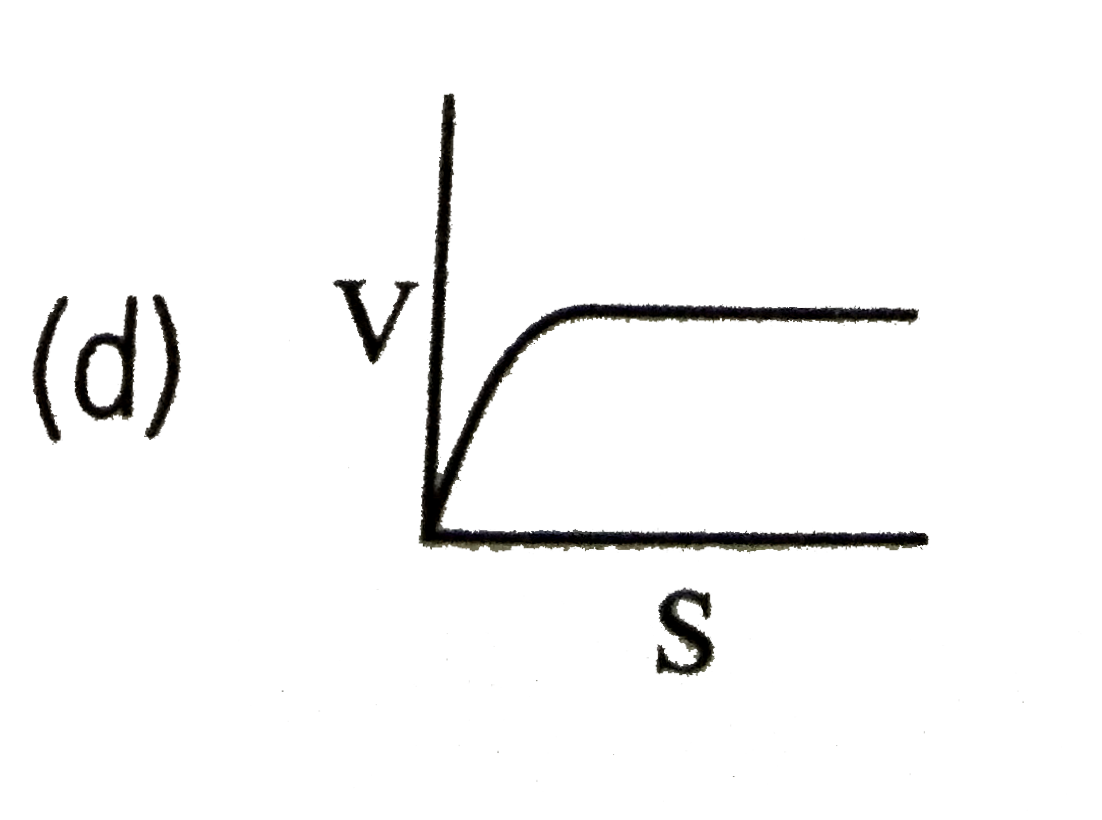
Which of the following graphs shows the relationship between the rate of an enzymatic activity and substrate concentration (S) ?

A

B

C

D

Text Solution

AI Generated Solution

The correct Answer is:

To determine the correct graph that shows the relationship between the rate of enzymatic activity and substrate concentration (S), we can follow these steps: ### Step-by-Step Solution: 1. **Understand the Variables**: - The x-axis represents substrate concentration (S). - The y-axis represents the rate of enzymatic activity. 2. **Initial Increase in Substrate Concentration**: - When the substrate concentration is low (e.g., 5 substrate molecules), there are plenty of enzyme molecules available to bind to the substrates. - As the substrate concentration increases (e.g., from 5 to 10 substrate molecules), the rate of enzymatic activity increases linearly because more substrate molecules are available for the enzymes to act upon. 3. **Saturation Point**: - As we continue to increase the substrate concentration (e.g., to 20 substrate molecules), we reach a point where all enzyme active sites are occupied. - In this case, even if we add more substrate, the rate of enzymatic activity will not increase further because there are no free enzyme active sites available to bind with the additional substrate. 4. **Graph Representation**: - The graph will initially show a linear increase in the rate of enzymatic activity as substrate concentration increases. - After reaching a certain point (saturation), the graph will plateau, indicating that the rate of enzymatic activity has reached its maximum and does not increase further despite increasing substrate concentration. 5. **Identify the Correct Graph**: - The correct representation of this relationship is a graph that shows a linear increase followed by a plateau. This is typically represented as a hyperbolic curve in enzyme kinetics, specifically the Michaelis-Menten curve. - Based on the options provided, option D is the one that correctly represents this relationship. ### Final Answer: The correct graph that shows the relationship between the rate of enzymatic activity and substrate concentration (S) is option D. ---

To determine the correct graph that shows the relationship between the rate of enzymatic activity and substrate concentration (S), we can follow these steps: ### Step-by-Step Solution: 1. **Understand the Variables**: - The x-axis represents substrate concentration (S). - The y-axis represents the rate of enzymatic activity. ...
Promotional Banner

Topper's Solved these Questions

  • BIOMOLECULES

    NCERT FINGERTIPS ENGLISH|Exercise Biomolecules|137 Videos
  • BIOLOGICAL CLASSIFICATION

    NCERT FINGERTIPS ENGLISH|Exercise Biological Classification|132 Videos
  • BODY FLUIDS AND CIRCULATION

    NCERT FINGERTIPS ENGLISH|Exercise Body Fluids And Circulation|151 Videos

Similar Questions

Explore conceptually related problems

Which of the following shows diagonal relationship ?

Which of the following pairs show diagonal relationship?

Which of the following shows optical activity?

The given graph is showing the relationship between the rate of enzyme reaction and concentration of substrate. At concentration of substrate greater than X, the

Which of the following graphs shows a stong positive association between x and y?

Which of the following pair does not show correct relationship ?

Which of the following does not show the relationship between Boyle's law and Charles' law?

Lichens show symbiotic relationships between

Which of the following will show optical activity

Which of the following will show optical activity?

NCERT FINGERTIPS ENGLISH-BIOMOLECULES-Biomolecules
  1. Which one of the given graphs shows the effect of temperature on the v...

    Text Solution

    |

  2. Enzymes are most functional within the temperature range of

    Text Solution

    |

  3. Which of the following graphs shows the relationship between the rate ...

    Text Solution

    |

  4. Michaelis Menten Constant (K(m)) is equal to

    Text Solution

    |

  5. The inhibitor which closely resembles the substrate in its molecular s...

    Text Solution

    |

  6. inhibition of succinate dehydrogenase by malonate is an example of

    Text Solution

    |

  7. The inhibitor which does not resemble the substrate in structure and b...

    Text Solution

    |

  8. Feedback inhibition of an enzyme is influenced by

    Text Solution

    |

  9. Refer to the given reactin. {:(C(12)H(22)O(11)+H(2)O overset(Enzyme ...

    Text Solution

    |

  10. Enzymes that catalyse removal of groups from substrates by mechanisms ...

    Text Solution

    |

  11. Dihydroxyacetone-3 phosphate and glyceraldehyde-3-phosphate are interc...

    Text Solution

    |

  12. Which of the following is an example of isozyme ?

    Text Solution

    |

  13. Holoenzyme is the complete enzyme consisting of an apoenzyme and a co-...

    Text Solution

    |

  14. The proteinaceous molecule that joins a non-protein prosthetic group t...

    Text Solution

    |

  15. Read the given paragraph with few blanks. Prosthetic groups are unde...

    Text Solution

    |

  16. Co-enzyme nicotinamide adenine dinucleotide (NAD) contains vitamin

    Text Solution

    |

  17. Zinc is a co-factor for proteolytic enzyme .

    Text Solution

    |

  18. Select the incorrect statement from the following.

    Text Solution

    |

  19. Read the given statements and select the correct option. Statement 1...

    Text Solution

    |

  20. Biochemical reagents are widely used for detection of biomolecules. A ...

    Text Solution

    |
