Home
Class 12
BIOLOGY
This plant was introduced in India becau...

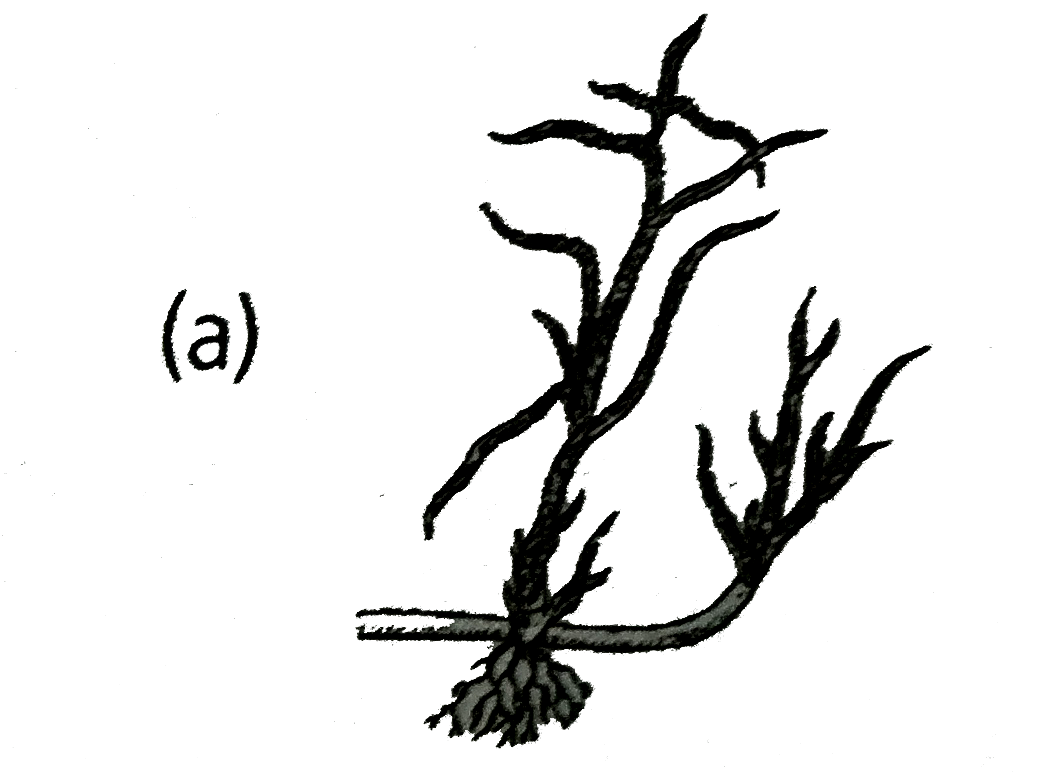
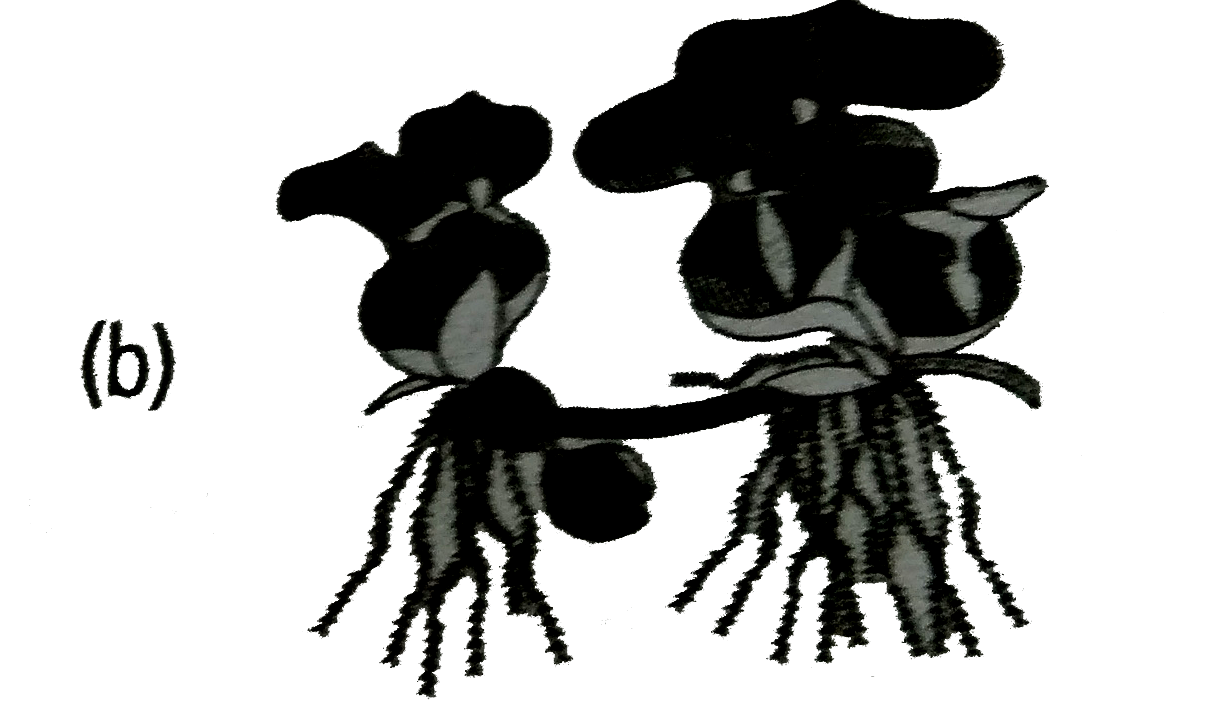
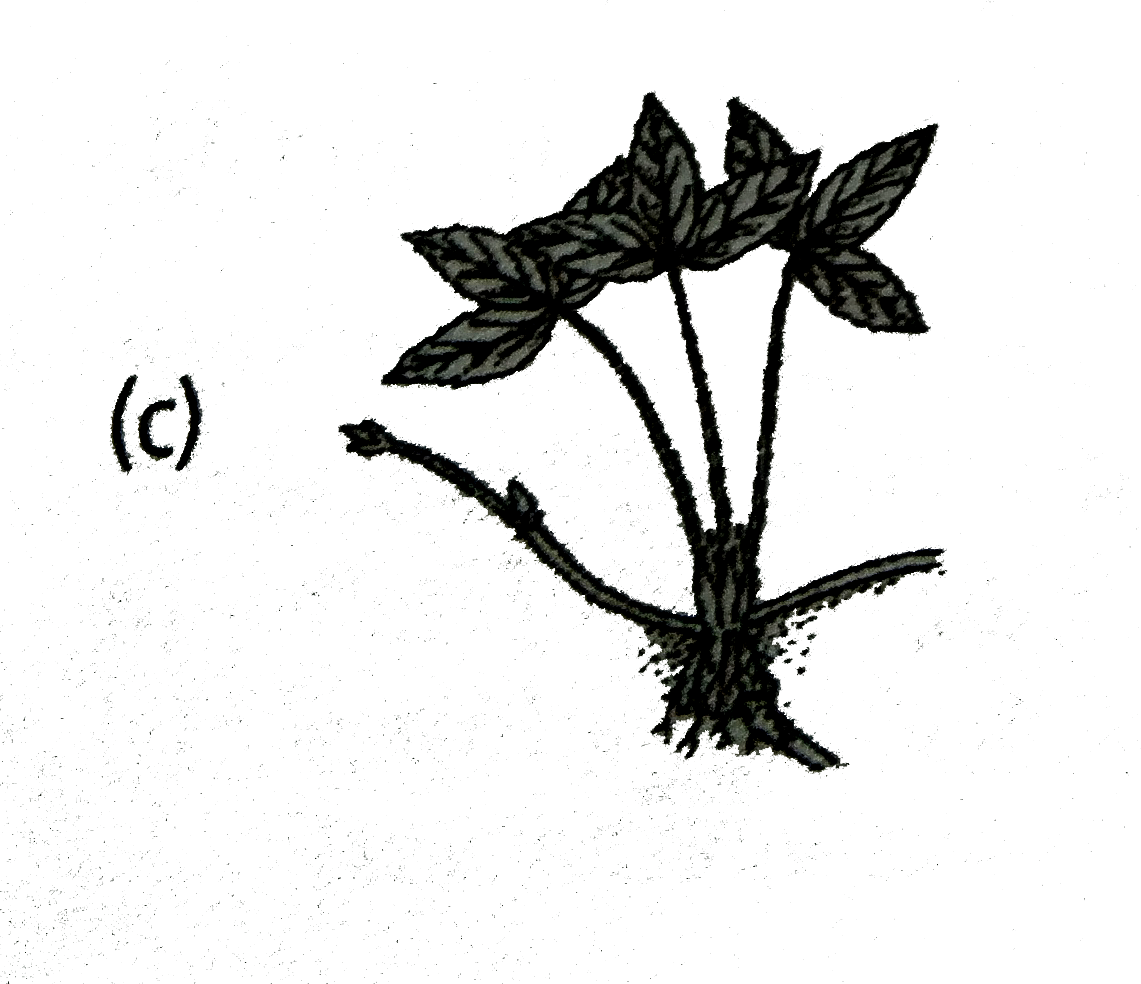
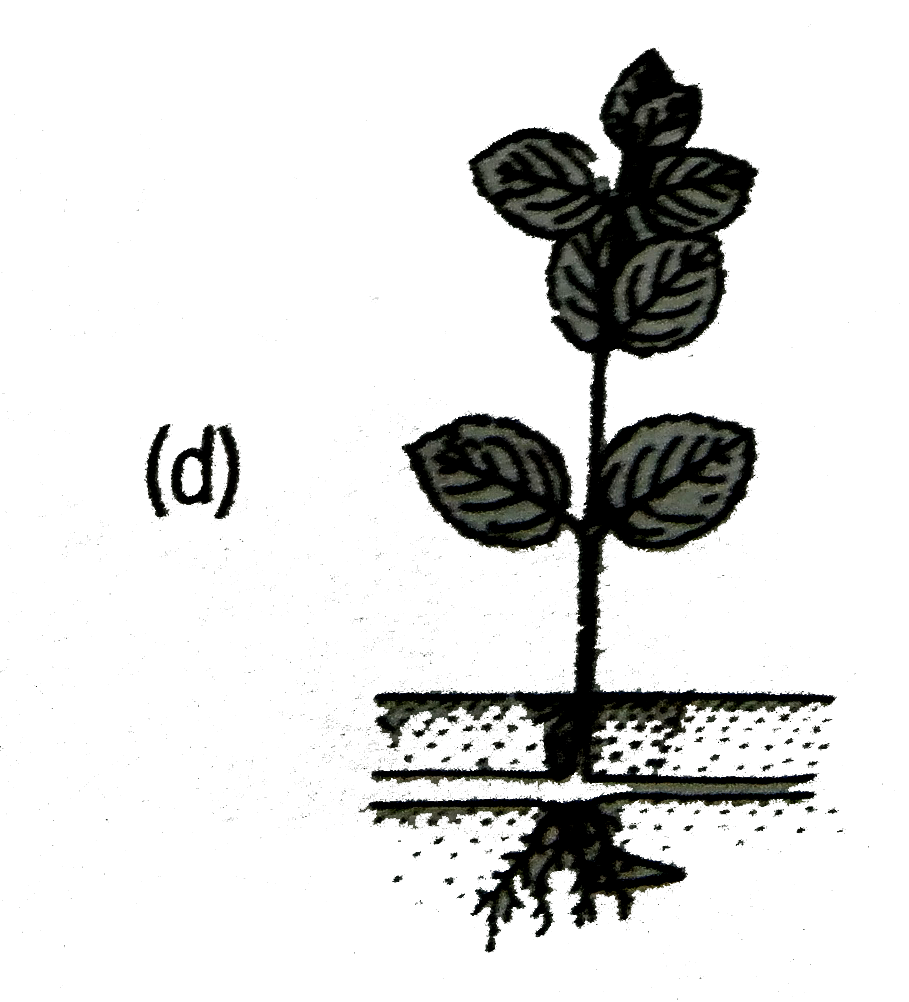
This plant was introduced in India because of its beautiful flowers and shape of leaves but it became a notorious weed in Indain water bodies. Identify this plant.

A

B

C

D

Text Solution

AI Generated Solution

The correct Answer is:

### Step-by-Step Solution: 1. **Introduction of the Plant**: The plant in question was introduced to India due to its aesthetic appeal, specifically its beautiful flowers and unique leaf shape. 2. **Identification of the Plant**: The plant is known as **Eichhornia**, commonly referred to as **water hyacinth**. 3. **Historical Context**: The introduction of Eichhornia to India is attributed to Lady Hastings, the wife of the first Governor General of India. She brought this plant as a gift because of its attractive purple flowers. 4. **Reproductive Characteristics**: Eichhornia reproduces vegetatively through a process called **offsets**. This means that it can produce new plants from lateral roots that grow horizontally, leading to rapid population growth. 5. **Impact on Ecosystem**: After its introduction, Eichhornia began to reproduce at an alarming rate, quickly covering water bodies such as lakes, rivers, and ponds. This overgrowth led to significant ecological issues. 6. **Consequences of Overgrowth**: The dense coverage of water hyacinth resulted in decreased oxygen levels in the water and increased acidity, which adversely affected aquatic life, particularly fish populations. 7. **Cultural Impact**: In regions like Bengal, where fishing is a vital part of the local economy and diet, the decline in fish populations due to the presence of Eichhornia created a shortage of fish, leading to economic and food supply issues. 8. **Common Name**: Because of its detrimental effects, Eichhornia is often referred to as the **"Terror of Bengal"** and is recognized as a notorious weed in Indian water bodies.

### Step-by-Step Solution: 1. **Introduction of the Plant**: The plant in question was introduced to India due to its aesthetic appeal, specifically its beautiful flowers and unique leaf shape. 2. **Identification of the Plant**: The plant is known as **Eichhornia**, commonly referred to as **water hyacinth**. 3. **Historical Context**: The introduction of Eichhornia to India is attributed to Lady Hastings, the wife of the first Governor General of India. She brought this plant as a gift because of its attractive purple flowers. ...
Promotional Banner

Topper's Solved these Questions

  • PRINCIPLES OF INHERITANCE & VARIATION

    NCERT FINGERTIPS ENGLISH|Exercise Principles Of Inheritance & Variation|167 Videos
  • REPRODUCTIVE HEALTH

    NCERT FINGERTIPS ENGLISH|Exercise Reproductive Health|133 Videos

Similar Questions

Explore conceptually related problems

American water plant that has become a troublesome water weed in India is

The alga Chara is called stonewort because its plant body is encrusted with

Give the percentage of endemic flowering plants, fresh water fish, and mammals found in India.

A student observed four plants (a, b, c, d,). The number of stamens in a equal to those of b. Flower c has ten stamens in but its bundle possesses three times the stamens of inner whorl of a. In d the number of stamens is equal to those present in inner whorl of b. Identify the flower. (1) Brassica,Tephrosia, Allium, Ocimum (2) Tephrosia, Ocimum,Brassica, Allium (3) Taphrosia, Allium, Ocimum, Brassica (4) Allium, Brassica, Tephrosia, Ocimum

The exotic species, which when introduced in India became notorious weed, is (a) Lantana camara (b) Eicchornia crassipes (c) Parthenium hysterophorus (d) all of these

A plant shows thallus level of organization. It shows rhizoids and is haploid. It needs water to complete its life cycle because the male gametes are motile. Identify the group to which it belongs to

A plant shows thallus level of organization. It shows rhizoids and is haploid. It needs water to complete its life cycle because the male gametes are motile. Identify the group to which it belongs to

Which of the following terms describes forcing of water out of the plant at the edges of its leaves ?

NCERT FINGERTIPS ENGLISH-REPRODUCTION IN ORGANISM-All Questions
  1. Study the following figures and select the correct statements regardin...

    Text Solution

    |

  2. Which of the following is not used for vegetative propagation ?

    Text Solution

    |

  3. This plant was introduced in India because of its beautiful flowers an...

    Text Solution

    |

  4. Read the following statements about 'Terror of Bengal' and select the ...

    Text Solution

    |

  5. Match column I with column II and select the correct option from the c...

    Text Solution

    |

  6. Read the following statements and select the correct option, Stateme...

    Text Solution

    |

  7. Which of the following options shows two plants in which new plantlets...

    Text Solution

    |

  8. Refer to the given figure and identify X in it.

    Text Solution

    |

  9. Fleshy buds produced in the axil of leaves, which grow to form new pla...

    Text Solution

    |

  10. In which of the following plants, vegetative propagation occurs by adv...

    Text Solution

    |

  11. In which one pair, both the plants can be vegetatively propagated by l...

    Text Solution

    |

  12. Read the following statements and select the correct ones. (i) Conid...

    Text Solution

    |

  13. Identify the given vegetative propagule.

    Text Solution

    |

  14. If a leaf cell of Agave has x chromosomes then what will be the number...

    Text Solution

    |

  15. Refer to the given figure and identify X, Y and Z in it.

    Text Solution

    |

  16. Select the mismatched pair of organism and its mode of multiplication.

    Text Solution

    |

  17. Which of the following cannot serve as a vegetative propagule ?

    Text Solution

    |

  18. It is a common method of vegetative propagation in which 20-30 cm long...

    Text Solution

    |

  19. Which of the following options correctly identifies artificial and nat...

    Text Solution

    |

  20. Match the organisms given in column I with their mode of reproduction ...

    Text Solution

    |
