Home
Class 12
PHYSICS
A charge +q is placed at the origin O of...

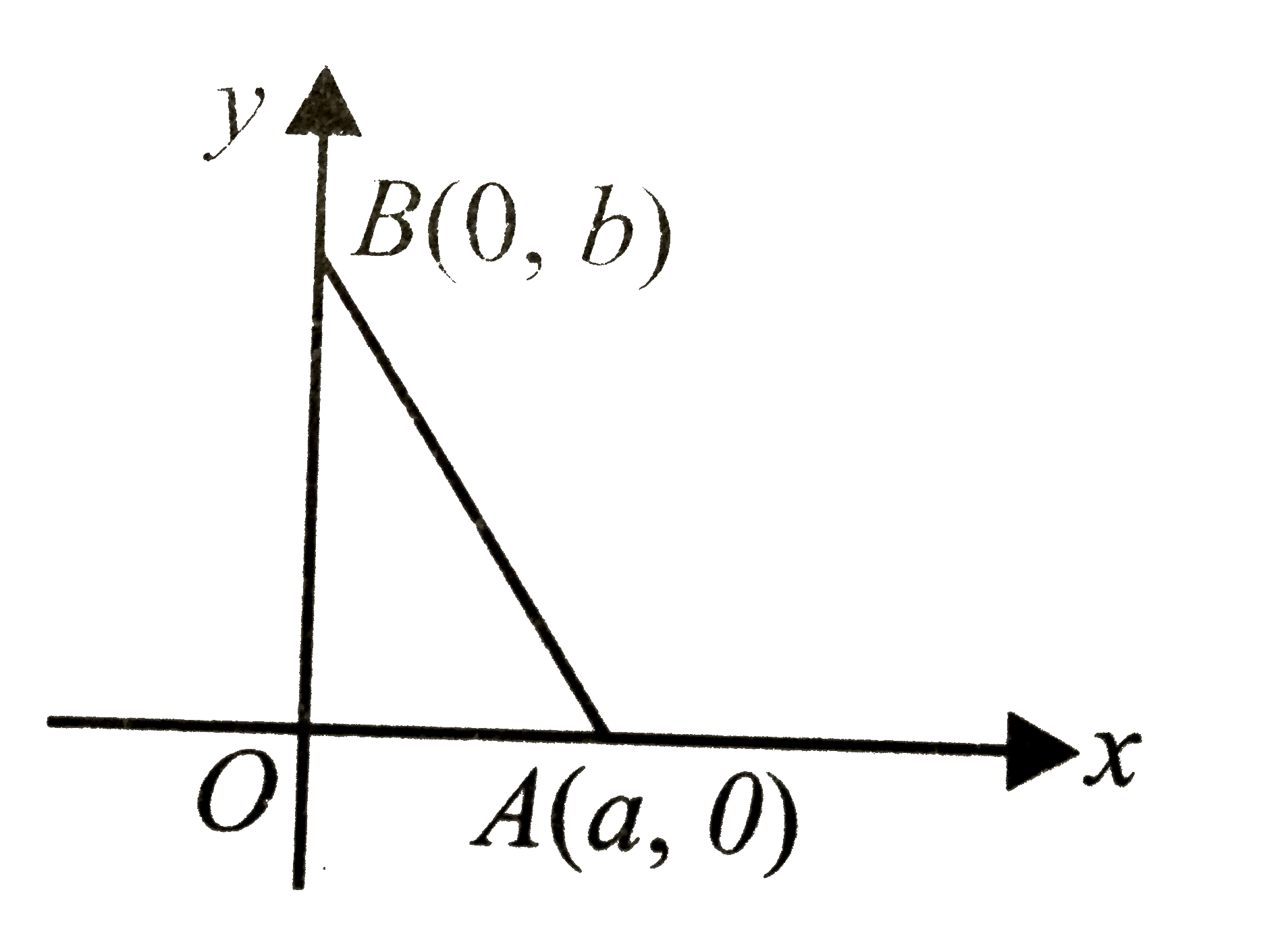
A charge +q is placed at the origin O of x-y axes as shoen in the figure. The work done in taking a charge Q from A to B along the straight line AB is

A

zero

B

`((-qQ)/(4pi epsilon_(0))(1)/(a^(2))) sqrt(2)a`

C

`((qQ)/(4pi epsilon_(0))(1)/(a^(2))) (a)/(sqrt(2))`

D

`((qQ)/(4pi epsilon_(0))(1)/(a^(2))) sqrt(2)a`

Text Solution

Verified by Experts

The correct Answer is:

A
Promotional Banner

Similar Questions

Explore conceptually related problems

As per this diagram a point charge +q is placed at the origin O . Work done in taking another point charge -Q from the point A(0, a) to another point B(a, 0) along the staight path AB is:

As per this diagram a point charge +q is placed at the origin O . Work done in taking another point charge -Q from the point A(0, a) to another point B(a, 0) along the staight path AB is:

A point charge +q is placed at origin O . The work done in taking another point charge -q from the point A to point B along the circular arc as shown in the figure is .

In the given figure, charge +Q is placed at the centre of a circle. Work done in taking another charge +g from A to B is W_1 and from B to C is W_2. What is the relation between W_1= W_2 .

Charges +q and -q are located at the corners of a cube of side as show in the figure. Find the work done to separate the charges to infinite distance

A point charge q is placed at the origin . How does the electric field due to the charge very with distance r from the origin ?

A charge Q is placed at the centre of the line joining two point charges +q and +q as shown in figure. The ratio of charges Q and q is

Four equal charges Q are placed at the four corners of a square of each side is 'a'. Work done in removing a charge -Q from its centre to infinity is

a. A circle is drawn with center as a charge +q. What is the work done in moving a charge +q from B to C along the circumferebce of the circle ? B In the above question, if the charge +q is first taken from B to A and then from A to C, on which path is the magnitude of work greater?

An infinite line of charge lamda per unit length is placed along the y-axis. The work done in moving a charge q from A(a,0) to B (2a,0) is
