Home
Class 11
BIOLOGY
Man and mouse cells are treated with red...

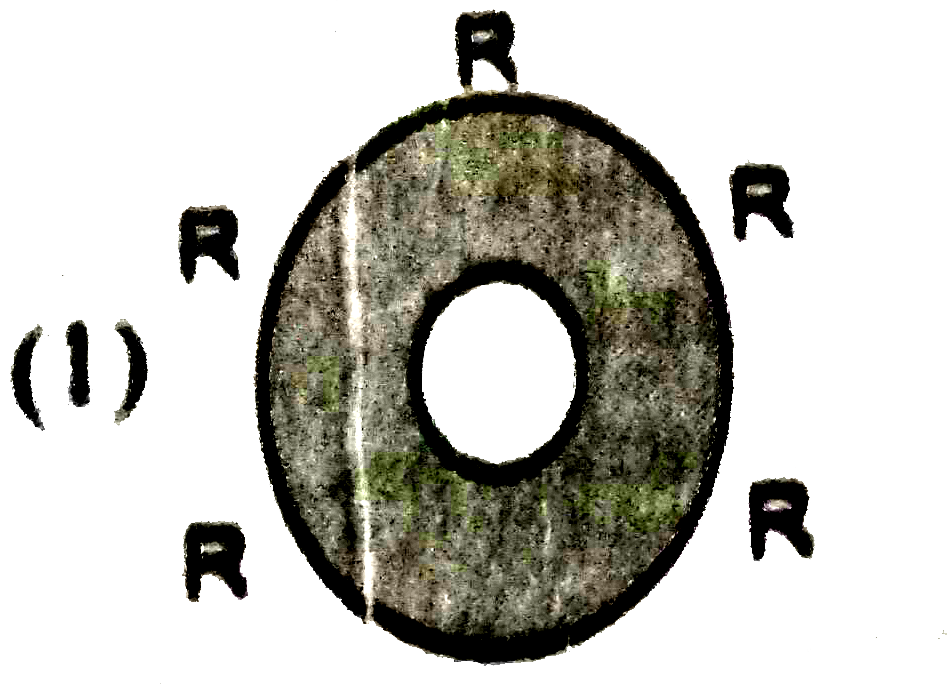
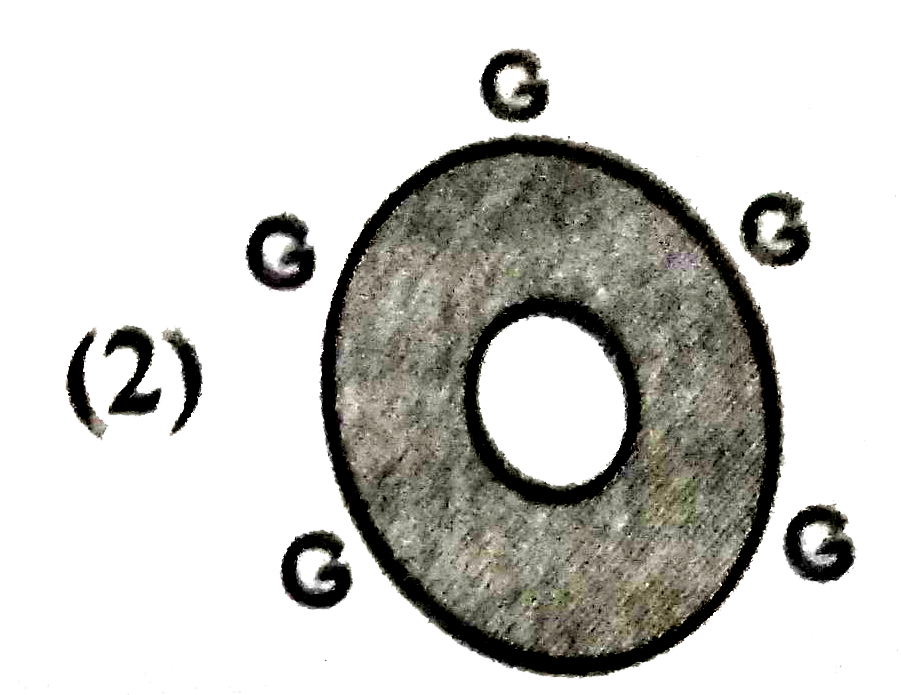
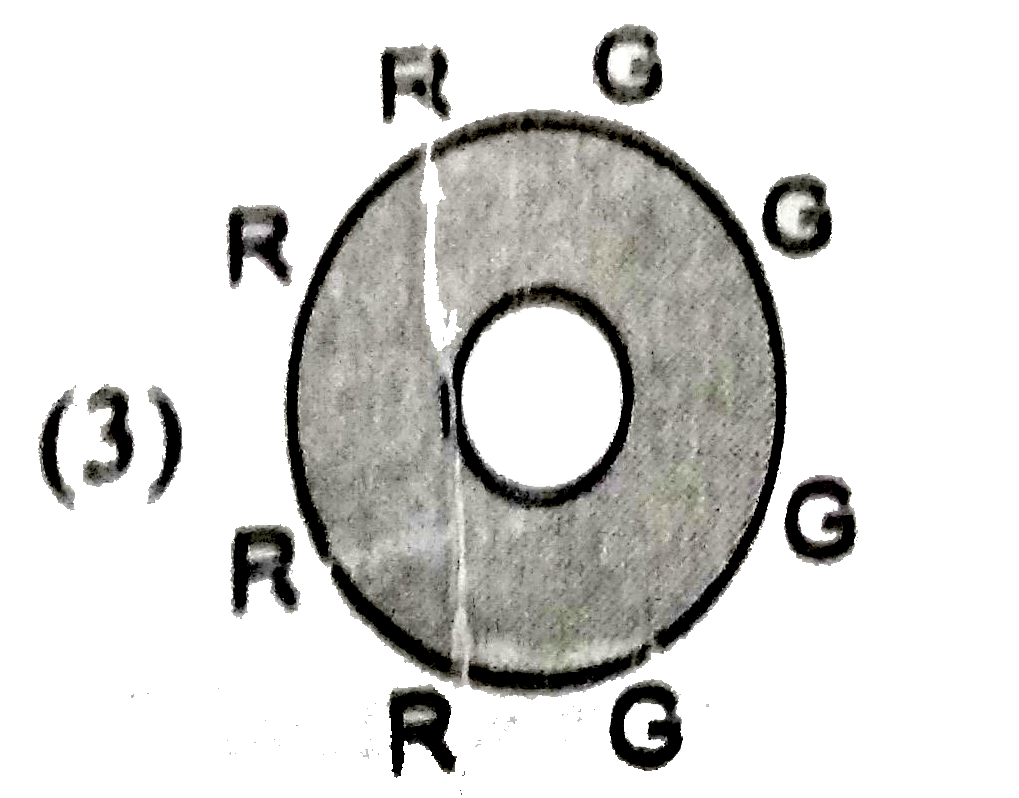
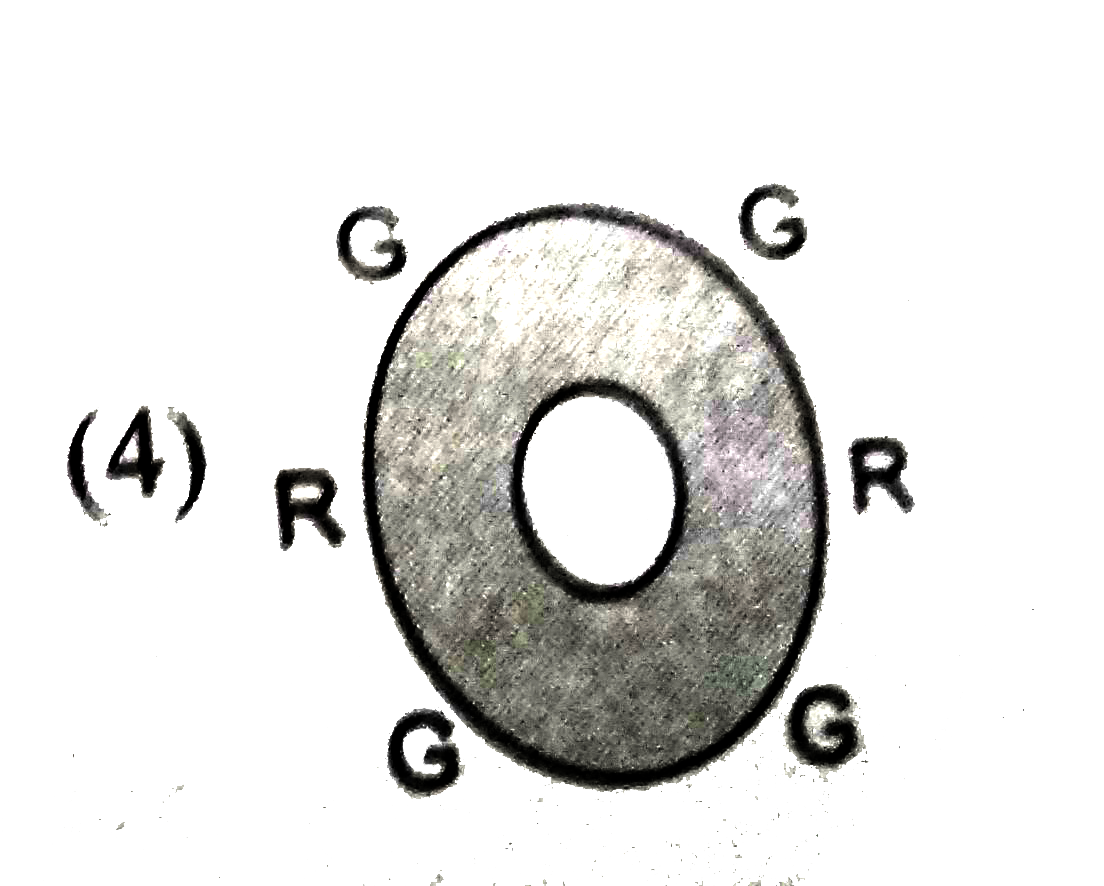
Man and mouse cells are treated with red and green fluorescent dyes separately and are made to fuse. The resultant cell ls when kept at `37^(@)C`, the distribution of dye on the surface of cell will be

A

B

C

D

Text Solution

AI Generated Solution

The correct Answer is:

To solve the question regarding the distribution of fluorescent dyes on the surface of a fused cell from man and mouse cells, we can follow these steps: ### Step-by-Step Solution: 1. **Understanding the Experiment**: - Man and mouse cells are treated with red and green fluorescent dyes, respectively. After treatment, these cells are fused together. 2. **Temperature Consideration**: - The resultant fused cell is kept at 37°C, which is the physiological temperature for mammalian cells. This temperature allows for normal cellular functions, including the movement of proteins within the cell membrane. 3. **Fluorescence Recovery After Photobleaching (FRAP)**: - The technique used to analyze the distribution of the dyes is called FRAP. In this technique, the fluorescent dyes are bleached using a laser, and the recovery of fluorescence is observed over time. This helps in studying the mobility of the membrane proteins. 4. **Initial Distribution of Dyes**: - Right after fusion, the red and green dyes would initially be segregated, with red on one side (man cells) and green on the other (mouse cells). 5. **Diffusion of Dyes**: - After the fusion and exposure to 37°C, the proteins (and thus the dyes) will start to diffuse laterally within the membrane. This diffusion is due to the fluid mosaic model of the cell membrane, where proteins can move freely within the lipid bilayer. 6. **Expected Pattern of Distribution**: - As the dyes diffuse, they will mix together. The expected pattern after sufficient time would be an alternating arrangement of red and green dyes due to their lateral diffusion. This would result in a pattern like red-green-red-green on the surface of the cell. 7. **Choosing the Correct Answer**: - Based on the above understanding, the correct answer would be the one that depicts this alternating pattern of red and green fluorescence. ### Conclusion: The distribution of the dye on the surface of the fused cell at 37°C will be in an alternating pattern of red and green (red-green-red-green). Therefore, the correct answer is option D. ---
Promotional Banner

Topper's Solved these Questions

  • CELL: STRUCTURE AND FUNCTIONS

    CENGAGE BIOLOGY ENGLISH|Exercise ARCHIVES|50 Videos
  • CELL CYCLE AND CELL DIVISION

    CENGAGE BIOLOGY ENGLISH|Exercise ARCHIVES (Chose the corrct option):|21 Videos
  • CHEMICAL COORDINATION AND INTEGRATION

    CENGAGE BIOLOGY ENGLISH|Exercise ARCHIVES|26 Videos

Similar Questions

Explore conceptually related problems

Cell organelle getting stained with redox dye Janus Green is

A scientist was studying the production of a protein that was released by an animal cell into a culture medium, she found that the protein only appeared in the culture medium after the added a few drops of a hormone to the cell. Before adding the hormone, she labelled the protein inside the cell with a fluorescent dye and looked at the cell under the lgiht microscope. The dye was seen in flattened sheets and tube. like structures throughout the cell, and in stacks of flattened sac-like structures. after adding the hormone, the dye was aslo seen as small dots clustered against the cell membrane, Which statement most likely explains these observations?

Which statement (s) is/are not true for the five-kingdom classification proposed by R.H. Whittaker (1969)? (a) The main criteria for classification include cell structure, thallus organization, mode of nutrition, reproductions, and phylogenetic relationship. (b) All prokaryotic organisms such as bacteria, blue-green algae, and ferns are grouped together under kingdom monera. (c) Chlamydomonas, chlorella, and spirogyra are placed in Algae within plants due to the presence of the cell wall. (d) Fungi are placed in a separate kingdom: Kingdom fungi. (e) Paramecium and Amoeba are placed in the animal kingdom due to lack of cell wall.

Human eye contains cone cells which respond to red green and blue light. When all of these cones Are stimulated equally then a sensation of ___ light is produced Select the option which fills the blank correctly.

A red blood corpuscle (RBC) was kept in a solution and treated so that it became inside-out. What will be the polarity of the phospholipid bilayer in this cell ?

In brief state what happens when (a) Dry apricots are left for sometime in pure water and later transferred to sugar solution? (b) A red blood cell is kept in concentrated saline solution? (c) The plasma-membrane of a cell breaks down? (d) When Rheo leaves are boiled in water first and then a drop of sugar syrup is put on it, osmosis does not occurs, due to the death of the cells of the leaf. This shown that selective permeability is property of living plasma membrane. (e) Golgi complex helps in the package, storage and transfer of proteins synthesised by ribosomes. Thus, when ribosomes are removed the cell will not function properly.

Which is false? (a) Pro-ubisch bodies when coated with sporopollenin become ubisch bodies (b) The nucleus of tapetal cell divides by mitosis and endomitosis (c) The fibrous thickening of endothecium is made of suberin (d) None of the above

A solution may contain any of the following ions: Fe^(2+),Ni^(2+), Cr^(3+),Zn^(2+),Mn^(2+) Based on the experiment and result therein , which of the ions would be present? Indicate any wrong infornation if any….. a. The original solution is treated with with (NH_(4)),S (a subestitate is obtain b. The ppt for (a) dissolves in regain c. The fitrate after sepration ppt in (a) is treated with NaOH and H_(2)O_(2) A dark ppt , is separate filtrate is colourless. e. The solution from (d) is turned with aq NH_(3) A dark ppt forms f. The ppt from (e) is solution in HCI (aq) and solution develops an latense red colour when treated with SCN^(Theta) (aq)

CENGAGE BIOLOGY ENGLISH-CELL: STRUCTURE AND FUNCTIONS-ARCHIVES
  1. Man and mouse cells are treated with red and green fluorescent dyes se...

    Text Solution

    |

  2. Which one of the following is not a part of cell membrane ?

    Text Solution

    |

  3. Select the wrong statement from the following

    Text Solution

    |

  4. Vacuole in a plant cell

    Text Solution

    |

  5. The two sub- units of ribosomes remain united at a critical ion...

    Text Solution

    |

  6. Cellulose is the major component of cell walls of

    Text Solution

    |

  7. Polysome is formed by

    Text Solution

    |

  8. Keeping in view the fluid mosaic model for the structure of cel...

    Text Solution

    |

  9. Middle lamella mainly contains

    Text Solution

    |

  10. Stroma in the chlorplasts of higher plant contains

    Text Solution

    |

  11. Cytoskeleton is made up of

    Text Solution

    |

  12. Plasmodesmata are

    Text Solution

    |

  13. The plasma membrane consists mainly of

    Text Solution

    |

  14. The main arena of various types of activities of a cell is

    Text Solution

    |

  15. Which one of the following has its own DNA ?

    Text Solution

    |

  16. which one of the following structures between two adjacent cells is an...

    Text Solution

    |

  17. Identify the components labelled A, B, C and D in the diagram ...

    Text Solution

    |

  18. An elaborate network of filamentous proteinaceous structures present i...

    Text Solution

    |

  19. What are those structures that appear as 'beads'-on-string' in the chr...

    Text Solution

    |

  20. Peptide synthesis inside a cell takes place in

    Text Solution

    |

  21. Important site for formation of glycoproteins and glycolipids is

    Text Solution

    |
