Home
Class 11
PHYSICS
A ball is dropped vertically from a heig...

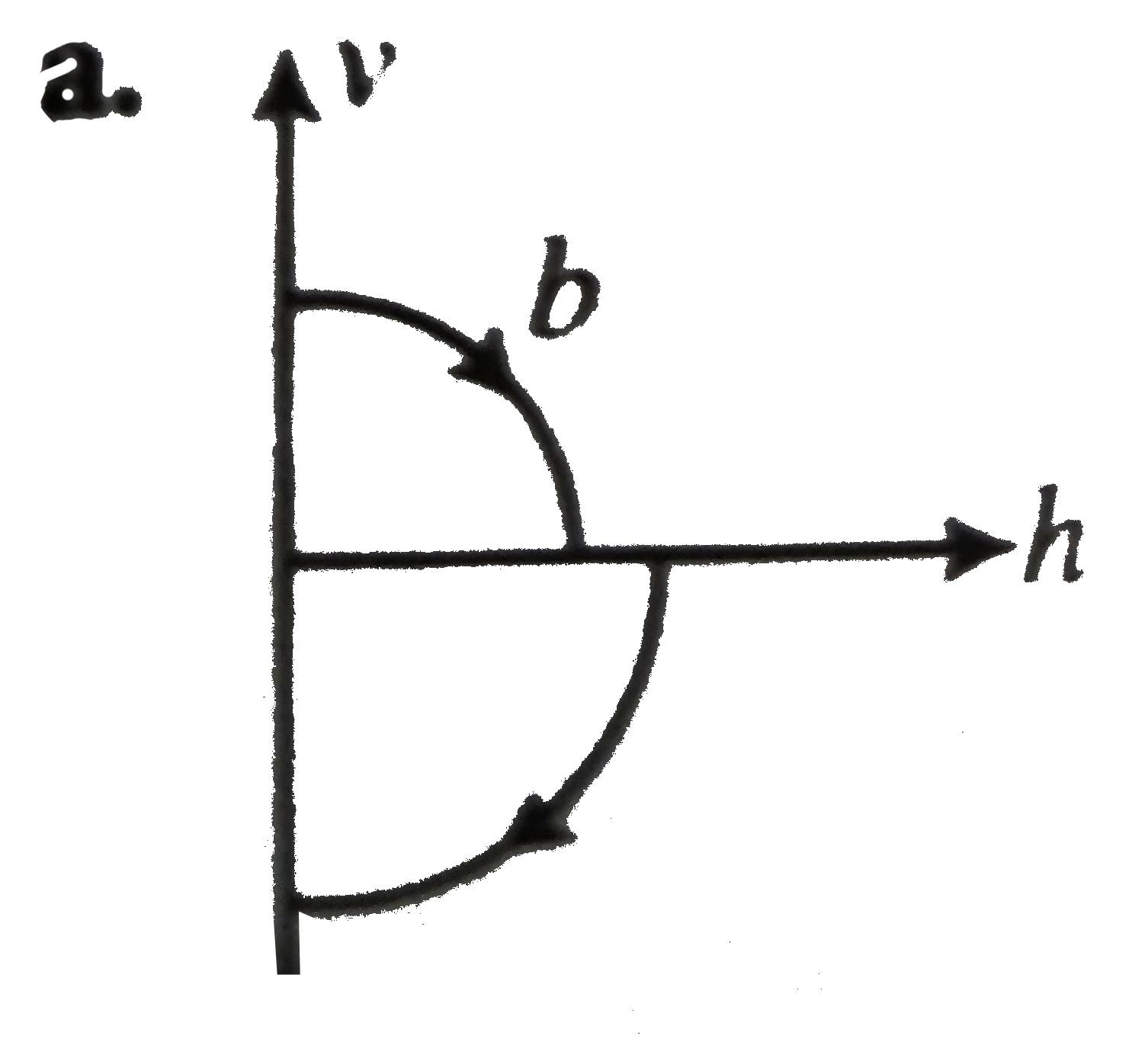
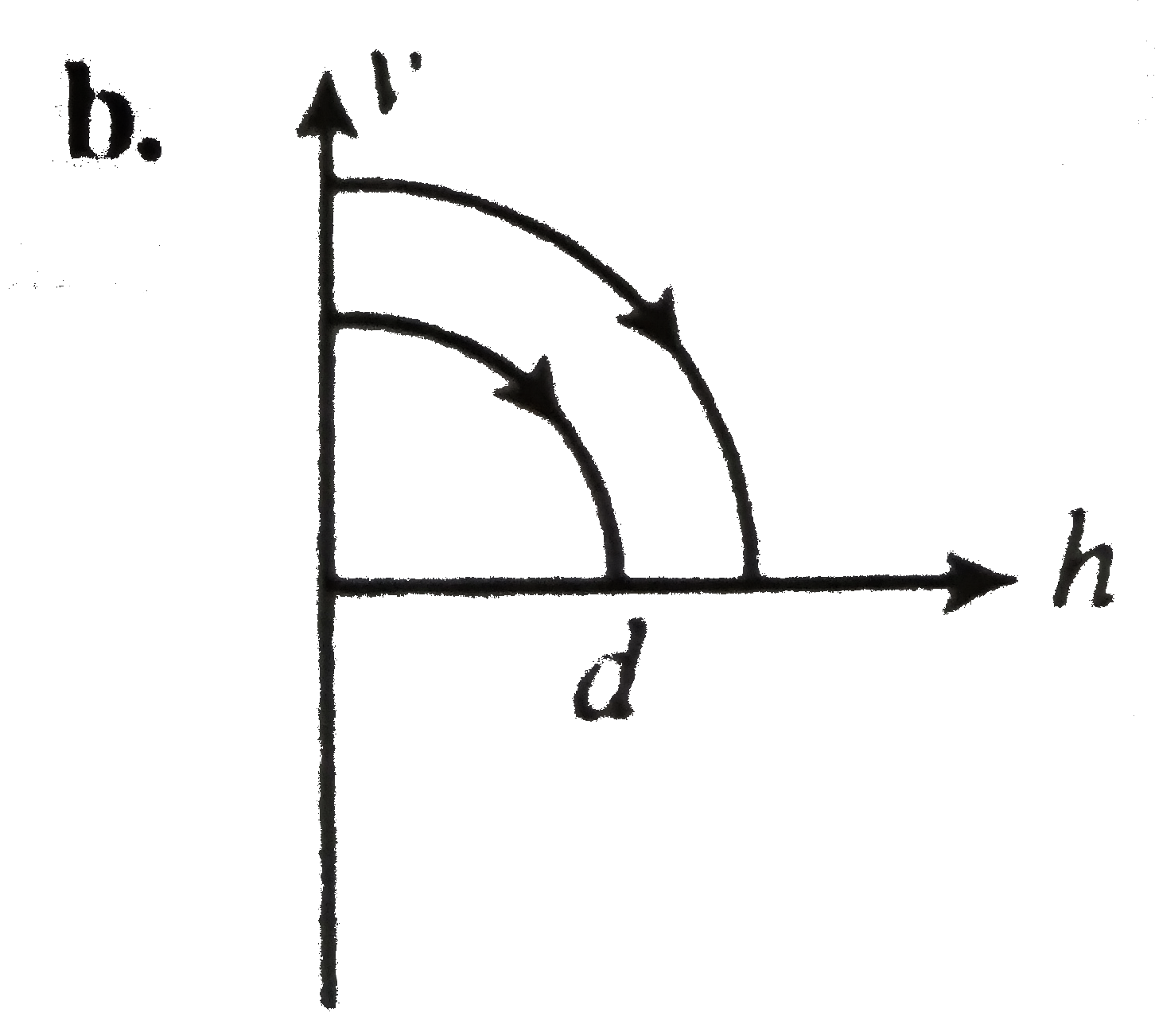
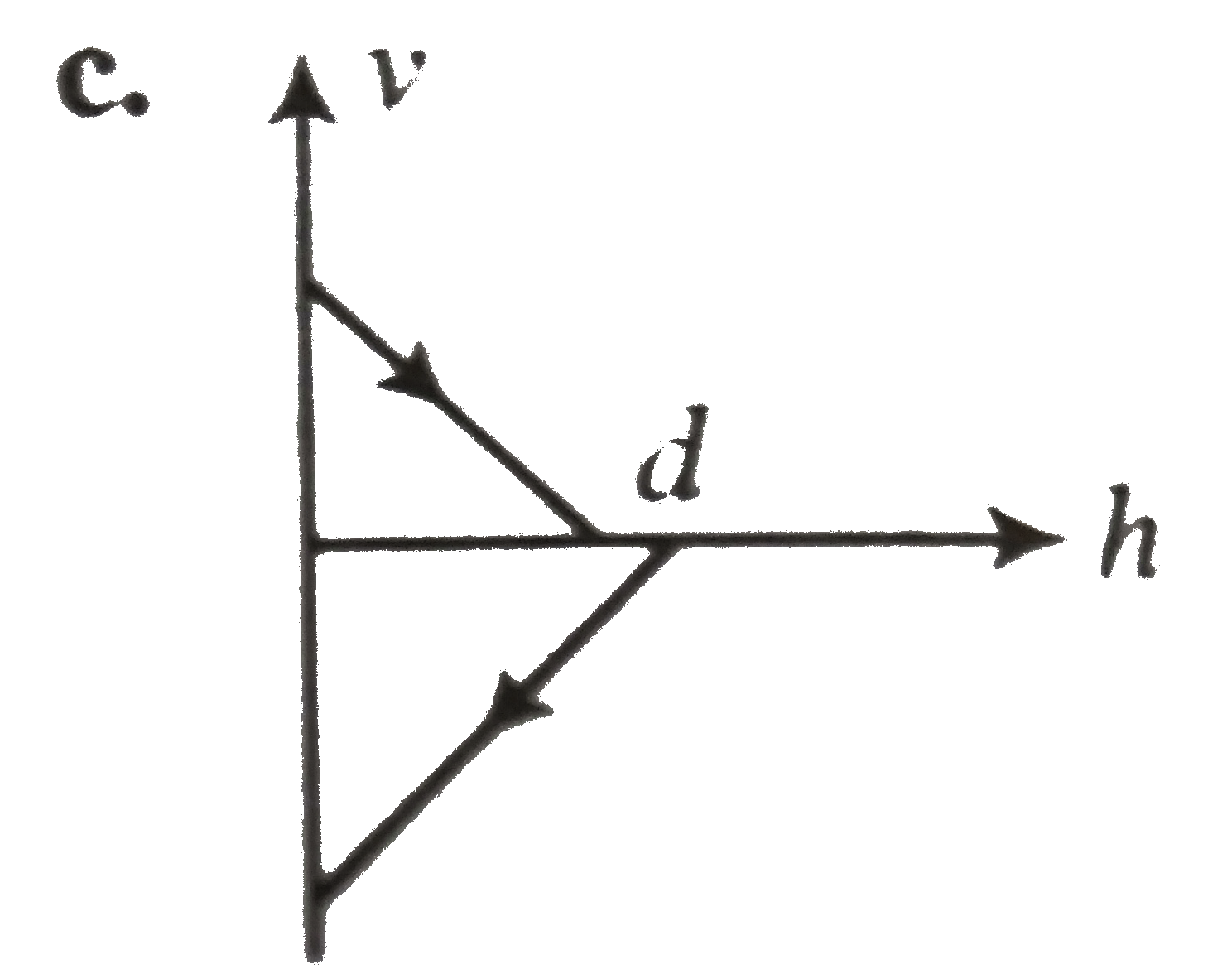
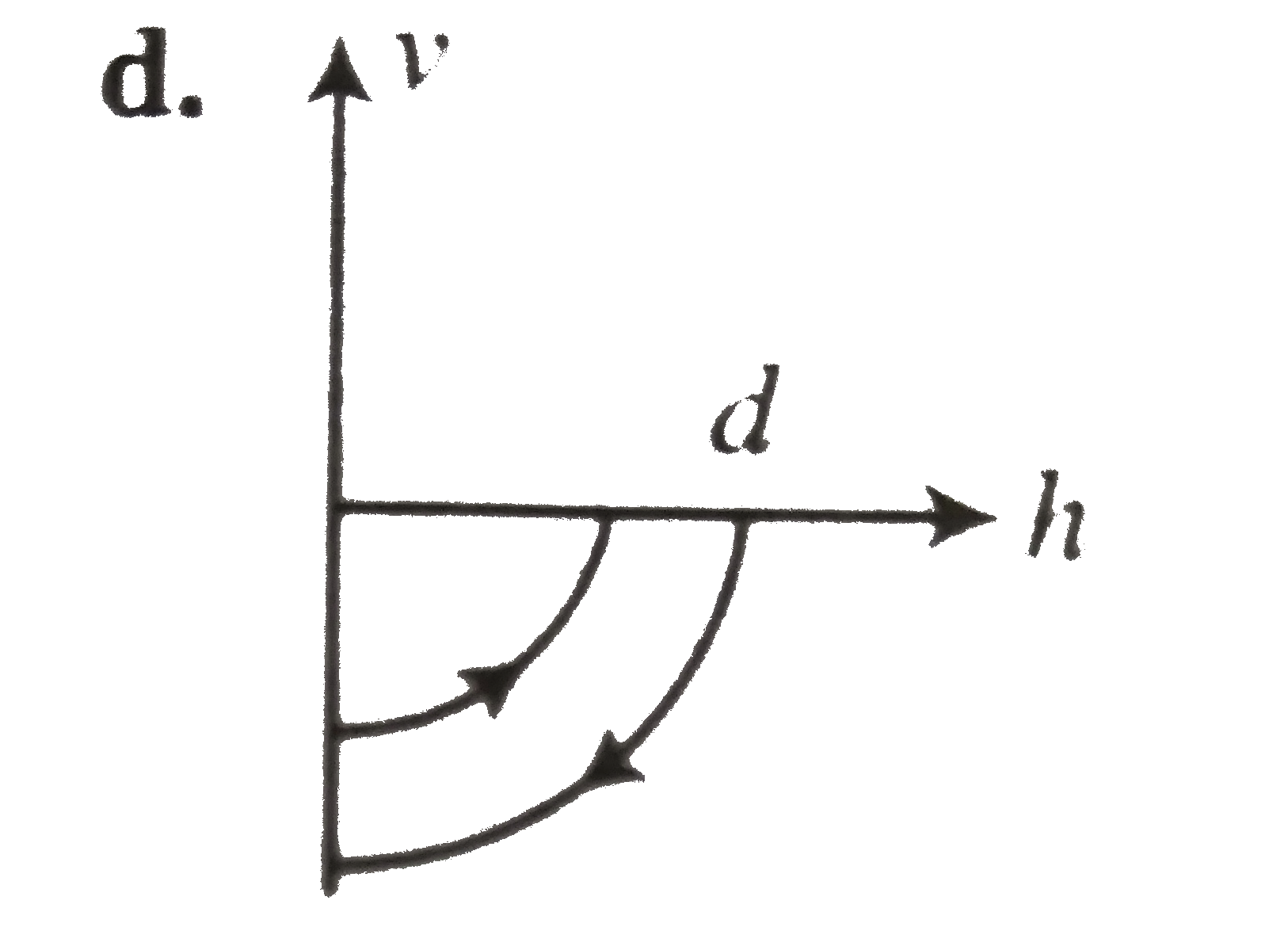
A ball is dropped vertically from a height d above the ground. It hits the ground and bounces up vertically to a height d/2. Neglecting subsequent motion and air resistance, its velocity v varies with the heiht h above the ground as

A

B

C

D

Text Solution

Verified by Experts

The correct Answer is:

A

a. Before hitting the ground, the velocity v is given by `v^2 = 2gd` (quadratic equation and hence
parabolic path)
Downward direction means negative velocity. After collision,
the direction become positive and velocity decreases.
Further, `v^2 = 2g xx (d/2) = gd, (v/v') = sqrt(2) or v = v'sqrt(2)`
As the direction is reversed and speed is decreased and hence
graph (a) represents these conditions correctly.
Promotional Banner

Topper's Solved these Questions

  • MISCELLANEOUS KINEMATICS

    CENGAGE PHYSICS ENGLISH|Exercise Multiple Correct Answer Type|26 Videos
  • MISCELLANEOUS KINEMATICS

    CENGAGE PHYSICS ENGLISH|Exercise Linked Comprehension Type|35 Videos
  • LINEAR AND ANGULAR SIMPLE HARMONIC MOTION

    CENGAGE PHYSICS ENGLISH|Exercise Single correct anwer type|14 Videos
  • MISCELLANEOUS VOLUME 2

    CENGAGE PHYSICS ENGLISH|Exercise INTEGER_TYPE|10 Videos

Similar Questions

Explore conceptually related problems

A ball is dropped from a height h above ground. Neglect the air resistance, its velocity (v) varies with its height (y) above the ground as :-

A ball is thrown upwards with a speed u from a height h above the ground.The time taken by the ball to hit the ground is

A ball is dropped from a height of 19.6 m above the ground. It rebounds from the ground and raises itself up to the same height. Take the starting point as the origin and vertically downward as the positive X-axis. Draw approximate plots of x versus t, v versus t and a versus t. Neglect the small interval during which the ball was in contact with the ground.

A ball dropped from a height of 2 m rebounds to a height of 1.5 m after hitting the ground. Then fraction of energy lost is

An object is dropped from a height h from the ground. Every time it hits the ground it looses 50% of its kinetic energy. The total distance covered as t to oo is -

A ball P is dropped vertically and another ball Q is thrown horizontally with the same velocities from the same height and at the same time. If air resistance is neglected, then

A body is thrown vertically upward from a point A 125 m above the ground. It goes up to a maximum height of 250 m above the ground and passes through A on its downward journey. The velocity of the body when it is at a height of 70 m above the ground is (g=10 m//s^(2))

A stone A is dropped from rest from a height h above the ground.A second stone B is simultaneously thrown vertically up from a point on the ground with velocity v.The line of motion of both the stones is same .Find if the value of v which would enable the stone B to meet the stone A midway between their initial positions =

A stone is dropped from a rising balloon at a height of 76 m above the ground and reaches the ground in 6s. What was the velocity of the balloon when the stone was dropped?

A ball is dropped from a height h on the ground If the coefficient of restitution is e, the height to which the ball goes up after it rebounds for the nth time is
