Home
Class 12
CHEMISTRY
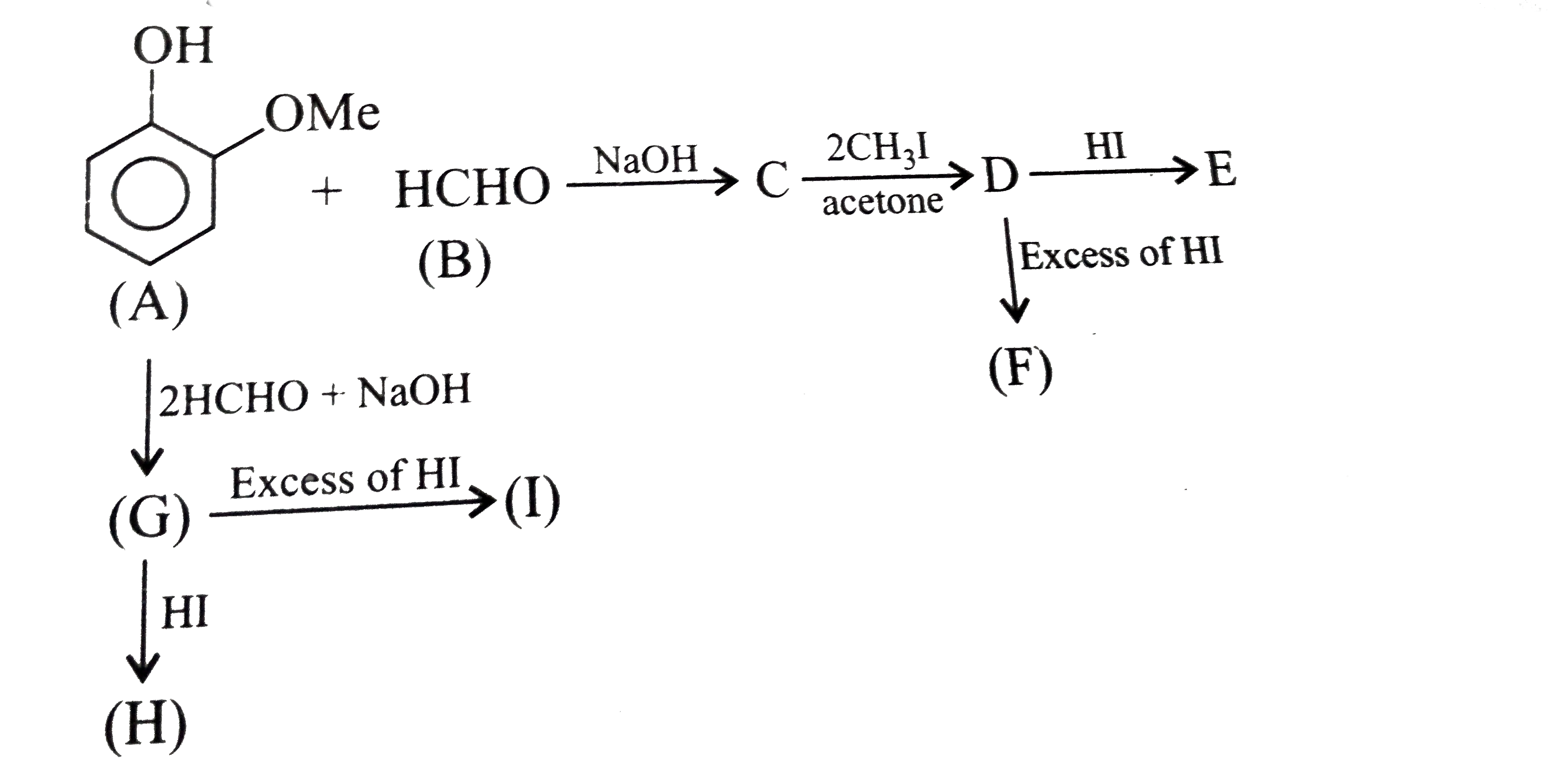
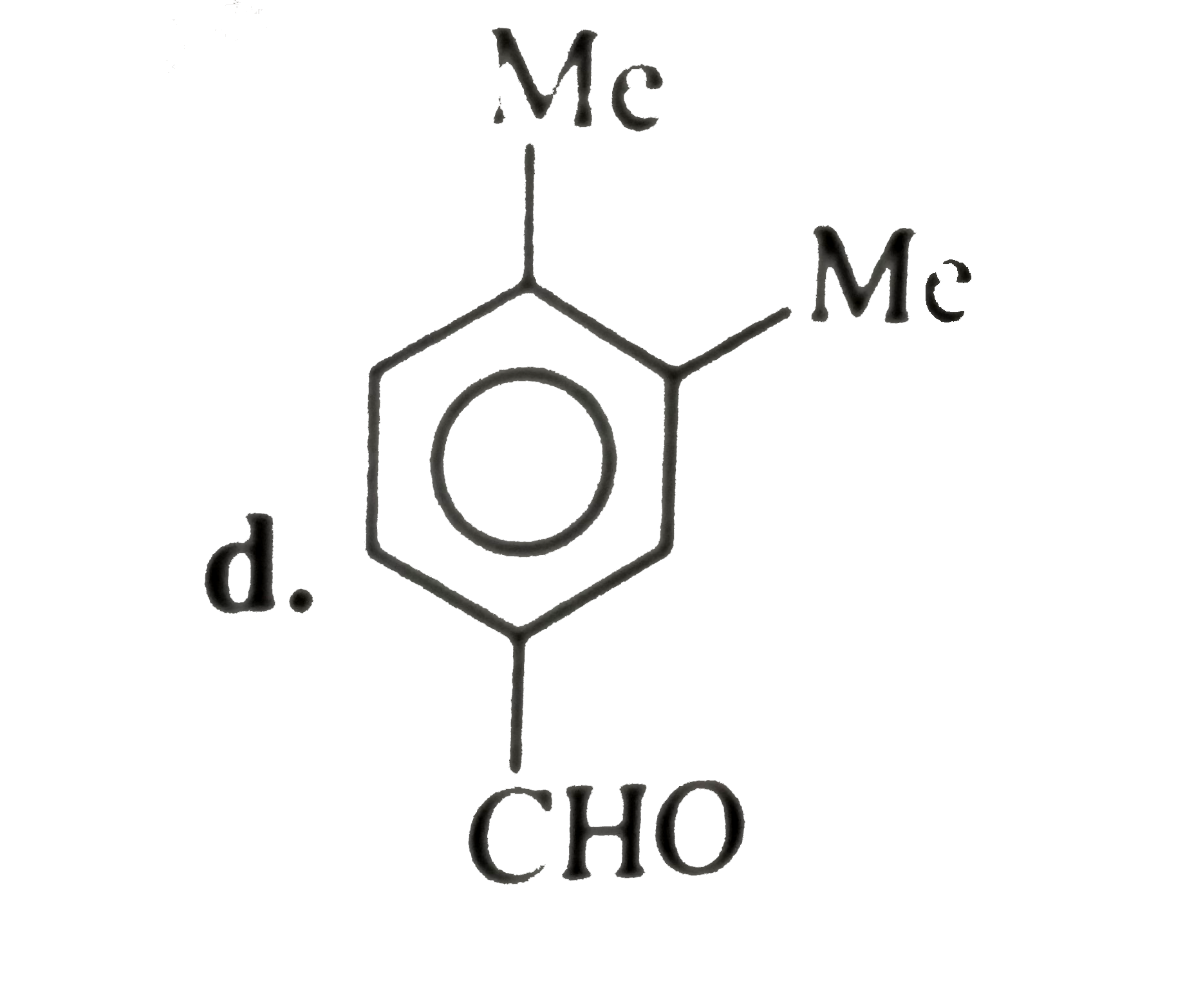
The compound (E ) is:...


The compound (E ) is:

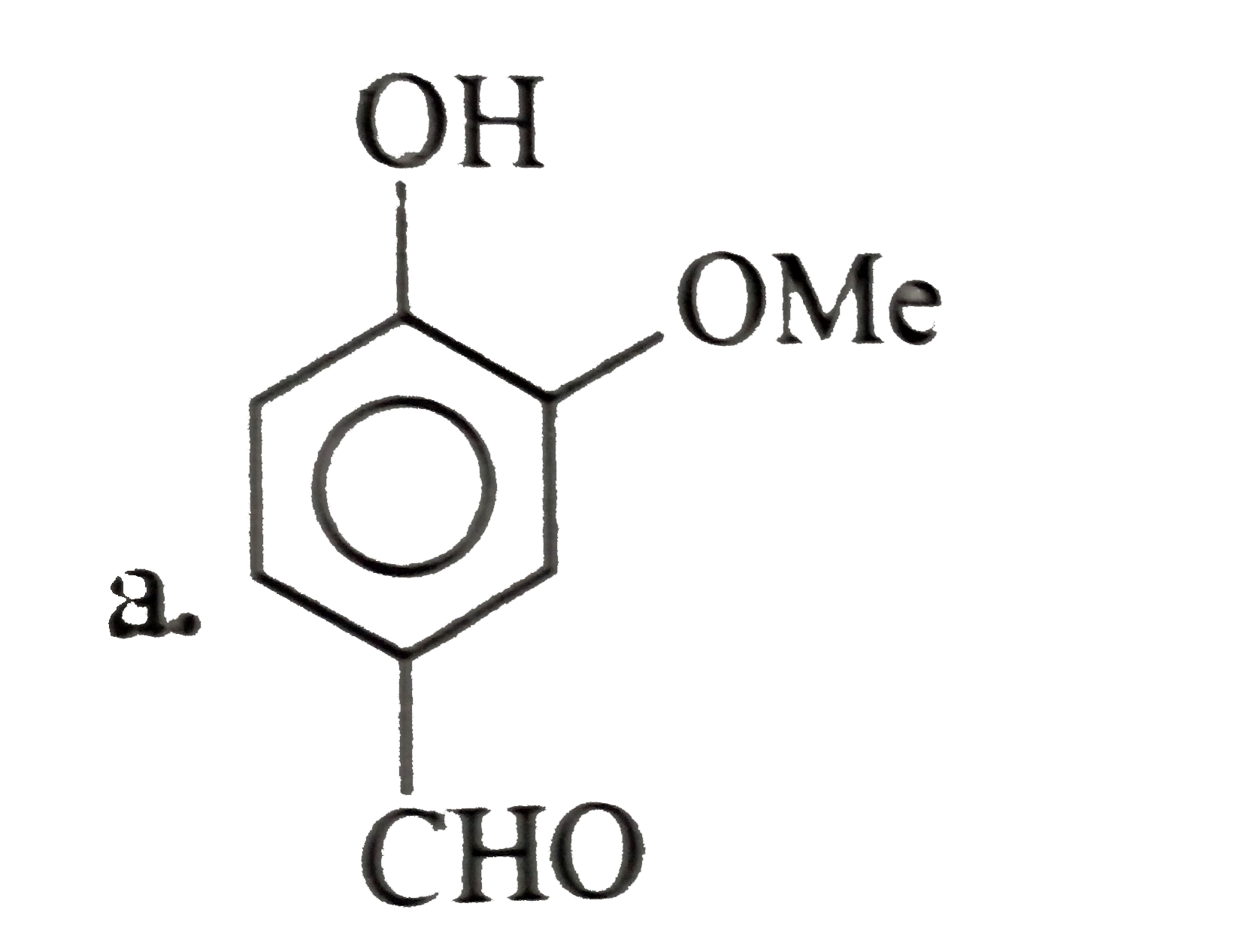
A

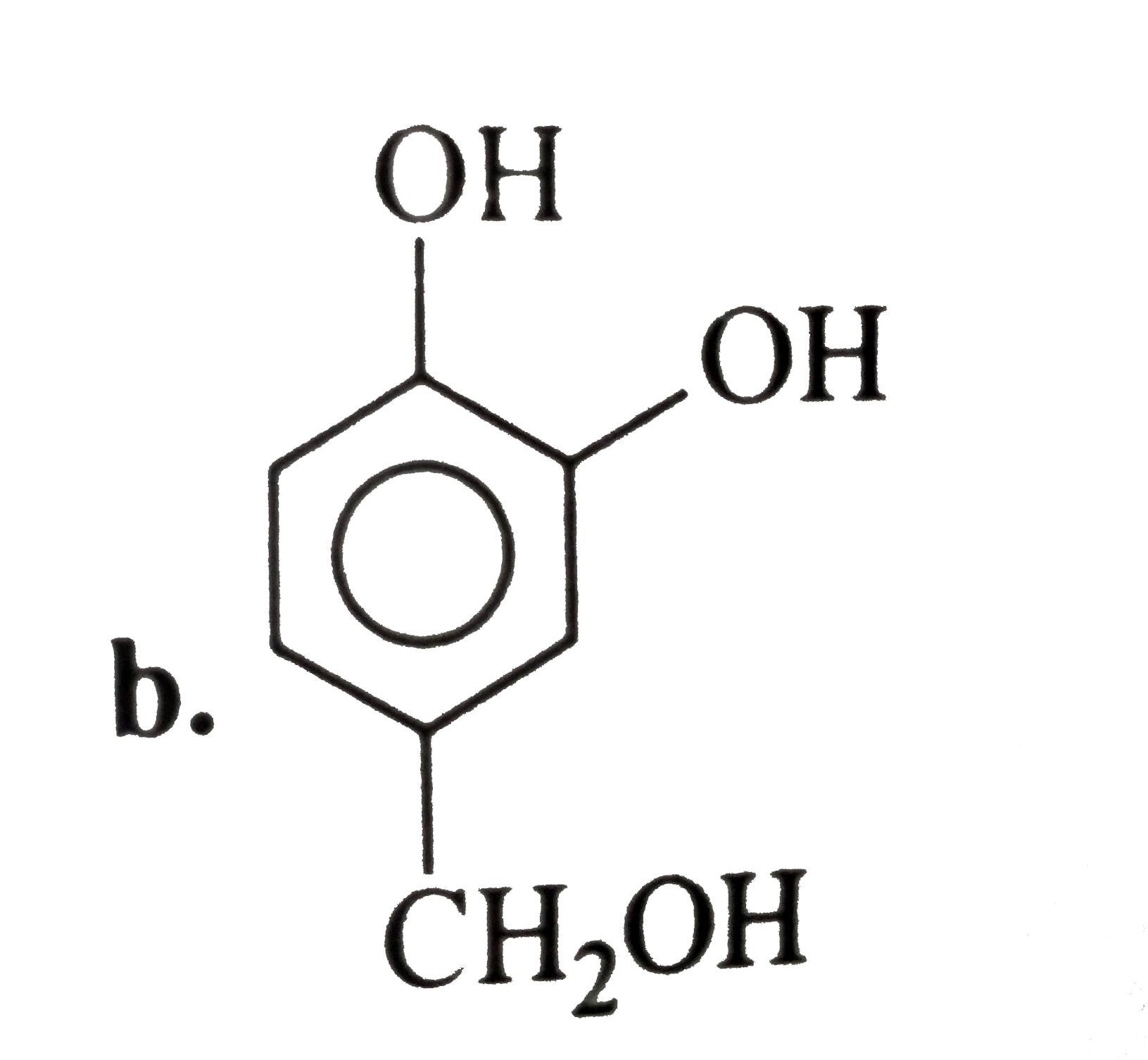
B

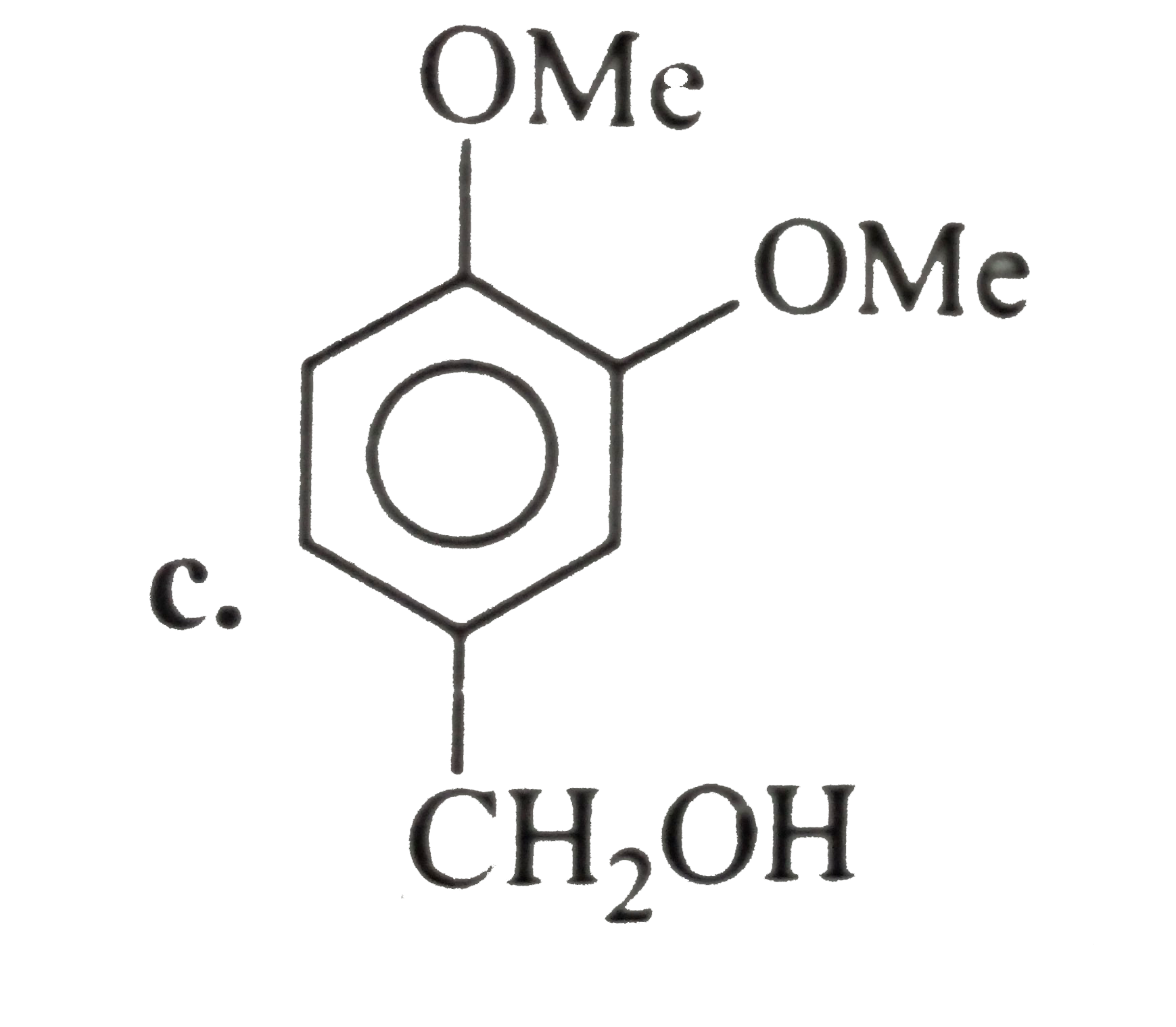
C

D

Text Solution

Verified by Experts

The correct Answer is:
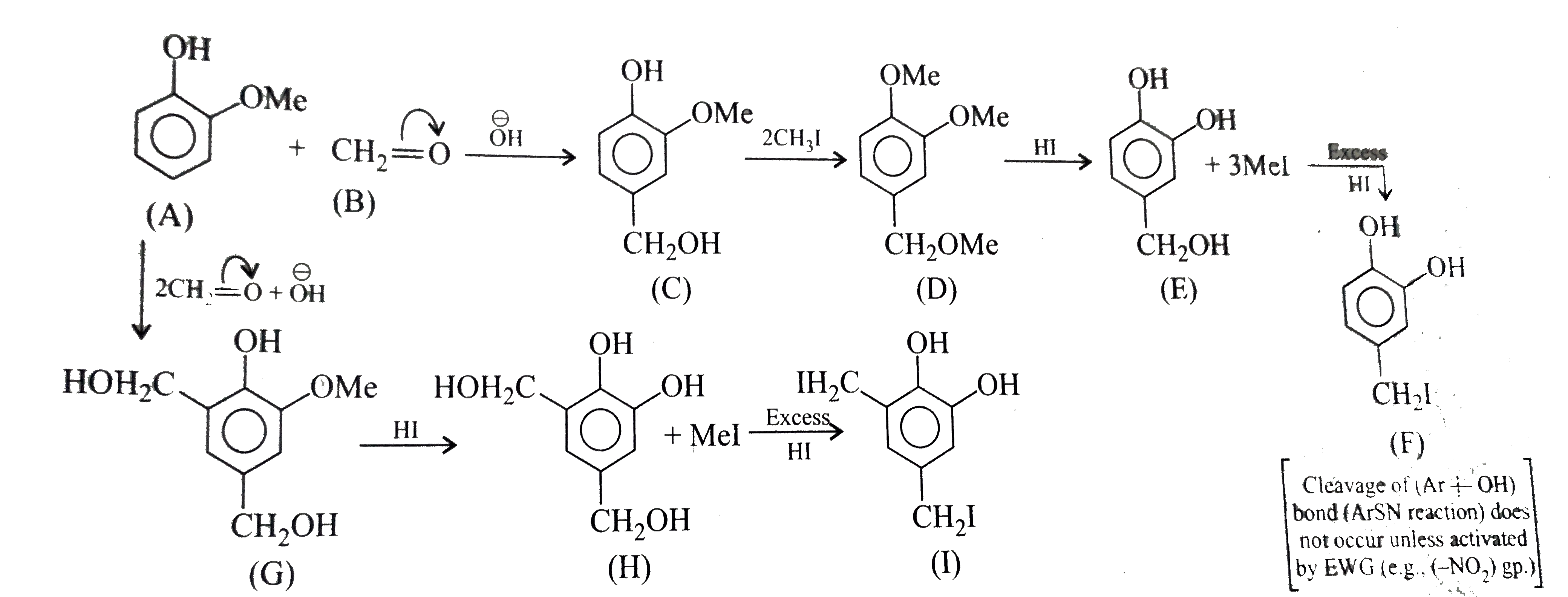
B

Promotional Banner

Topper's Solved these Questions

  • ALCOHOL,PHENOL AND ETHERS

    CENGAGE CHEMISTRY ENGLISH|Exercise Exercises Multiple Correct|24 Videos
  • ALCOHOL,PHENOL AND ETHERS

    CENGAGE CHEMISTRY ENGLISH|Exercise Exercises Single Correct|72 Videos
  • ALCOHOL,PHENOL AND ETHERS

    CENGAGE CHEMISTRY ENGLISH|Exercise Exercises Concept Application|33 Videos
  • ALIPHATIC AND AROMATIC ALDEHYDES AND KETONES

    CENGAGE CHEMISTRY ENGLISH|Exercise Archives Subjective|26 Videos

Similar Questions

Explore conceptually related problems

Identify (A) to ( E) . (a) An inorganic iodide (A) on heating with a solution of KOH gives a gas (B) and the solution of a compound ( C) . (b) The gas (B) on ignition air gives a compound (D) and water. ( C) Copper sulphate is reduced to the metal on passing (B) through the solution. (d) A precipitate of the compound ( E) is formed on reaction of ( C) with copper sulphate solution.

(i)A black coloured compound (B) is formed on passing H_(2)S through the solution of a compound (A) in NH_(4)OH (ii) (B) on treatment with HCl and potassium chlorate or aquaregia gives (A) (iii) (A) on treatment with KCN gives a buff/reddish-brown coloured precipitate which dissolves in excess of this reagent forming a compound ( C) . (iv)The compound ( C) is changed into a compound (D) when its aqueous solution is boiled in air. (v)The solution of (A) was treated with excess of NaHCO_(3) & then with bromine water. On cooling & shaking for some time, a green colour of compound (E) is formed.No change is observed on heating. Identify (A) to (E) and give chemical equations.

(A)+NaCl to (B) (white ppt.) (B)+Kito(C) (green ppt). (C)+underset(("excess"))(KI) to (D)+(E) (colourless solution) (E)+NH_(3)+KOH to (F) Q. Type of hybridization in compound (E) is:

An organic compound (A) C_(4)H_(9)Cl on reacting with aqueous KOH gives (B) and on reaction with alcoholic KOH gives (C ), which is also formed on passing the vapours of (B) over the heated copper. The compound (C ) readily decolourises bromine water. Ozonolysis of (C ) gives two compounds (D) and (E ). Compound (D) reacts with NH_(2)OH to give (F) and compound (E ) reacts with NaOH to have an alcohol (G) and sodium salt (H) of an acid. (D) can also be prepared form propyne on treatment with water in the presence of Hg^(2+) and H_(2)SO_(4) . Identify (A) to (H) with proper reasoning.

An organic compound (A) (C_5 H_8 O_3) on heating with soda lime gives (B) which reacts with HCN to give ( C) . The compound ( C) reacts with thionyl chloride to produce (D) which on reaction with KCN gives a compound ( E) . Alkaline hydrolysis of ( E) gives a salt (F) which on heating with soda lime produces n-butane . Careful oxidation of (A) with dichromate give acetic acid and malonic acid. Give the structures to (A) to (F) with proper reasoning.

Five isomeric p-subsituted aromatic compounds (A) to (E ) with molecular formula C_(8)H_(8)O_(2) are given for identifyication. Based on the following observition, give the strucctures of the compounds. i. Both (A) and (B) form a silver mirror with Tollens reagent, (B) also gives a positive test with neutral FeCl_(3) solution. ii. (C ) gives positive iodoform test. iii. (D) is readily extracted in aqueous NaHCO_(3) solution. iv. (E ) on acid hydrolysis gives 1,4-dihydroxy benzene. Compound (E ) is:

i. (A), a compound with lowest number of C atoms, is unsaturated hydrocarbon and is optically active. ii. (B), a compound with lowest number of C atoms, is unsaturated hydrocarbon and shows diastereomerism. iii. (C), a compound with lowest number of C atoms and unsaturated hydrocarbon, shows both optical and geometrical isomerism. Following is the reaction sequence of A, B, and C. The structure of compound (E) is:

Paragraph for problems 9-15 Compound (E) is:

Twenty millilitres of a gaseous hydrocarbon (A) was exploded with excess of oxygen in eudiometer tube. On cooling, the volume was reduced by 50ml. On further treatement with KOH solution, there was a further contraction of 40 ml. Compound (E) is:

Which hydrogen in compound (E) is easily replaceable during bromination reaction in presence of light ?

