Home
Class 12
CHEMISTRY
When phenol is reactes with CHCI(3) and ...

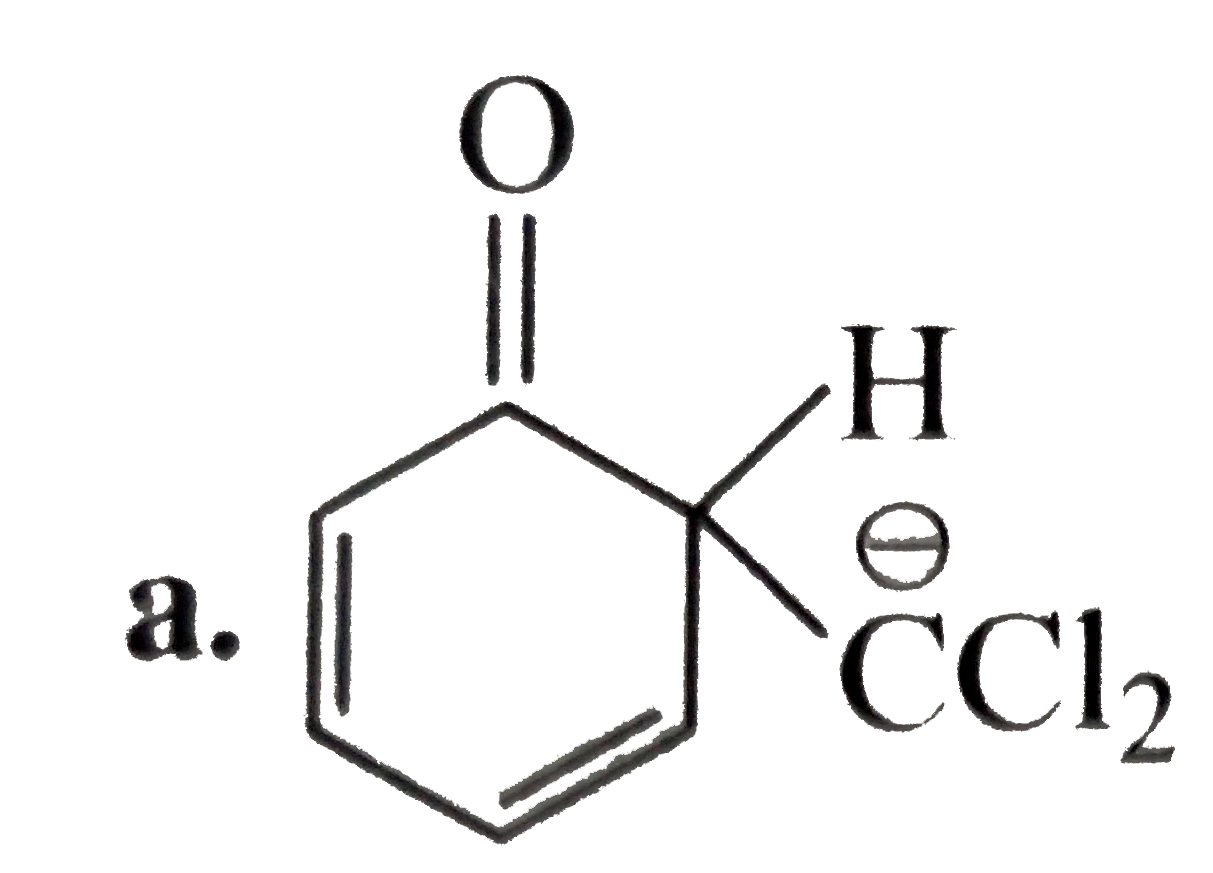
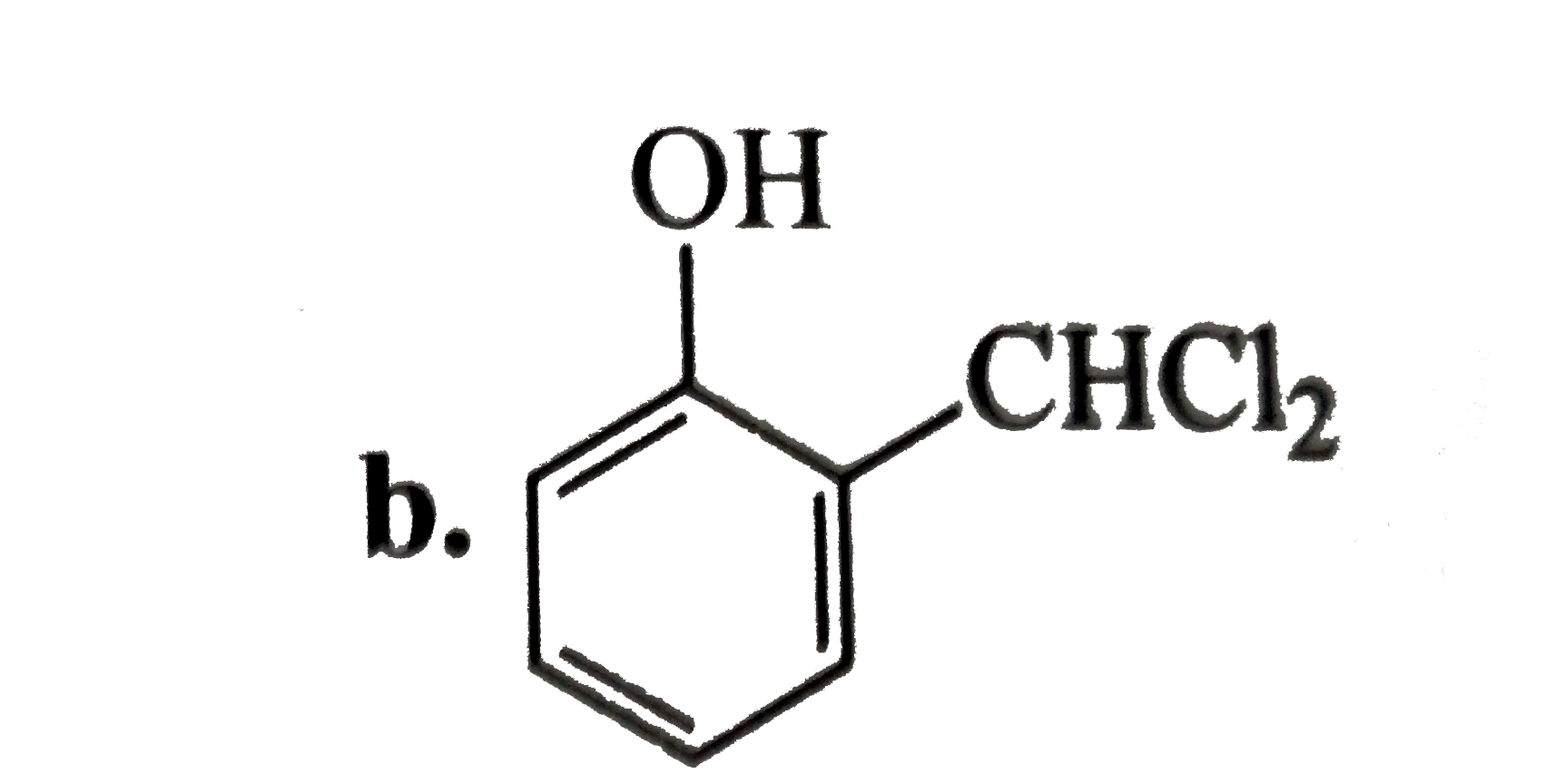
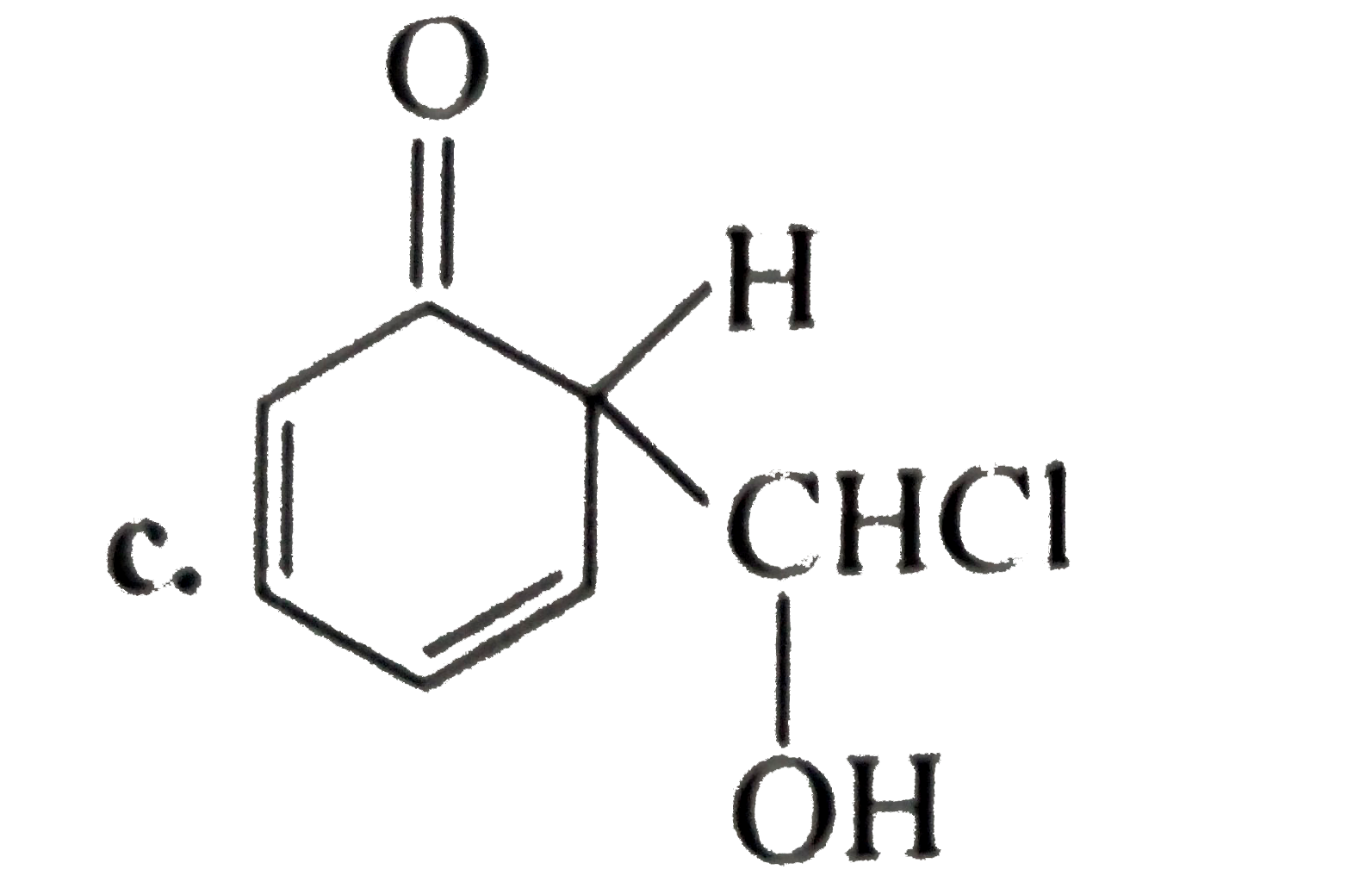
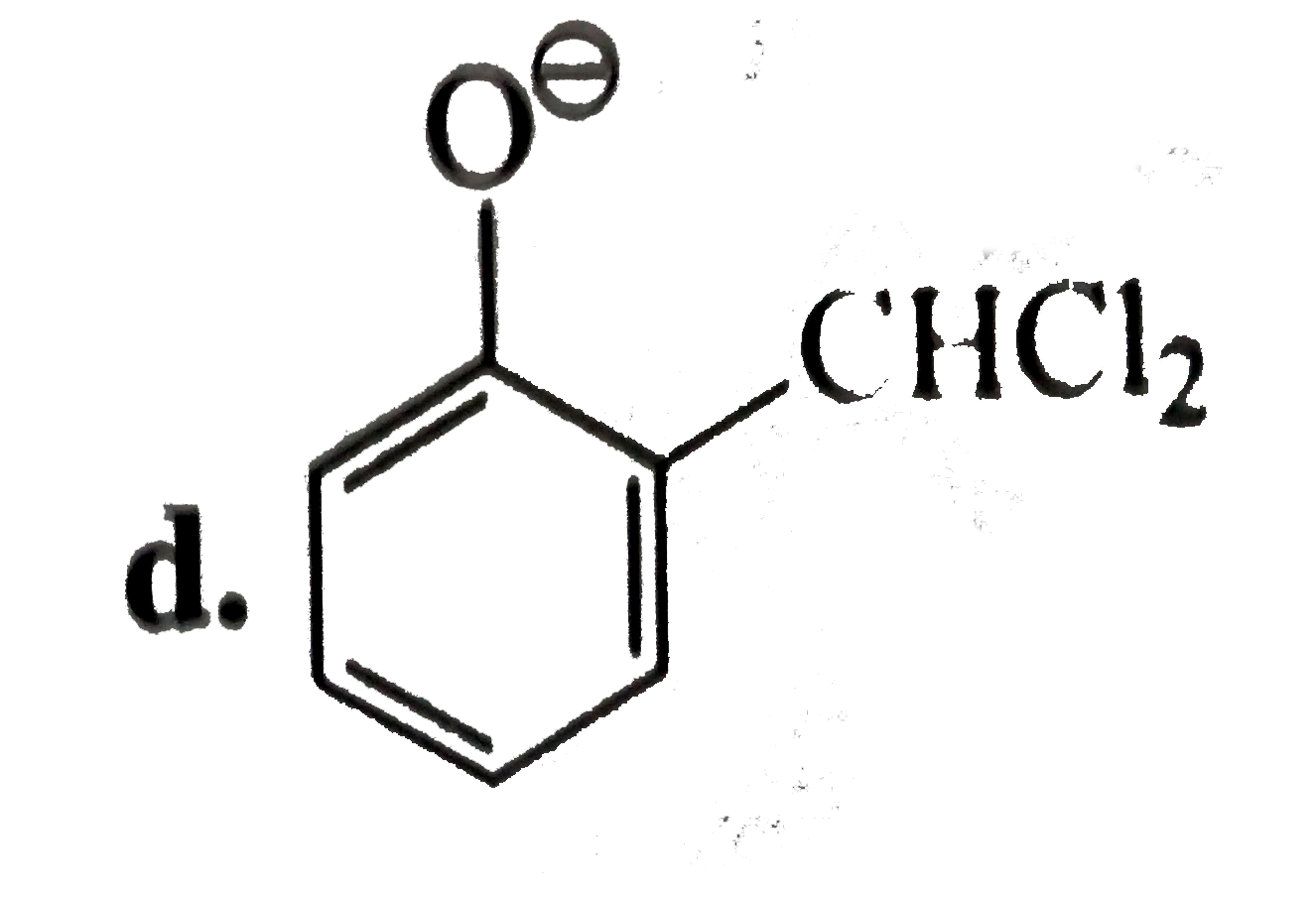
When phenol is reactes with `CHCI_(3)` and NaOH followed by acidification, salicyladehyde is obtained. Which of the following species are involed in the above-mentioned reaction as intermediates ?

A

B

C

D

Text Solution

AI Generated Solution

The correct Answer is:

To solve the question regarding the reaction of phenol with chloroform (CHCl₃) and sodium hydroxide (NaOH) to form salicylaldehyde, we will analyze the reaction step-by-step and identify the intermediates involved. ### Step-by-Step Solution: 1. **Identify the Reactants**: - The reactants in this reaction are phenol (C₆H₅OH), chloroform (CHCl₃), and sodium hydroxide (NaOH). 2. **Formation of Dichlorocarbene**: - When chloroform reacts with sodium hydroxide, a base, it undergoes deprotonation. The hydroxide ion (OH⁻) from NaOH removes a hydrogen atom from chloroform, leading to the formation of an intermediate called dichlorocarbene (CCl₂). - Reaction: \[ CHCl₃ + OH⁻ \rightarrow CCl₂ + H₂O + Cl⁻ \] 3. **Electrophilic Attack on Phenol**: - The dichlorocarbene (CCl₂) acts as an electrophile and attacks the phenoxide ion (the deprotonated form of phenol). The phenoxide ion is formed when phenol loses a hydrogen ion (H⁺). - The attack occurs at the ortho position of the phenoxide ion, leading to the formation of an intermediate compound. 4. **Formation of Intermediate**: - The intermediate formed after the attack of dichlorocarbene on the phenoxide ion can be represented as: \[ C_6H_4(OH)(CCl_2) \] - This intermediate contains both the hydroxyl group (OH) and the dichlorocarbene moiety. 5. **Rearrangement and Hydrolysis**: - The intermediate undergoes rearrangement where one of the chlorine atoms is replaced by a hydroxyl group (OH) through hydrolysis, facilitated by the presence of water or hydroxide ions. - This leads to the formation of salicylaldehyde (ortho-hydroxybenzaldehyde). - Reaction: \[ C_6H_4(OH)(CCl_2) \rightarrow C_6H_4(OH)(CHO) + HCl + H_2O \] 6. **Final Product**: - The final product obtained is salicylaldehyde (C₇H₆O₂), which is ortho-hydroxybenzaldehyde. ### Conclusion: The intermediates involved in the reaction are: - **Dichlorocarbene (CCl₂)** - **Intermediate compound formed after the electrophilic attack**

To solve the question regarding the reaction of phenol with chloroform (CHCl₃) and sodium hydroxide (NaOH) to form salicylaldehyde, we will analyze the reaction step-by-step and identify the intermediates involved. ### Step-by-Step Solution: 1. **Identify the Reactants**: - The reactants in this reaction are phenol (C₆H₅OH), chloroform (CHCl₃), and sodium hydroxide (NaOH). 2. **Formation of Dichlorocarbene**: ...
Promotional Banner

Topper's Solved these Questions

  • ALCOHOL,PHENOL AND ETHERS

    CENGAGE CHEMISTRY ENGLISH|Exercise Archives Fill In The Blanks|6 Videos
  • ALCOHOL,PHENOL AND ETHERS

    CENGAGE CHEMISTRY ENGLISH|Exercise Archives True/False|1 Videos
  • ALCOHOL,PHENOL AND ETHERS

    CENGAGE CHEMISTRY ENGLISH|Exercise Archives Linked Comprehension|2 Videos
  • ALIPHATIC AND AROMATIC ALDEHYDES AND KETONES

    CENGAGE CHEMISTRY ENGLISH|Exercise Archives Subjective|26 Videos

Similar Questions

Explore conceptually related problems

Which of the following product will be obtained in the following reaction ?

Which of the following intermediate is formed in Reimer-Teimann reaction ?

Which of the following reactions will yield phenol ?

Which of the following reaction mechanism doe not involves carbocation as an intermediate ?

Phosphine is not obtained by which of the following reaction?

In which of the following reactions phenol is not obtained:

Which of the following reactions will not yield phenol ?
