Home
Class 11
CHEMISTRY
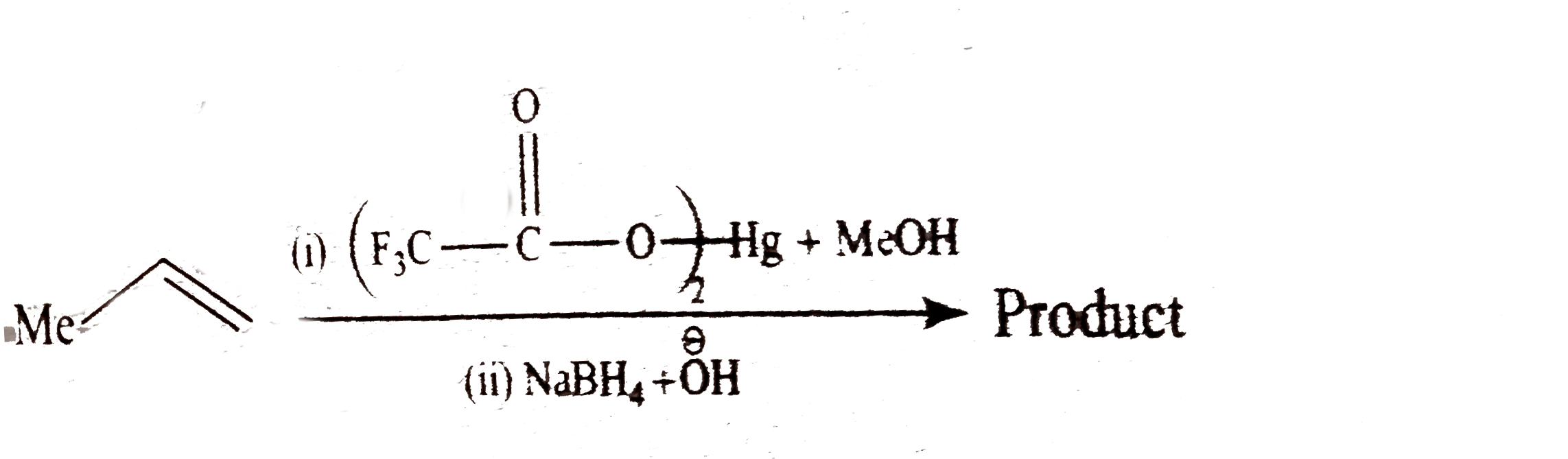
Which statement is true ? i. The produ...


Which statement is true ?
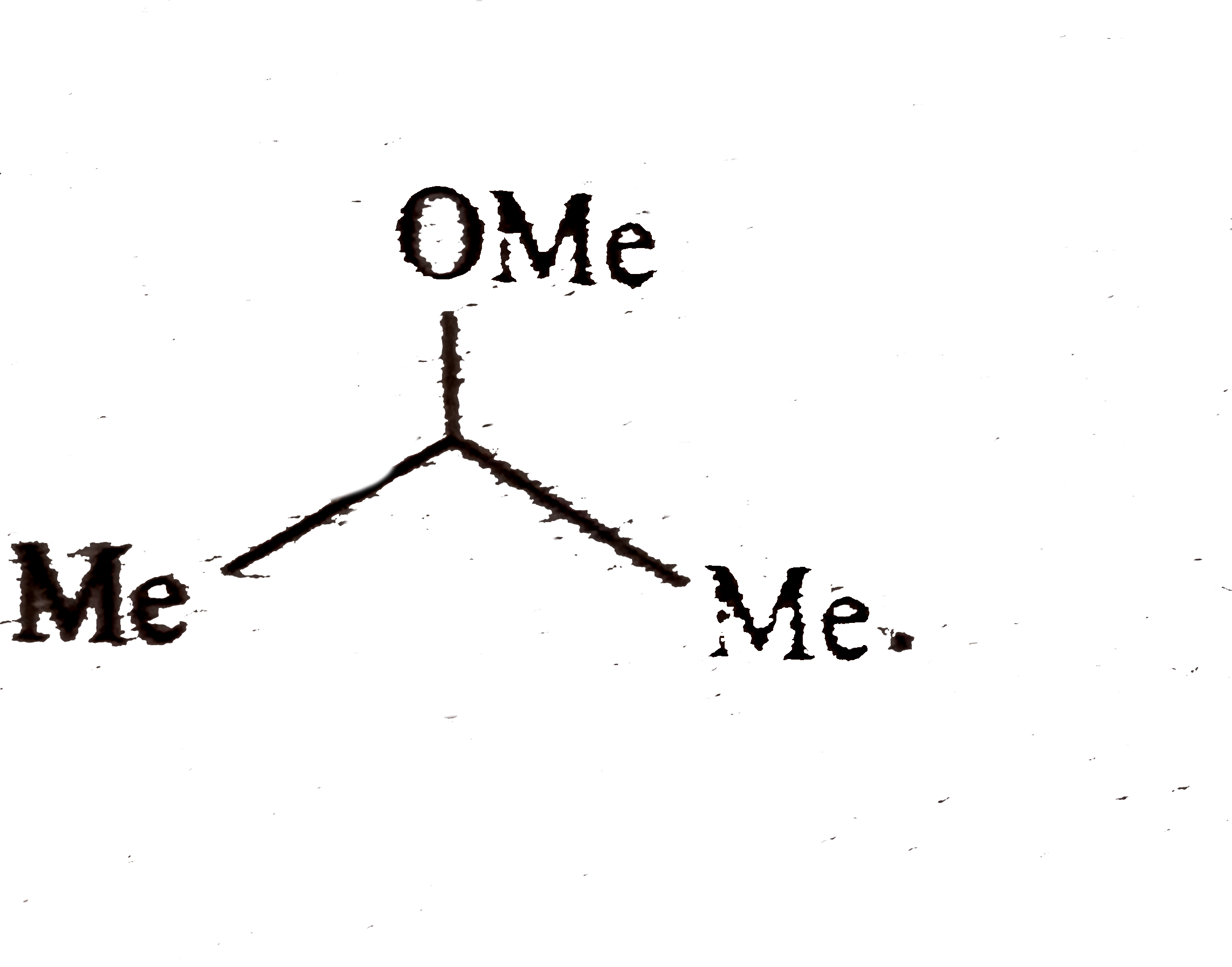
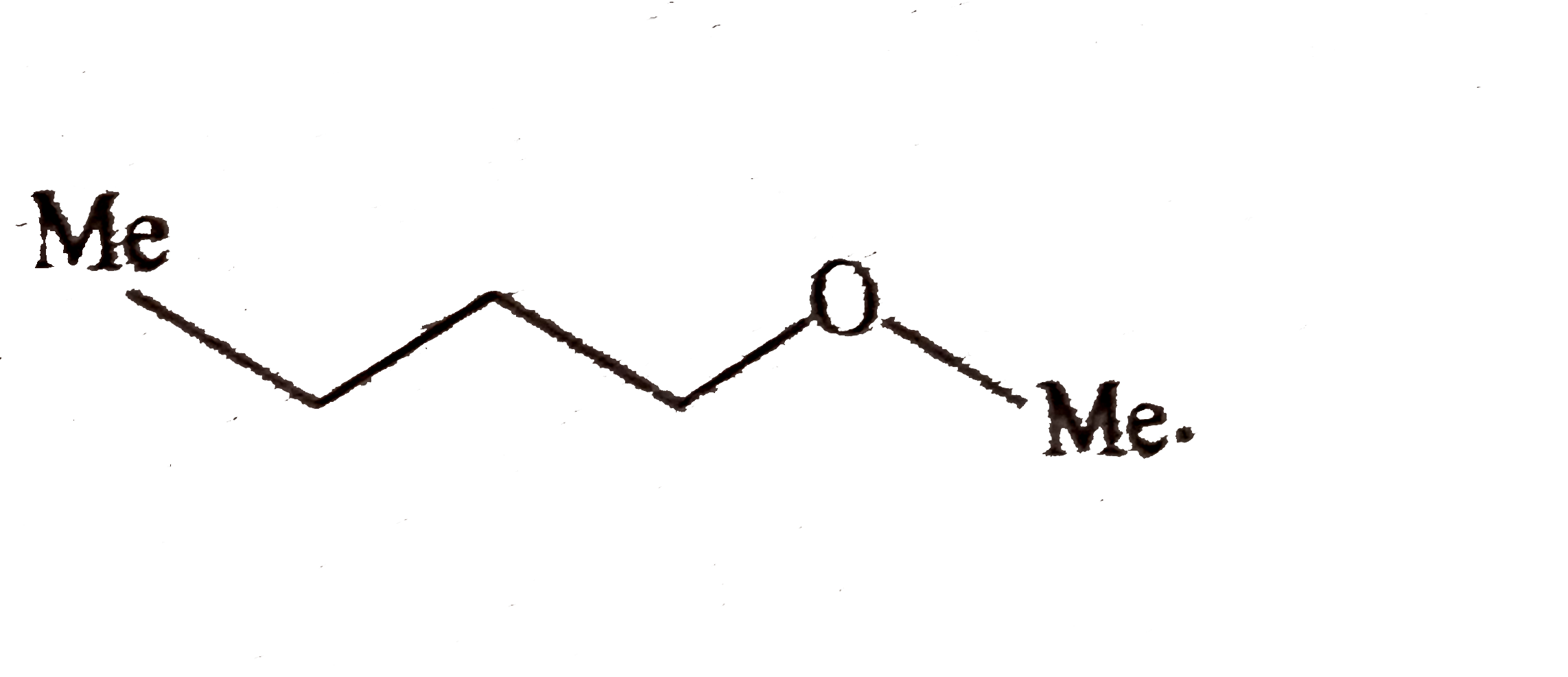
`i`. The product is
`ii.` The product is
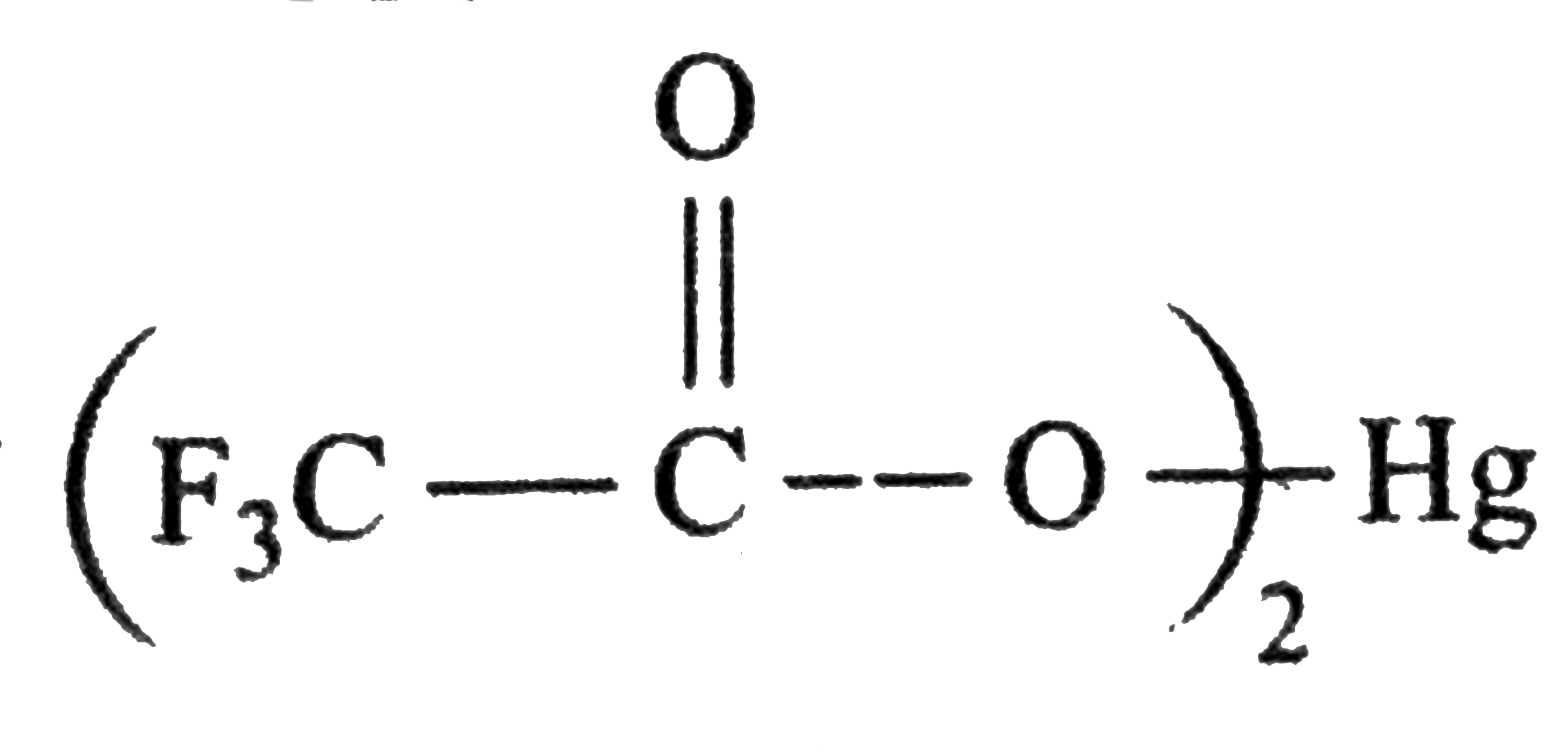
`iii.` The reaction is called alkoxymercuration `-` demercuration `(` a type of solvomercuration `-` demercuration `)`.
`iv` It proceeds via markovnikov addition addition, anti`-` addition of and `ROH(` a nucleophilc solvent `)` and not rearrangement.

A

`(i)`

B

`(ii)`

C

`(i),(iii)` and `(iv)`

D

`(ii),(iii),`and `(iv)`

Text Solution

Verified by Experts

The correct Answer is:
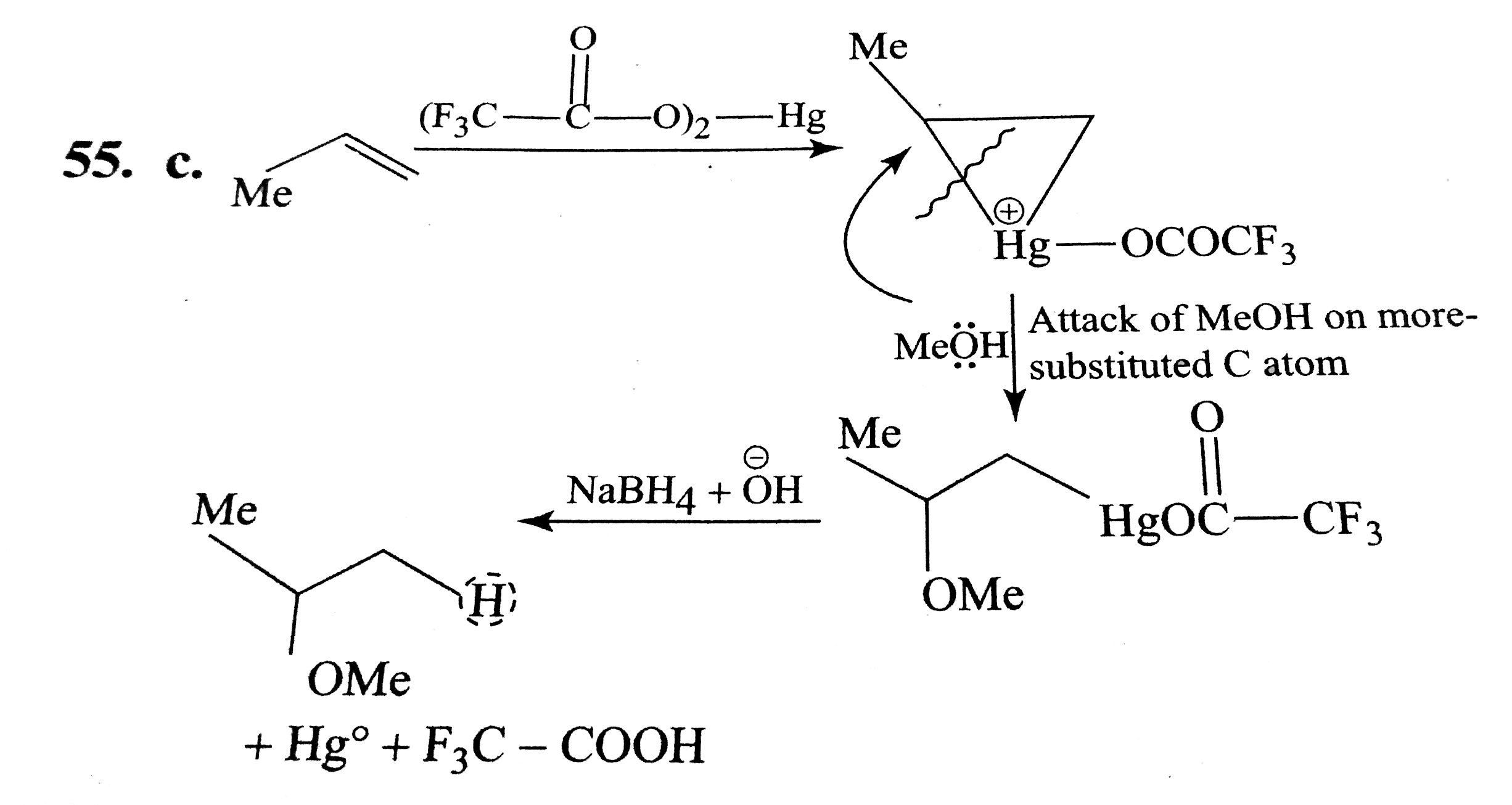
c

Promotional Banner

Topper's Solved these Questions

  • ALKENES AND ALKADIENES

    CENGAGE CHEMISTRY ENGLISH|Exercise Archives(ASSERTION-REASIOING)|4 Videos
  • ALKENES AND ALKADIENES

    CENGAGE CHEMISTRY ENGLISH|Exercise Fill in the Blanks|3 Videos
  • ALKENES AND ALKADIENES

    CENGAGE CHEMISTRY ENGLISH|Exercise Multiple Correct Answer Type|41 Videos
  • ALKANES AND CYCLOALKANES

    CENGAGE CHEMISTRY ENGLISH|Exercise Archives|13 Videos
  • ALKYNES

    CENGAGE CHEMISTRY ENGLISH|Exercise Exercises (Archives - Analytical and Desriptive Type)|4 Videos

Similar Questions

Explore conceptually related problems

Addition of mercuric acetate in the presence of water is called as oxymercuration.The adduct obtained gives alcohol on reduction with NaBH_4 in alkaline medium.This is known as demercuration.Oxymercuration demercuration allows Markownikoff's addition of H, OH without rearrangement.The net result is the addition of H_2O Answer the following question : Product 'A'is :

Addition of mercuric acetate in the presence of water is called as oxymercuration.The adduct obtained gives alcohol on reduction with NaBH_4 in alkaline medium.This is known as demercuration.Oxymercuration demercuration allows Markownikoff's addition of H, OH without rearrangement.The net result is the addition of H_2O Answer the following question : CH_3-undersetunderset(CH_3)(|)oversetoverset(CH_3)(|)(C)-CH=CH_2underset((ii)CH_3OH NaBH_4NaOH)overset((i)Hg(OAc)_2.THF)toAoverset(HI(Conc.))toB Product B is :

Addition reaction and substitution reactions are types of organic reactions. Which type of reaction is shown by : (i) Ethane (ii) Ethene

Carboxylic acid, although unreactive to alcohols, reacts in the presence of small amount of conc. H_2 SO_4 or with 2-3 % of HCl ? RCOOH + R'OH overset (H^(oplus)) hArr RCOOR' + H_2 O Which of the following statements is//are correct about the above reaction ? (I) This reaction is called Fischer esterification reaction. (II) The equilibrium is shifted to R.H.S if H_2 O is removed by azeotropic distillation with benzene. (III) The reaction of RCOCl and R'OH to give ester (RCOOR') is irreversible and more feasible than esterification of RCOOH . (IV) If the above esterification of RCOOH is carried out in excess of R'OH , the equilibrium is shifted to R.H.S .

Consider the ollowing statement about SN^(1) reaction (i) it is a bimolecular reaction (ii) it proceeds with retention as well as inversion of the configuration. (iii) It involves the fomrationn of an intermediate cabocation (iv) The reaction is carried in the presence of polar aprotic solvents

statement I: Addition of Br_(2) to 1 -butene gives two optical isomers. statement II: The product contains one asymmetric carbon atoms.

Which statement (s) is/are correct ? i. In oxymercuration and demercuration reaction, the electrophile is AcOHg^(o+) . ii. In this reaction, Hg^(+) is reduced to Hg^(0) . iii. In this reaction, Hg^(2+) is reduced to Hg^(+) iv. In this reaction, Hg^(2+) is reduced to Hg^(0) .

Which of the following statement are true? (i) The product of a positive and negative integer is negative. (ii) The product of three negative integers is a negative integer. (iii) Of the two integers, if one is negative, then their product must be positive. (iv) For all non-zero integers a and b , axxb is always greater than either a or b. (v) The product of a negative and a positive integer may be zero. (vi) There does not exist an integer b such that for a gt1, axxb=bxxa=b.

State whether the given statements are true or false : (i) The sum of two rationals is always rational. (ii) The sum of two irrationals is always irrational. (iii) The product of two rationals is always rational. (iv) The product of two irrationals is always irrational. (v) The sum of a rational and an irrational is always rational. (vi) The product of a rational and an irrational is always irrational.

SN reaction is given by these compounds, which have a nuclophilic group and a good leaving EWG . It should be stable after leaving with bonding pair of overline(e)'s and it should have high polarisability. Nucliphilic aliphatic substituion reaction is mainly of two types SN^(-1) and SN^(2). SN^(-1) mechanism is a two step process. Reaction velocity of SN^(-1) depends only on the concentration of the subtrate. It proceeds via the formation of carbocation, optically active substrate gives (o+) and (o-) froms of the product. In most of the cases, the product usually consists of 5-20% inverted and (95-80%) racemised species. The more stable is the carbocation, the greater is the propotion of racemisation. In solvolysis reaction, the more nucleophillic is the solvent, the greater is the proportion of inversion. For the reaction which substrate will give maximum racemismision ?

