Home
Class 12
CHEMISTRY
Hyperconjugation is defined as No bond r...

Hyperconjugation is defined as No bond resonance. The concept of hyperconjugation arose from the discovery of electron releasing pattern for alkyl groups. It involves `sigma` electrons of C-H bond. Greater the number of C-H bond (`alpha`-hydrogen atom w.r.t. double bond) more will be hyperconjugative structures, more will be stability Heat of hydrogenation of alkene are affected by hyperconjugative effects.
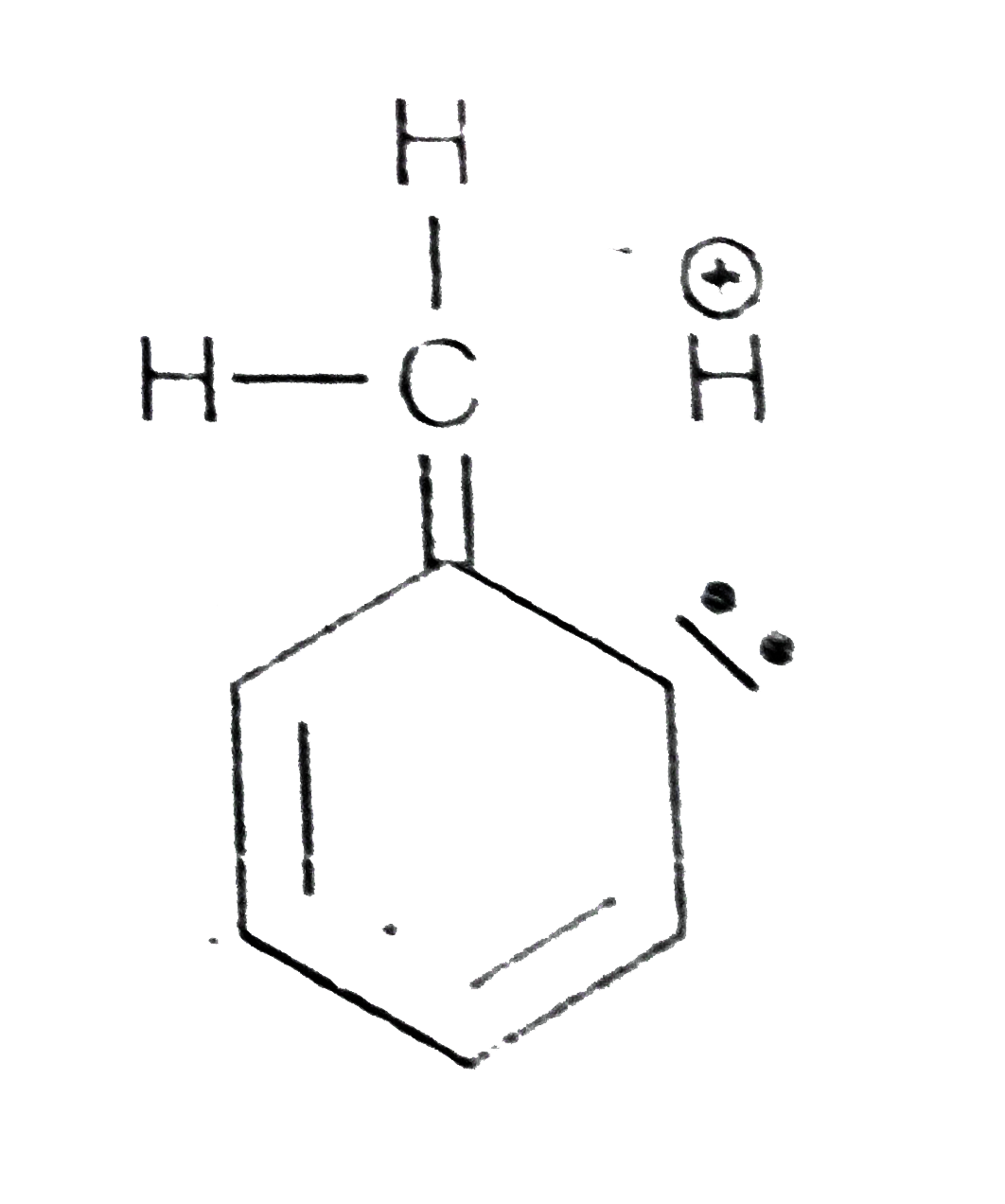
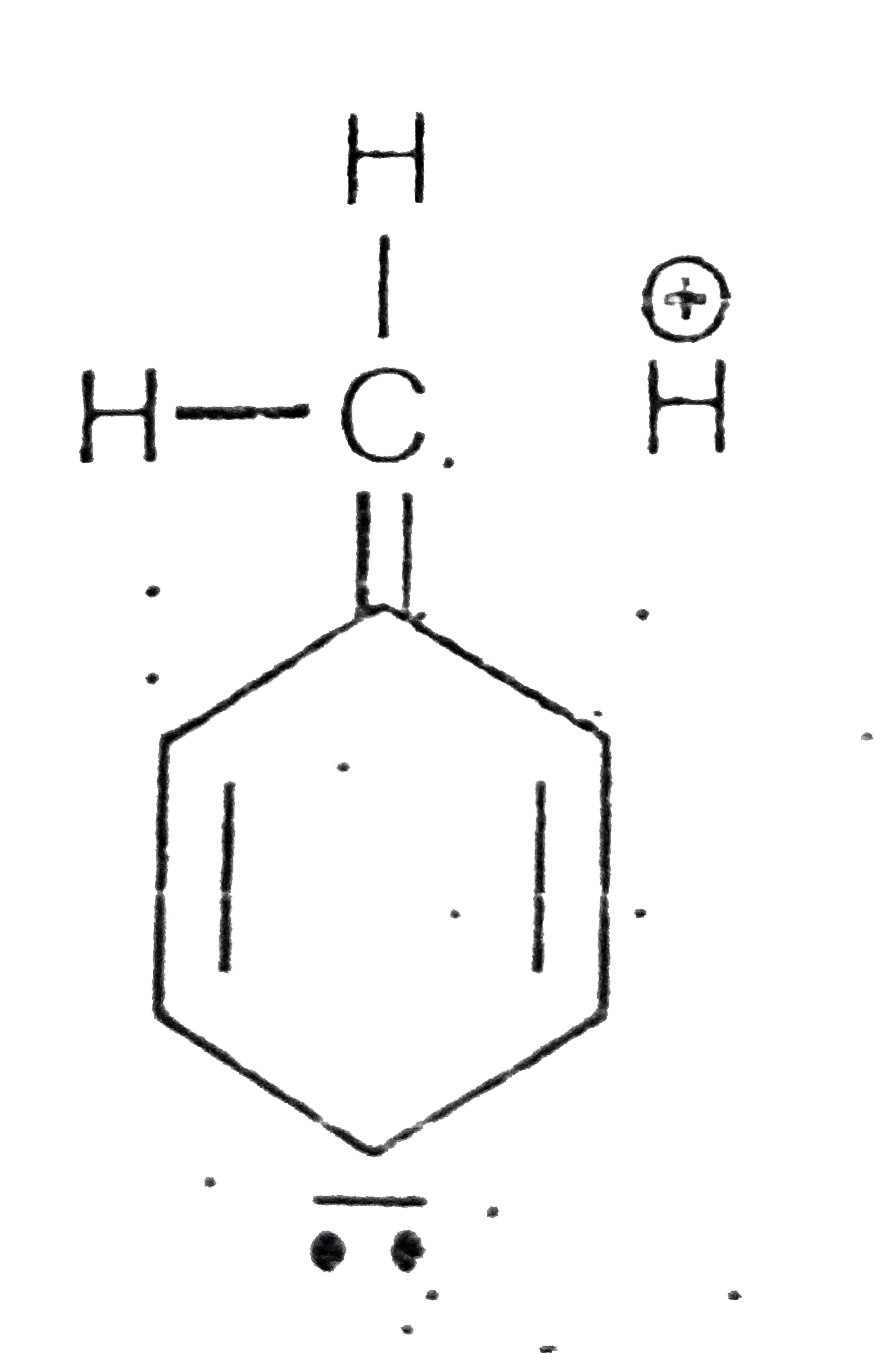
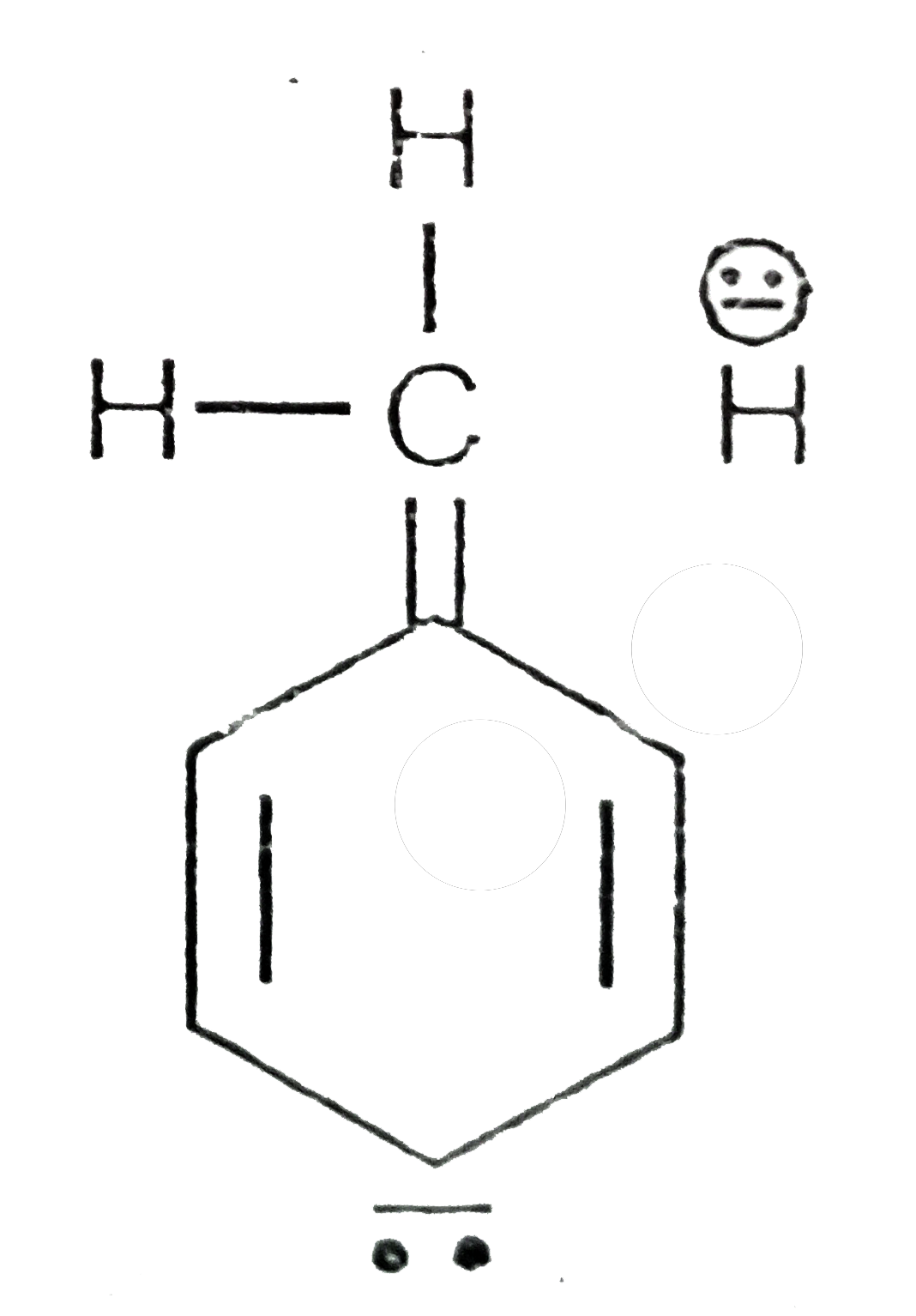
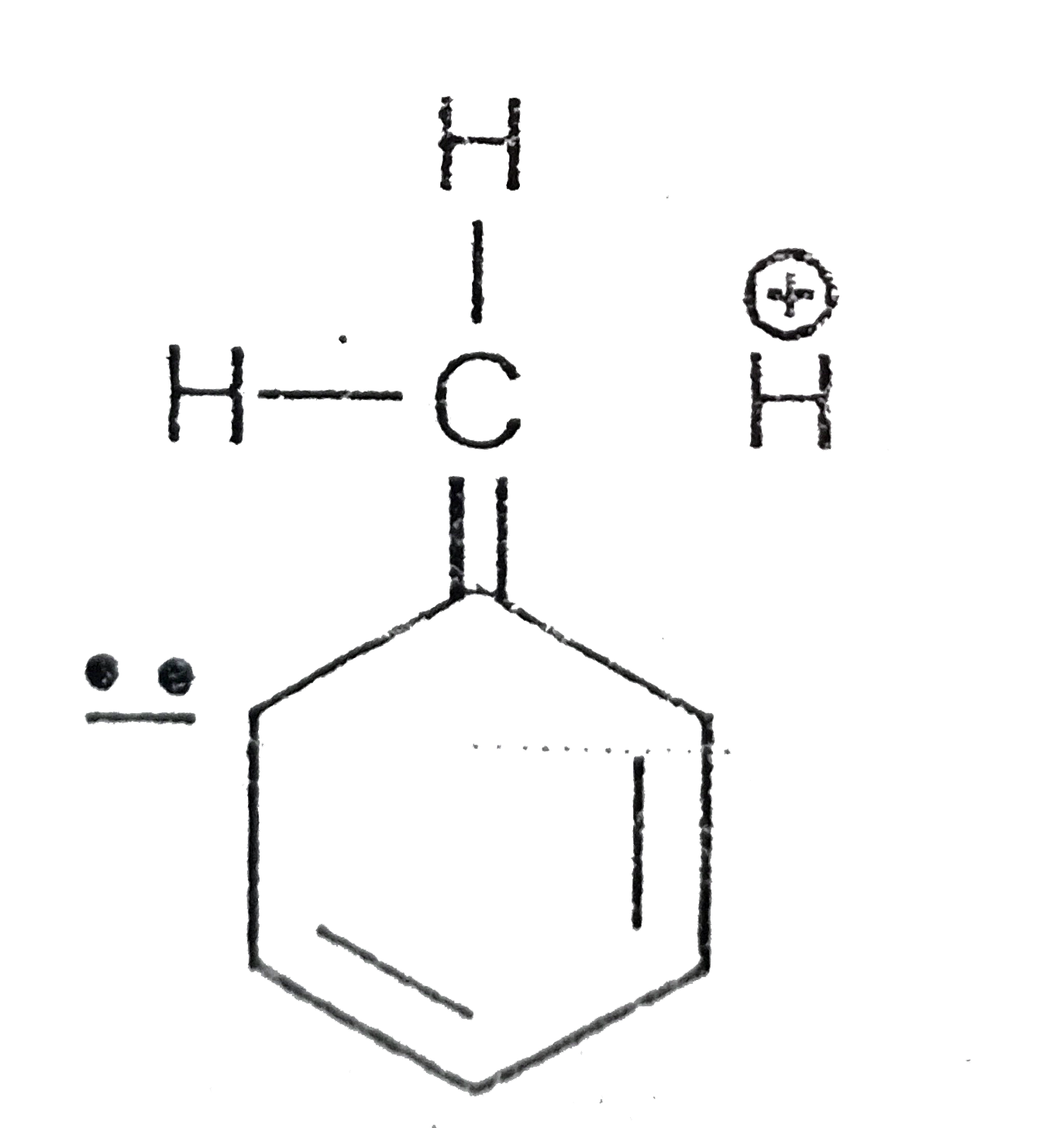
Which of the following is incorrect hyperconjugative structure?

A

B

C

D

Text Solution

AI Generated Solution

The correct Answer is:

To solve the question regarding hyperconjugation and identify the incorrect hyperconjugative structure, we will follow these steps: ### Step 1: Understand Hyperconjugation Hyperconjugation is a stabilizing interaction that results from the overlap of a σ-bond (usually C-H or C-C) with an adjacent empty or partially filled p-orbital or π-bond. It involves the donation of σ-electrons from the C-H bonds of the alkyl groups to the adjacent π-bond or empty p-orbital. **Hint:** Remember that hyperconjugation involves the interaction of σ-bonds with adjacent π-bonds or empty orbitals. ### Step 2: Identify the Alpha Hydrogen In the context of hyperconjugation, the alpha hydrogen atoms are those that are directly attached to the carbon atom adjacent to the carbon-carbon double bond. The more alpha hydrogen atoms present, the greater the number of possible hyperconjugative structures. **Hint:** Look for the carbon atoms adjacent to the double bond to identify alpha hydrogens. ### Step 3: Analyze Each Option We need to analyze the provided structures (A, B, C, and D) to determine which one does not represent a valid hyperconjugative structure. - **Option A:** Involves a double bond and the transfer of σ-electrons from an alpha hydrogen, resulting in a valid hyperconjugative structure. - **Option B:** Similar to option A, it shows the transfer of σ-electrons and maintains the structure of hyperconjugation. - **Option C:** This structure shows a negative charge and a lone pair on hydrogen, which is not possible since hydrogen cannot hold a negative charge without electrons. This indicates that it is not a valid hyperconjugative structure. - **Option D:** This structure also shows a valid transfer of σ-electrons and maintains the integrity of hyperconjugation. **Hint:** Check for the presence of charges on atoms that should not have them in a hyperconjugative structure. ### Step 4: Conclusion After analyzing all options, we find that **Option C** is the incorrect hyperconjugative structure because it incorrectly shows a negative charge on hydrogen, which is not feasible. **Final Answer:** The incorrect hyperconjugative structure is **Option C**.
Promotional Banner

Topper's Solved these Questions

  • ORGANIC CHEMISTRY: SOME BASIC PRINCIPLE AND TECHNIQUES

    AAKASH INSTITUTE ENGLISH|Exercise SECTION-E ASSERTION-REASON TYPE QUESTIONS|14 Videos
  • ORGANIC CHEMISTRY: SOME BASIC PRINCIPLE AND TECHNIQUES

    AAKASH INSTITUTE ENGLISH|Exercise SECTION-F MATRIX-MATCH TYPE QUESTIONS|4 Videos
  • ORGANIC CHEMISTRY: SOME BASIC PRINCIPLE AND TECHNIQUES

    AAKASH INSTITUTE ENGLISH|Exercise SECTION-C OBJECTIVE TYPE QUESTION (MORE THAN ONE OPTIONS ARE CORRECT)|18 Videos
  • ORGANIC CHEMISTRY : SOME BASIC PRINCIPLES AND TECHNIQUES

    AAKASH INSTITUTE ENGLISH|Exercise Assignment(Section-D)(Assertion - Reason Type Questions)|15 Videos
  • POLYMERS

    AAKASH INSTITUTE ENGLISH|Exercise ASSIGNMENT (SECTION-D)|13 Videos
