
Home
Class 12
CHEMISTRY
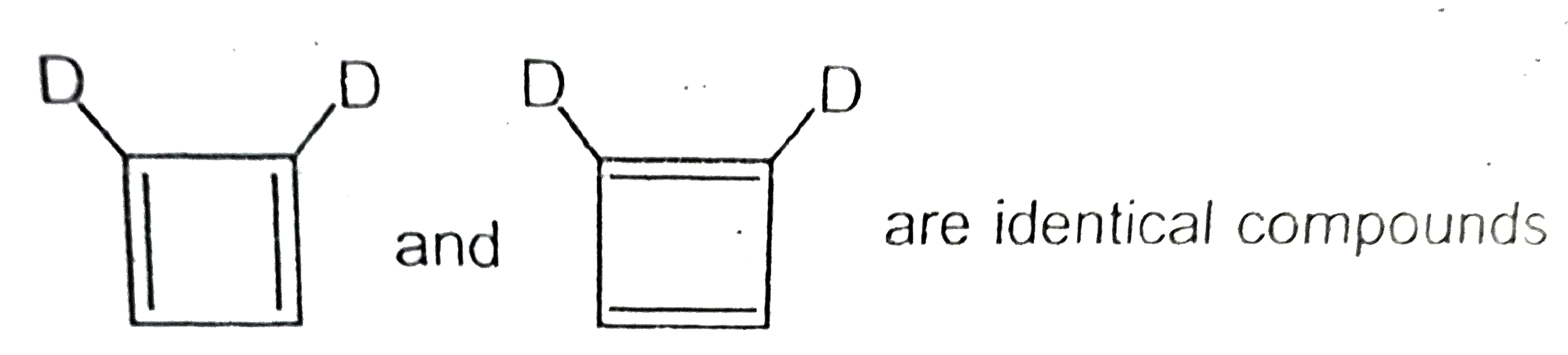
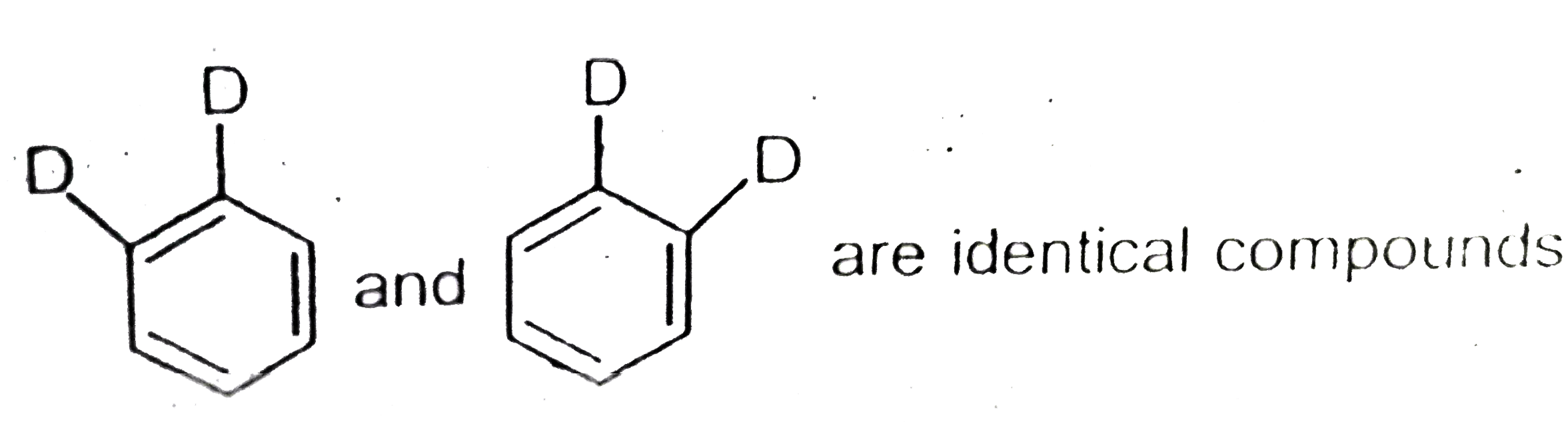
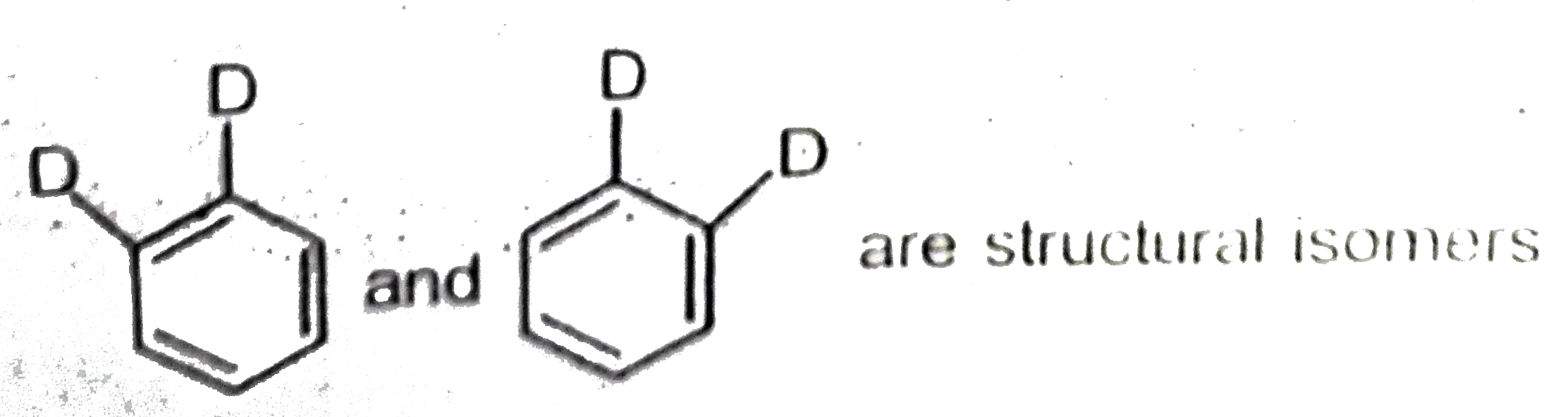
Correct statements among the following i...

Correct statements among the following is/are

A

B

C

D

Text Solution

AI Generated Solution

The correct Answer is:

To solve the question regarding the differentiation among electrolytes and non-electrolytes, strong and weak electrolytes, anode and cathode, and electrolytic dissociation and ionization, we will break down each part step by step. ### Step 1: Differentiate between Electrolytes and Non-Electrolytes - **Electrolytes**: Substances that dissociate into their constituent ions when dissolved in water. - **Example**: Sodium chloride (NaCl) dissociates into Na⁺ and Cl⁻ ions. - **Non-Electrolytes**: Substances that do not dissociate into ions when dissolved in water. - **Example**: Methane (CH₄) does not dissociate into ions. ### Step 2: Differentiate between Strong and Weak Electrolytes - **Strong Electrolytes**: Substances that completely dissociate into their constituent ions in solution. - **Example**: Sodium chloride (NaCl) completely dissociates into Na⁺ and Cl⁻ ions. - **Weak Electrolytes**: Substances that partially dissociate into ions in solution. - **Example**: Acetic acid (CH₃COOH) only partially dissociates into CH₃COO⁻ and H⁺ ions. ### Step 3: Differentiate between Anode and Cathode - **Anode**: The positively charged electrode where oxidation occurs. Negative ions (anions) migrate towards the anode. - **Cathode**: The negatively charged electrode where reduction occurs. Positive ions (cations) migrate towards the cathode. ### Step 4: Differentiate between Electrolytic Dissociation and Ionization - **Electrolytic Dissociation**: The process by which ionic compounds dissociate into their constituent ions in solution. - **Example**: Sodium chloride (NaCl) dissociates into Na⁺ and Cl⁻ ions. - **Ionization**: The process by which polar covalent compounds form ions when dissolved in a solvent. - **Example**: Hydrochloric acid (HCl) ionizes to form H⁺ and Cl⁻ ions. ### Summary of Correct Statements: 1. Electrolytes dissociate into ions; non-electrolytes do not. 2. Strong electrolytes completely dissociate; weak electrolytes partially dissociate. 3. Anode is positively charged; cathode is negatively charged. 4. Electrolytic dissociation applies to ionic compounds; ionization applies to polar covalent compounds.
Promotional Banner

Topper's Solved these Questions

  • ORGANIC CHEMISTRY: SOME BASIC PRINCIPLE AND TECHNIQUES

    AAKASH INSTITUTE ENGLISH|Exercise TRY YOURSELF|28 Videos
  • ORGANIC CHEMISTRY: SOME BASIC PRINCIPLE AND TECHNIQUES

    AAKASH INSTITUTE ENGLISH|Exercise SECTION-I SUBJECTIVE TYPE QUESTIONS|8 Videos
  • ORGANIC CHEMISTRY : SOME BASIC PRINCIPLES AND TECHNIQUES

    AAKASH INSTITUTE ENGLISH|Exercise Assignment(Section-D)(Assertion - Reason Type Questions)|15 Videos
  • POLYMERS

    AAKASH INSTITUTE ENGLISH|Exercise ASSIGNMENT (SECTION-D)|13 Videos

Similar Questions

Explore conceptually related problems

The correct statement among the following is/are

Correct statements among the following are

Incorrect statement among the following is

Incorrect statement among the following is

Incorrect statement among the following is

Incorrect statement among the following is

incorrect statement among the following is

The Incorrect statements(s) among the following is/are :-

If n is the orbit number of the electron in a hydrogen atom, the correct statement among the following is

An ideal gas is expand from (p_(1),V_(1),T_(1)) to (p_(2),V_(2),T_(2)) under different conditions. The correct statement(s) among the following is (are):
