
Home
Class 12
CHEMISTRY
Most stable carbocation among the follow...

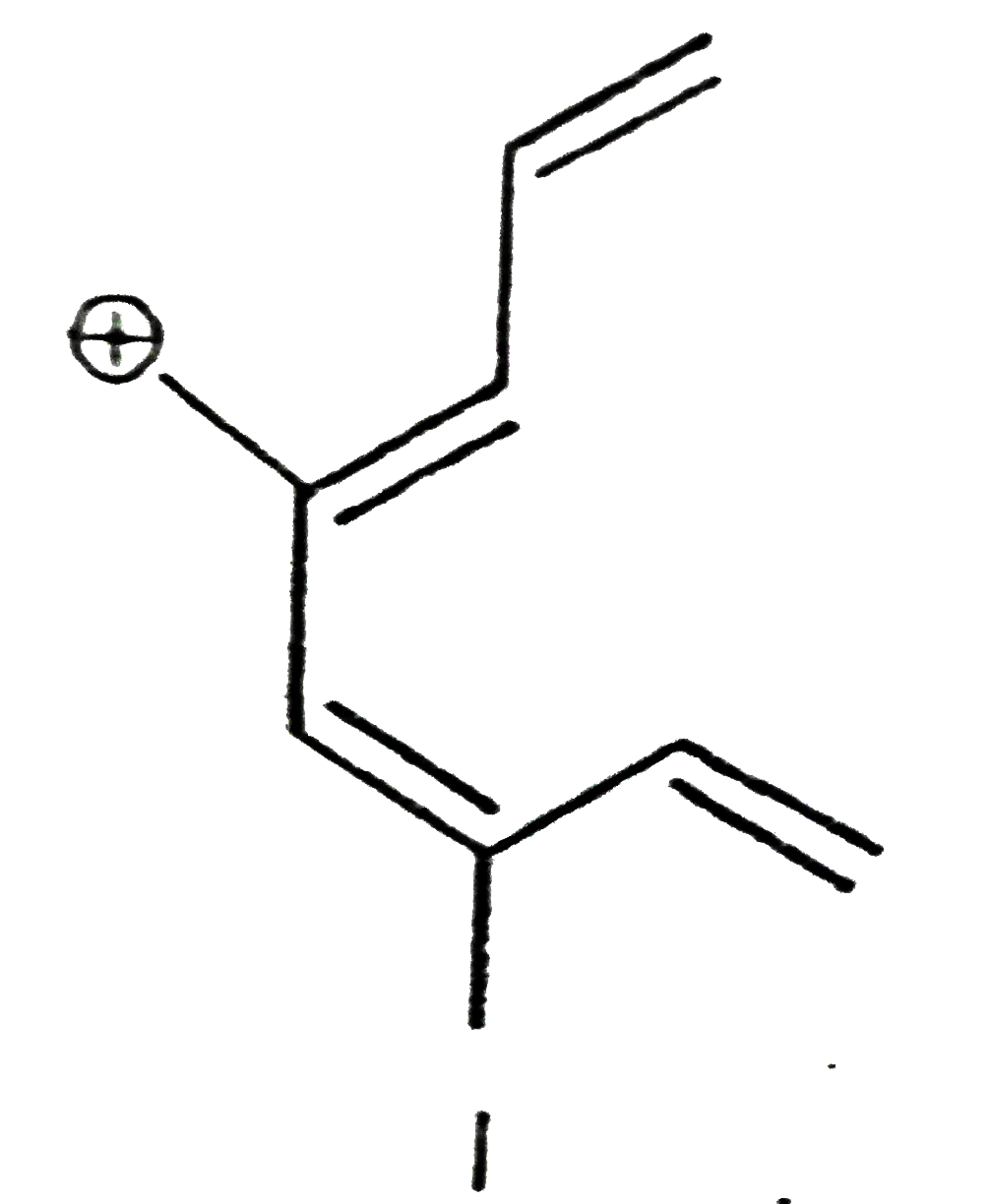
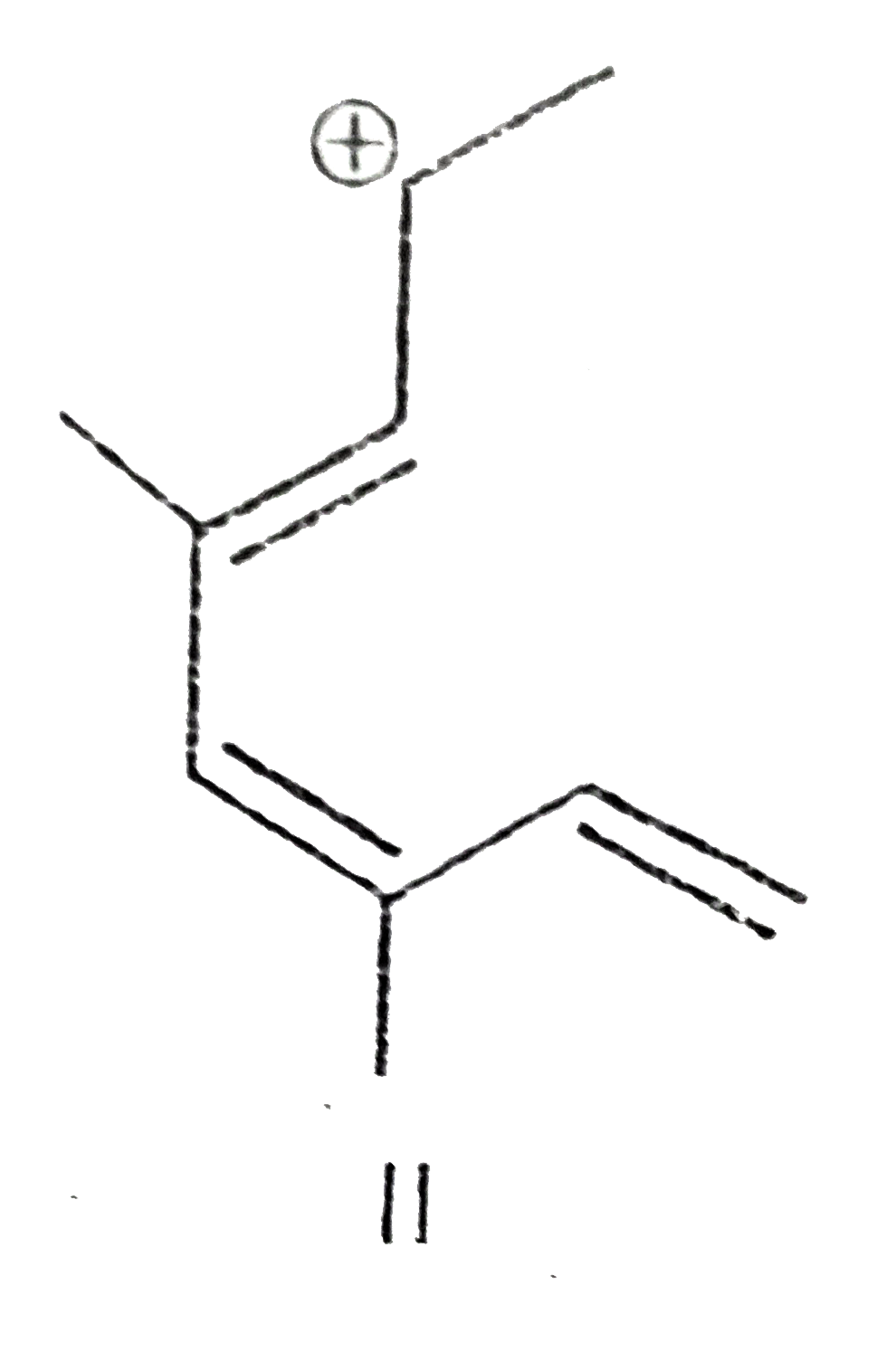
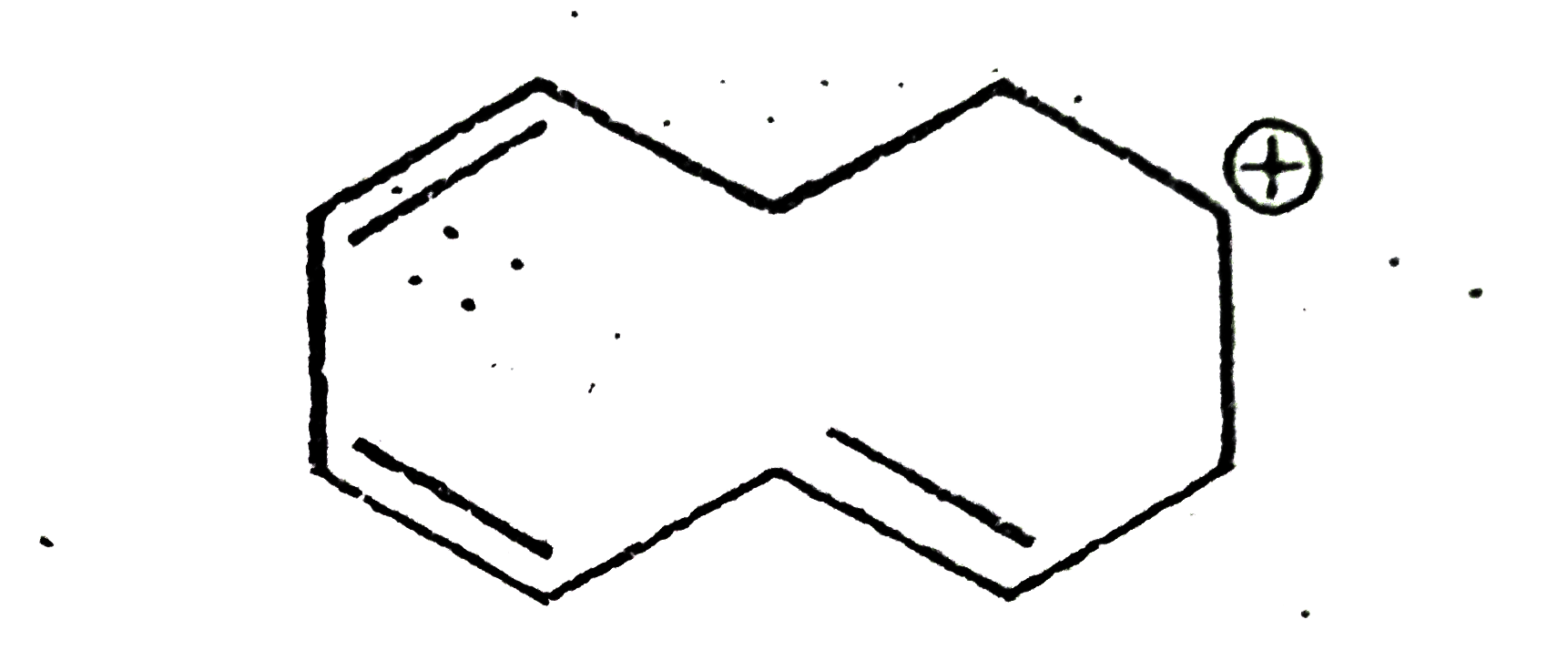
Most stable carbocation among the following is

A

(a)

B

(b)

C

(c)

D

(d)

Text Solution

AI Generated Solution

The correct Answer is:

To determine the most stable carbocation among the given options, we will analyze each structure step by step, focusing on the resonance stabilization of each carbocation. ### Step 1: Analyze Option A 1. **Structure**: The carbocation in Option A has a double bond adjacent to the positively charged carbon. 2. **Resonance**: The positive charge can be delocalized through resonance. The double bond can shift to stabilize the positive charge, leading to multiple resonance structures. 3. **Stability**: This option provides some stability due to resonance, but we need to compare it with other options. **Hint**: Look for how many resonance structures can be drawn for the carbocation in this option. ### Step 2: Analyze Option B 1. **Structure**: The carbocation in Option B also has a double bond nearby. 2. **Resonance**: The positive charge can be delocalized through several resonance structures. The bond can break and reform in different ways, allowing for three distinct resonance structures. 3. **Stability**: The presence of three resonance structures indicates that this carbocation is more stable than that in Option A. **Hint**: Count the number of resonance structures and assess their contribution to stability. ### Step 3: Analyze Option C 1. **Structure**: The carbocation in Option C is part of a bicyclic system with double bonds. 2. **Resonance**: The positive charge can also be delocalized, but it forms only two resonance structures. 3. **Stability**: While this option does provide some resonance stabilization, it is less than that of Option B. **Hint**: Compare the number of resonance structures with those in previous options. ### Step 4: Analyze Option D 1. **Structure**: The carbocation in Option D is isolated and does not have a double bond nearby. 2. **Resonance**: There is no resonance stabilization available since the positive charge is not adjacent to any double bonds. 3. **Stability**: This makes the carbocation in Option D the least stable among all options. **Hint**: Identify whether resonance is possible in this structure. ### Conclusion After analyzing all options: - **Option A** has some resonance stabilization. - **Option B** has the most resonance structures (three), making it the most stable carbocation. - **Option C** has fewer resonance structures (two). - **Option D** has no resonance stabilization. Thus, the most stable carbocation among the options is **Option B**. ### Final Answer **The most stable carbocation is Option B.**
Promotional Banner

Topper's Solved these Questions

  • ORGANIC CHEMISTRY: SOME BASIC PRINCIPLE AND TECHNIQUES

    AAKASH INSTITUTE ENGLISH|Exercise TRY YOURSELF|28 Videos
  • ORGANIC CHEMISTRY: SOME BASIC PRINCIPLE AND TECHNIQUES

    AAKASH INSTITUTE ENGLISH|Exercise SECTION-I SUBJECTIVE TYPE QUESTIONS|8 Videos
  • ORGANIC CHEMISTRY : SOME BASIC PRINCIPLES AND TECHNIQUES

    AAKASH INSTITUTE ENGLISH|Exercise Assignment(Section-D)(Assertion - Reason Type Questions)|15 Videos
  • POLYMERS

    AAKASH INSTITUTE ENGLISH|Exercise ASSIGNMENT (SECTION-D)|13 Videos

Similar Questions

Explore conceptually related problems

The most stable carbocation amongst the following is

Least stable carbocation among the following is

Which is the most stable carbocation among the following ?

Most stable carbanion among the following is

Most stable carbocation is

The most stable carbanion among the following is

Thermally most stable carbonate among the following is

The most stable radical among the following is :

Most stable radical among the following is :
