Home
Class 12
CHEMISTRY
In which of the following case product c...

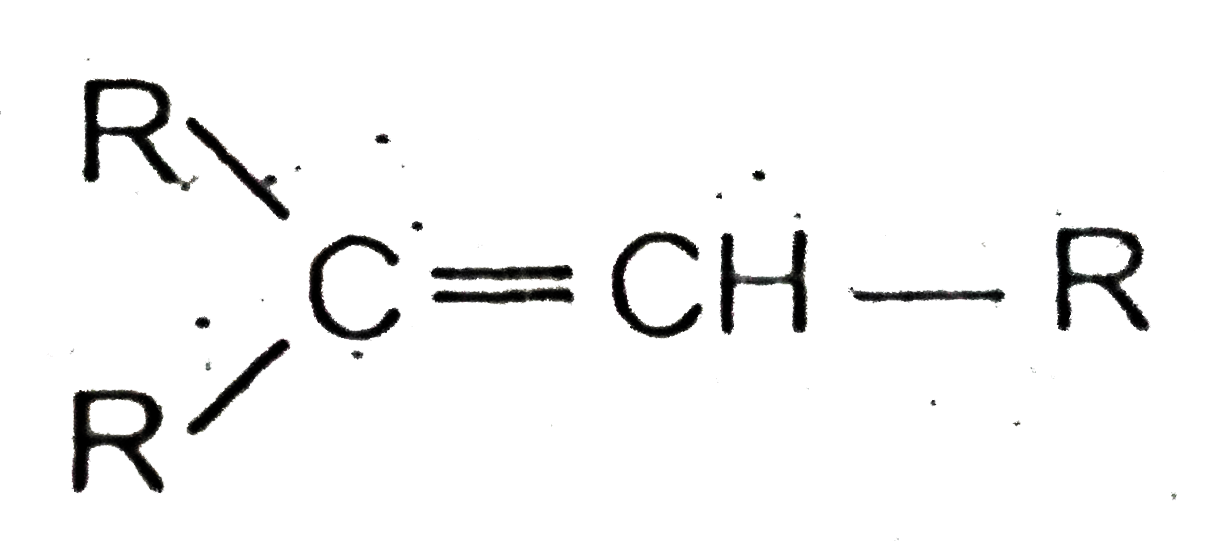
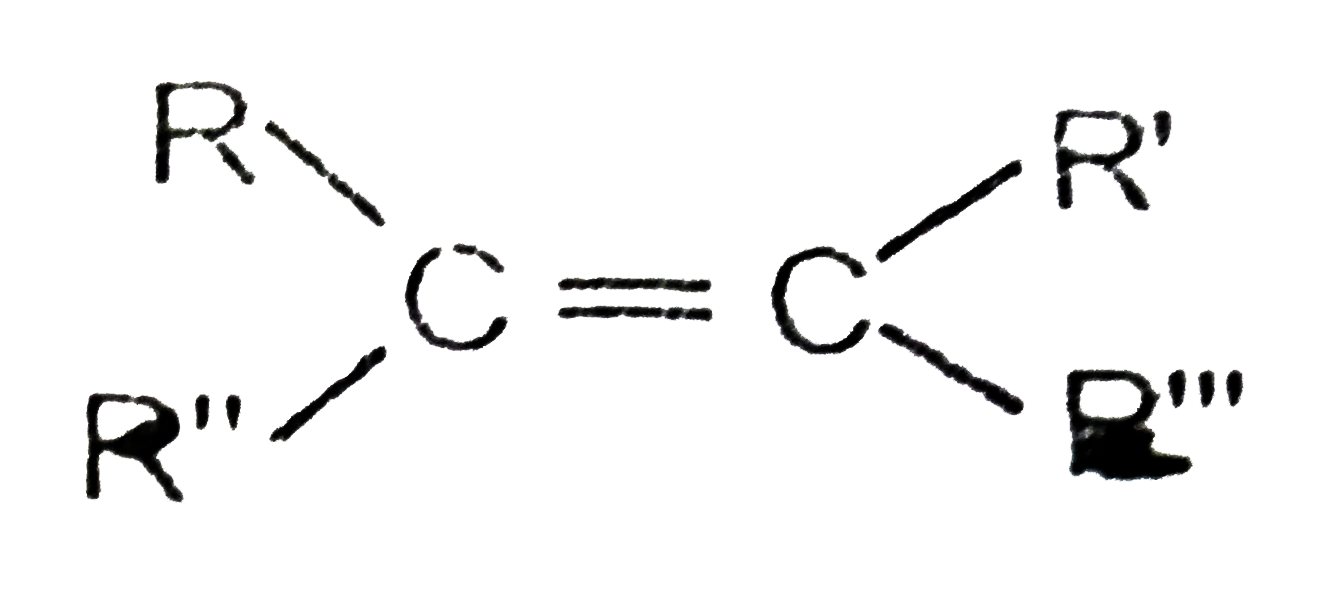
In which of the following case product case product of oxidative and reductive ozonolysis is/are different?

A

B

`C_(6)H_(10)` (Cyclohexene)

C

`CH_(2)=CH_(2)`

D

Text Solution

AI Generated Solution

The correct Answer is:

To determine in which cases the products of oxidative and reductive ozonolysis are different, we will analyze the ozonolysis of various compounds step by step. ### Step 1: Understand Ozonolysis Ozonolysis is the oxidative cleavage of carbon-carbon double bonds (alkenes or alkynes) using ozone (O3). There are two types of ozonolysis: - **Oxidative Ozonolysis**: Involves the use of oxidizing agents (like H2O2) and converts aldehydes into carboxylic acids. - **Reductive Ozonolysis**: Involves reducing agents (like zinc dust) and typically stops at aldehydes and ketones without further oxidation. ### Step 2: Analyze Each Option #### Option 1: C=C with R groups 1. **Oxidative Ozonolysis**: Cleavage of the double bond leads to the formation of a ketone and an aldehyde. The aldehyde is then oxidized to a carboxylic acid. - Products: Ketone and Carboxylic Acid 2. **Reductive Ozonolysis**: Cleavage of the double bond leads to the formation of a ketone and an aldehyde, but no further oxidation occurs. - Products: Ketone and Aldehyde 3. **Conclusion**: Different products in oxidative and reductive ozonolysis. #### Option 2: Cyclohexene 1. **Oxidative Ozonolysis**: Cleavage leads to the formation of aldehydes, which are oxidized to carboxylic acids. - Products: Carboxylic Acid 2. **Reductive Ozonolysis**: Cleavage leads to aldehydes, which do not undergo further oxidation. - Products: Aldehyde 3. **Conclusion**: Different products in oxidative and reductive ozonolysis. #### Option 3: Ethene 1. **Oxidative Ozonolysis**: Cleavage leads to the formation of formaldehyde, which is oxidized to carbon dioxide and water. - Products: Carbon Dioxide and Water 2. **Reductive Ozonolysis**: Cleavage leads to formaldehyde, with no further oxidation. - Products: Formaldehyde 3. **Conclusion**: Different products in oxidative and reductive ozonolysis. #### Option 4: C=C with R, R', R'' groups 1. **Oxidative Ozonolysis**: Cleavage leads to the formation of ketones. - Products: Ketone 2. **Reductive Ozonolysis**: Cleavage also leads to the formation of ketones. - Products: Ketone 3. **Conclusion**: Same products in both oxidative and reductive ozonolysis. ### Final Conclusion: - **Different Products**: Options 1, 2, and 3. - **Same Products**: Option 4. ### Answer: The products of oxidative and reductive ozonolysis are different in options 1, 2, and 3. ---
Promotional Banner

Topper's Solved these Questions

  • HYDROCARBONS

    AAKASH INSTITUTE ENGLISH|Exercise SECTION-D LINKED COMPREHENSION TYPE QUESTIONS|7 Videos
  • HYDROCARBONS

    AAKASH INSTITUTE ENGLISH|Exercise SECTION-E ASSERTION-REASON TYPE QUESTIONS:|9 Videos
  • HYDROCARBONS

    AAKASH INSTITUTE ENGLISH|Exercise SECTION-B OBJECTIVE TYPE QUESTIONS (ONE OPTION IS CORRECT)|25 Videos
  • HALOALKANES AND HALOARENES

    AAKASH INSTITUTE ENGLISH|Exercise ASSIGNMENT SECTION -D|15 Videos
  • HYDROGEN

    AAKASH INSTITUTE ENGLISH|Exercise ASSIGNMENT (SECTION - D) (Assertion-Reason Type question)|15 Videos

Similar Questions

Explore conceptually related problems

In which of the following case volume reduces?

which of the following case entropy increases

In which of the following cases entropy decreases?

For which of the following cases, answer is 4

Which of the following products can be obtained by reductive ozonolysis of o-xylene ?

Which of the following can be used both as an oxidant and a reductant?

Give the products of reductive and oxidative ozonolysis of toluene

Which of the following is a case of auto-alloploidy?

Which of the following act both as oxidant & reductant :-
