Home
Class 12
CHEMISTRY
Which of the following convert a prim...

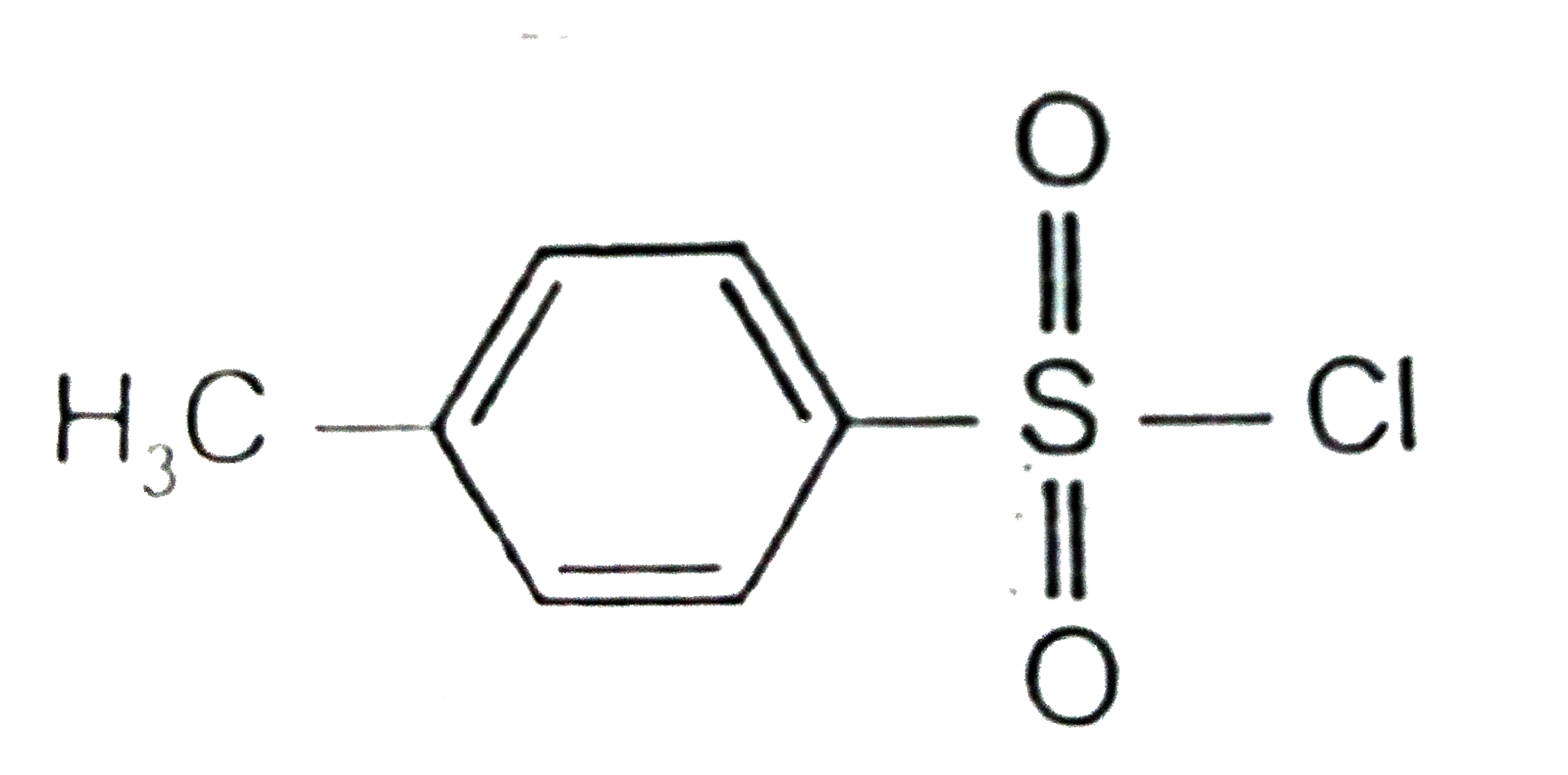
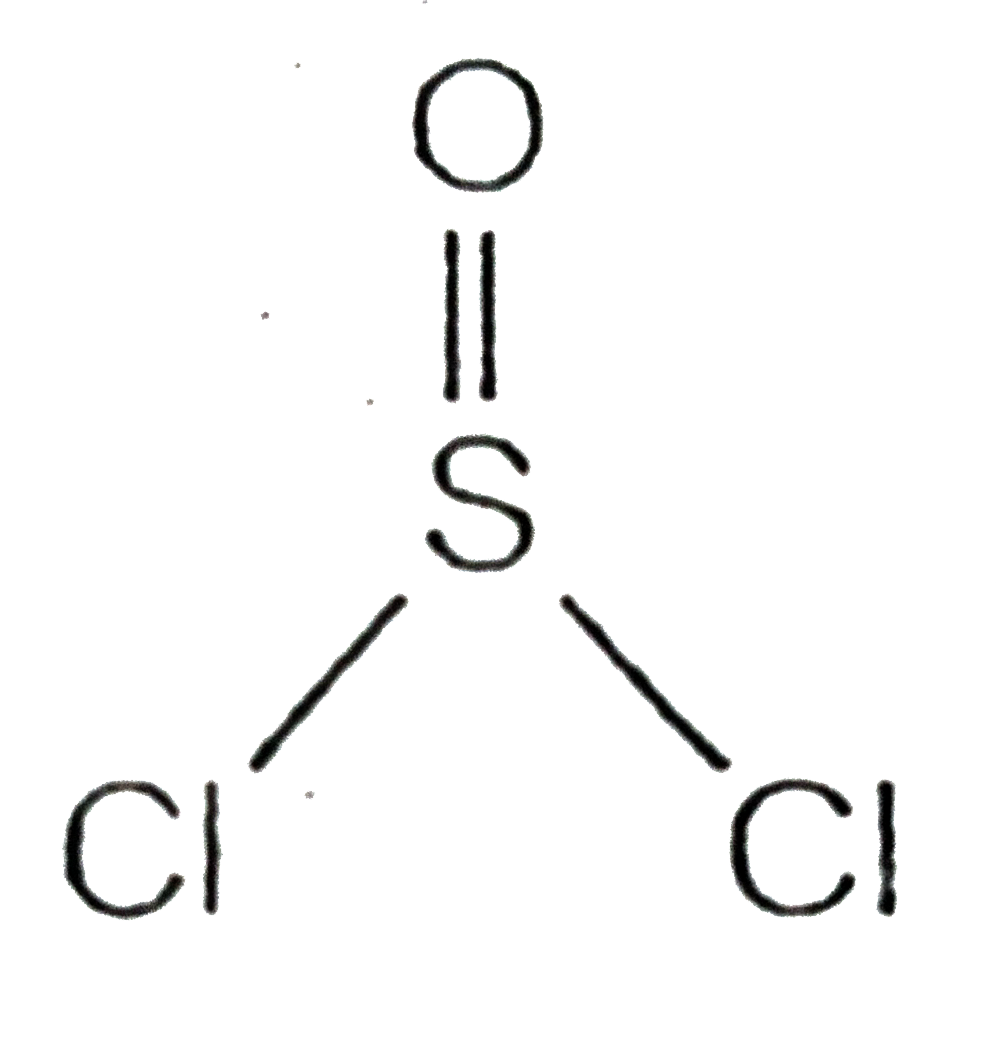
Which of the following convert a primary hydroxyl group into good leaving group for a `S_(N)2` reaction ?

A

B

C

`PCl_(5)`

D

Nal (5 molar solution )

Text Solution

AI Generated Solution

The correct Answer is:

To convert a primary hydroxyl group into a good leaving group for an \( S_N2 \) reaction, we need to consider various reagents that can facilitate this transformation. Here’s a step-by-step solution to identify which reagents can achieve this: ### Step 1: Understand the Primary Hydroxyl Group A primary hydroxyl group (–OH) is present in primary alcohols. In order to participate in an \( S_N2 \) reaction, the hydroxyl group must be converted into a better leaving group, such as a halide ion (Cl⁻, Br⁻, or I⁻). **Hint:** Recall that a good leaving group is typically a stable ion or molecule that can depart easily during a reaction. ### Step 2: Analyze the Given Reagents We will examine each of the given reagents to see if they can convert the primary hydroxyl group into a good leaving group. 1. **Reagent A: HCl (Hydrochloric Acid)** - When HCl reacts with a primary alcohol, it protonates the hydroxyl group, converting it into water (H₂O), which is a good leaving group. - The reaction can be represented as: \[ RCH_2OH + HCl \rightarrow RCH_2Cl + H_2O \] - **Conclusion:** This reagent is effective in converting the hydroxyl group into a good leaving group. **Hint:** Consider how protonation of the hydroxyl group affects its ability to leave. 2. **Reagent B: SOCl₂ (Thionyl Chloride)** - SOCl₂ reacts with primary alcohols to convert the hydroxyl group into a chloride. The reaction involves the formation of an intermediate that eventually leads to the release of HCl and the formation of a good leaving group. - The reaction can be represented as: \[ RCH_2OH + SOCl_2 \rightarrow RCH_2Cl + SO_2 + HCl \] - **Conclusion:** This reagent also effectively converts the hydroxyl group into a good leaving group. **Hint:** Look for reagents that can replace the hydroxyl group with a halide. 3. **Reagent C: PCl₅ (Phosphorus Pentachloride)** - PCl₅ can convert the hydroxyl group into a chloride by replacing the –OH group with a –Cl group, forming a good leaving group. - The reaction can be represented as: \[ RCH_2OH + PCl_5 \rightarrow RCH_2Cl + POCl_3 + HCl \] - **Conclusion:** This reagent is also effective in converting the hydroxyl group into a good leaving group. **Hint:** Consider the role of phosphorus compounds in halogenation reactions. 4. **Reagent D: NaI (Sodium Iodide)** - Sodium iodide reacts with primary alcohols but does not convert the hydroxyl group into a good leaving group. Instead, it forms an alkoxide (–O⁻Na⁺), which is not a good leaving group in \( S_N2 \) reactions. - The reaction can be represented as: \[ RCH_2OH + NaI \rightarrow RCH_2O^-Na^+ + HI \] - **Conclusion:** This reagent does not effectively convert the hydroxyl group into a good leaving group. **Hint:** Consider whether the product formed is a stable leaving group or not. ### Final Answer The reagents that convert a primary hydroxyl group into a good leaving group for an \( S_N2 \) reaction are: - **A (HCl)** - **B (SOCl₂)** - **C (PCl₅)** The correct options are A, B, and C.

To convert a primary hydroxyl group into a good leaving group for an \( S_N2 \) reaction, we need to consider various reagents that can facilitate this transformation. Here’s a step-by-step solution to identify which reagents can achieve this: ### Step 1: Understand the Primary Hydroxyl Group A primary hydroxyl group (–OH) is present in primary alcohols. In order to participate in an \( S_N2 \) reaction, the hydroxyl group must be converted into a better leaving group, such as a halide ion (Cl⁻, Br⁻, or I⁻). **Hint:** Recall that a good leaving group is typically a stable ion or molecule that can depart easily during a reaction. ### Step 2: Analyze the Given Reagents ...
Promotional Banner

Similar Questions

Explore conceptually related problems

Which of the following is propargyl group?

Which of the following is not the correct grouping?

The number of hydroxyl group(s) in N is

In the following S_(N)2 reaction

Which of the following statements are true for group 2 elements?

In which of the following species containing both nucleophile and leaving group, intramolecular SN reaction occurs ?

Which of the following group (s) is/are m-directing ?
