Home
Class 12
CHEMISTRY
Which of the following reaction can be ...

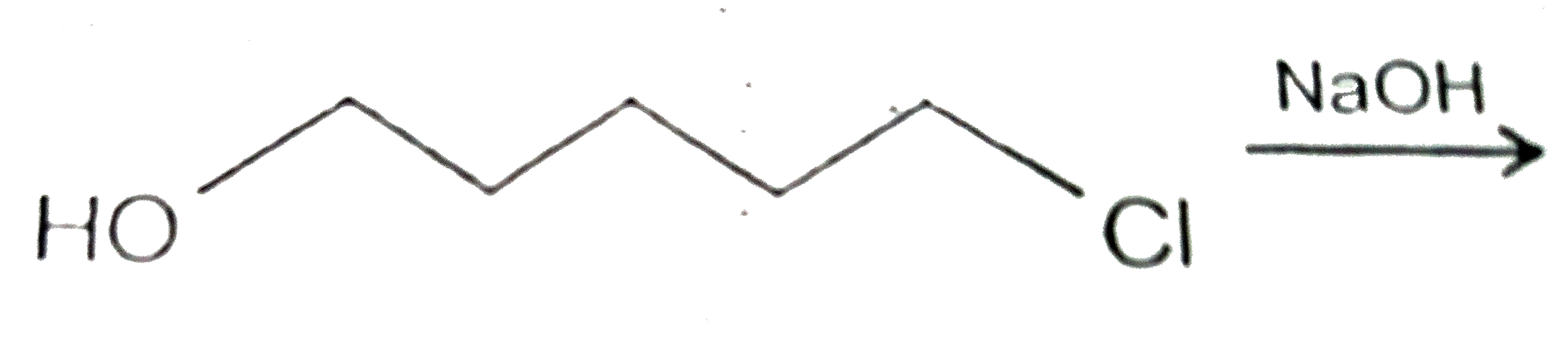
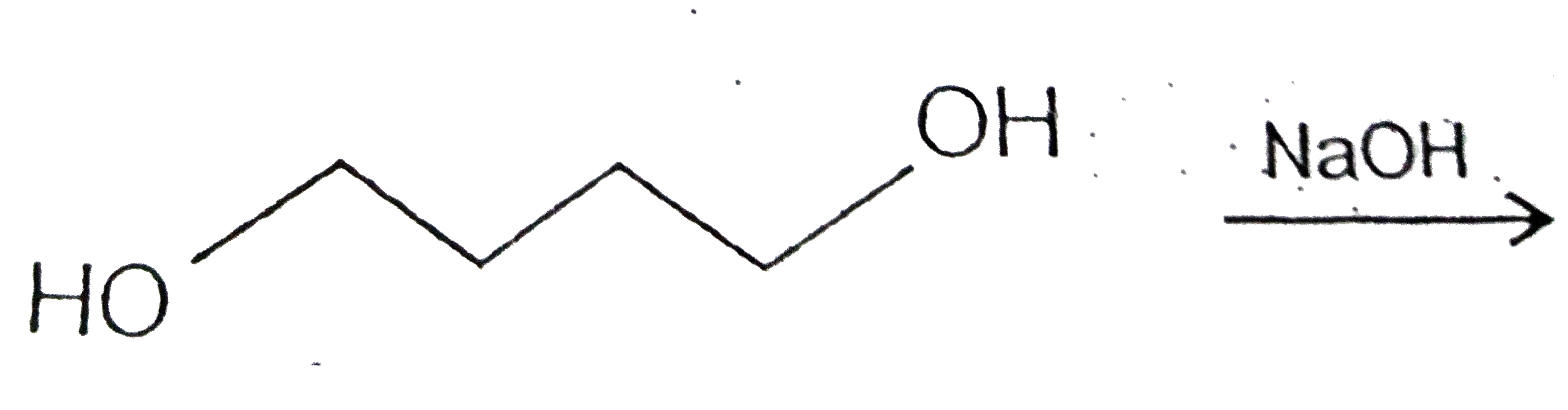
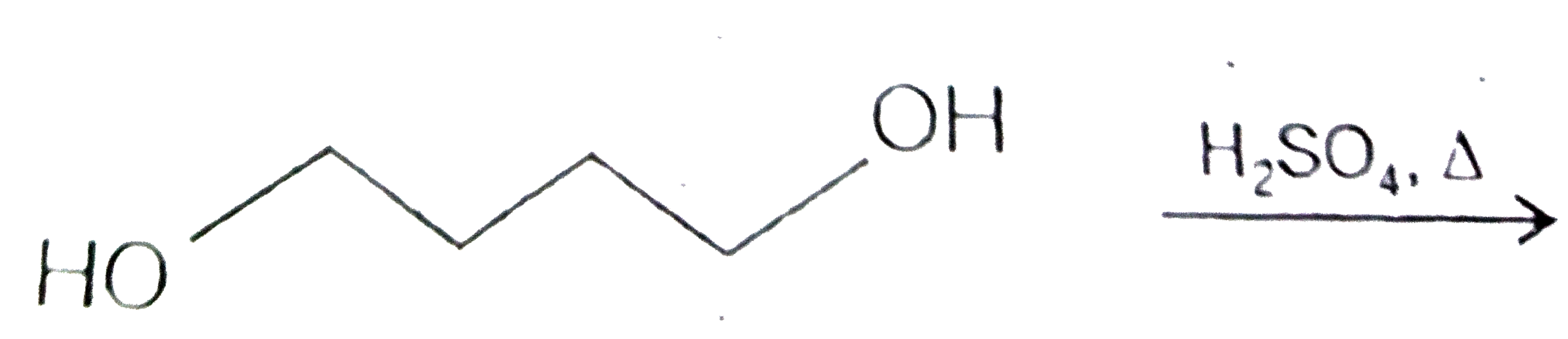
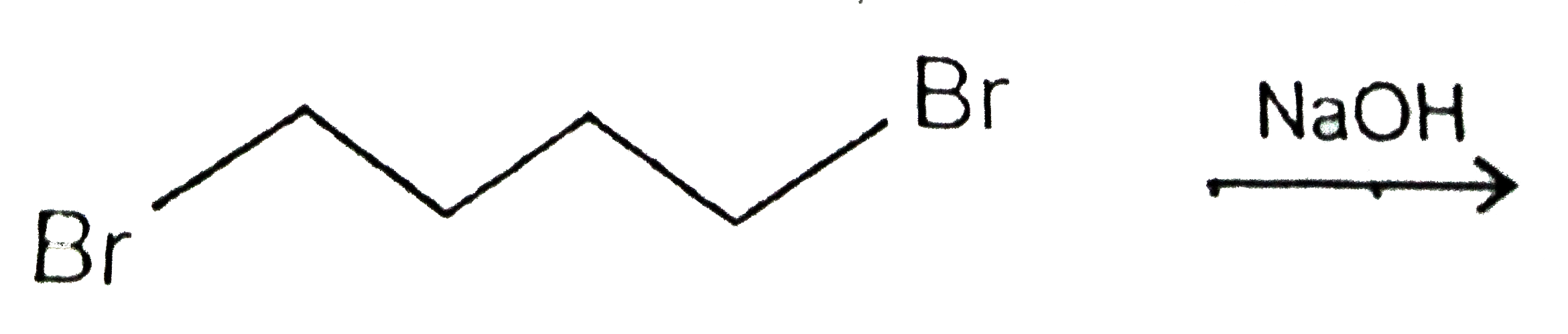
Which of the following reaction can be used to prepare cyclic ethers ?

A

B

C

D

Text Solution

AI Generated Solution

The correct Answer is:

To determine which reactions can be used to prepare cyclic ethers, we will analyze each of the provided reactions step by step. ### Step 1: Analyze Reaction A 1. **Identify the reactants**: In this reaction, we have an alcohol (OH) and sodium hydroxide (NaOH). 2. **Mechanism**: The hydroxide ion (OH-) from NaOH acts as a base and deprotonates the alcohol, creating a negatively charged oxygen. 3. **Nucleophilic attack**: The negatively charged oxygen can then attack a carbon atom that is part of a leaving group (in this case, a chlorine atom). The chlorine leaves as a chloride ion (Cl-), allowing the formation of a cyclic ether. 4. **Conclusion**: This reaction can indeed form a cyclic ether. ### Step 2: Analyze Reaction B 1. **Identify the reactants**: This reaction also involves an alcohol and sodium hydroxide. 2. **Mechanism**: Similar to Reaction A, the hydroxide ion deprotonates the alcohol. However, in this case, the negatively charged oxygen cannot effectively attack another carbon atom because the leaving group is a hydroxyl group (OH-), which is a poor leaving group. 3. **Conclusion**: This reaction does not lead to the formation of a cyclic ether. ### Step 3: Analyze Reaction C 1. **Identify the reactants**: This reaction involves an alcohol, sulfuric acid (H2SO4), and heat. 2. **Mechanism**: The sulfuric acid protonates the alcohol, making it a better leaving group (water). When water leaves, a carbocation is formed. 3. **Nucleophilic attack**: The oxygen can then attack the carbocation, leading to the formation of a cyclic ether. 4. **Conclusion**: This reaction can successfully form a cyclic ether. ### Step 4: Analyze Reaction D 1. **Identify the reactants**: This reaction involves a bromo-substituted compound and sodium hydride (NaH). 2. **Mechanism**: The hydroxide ion (from NaH) acts as a nucleophile and attacks the carbon bonded to the bromine, leading to a nucleophilic substitution (SN2 reaction). 3. **Conclusion**: This reaction does not form a cyclic ether, as it results in a substitution product instead. ### Final Conclusion The reactions that can be used to prepare cyclic ethers are: - **Reaction A** - **Reaction C**

To determine which reactions can be used to prepare cyclic ethers, we will analyze each of the provided reactions step by step. ### Step 1: Analyze Reaction A 1. **Identify the reactants**: In this reaction, we have an alcohol (OH) and sodium hydroxide (NaOH). 2. **Mechanism**: The hydroxide ion (OH-) from NaOH acts as a base and deprotonates the alcohol, creating a negatively charged oxygen. 3. **Nucleophilic attack**: The negatively charged oxygen can then attack a carbon atom that is part of a leaving group (in this case, a chlorine atom). The chlorine leaves as a chloride ion (Cl-), allowing the formation of a cyclic ether. 4. **Conclusion**: This reaction can indeed form a cyclic ether. ...
Promotional Banner

Similar Questions

Explore conceptually related problems

Which of the following reactions can be used to prepare methane?

Ortho salicylic acid is frequently used as precursor for the preparation of Asprin. Which of the following reactions can be used to prepare o- salicylic acid from phenol

Which of the following reactions can be used to make ethyl isocyanide?

Which of the following methods can be used to prepare propanoic acid?

Which one of the following reactions can be used for the preparation of beta - hydroxy acid

Which of the following process can be used to prepare polystyrene?

Which of the following reagents can be used to prepare and alkyl halide from an alcohol (ROH) :-
