Home
Class 12
CHEMISTRY
Both carbonyl compounds and acid derivat...

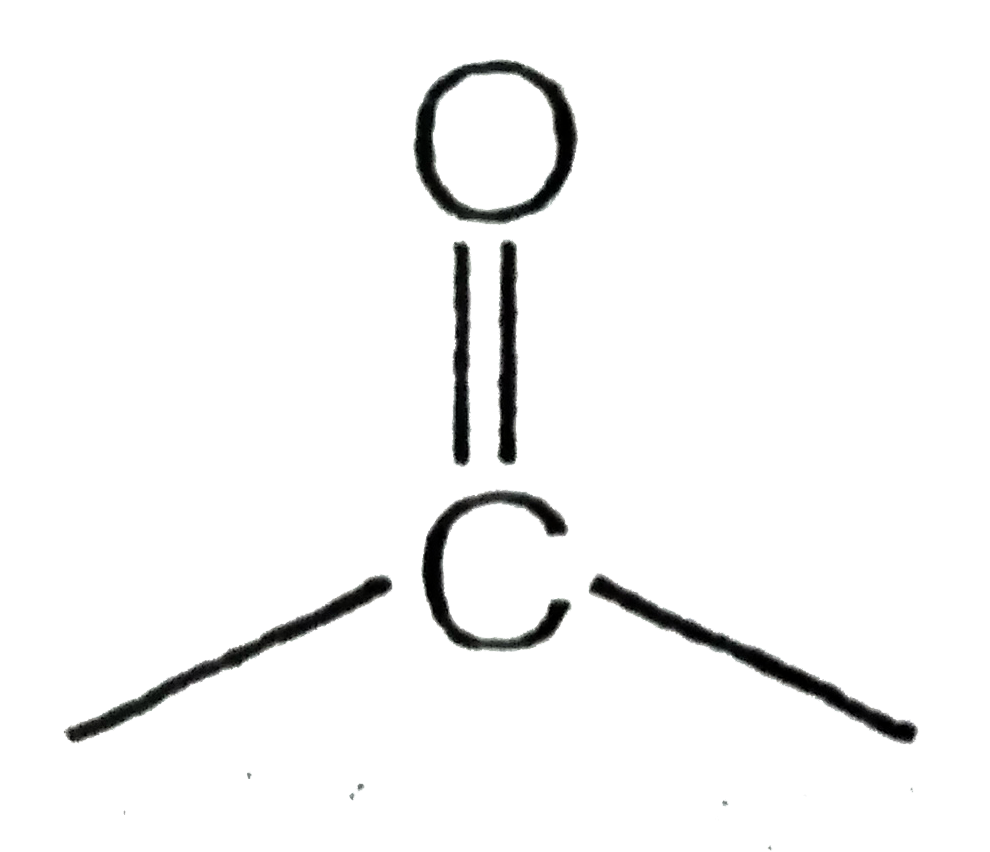
Both carbonyl compounds and acid derivatives though they contain grouping yet the reactions given by them are entirely different.
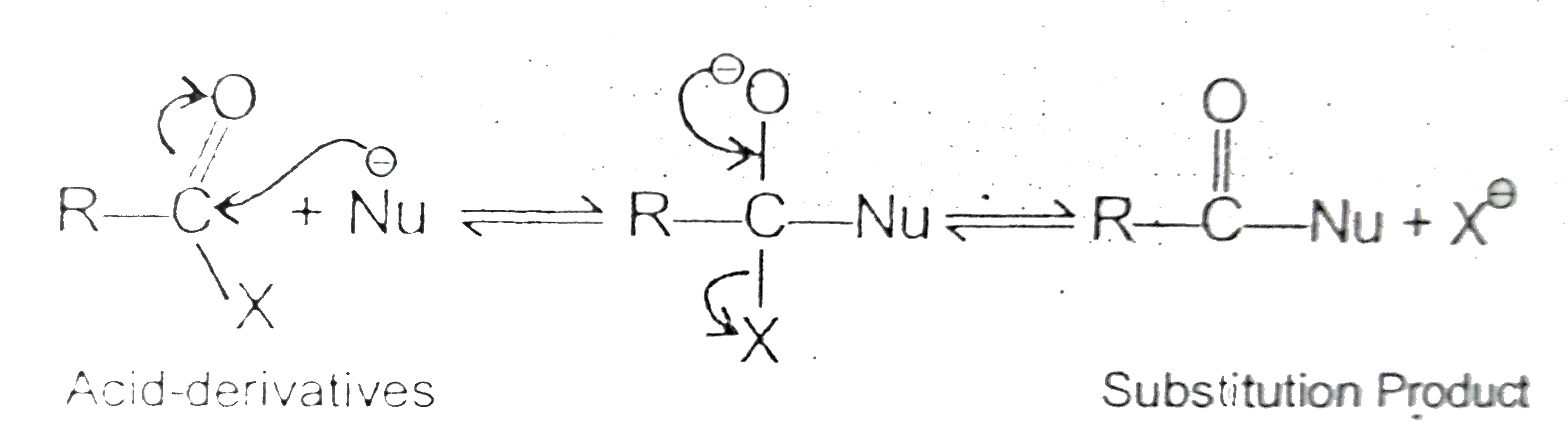
As Aldehydes and Ketones give addition product with a nucleophile, while carboxylic acid derivatives give nucleophilic acyl substitution through addition/elimination mechanism.

Where `X- = -Cl - O-overset(O)overset(||)C-R-OR, -NR(R)` etc.

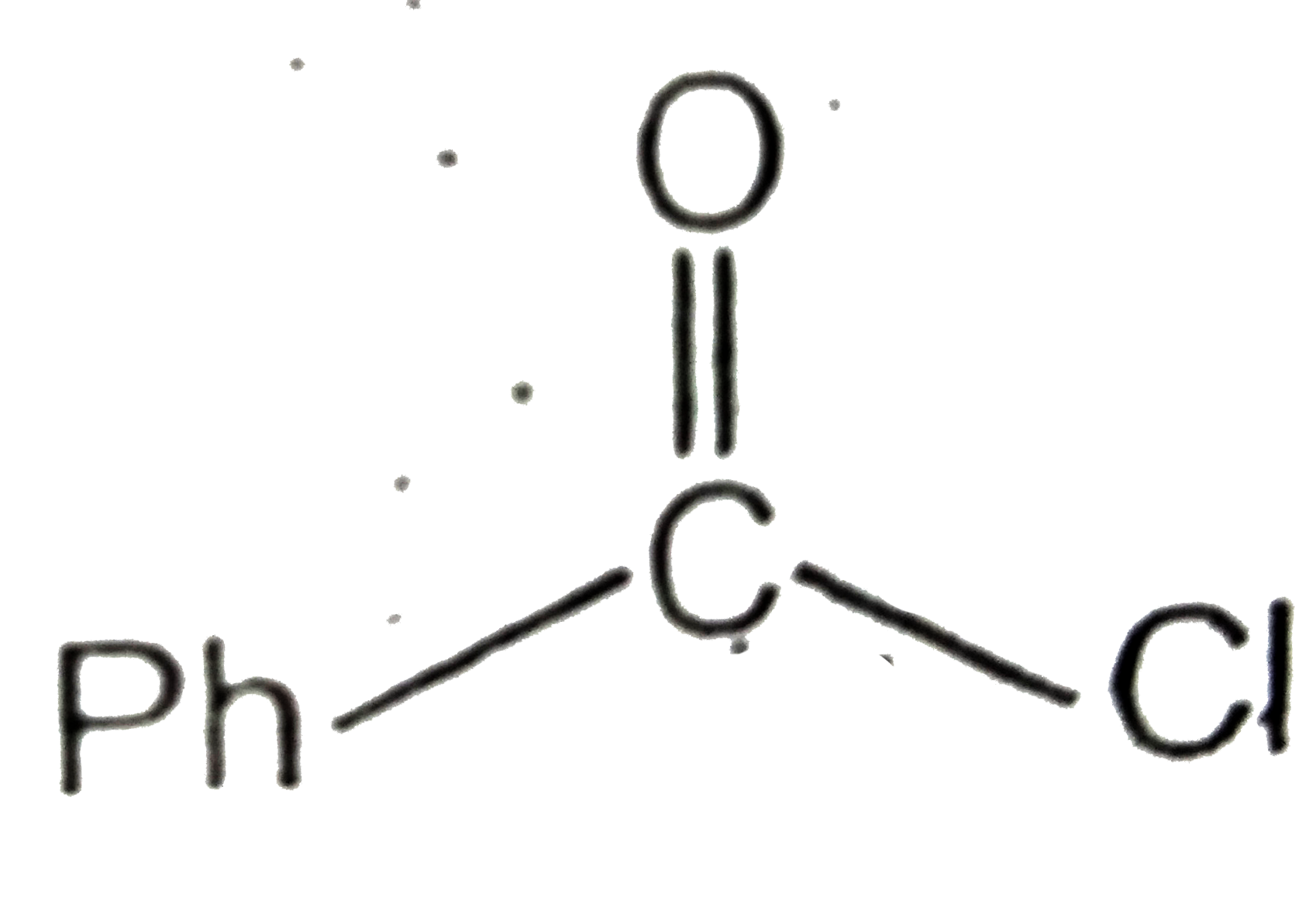
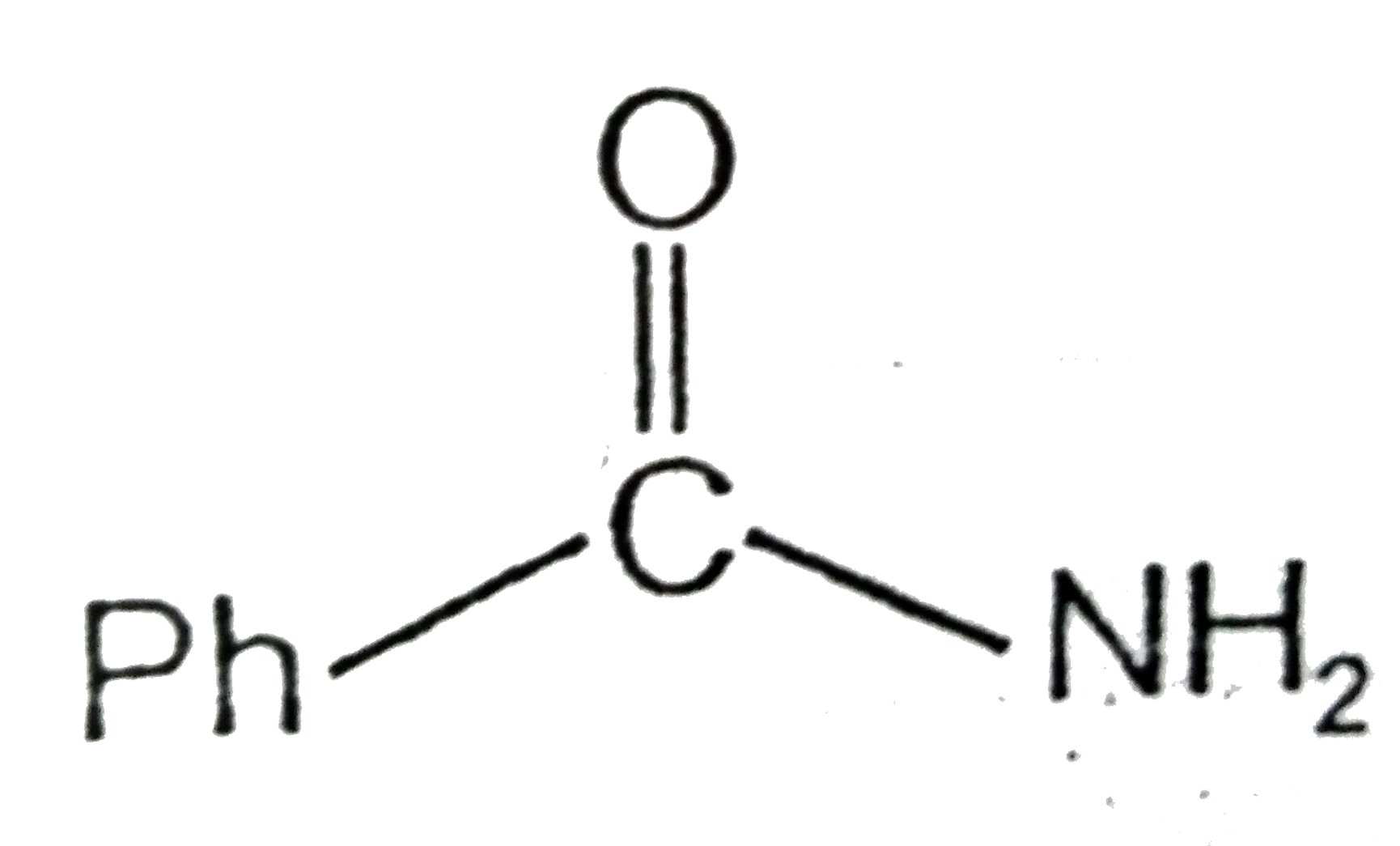
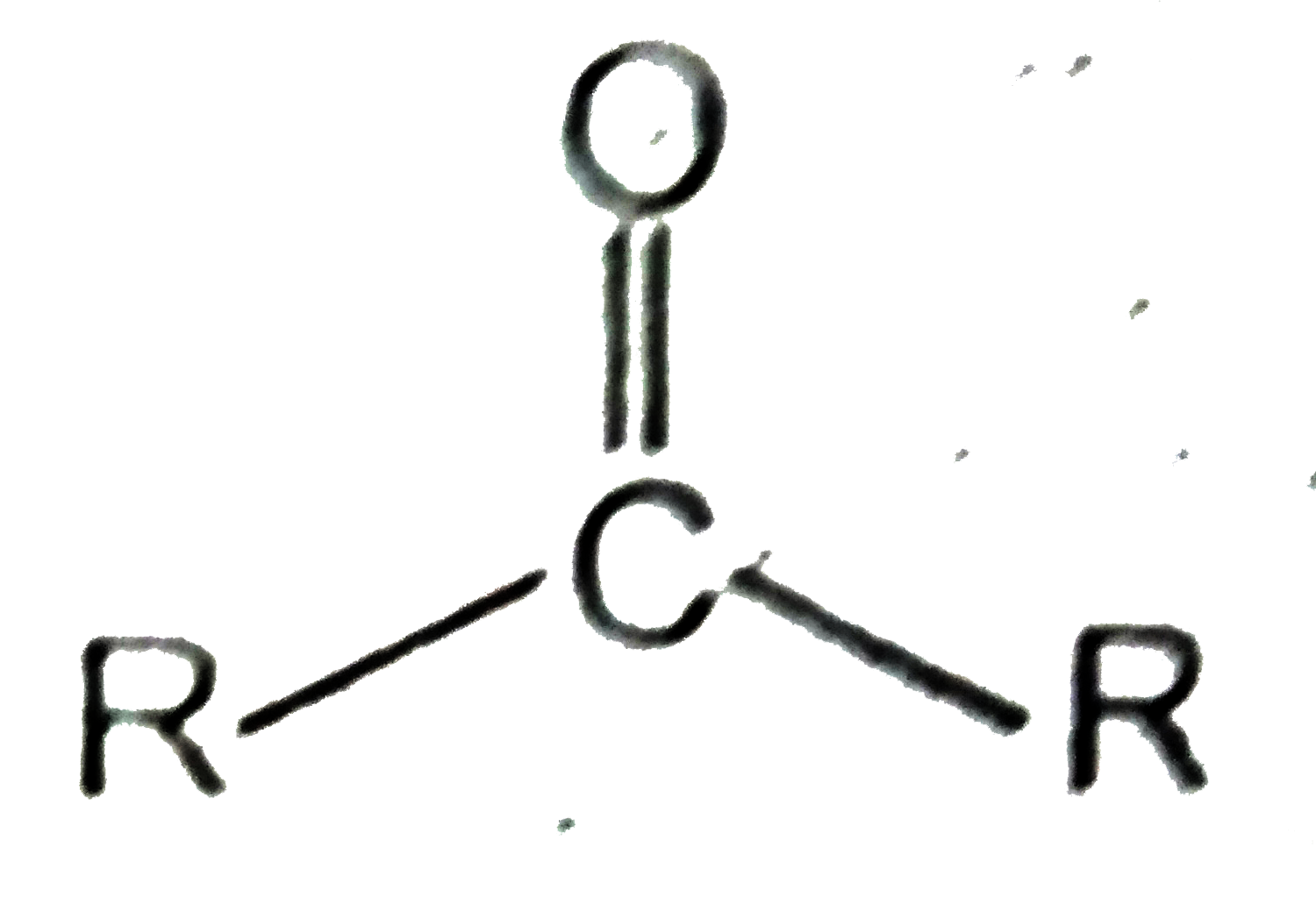
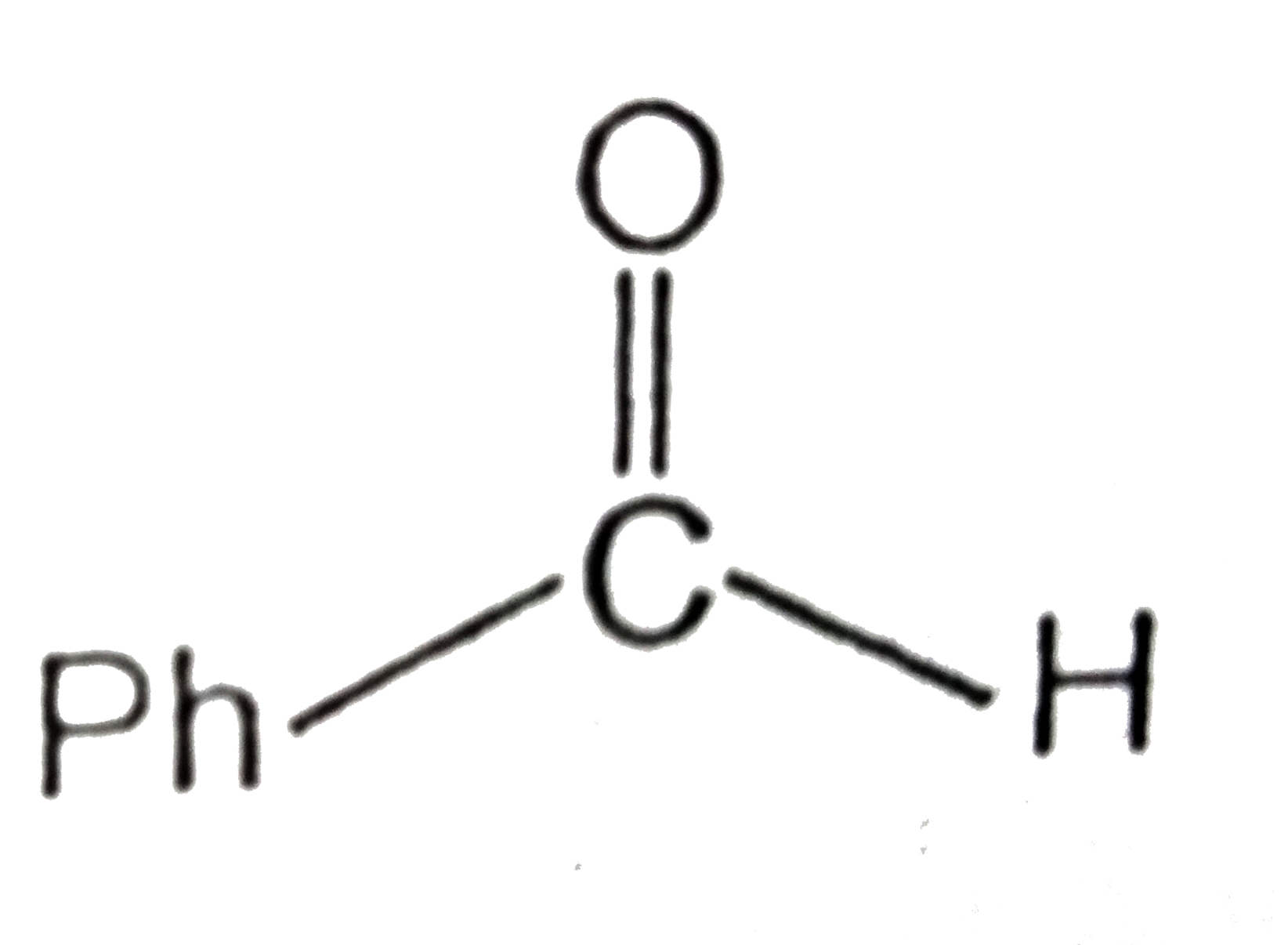
Which of the following is most reactive towards a nucleophile?

A

B

C

D

Text Solution

Verified by Experts

The correct Answer is:
A
Promotional Banner

Topper's Solved these Questions

  • ALDEHYDES, KETONES AND CARBOXYLIC ACIDS

    AAKASH INSTITUTE ENGLISH|Exercise Assignment SECTION - E Assertion - Reason Type Questions)|7 Videos
  • ALDEHYDES, KETONES AND CARBOXYLIC ACIDS

    AAKASH INSTITUTE ENGLISH|Exercise Assignment (SECTION - F Matrix Match type Questions)|4 Videos
  • ALDEHYDES, KETONES AND CARBOXYLIC ACIDS

    AAKASH INSTITUTE ENGLISH|Exercise Assignment (SECTION -C Objective type questions more than one options are correct)|11 Videos
  • ALCOHOLS, PHENOLS AND ETHERS

    AAKASH INSTITUTE ENGLISH|Exercise Try Yourself|5 Videos
  • AMINES

    AAKASH INSTITUTE ENGLISH|Exercise Assignment Section -J (Aakash Challengers Questions)|9 Videos

Similar Questions

Explore conceptually related problems

Both carbonyl compounds and acid derivatives though they contain grouping yet the reactions given by them are entirely different. As Aldehydes and Ketones give addition product with a nucleophile, while carboxylic acid derivatives give nucleophilic acyl substitution through addition/elimination mechanism. Where X- = -Cl ,- O-overset(O)overset(||)C-R, -OR, -N(R)R etc. Carbonyl character is most supressed in
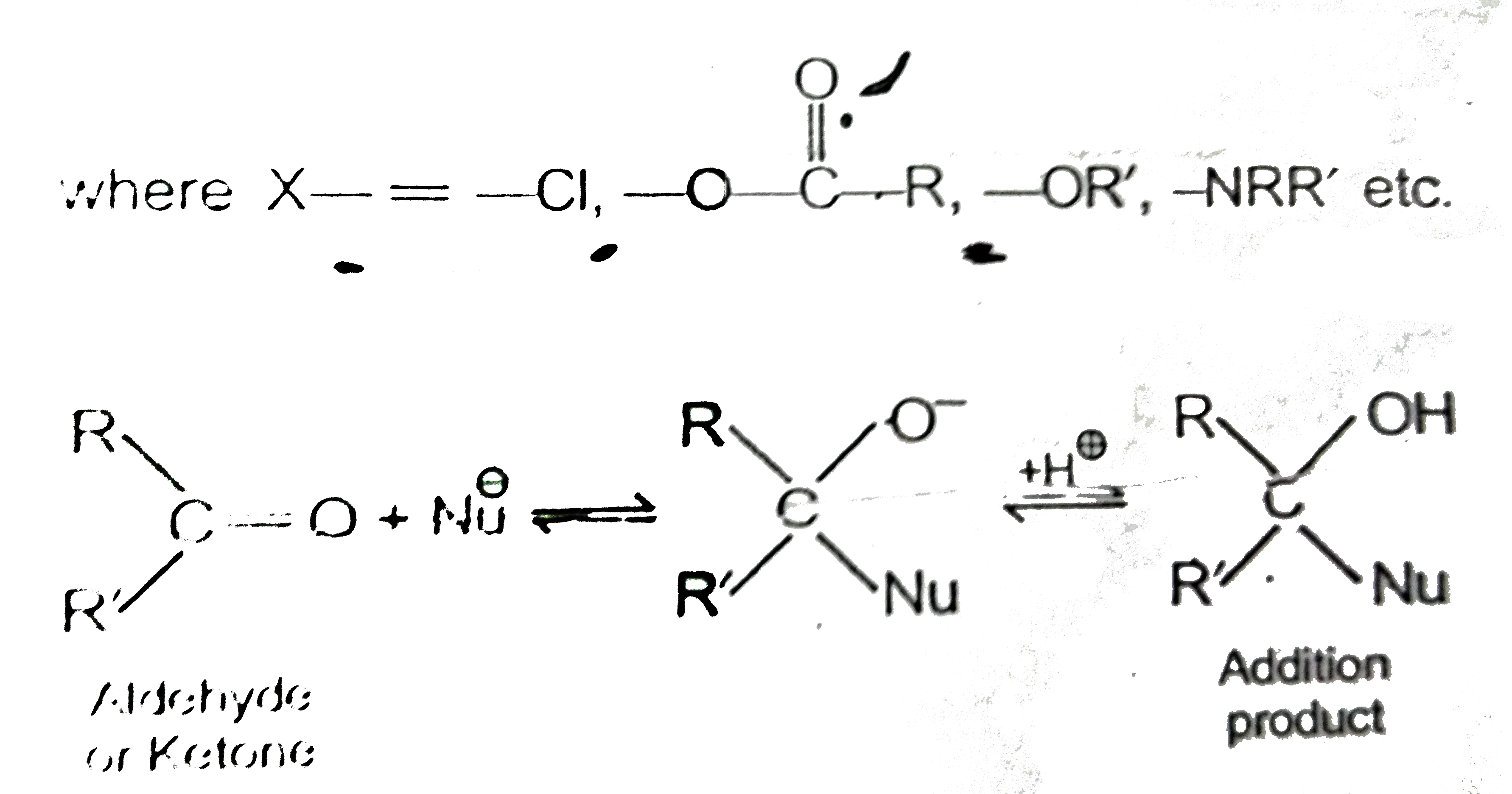
Both carbonyl compounds and acid derivatives though they contain grouping yet the reactions given by them are entirely different. As Aldehydes and Ketones give addition product with a nucleophile, while carboxylic acid derivatives give nucleophilic acyl substitution through addition/elimination mechanism. Where X- = -Cl - O-overset(O)overset(||)C-R-OR, -NR(R) etc. Why aldeydes and Ketones give nucleophilic addition reaction while acid derivatives prefer nucleophilic acyl substititution reaction?

Aldehyde, ketone, acid and acid derivatives contain gtC=O group. Aldehyde and ketones gives nucleop addition reactions where as acid and acid derivatives gives nucleophilic addition followed by ellmination reaction Nucleophilic addition reactions followed by ellimination of acid derivatives is known as acyl substitution reacts This subsitution reaction takes places by formation of tertrahedral intermediate. Which one of the following is least reactive compound for nucleophilic acyl substitution.

Aldehyde, ketone, acid and acid derivatives contain gtC=O group. Aldehyde and ketones gives nucleop addition reactions where as acid and acid derivatives gives nucleophilic addition followed by ellmination reaction Nucleophilic addition reactions followed by ellimination of acid derivatives is known as acyl substitution reacts This subsitution reaction takes places by formation of tertrahedral intermediate. Which of the following compounds has very poor leaving group?

Aldehyde, ketone, acid and acid derivatives contain gtC=O group. Aldehyde and ketones gives nucleop addition reactions where as acid and acid derivatives gives nucleophilic addition followed by ellmination reaction Nucleophilic addition reactions followed by ellimination of acid derivatives is known as acyl substitution reacts This subsitution reaction takes places by formation of tertrahedral intermediate. For the given reaction which of these is correct?

Aldehydes and ketones are amphoteric. Thus they can act both as acids and bases. Under acidic conditions, the carbon of the protonated canbonyl group is much more electrophilic, reacting even with weak nucleopphilie. Carbonyl compound gives nucleophilic addition reaction. In this reaction the nucleophilic attack proceeds the elecrophilic attack. Which one of the carbonyl compounds is more reactive towards NaCN//H^(+) ?

Aldehyde and ketones are specially susceptible susceptible to nucleophile addition because carbonyl group (due to electronegatvity different between carbon and oxygen). Positive charge on carbon makes it reactive towards the nucleophile. This addition is catalysed by acid. Reactivity of carbonyl compound towards nucleophilic addition increases in the electron deficience at carbonyl carbon. Thus, (-I.E.) group increase while (+I.E.) groups decrease the reactivity of carbonyl compound Which of the following is most reactve to give nucleophilic addition?

Aldehydes and ketones are amphoteric. Thus they can act both as acids and bases. Under acidic conditions, the carbon of the protonated canbonyl group is much more electrophilic, reacting even with weak nucleopphilie. Carbonyl compound gives nucleophilic addition reaction. In this reaction the nucleophilic attack proceeds the elecrophilic attack. Which of the statements are//is correct?

Aldehydes and ketones are amphoteric. Thus they can act both as acids and bases. Under acidic conditions, the carbon of the protonated canbonyl group is much more electrophilic, reacting even with weak nucleopphilie. Carbonyl compound gives nucleophilic addition reaction. In this reaction the nucleophilic attack proceeds the elecrophilic attack. Which of these statements are correct?

Statement-I: Unlike the gtC=O group of aldehydes and ketones, the C=O of R-overset(O)overset(||)C-OH does not undergo nucleophilic addition reactions. Because Statement-II: Carboxylic acids exist as dimers due to intermolecular hydrogen bonding in aprotic medium.