Text Solution
Verified by Experts



Topper's Solved these Questions
RESPIRATION IN PLANTS
VIKRAM PUBLICATION ( ANDHRA PUBLICATION)|Exercise IMPORTANT QUESTIONS |7 VideosREPRODUCTIVE HEALTH
VIKRAM PUBLICATION ( ANDHRA PUBLICATION)|Exercise SHORT ANSWER QUESTIONS|5 VideosSTRATEGIES FOR ENCHANCEMENT IN FOOD PRODUCTION
VIKRAM PUBLICATION ( ANDHRA PUBLICATION)|Exercise EXERCISE|8 Videos
Similar Questions
Explore conceptually related problems
VIKRAM PUBLICATION ( ANDHRA PUBLICATION)-RESPIRATION IN PLANTS -EXERCISES
- Distinguish between Respiration and Combustion
Text Solution
|
- Instant source of energy/most common respiratory substrate is
Text Solution
|
- Give the schematic representation of. glycolysis.
Text Solution
|
- What are the end products of aerobic respiration ?
Text Solution
|
- Give the schematic representation of an overall view of Krebs cycle.
Text Solution
|
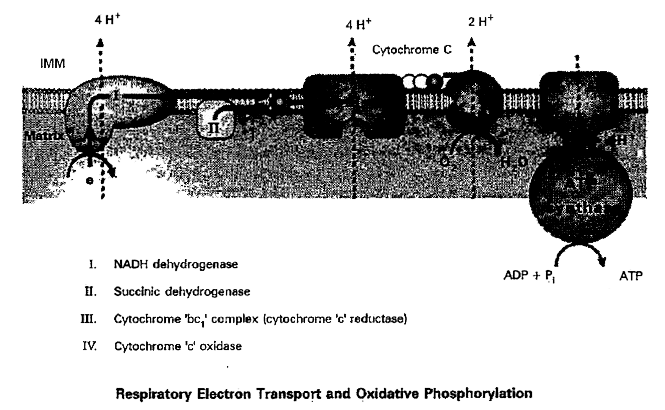
- Explain ETS.
Text Solution
|
- Distinguish between Aerobic and Anaerobic respiration
Text Solution
|
- One of the following is not true about ATP
Text Solution
|
- What is meant by Amphibolic pathway ?
Text Solution
|
- Higher respiratory quotient is in which among the following?
Text Solution
|
- Main source of ATP in a cell is by oxidative phosphorylation is
Text Solution
|
- What is respiration ?
Text Solution
|
- Find the correct-ascending sequence of the following, on the basis of ...
Text Solution
|
- Glycolysis occurs in
Text Solution
|
- If a person is feeling, dizzy, glucose or fruit juice is given immedia...
Text Solution
|
- If a person is feeling, dizzy, glucose or fruit juice is given immedia...
Text Solution
|
- It is known that red muscle fibres in animals can work for longer peri...
Text Solution
|