Home
Class 12
CHEMISTRY
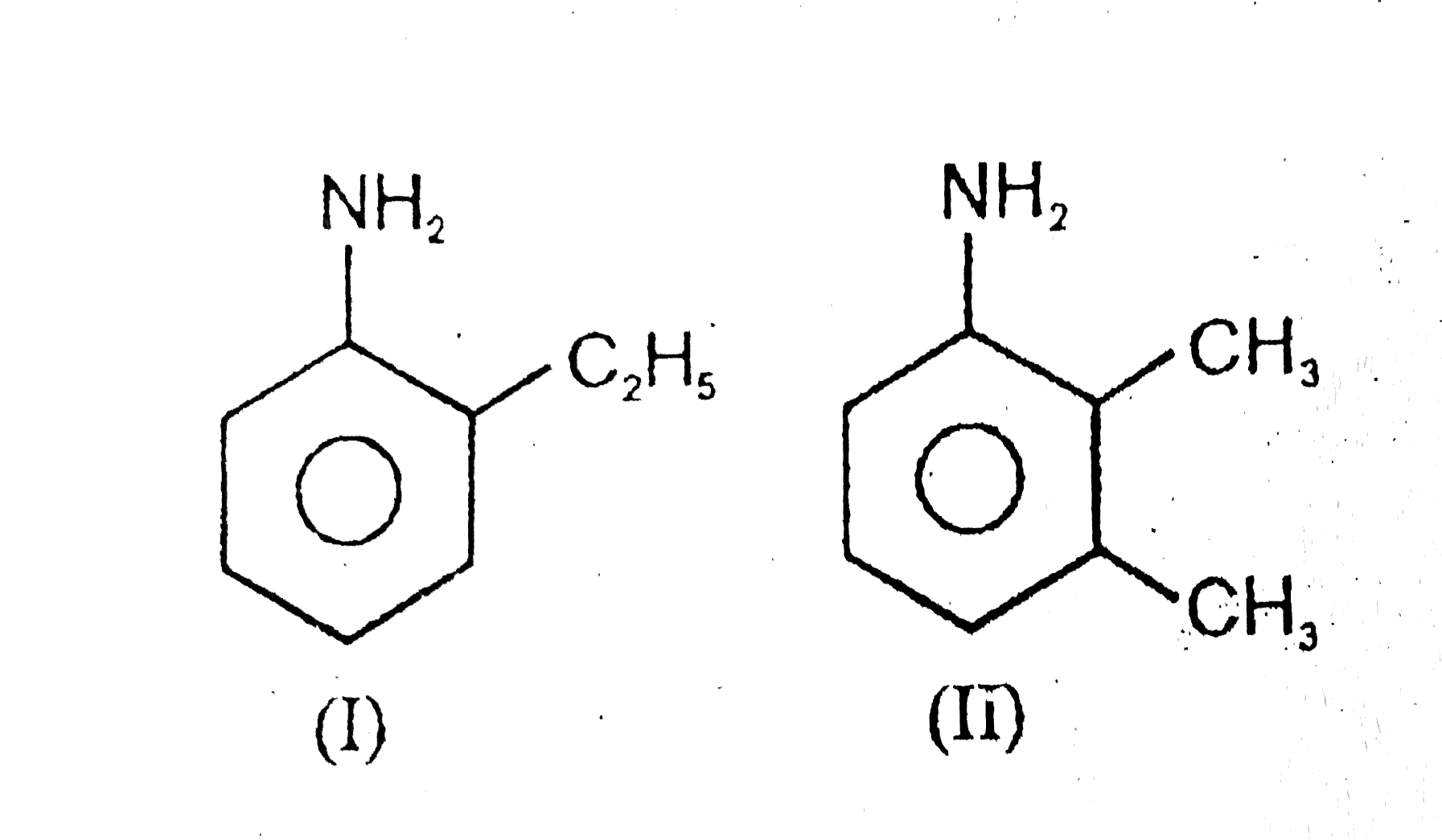
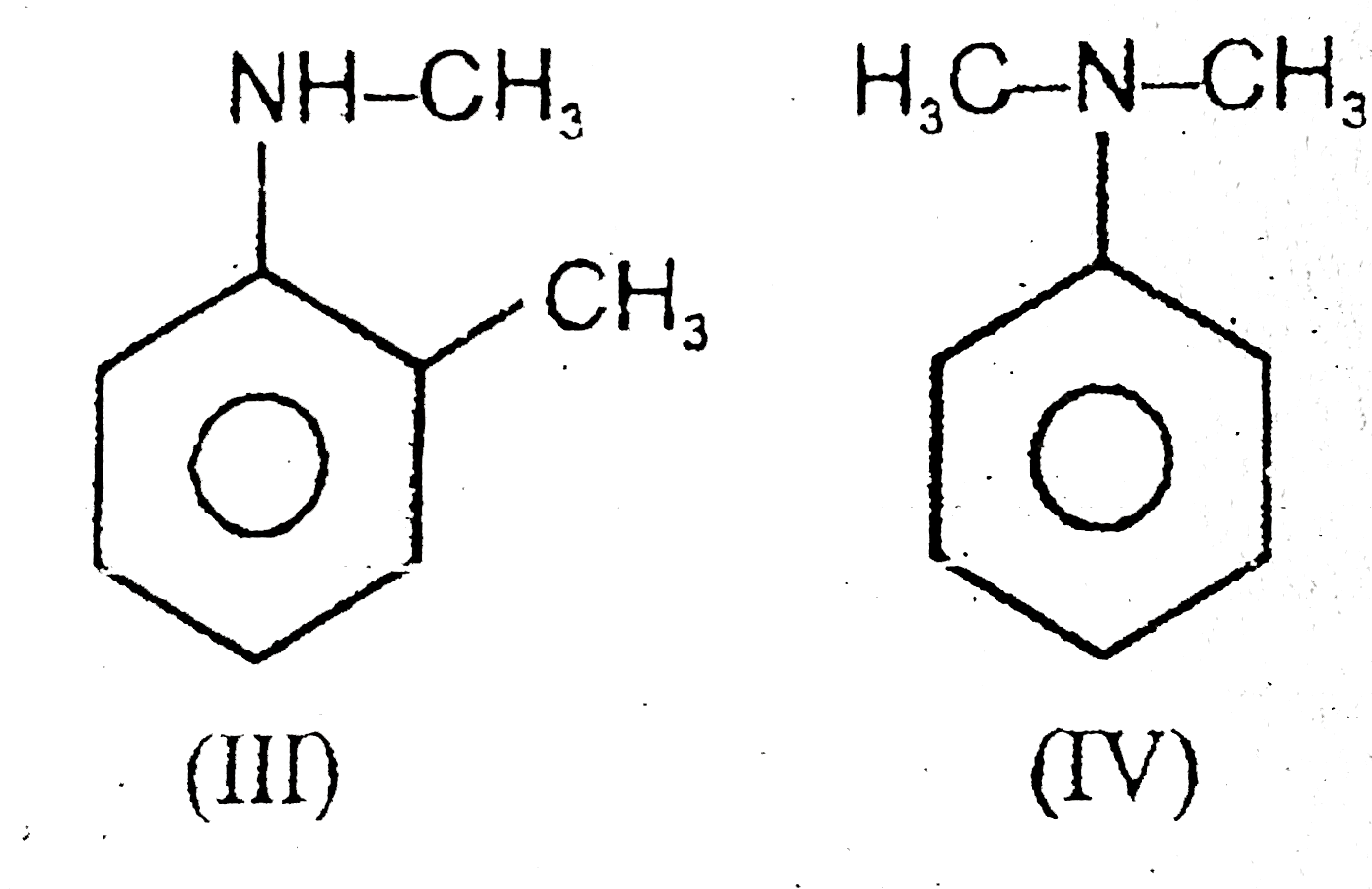
(A) I & II are chain isomers (B) I & ...


(A) I & II are chain isomers
(B) I & III are functional isomers
(C ) III & IV are metamers
(D) III & IV are functional isomers
Incorrect statement is :

A

Only A & B

B

Only C

C

Only C & D

D

Only A & C

Text Solution

Verified by Experts

The correct Answer is:

B
Promotional Banner

Similar Questions

Explore conceptually related problems

Consider the following spatial arrangements of the octahedral complex ion [Co(NH_(3))_(4)CI_(2)]^(o+) Which of the following statements is incorrect regarding these structures? (a) I and II are enantiomers (b) II and III are cis and trans isomers respectively (c) III and IV are cis and trans isomers respectively (d) II and IV have identical structures .

Write chain and functional isomers of C_(4)H_(8)O .

Write the ring chain functional isomer of compound But- 2 -ene are?

Write the ring chain functional isomer of compound But- 2 -ene are?

I. Give various functional isomers of butanenitrile and give their isomeric relations.

Consider the following reaction and statements: [Co(NH_(3))_(4)Br_2]^(+)+Br^(-) to [Co(NH_(3))_(3)Br_3]+NH_(3) (I) Two isomers are produced if the reactant complex ion is a cis-isomer. (II) Two isomers are produced if the reactant complex ion is a tran-isomer. (III) Only one isomers is produced if the reactant complex ion is a tran-isomer. (IV) Only one isomers is produced if the reactant complex ion is a cis-isomer. The correct statements are :

Which of the following are not state functions? (I) q+w (II) q (III) w (IV) H-TS

Which of the following are not state functions? (I) q+w (II) q (III) w (IV) H-TS

Germanium has been doped with impurity as shown in I, II, III and IV and based as it statements A. n-type semiconductor is formed in I and III B. p-type semiconductor is formed in II and IV C. P-type semiconductor is formed in II and IV D. p-type semiconductor is formed in I and III Select the correct statement(s).

How many statements are true for the following pair of compounds ? Cis Trans (i) The dipole moment of trans isomer is zero (ii) The boiling point of cis isomer is more than trans isomer (iii) Cis isomer is more stable than the trans isomer (iv) These are also called configurational diastereomers (v) These are readily interconvertible under normal conditions (vi) The melting point of trans isomer is more than the cis isomer (vii) Trans isomer is more soluble than cis isomer in polar solvents
