
Home
Class 12
CHEMISTRY
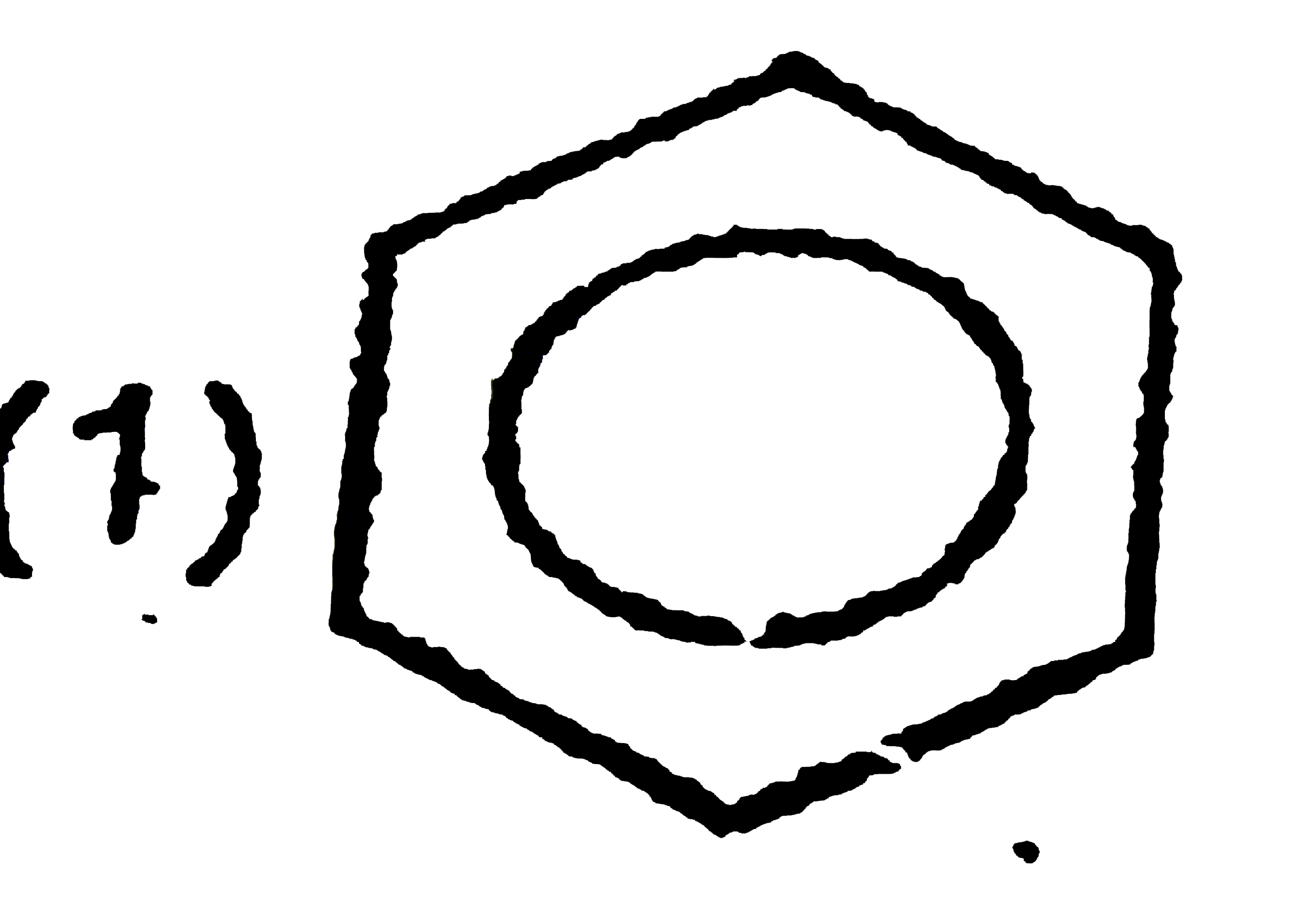
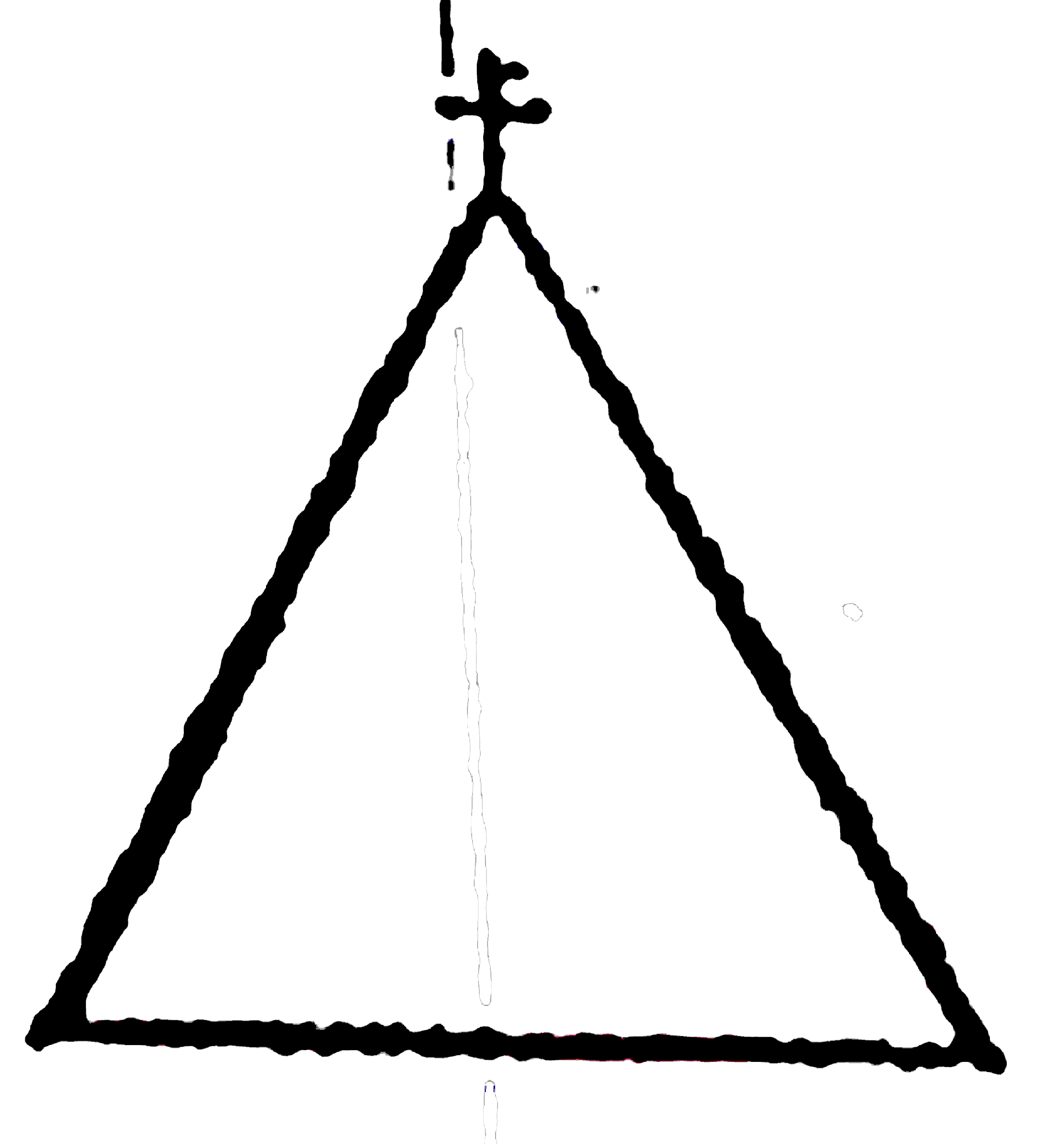
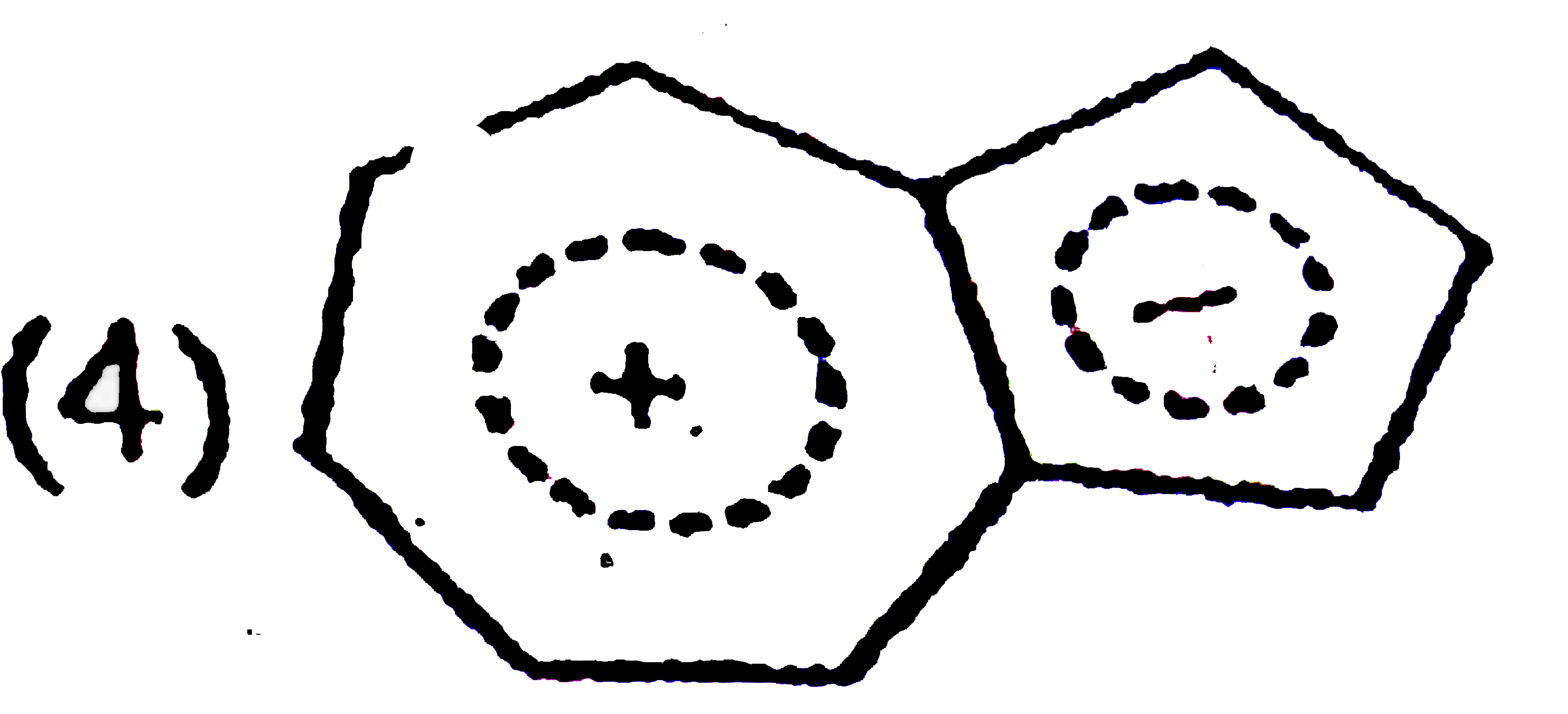
The chemical system that is non- aromati...

The chemical system that is non`-` aromatic is

A

B

C

D

Text Solution

AI Generated Solution

The correct Answer is:

To determine which chemical system is non-aromatic, we need to follow a few steps based on the characteristics of aromatic compounds. Here’s a step-by-step solution: ### Step 1: Understand the Criteria for Aromaticity A compound is considered aromatic if it meets the following criteria: 1. It must be cyclic. 2. It must have complete conjugation (p-orbitals overlapping). 3. It must follow Huckel's rule, which states that the compound must have (4n + 2) π electrons, where n is a non-negative integer. ### Step 2: Analyze the Given Options Assuming we have three options to analyze, we need to check each one against the criteria for aromaticity. - **Option 1:** Check if it is cyclic, has complete conjugation, and follows Huckel's rule. - **Option 2:** Again, check for cyclic structure, complete conjugation, and Huckel's rule. - **Option 3:** Check for cyclic structure, conjugation, and whether it follows Huckel's rule. ### Step 3: Identify Non-Aromatic Characteristics For a compound to be non-aromatic, it must: 1. Not be cyclic, or 2. Lack complete conjugation, or 3. Not follow Huckel's rule. ### Step 4: Evaluate Each Option - **Option 1:** If it is cyclic, has complete conjugation, and follows Huckel's rule, it is aromatic. - **Option 2:** If it is cyclic, has complete conjugation, and follows Huckel's rule, it is aromatic. - **Option 3:** If it is cyclic but lacks complete conjugation (for example, due to the presence of a positive charge disrupting the π system), then it does not meet the criteria for aromaticity and is classified as non-aromatic. ### Conclusion Based on the analysis, the third option is identified as non-aromatic due to the lack of complete conjugation. ### Final Answer The chemical system that is non-aromatic is **Option 3**. ---
Promotional Banner

Topper's Solved these Questions

  • FUNDAMENTAL CONCEPT

    RESONANCE ENGLISH|Exercise Inorganic chemistry (Chemistry Bonding)|6 Videos
  • EQUIVALENT CONCEPT & TITRATIONS

    RESONANCE ENGLISH|Exercise Part -IV|22 Videos
  • GASEOUS STATE

    RESONANCE ENGLISH|Exercise Exercise-3|1 Videos

Similar Questions

Explore conceptually related problems

Which of the following chemical systems is/are nonaromatic?

Which is not an aromatic species?'

What is meant by aromaticity ?

State True or false The chemical change in an electrolytic cell is non - spontaneous.

Explain why the following systems are not aromatic?

Non-aromatic compound is

Explain why the system are not aromatic?

Explain why the system are not aromatic?

Explain why the system are not aromatic?

RESONANCE ENGLISH-FUNDAMENTAL CONCEPT-ORGANIC CHEMISTRY(Fundamental Concept )
  1. Consider the S(N) 1 solvolysis of the following hallides in aqueous fo...

    Text Solution

    |

  2. The order of leaving group ability is :

    Text Solution

    |

  3. The chemical system that is non- aromatic is

    Text Solution

    |

  4. Which of the following is the least stable carbanion?

    Text Solution

    |

  5. Arrange stability of the given carbocation in decreasing order :

    Text Solution

    |

  6. Which of the following compound give solvolysis reaction with slowest ...

    Text Solution

    |

  7. The most reactive nucleophile among the following is

    Text Solution

    |

  8. Which is the correct matched for the following reactions

    Text Solution

    |

  9. What is the energy in joule of photon of light whose wave length is 12...

    Text Solution

    |

  10. The correct increasing oder of the reactivity of halides for S(N)1 rea...

    Text Solution

    |

  11. Reaction intermediate of EicB reaction is :

    Text Solution

    |

  12. The threshold wavelength for ejection of electrons from a metal is 330...

    Text Solution

    |

  13. Which of the following is not electrophile ?

    Text Solution

    |

  14. Carbongene has X percent of CO2 and is used as an antidote for the poi...

    Text Solution

    |

  15. What is the energy in joule of photon of light whose wave length is 14...

    Text Solution

    |

  16. What is the energy in joule of photon of light whose wave length is 2 ...

    Text Solution

    |

  17. Which of the following is not a nucleophile ?

    Text Solution

    |

  18. What is the energy in joule of photon of light whose wave length is 3 ...

    Text Solution

    |

  19. The reaction CH(3)CHBr-CH(2)Br+2KOH (alc) overset(Delta)rarrCH(3)C...

    Text Solution

    |

  20. For the following: (a) I^(-) (b) Cl^(-) (c) Br^(-) The ...

    Text Solution

    |
