Home
Class 11
CHEMISTRY
In which of the following pairs of compo...

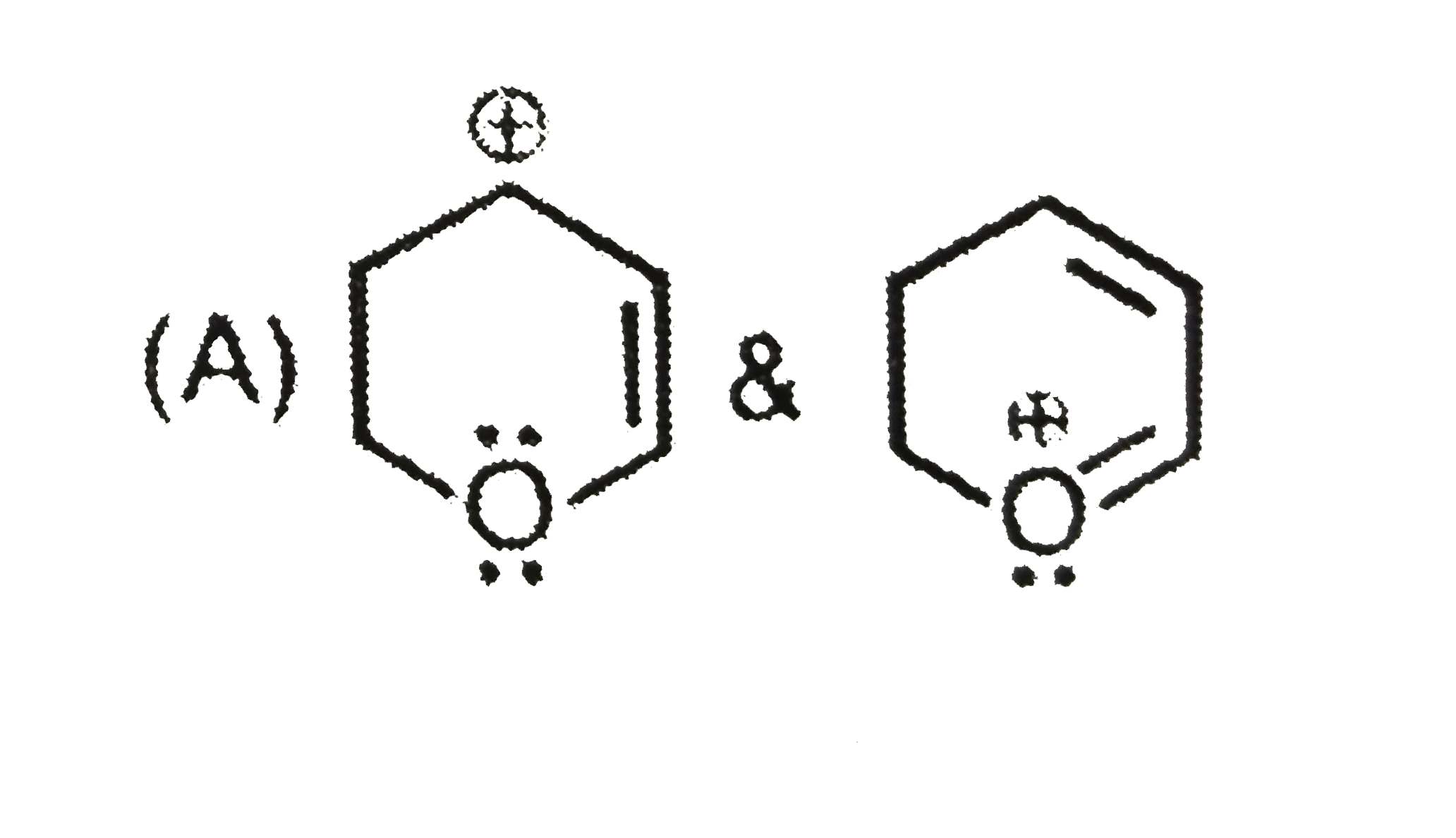
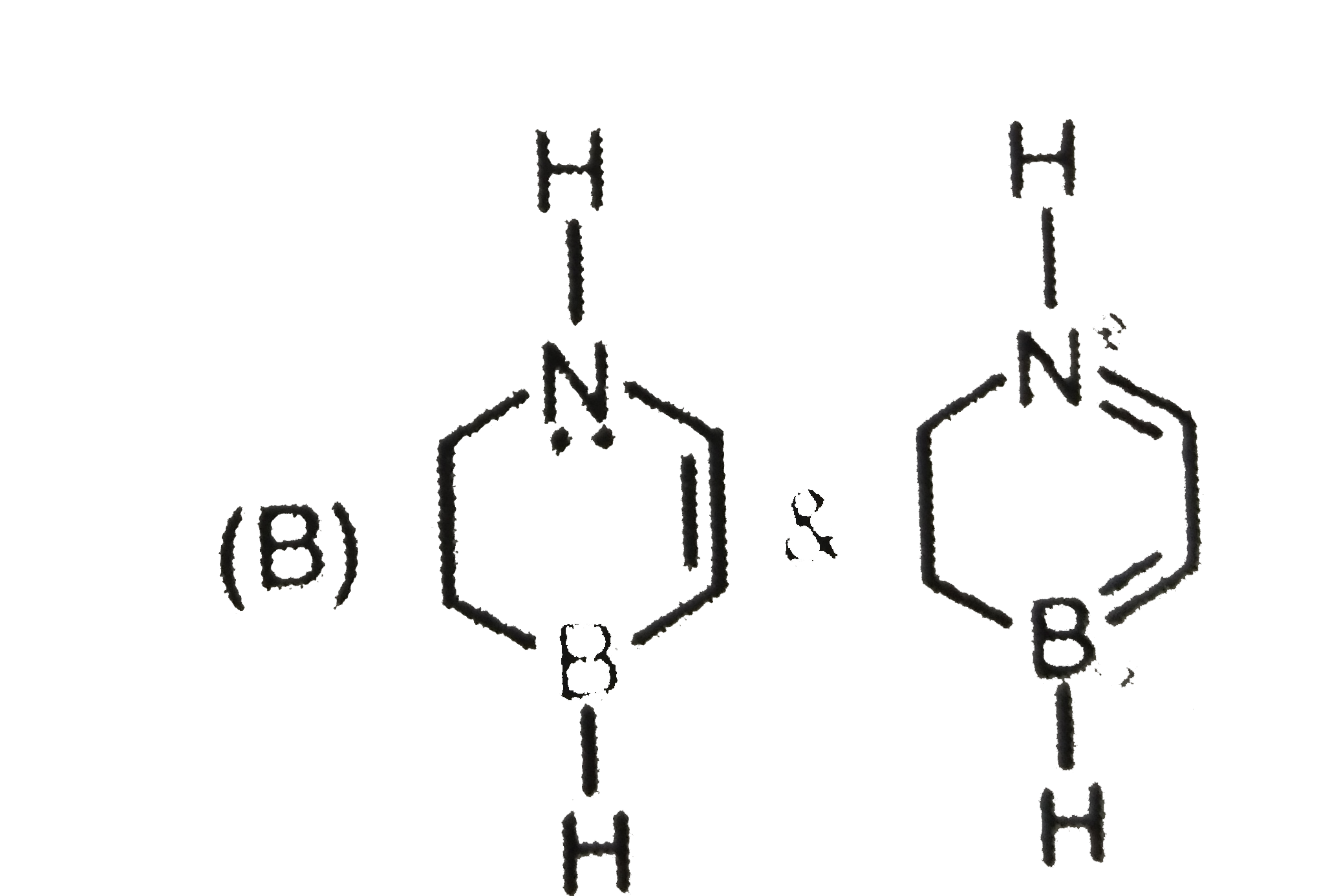
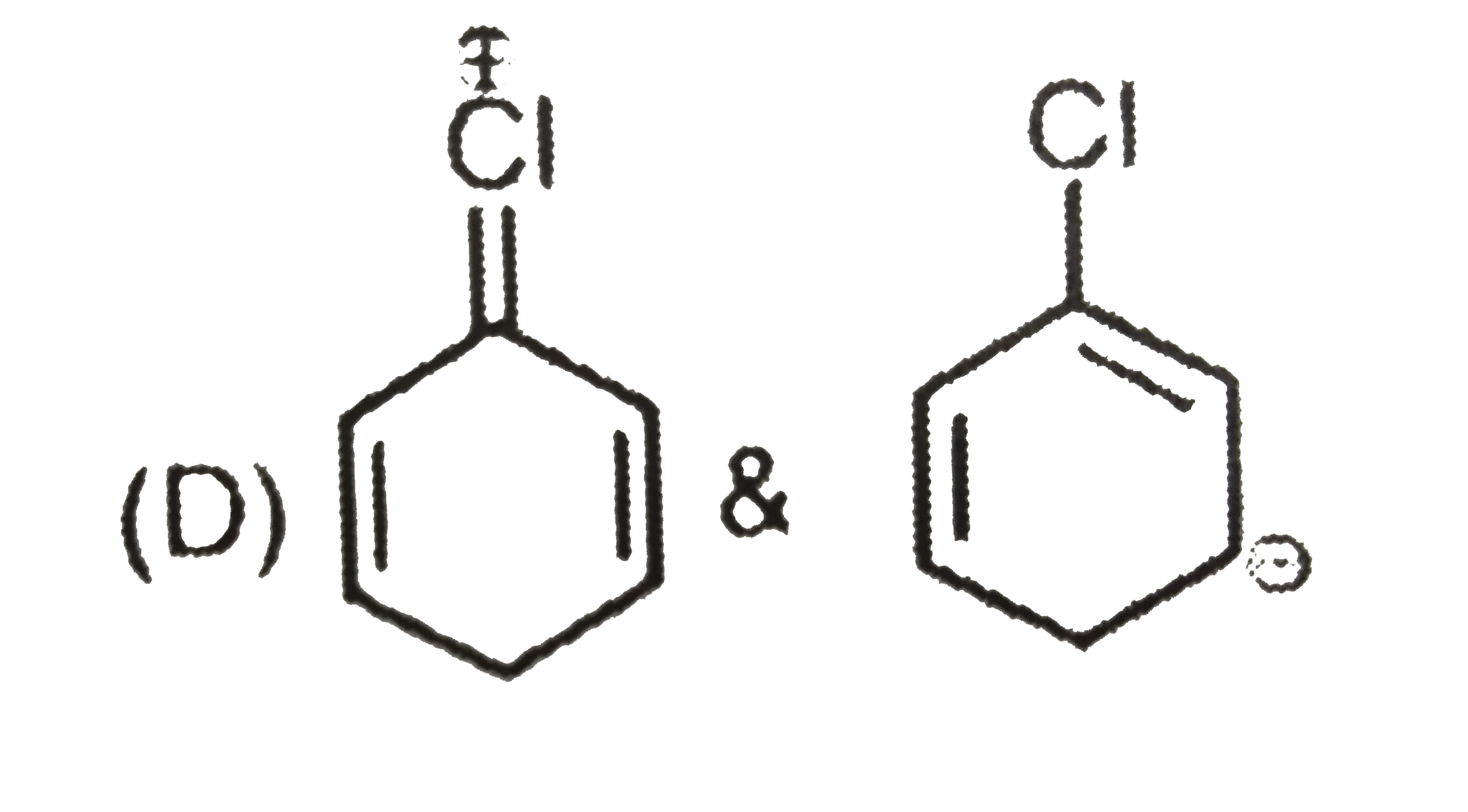
In which of the following pairs of compounds, will second structure have more contribution to resonance hybrid than first ?

A

B

C

`F-underset(NH_(2))underset(|)overset(o+)(C)-OH " & " overset(o+)(F)-underset(NH_(2))underset(|)(C)-OH`

D

Text Solution

AI Generated Solution

The correct Answer is:

To determine which of the given pairs of compounds has a second structure that contributes more to the resonance hybrid than the first, we need to analyze the resonance structures based on the placement of charges and the electronegativity of the atoms involved. Here’s a step-by-step solution: ### Step 1: Understand Resonance Structures Resonance structures are different ways of drawing the same molecule that show the delocalization of electrons. The more stable the resonance structure, the more it contributes to the resonance hybrid. Stability is often influenced by the placement of charges, particularly the electronegativity of the atoms carrying those charges. ### Step 2: Analyze Each Pair of Compounds 1. **First Pair**: - **Compound 1**: Positive charge on carbon. - **Compound 2**: Positive charge on electronegative oxygen. - **Conclusion**: Compound 1 is more stable because positive charge on carbon (less electronegative) is preferred over positive charge on oxygen (more electronegative). Thus, the first compound contributes more to the resonance hybrid. 2. **Second Pair**: - **Compound 1**: Lone pair on nitrogen. - **Compound 2**: Positive charge on electronegative nitrogen. - **Conclusion**: Similar to the first pair, the positive charge on nitrogen (more electronegative) makes compound 2 less stable. Therefore, compound 1 contributes more to the resonance hybrid. 3. **Third Pair**: - **Compound 1**: Negative charge on electronegative fluorine and positive charge on carbon. - **Compound 2**: Positive charge on electronegative fluorine and negative charge on carbon. - **Conclusion**: The second compound is less stable due to the positive charge on fluorine. Thus, compound 1 contributes more to the resonance hybrid. 4. **Fourth Pair**: - **Compound 1**: Positive charge on electronegative fluorine. - **Compound 2**: Positive charge on carbon. - **Conclusion**: Here, the positive charge on carbon (less electronegative) is more stable than on fluorine (more electronegative). Thus, compound 2 contributes more to the resonance hybrid. ### Step 3: Identify the Correct Answer From the analysis, we find that: - In pairs A, B, and C, the first compound has more contribution to the resonance hybrid. - In pair D, the second compound has more contribution to the resonance hybrid. Thus, the correct answer is **Option D**.
Promotional Banner

Topper's Solved these Questions

  • GENERAL ORGANIC CHEMISTRY-I

    RESONANCE ENGLISH|Exercise EXERCISE-2 PART-IV : COMPREHENSION|5 Videos
  • GENERAL ORGANIC CHEMISTRY-I

    RESONANCE ENGLISH|Exercise EXERCISE-3|11 Videos
  • GENERAL ORGANIC CHEMISTRY-I

    RESONANCE ENGLISH|Exercise EXERCISE-2 PART-II SINGLE AND DOUBLE VALUE INTEGER TYPE|11 Videos
  • GENERAL ORGANIC CHEMISTRY II

    RESONANCE ENGLISH|Exercise Part-III: Section-5: Matching List Type|1 Videos
  • HYDROGEN AND ITS COMPOUNDS

    RESONANCE ENGLISH|Exercise INORGANIC CHEMISTRY(Hydrogen & its compunds Y environment chemistry)|33 Videos

Similar Questions

Explore conceptually related problems

Which of the following pairs of compounds are more stable?

In the following sets of resonating structure, lable the major contributors towards resonance hybrid.

Which of the following is the most stable resonance structure .

Which of the following pairs represents resonating structures ?

Which of the following pairs do not constitute resonanting structures ?

In which of the following pairs A is more stable than B?

Which of the following pairs of Lewis structure represent resonance contributor to the species?
