Home
Class 11
CHEMISTRY
The aromatic compound would be...

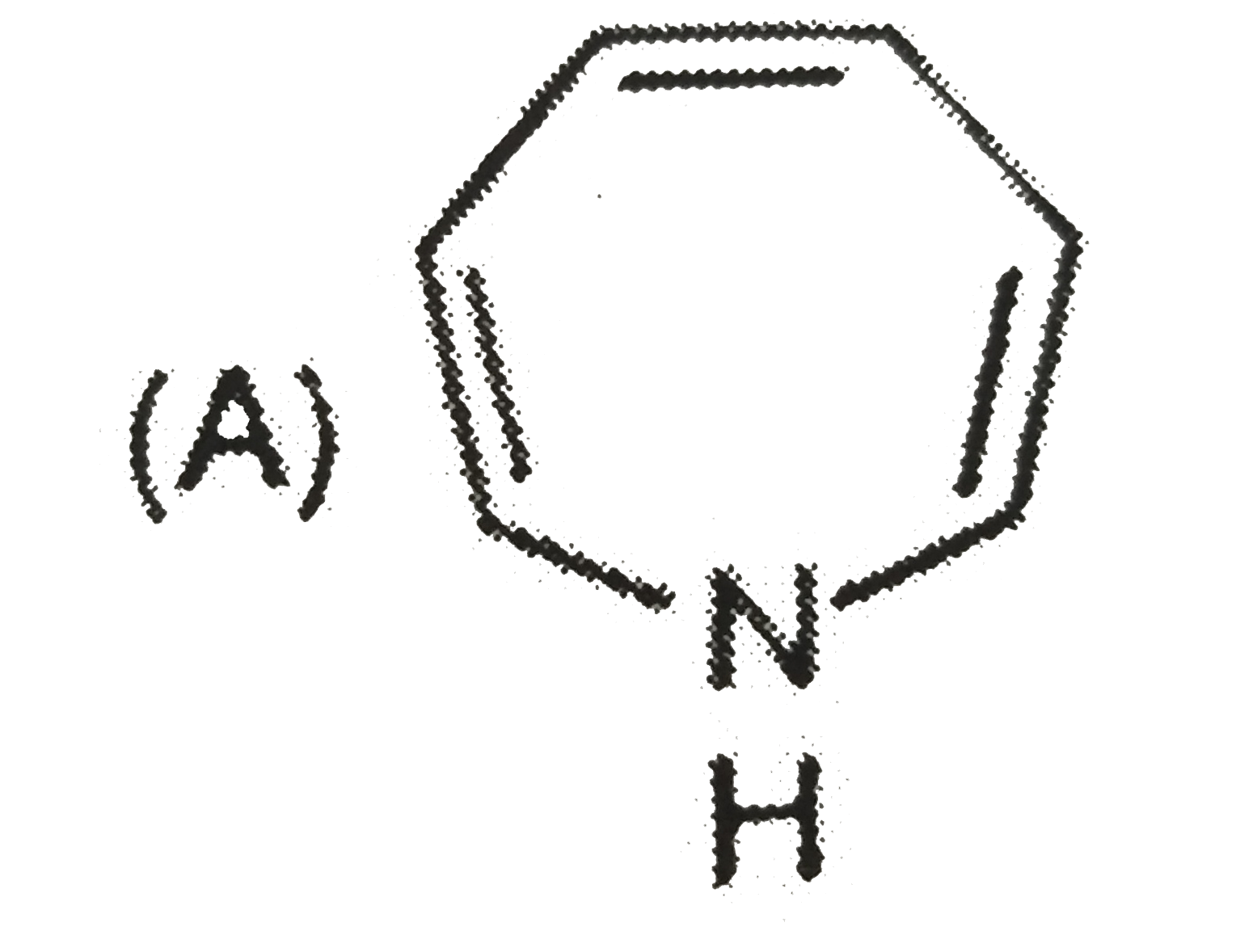
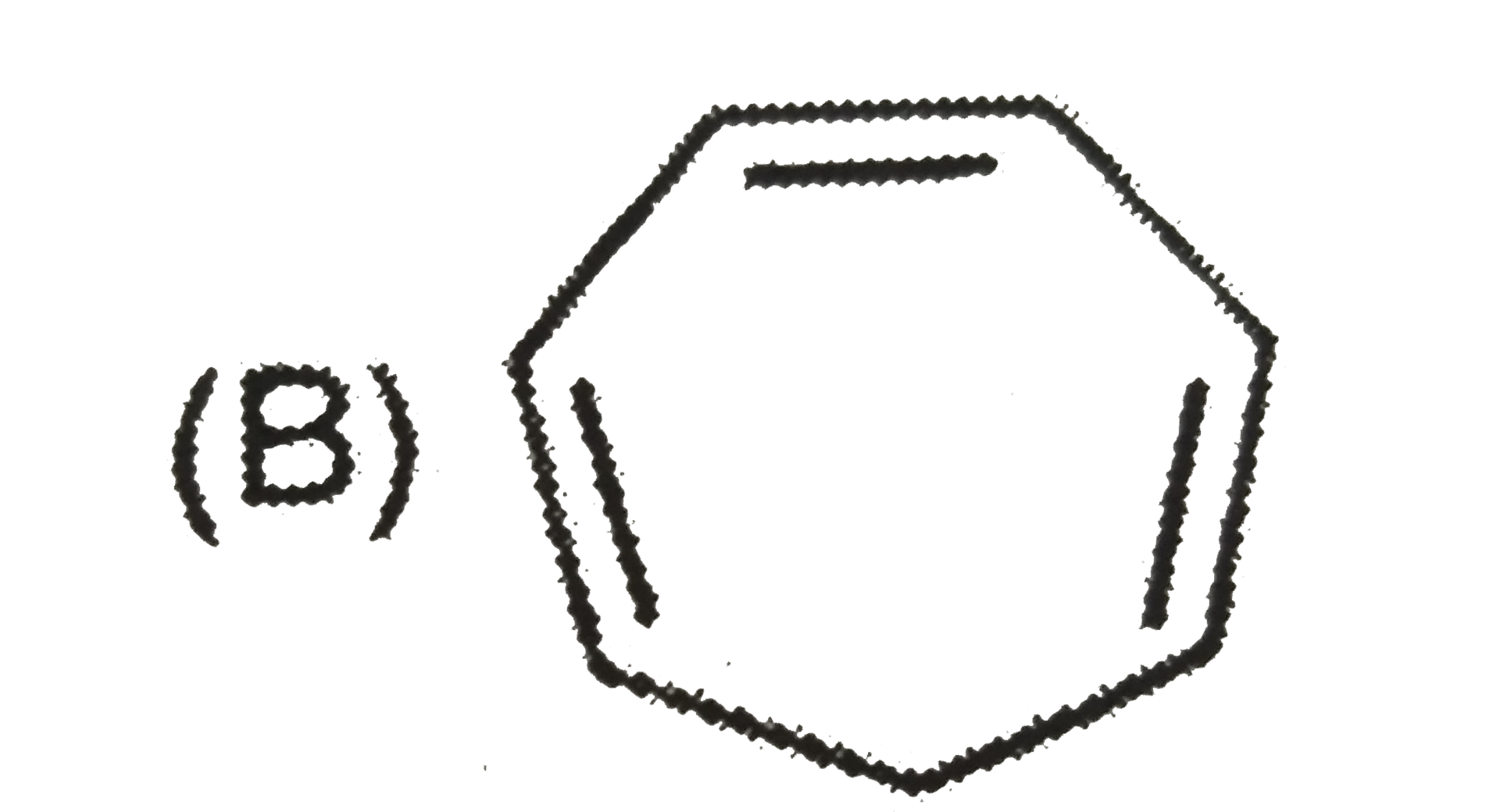
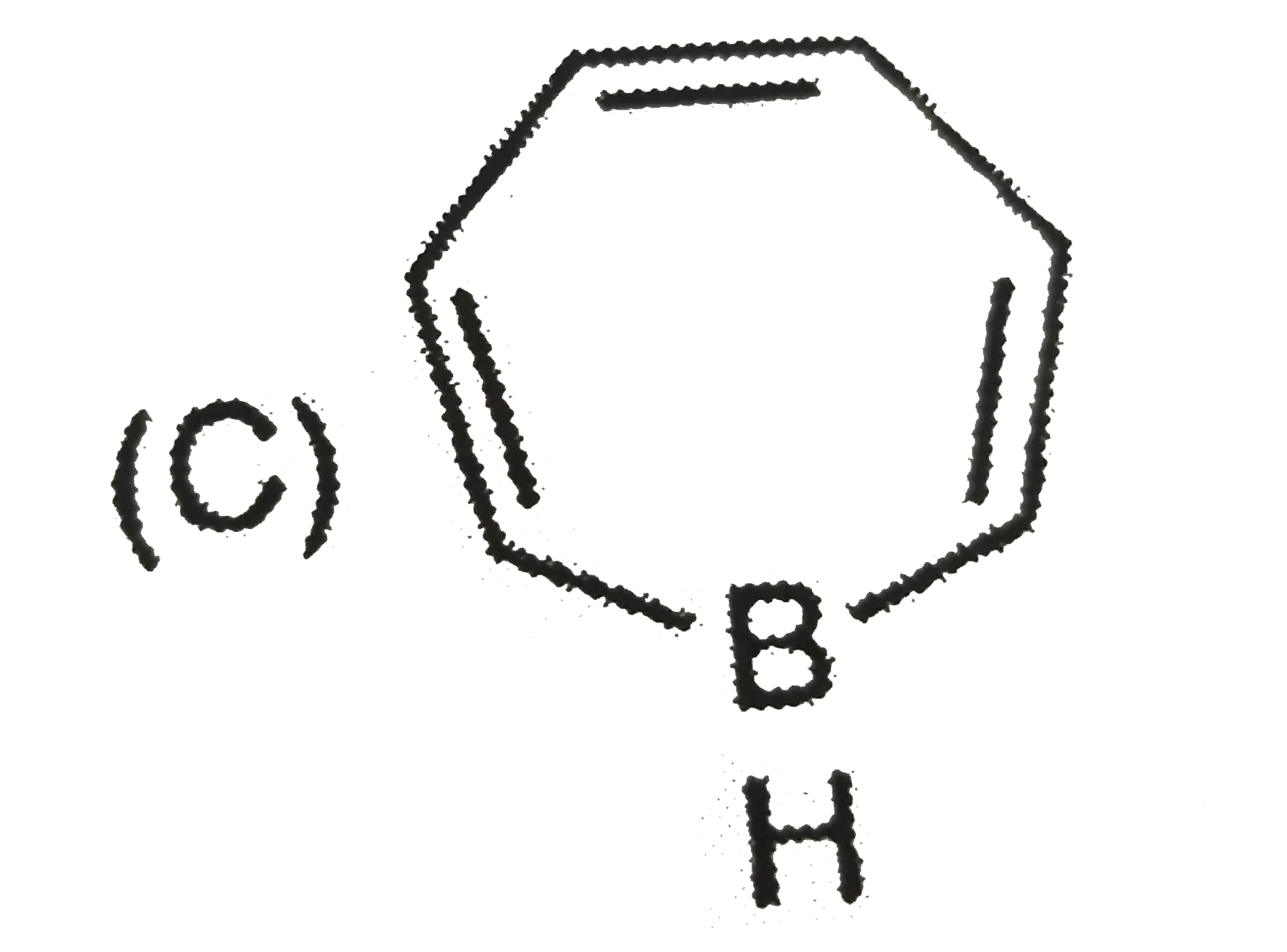
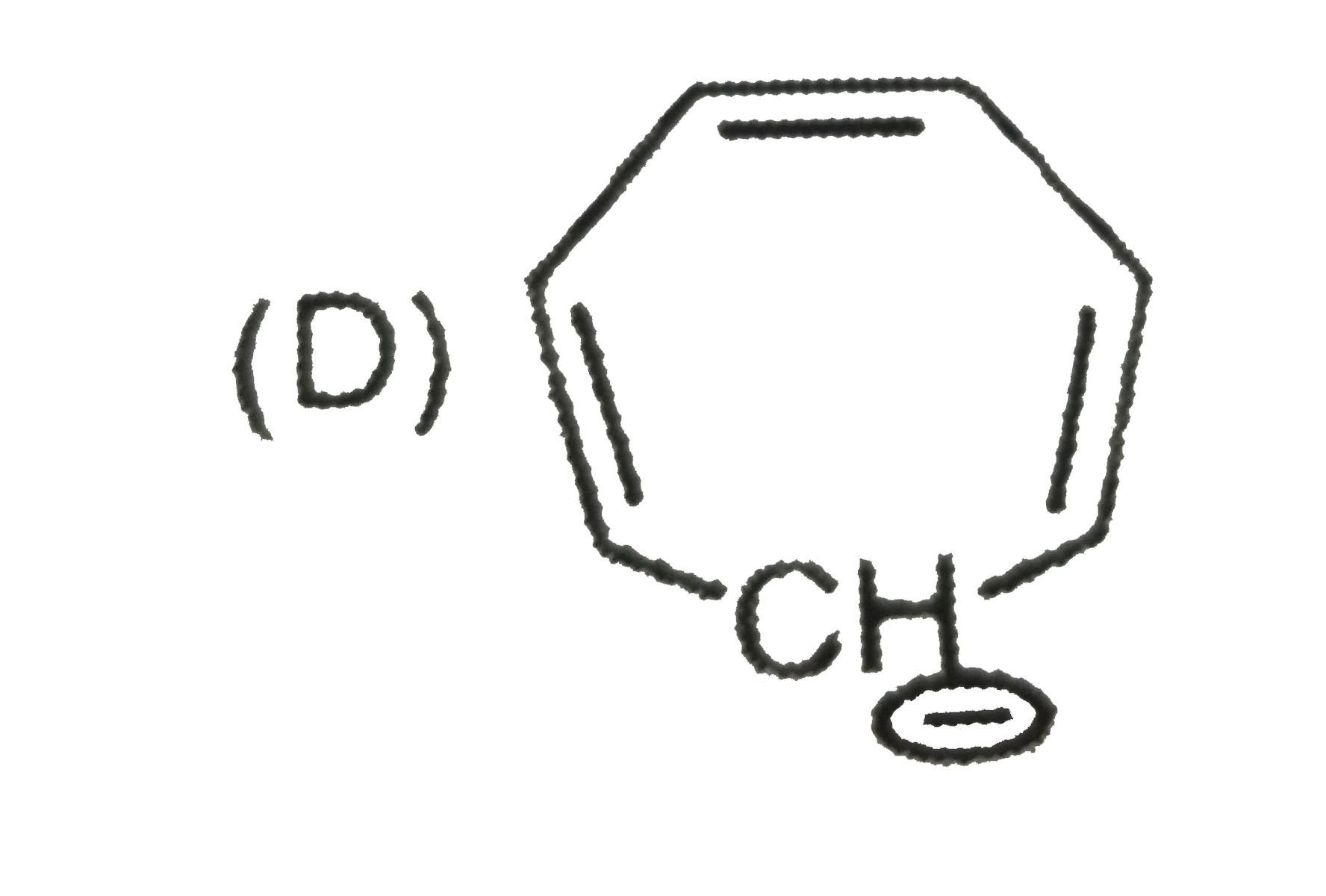
The aromatic compound would be

A

B

C

D

Text Solution

AI Generated Solution

The correct Answer is:

To determine which of the given compounds is aromatic, we need to follow a systematic approach based on the criteria for aromaticity. Here’s a step-by-step solution: ### Step 1: Identify the Compounds We have four compounds to analyze. Let's denote them as Compound A, Compound B, Compound C, and Compound D. ### Step 2: Apply Aromaticity Criteria To be classified as aromatic, a compound must satisfy the following criteria: 1. It must be cyclic. 2. It must be planar. 3. It must have a conjugated system of π electrons. 4. It must follow Hückel's rule, which states that it should have \(4n + 2\) π electrons, where \(n\) is a non-negative integer. ### Step 3: Analyze Each Compound #### Compound A - **Structure**: Contains a nitrogen atom with a lone pair. - **Analysis**: The lone pair can participate in conjugation, leading to a total of 8 π electrons (4n, where n=2). This means it is anti-aromatic, thus **not aromatic**. #### Compound B - **Structure**: Similar to Compound A but contains boron. - **Analysis**: The presence of boron (which has a vacant p orbital) does not allow for a complete conjugation system, and the structure is disrupted by sp³ hybridized carbon. Therefore, it is **not aromatic**. #### Compound C - **Structure**: Contains a negative charge. - **Analysis**: The negative charge contributes to the π electron count, leading to a total of 8 π electrons (again, 4n). Thus, it is also **not aromatic**. #### Compound D - **Structure**: Contains a complete cyclic structure with 6 π electrons. - **Analysis**: This compound has 6 π electrons, which fits Hückel's rule (4n + 2, where n=1). Additionally, it has a planar structure and a conjugated system. Therefore, it is **aromatic**. ### Conclusion The aromatic compound among the given options is **Compound D**. ---
Promotional Banner

Topper's Solved these Questions

  • GENERAL ORGANIC CHEMISTRY-I

    RESONANCE ENGLISH|Exercise PART-III : PRACTICE TEST-2|1 Videos
  • GENERAL ORGANIC CHEMISTRY-I

    RESONANCE ENGLISH|Exercise PART-III : PRACTICE TEST-3|1 Videos
  • GENERAL ORGANIC CHEMISTRY-I

    RESONANCE ENGLISH|Exercise PRACTICE TEST-1|30 Videos
  • GENERAL ORGANIC CHEMISTRY II

    RESONANCE ENGLISH|Exercise Part-III: Section-5: Matching List Type|1 Videos
  • HYDROGEN AND ITS COMPOUNDS

    RESONANCE ENGLISH|Exercise INORGANIC CHEMISTRY(Hydrogen & its compunds Y environment chemistry)|33 Videos

Similar Questions

Explore conceptually related problems

Identity the aromatic compound from the following.

Aromaticity order for the following aromatic compound will be

Among the following, the aromatic compound is

Among P, Q, R, S the aromatic compound is

Non-aromatic compound is

Identify the polynuclear aromatic compound which is aromatic.

The non-aromatic compound among the following is

RESONANCE ENGLISH-GENERAL ORGANIC CHEMISTRY-I-PART-2(NSEC)
  1. Select the most stable carbonium ion from amongst the following

    Text Solution

    |

  2. Which of the following pairs represents resonating structures ?

    Text Solution

    |

  3. The aromatic compound would be

    Text Solution

    |

  4. Inductive effect is a polarisation of a

    Text Solution

    |

  5. Match the resonance energies 67, 88 and 121 kJ "mol"^(-1) for the foll...

    Text Solution

    |

  6. The pair of resonanating structures among the following is

    Text Solution

    |

  7. Identity the aromatic compound from the following.

    Text Solution

    |

  8. Which of the following species is aromatic?

    Text Solution

    |

  9. The number of pi electrons required for a planar cyclic conjugated sys...

    Text Solution

    |

  10. Following is an example of CH(2)=CH-overset(O)overset(||)CHharrover...

    Text Solution

    |

  11. The relative stabilites of the following carbocations is : H(2)"CO C...

    Text Solution

    |

  12. Identify the odd species out (which of the species among the following...

    Text Solution

    |

  13. Which of the following represents the true order of bond dissociation ...

    Text Solution

    |

  14. The correct order of dipole moment for the following molecules is

    Text Solution

    |

  15. The order of decreasing stability is :

    Text Solution

    |

  16. The most Carbocations, carbanions, free radicals and radical cation ar...

    Text Solution

    |

  17. The electronegativities of acetylene, ethylene and ethane are in the o...

    Text Solution

    |

  18. Which of the following structure is aromatic ?

    Text Solution

    |

  19. Which of the following is most stable?

    Text Solution

    |

  20. How many hperconjugative structures are possible in the following carb...

    Text Solution

    |
