Home
Class 11
CHEMISTRY
Alcohols undergo acid catalysed eliminat...

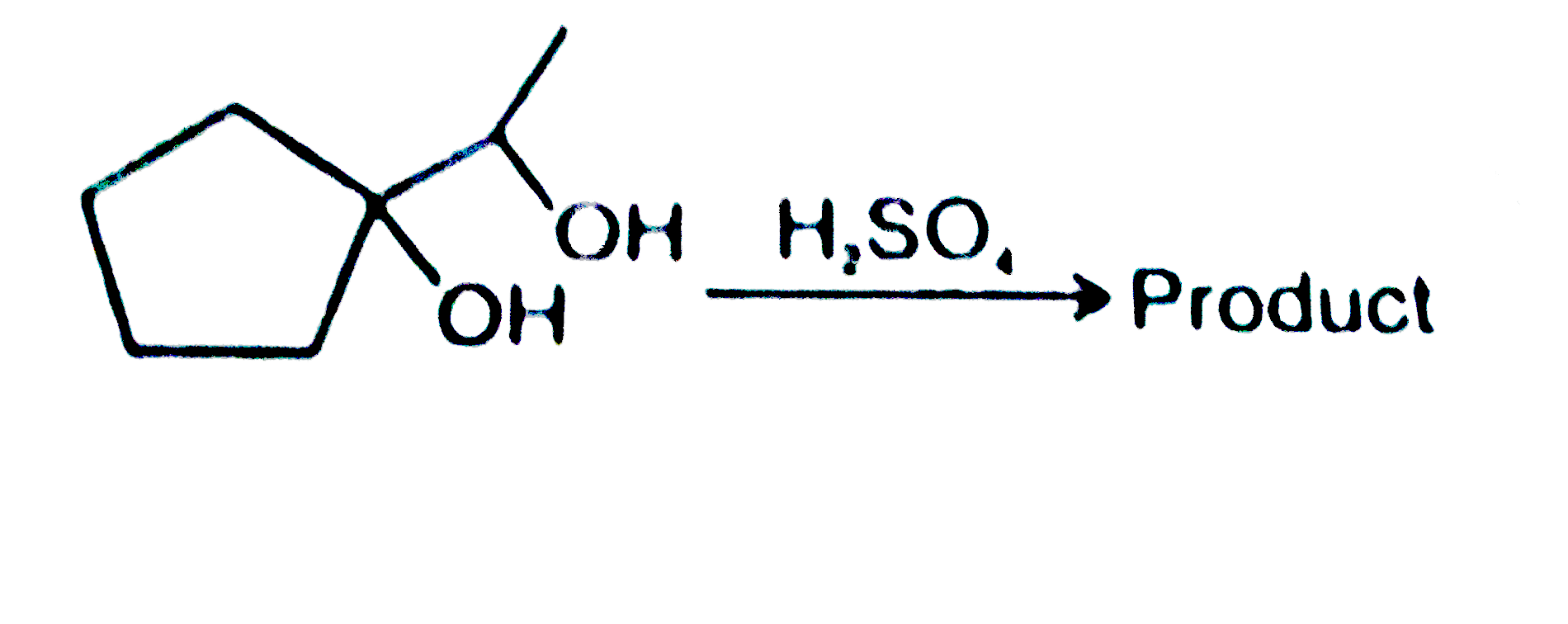
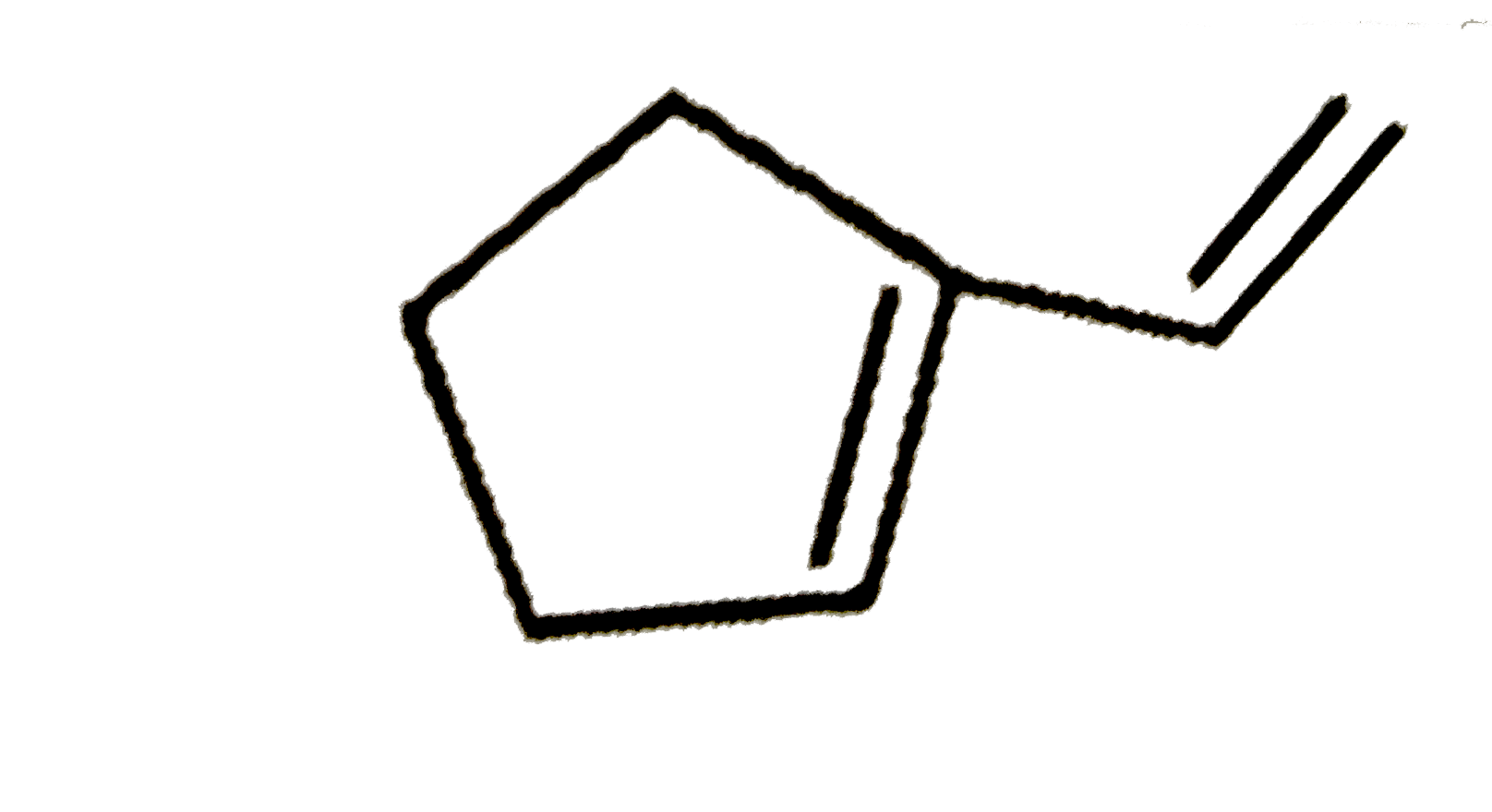
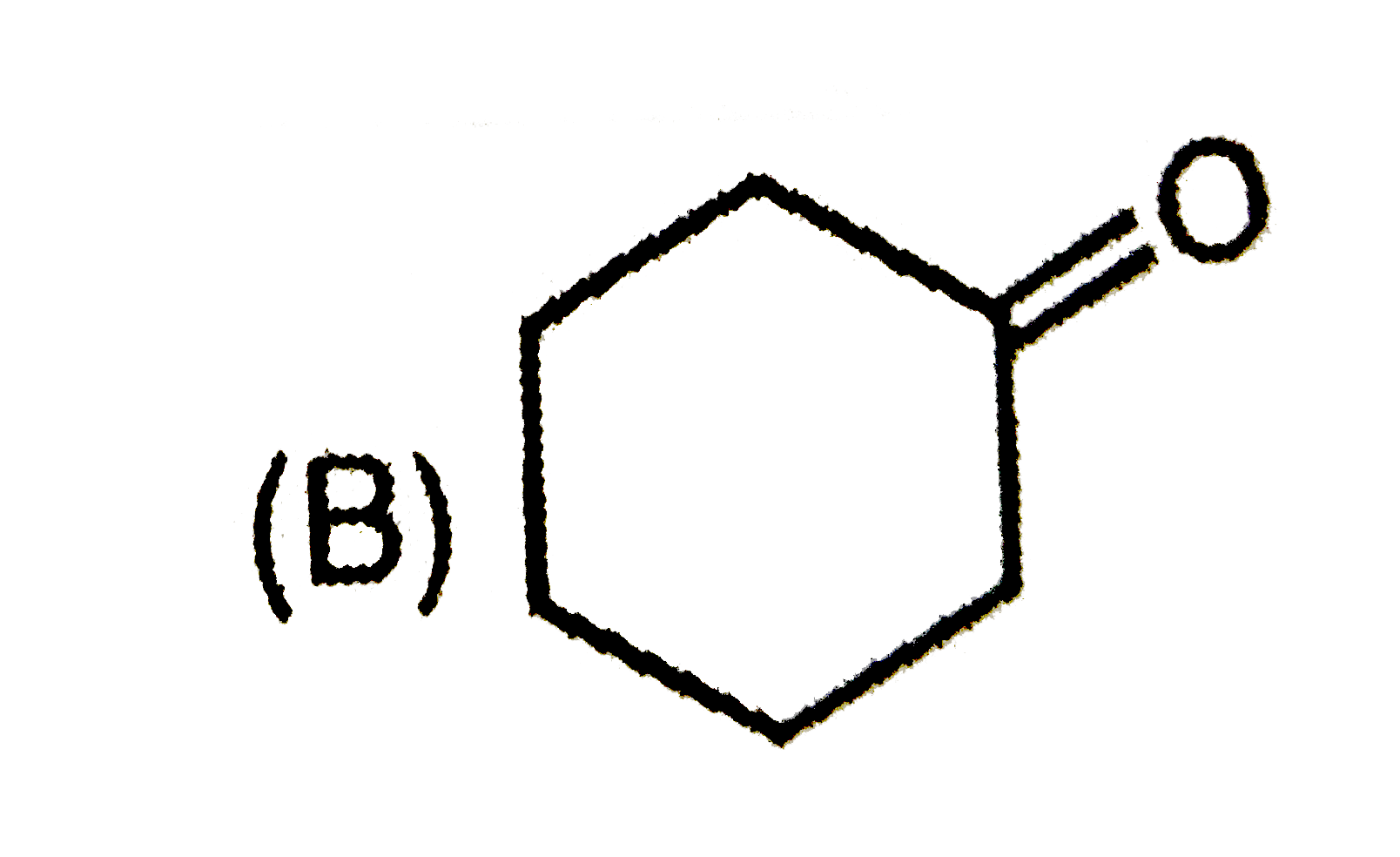
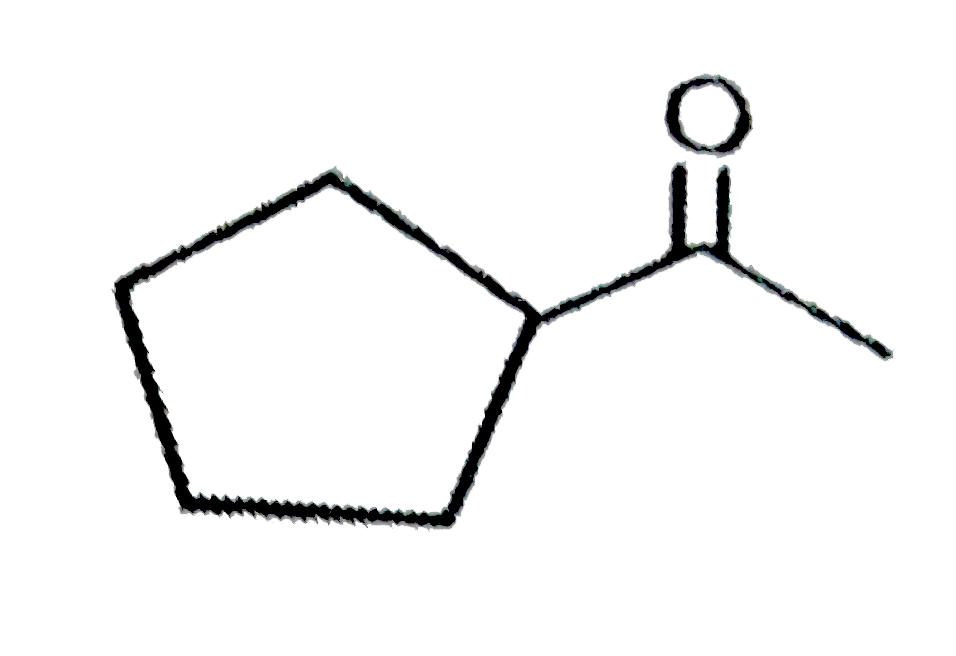
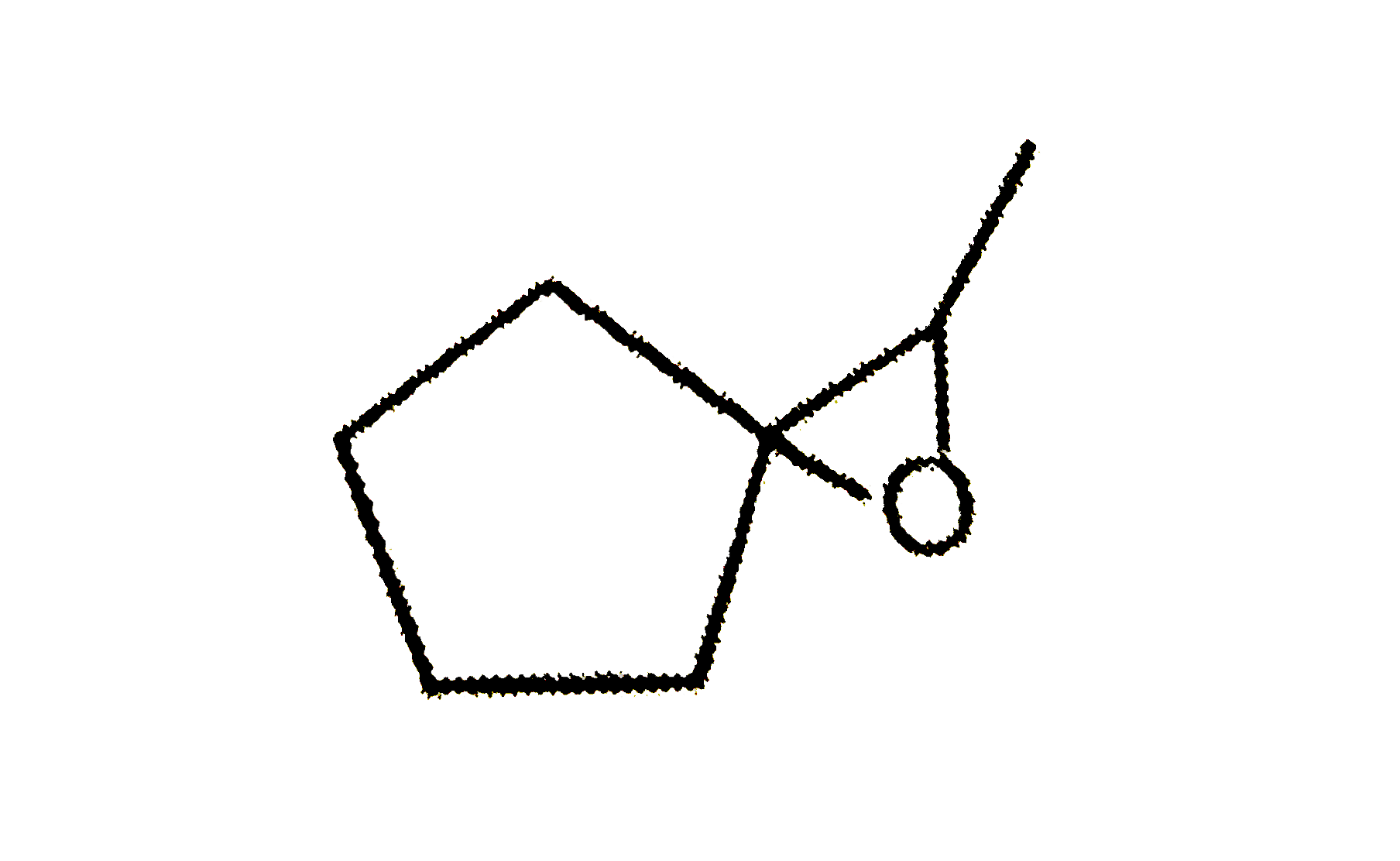
Alcohols undergo acid catalysed elimination reactions to produce alkenes. Because water is lost in the elimination , this reaction is called dehydration reaction. Secondary and tertiary alcohols always give E1 reaction in dehydration. Primary alcohols whose `beta`-carbon is branched also give E1 reaction. The reactivity of alcohol for elimination reaction is tertiary alcohol gt secondary school gt Primary alcohol.
Identify the product in the given reaction :

A

B

C

D

Text Solution

Verified by Experts

The correct Answer is:

C
Promotional Banner

Topper's Solved these Questions

  • ORGANIC REACTION MECHANISMS-IV

    RESONANCE ENGLISH|Exercise Exercise-3 Part-1|18 Videos
  • ORGANIC REACTION MECHANISMS-IV

    RESONANCE ENGLISH|Exercise Exercise-3 Part-2 JEE (MAIN ) OFFLINE PROBLEMS|10 Videos
  • ORGANIC REACTION MECHANISMS-IV

    RESONANCE ENGLISH|Exercise Exercise-2 Part-3|10 Videos
  • ORGANIC REACTION MECHANISMS - II

    RESONANCE ENGLISH|Exercise APSP Part - 3|22 Videos
  • PERIODIC TABLE & PERIODICITY

    RESONANCE ENGLISH|Exercise ORGANIC CHEMISTRY(BASIC CONCEPTS)|27 Videos

Similar Questions

Explore conceptually related problems

Alcohols undergo acid catalysed elimination reactions to produce alkenes. Because water is lost in the elimination , this reaction is called dehydration reaction. Secondary and tertiary alcohols always give E1 reaction in dehydration. Primary alcohols whose beta -carbon is branched also give E1 reaction. The reactivity of alcohol for elimination reaction is tertiary alcohol > secondary alcohol > Primary alcohol. Which of the following dehydration product (major ) is incorrect ?

Primary alcohols can be obtained can be obtained from the reaction of the RMgX with

Discuss briefly, the relative rates of reaction of HBr with respect to primary, secondary and tertiary alcohols.

Assertion: The relative ease of dehydration of alcohols following order: Tretiary gt secondary gt Primary Reason : Formation of carbocation is the slowest step of reaction.

Which of the following reaction leads to the formation of secondary alcohol?

Tertiary butyl alcohol can be prepared by the reaction of

Explain the mechanism of the following reactions : Acid catalysed dehydration of an alcohol forming an alkene.

1- Chlorobutane on reaction with alcoholic potash gives:

Alcohols react with active metals e.g., Na, K etc., to give corresponding alkoxides. Write down the decreasing order of reactivity of sodium metal towards primary, secondary and tertiary alcohols.

Alcohols react with active metals e.g., Na, K etc., to give corresponding alkoxides. Write down the decreasing order of reactivity of sodium metal towards primary, secondary and tertiary alcohols.
