Home
Class 11
CHEMISTRY
The elimination reactions mainly involve...

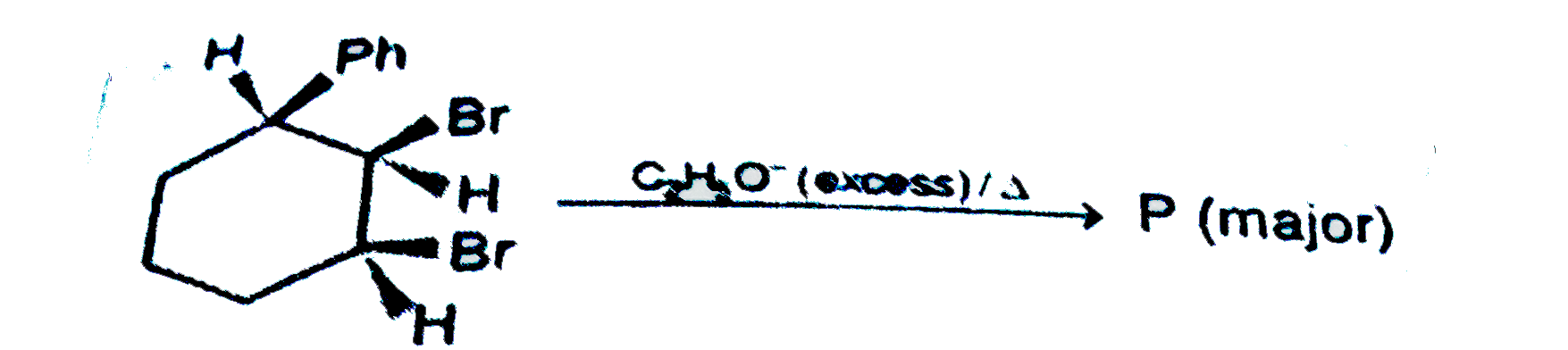
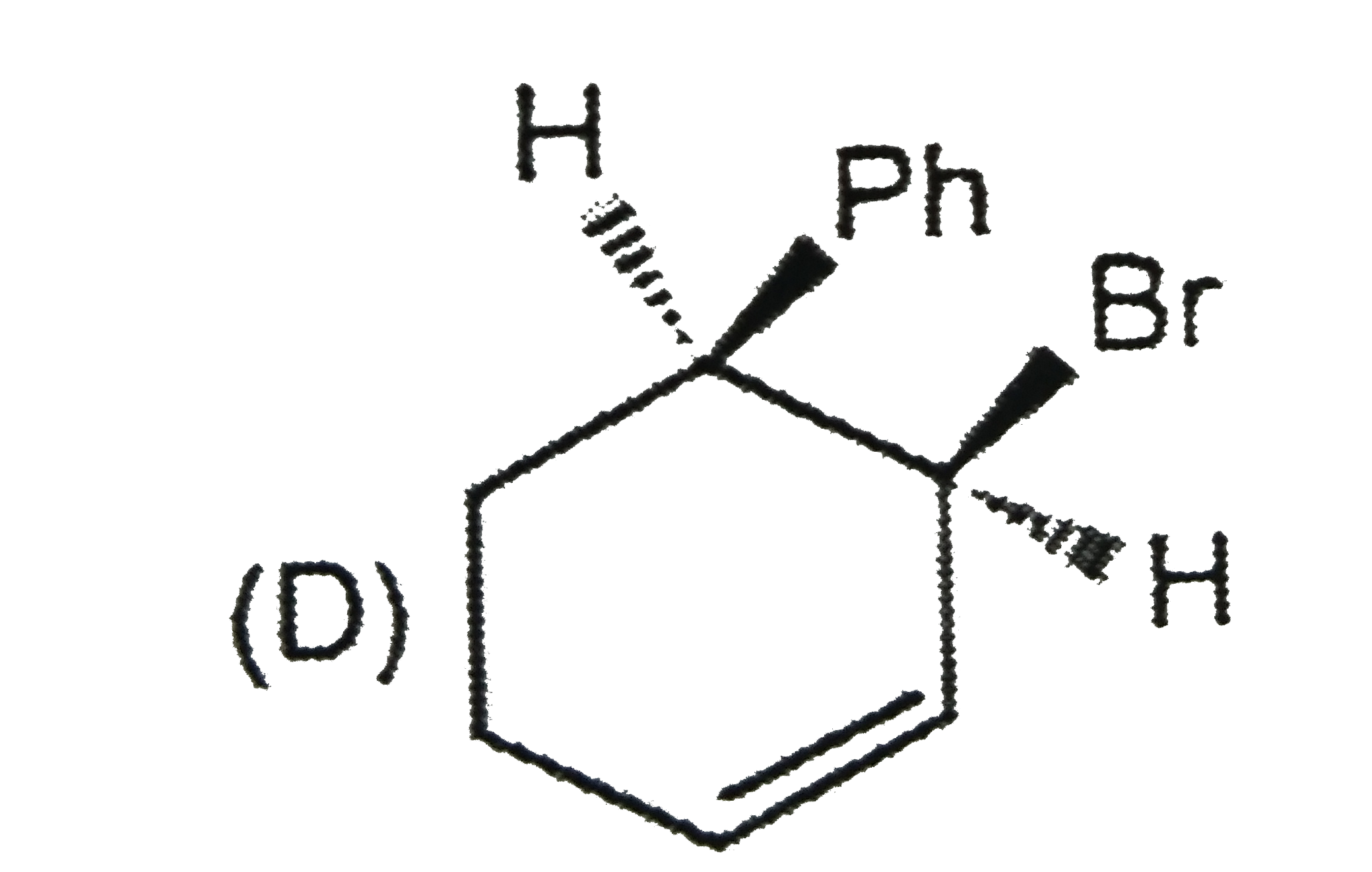
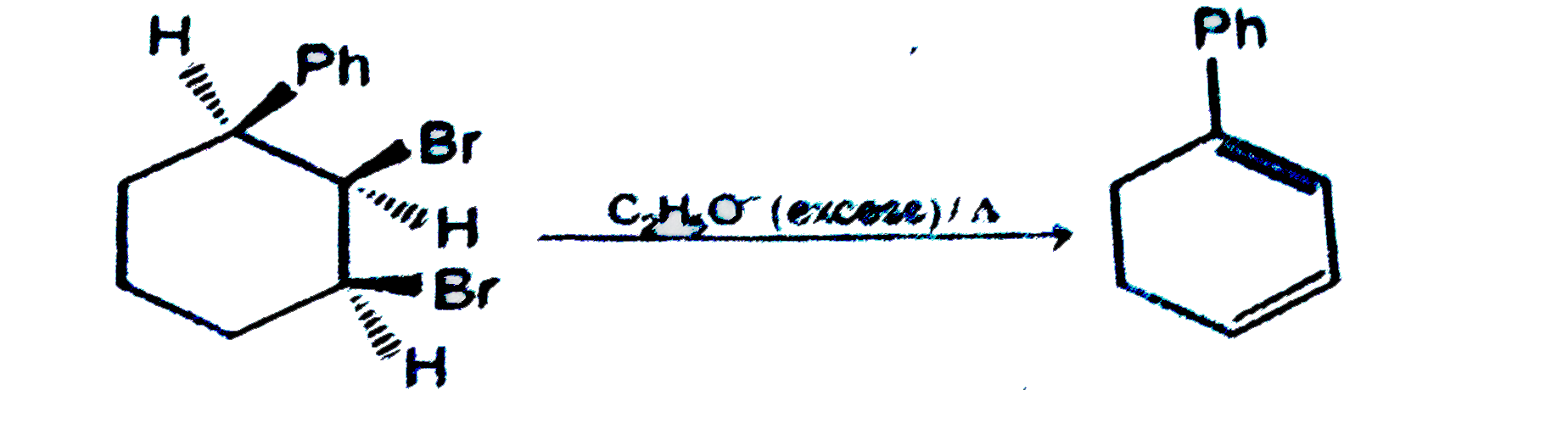
The elimination reactions mainly involve three mechanism E1,E2 and E1cB. If the leaving group departs before `beta`-proton (`H^Theta` ion) then it is E1 mechanism. If proton is taken off first before leaving group it is E1cB mechanism.The pure E2 involves both `beta`-Hydrogen and leaving group departing simutaneously. If acidity of `beta`-Hydrogen increases and leaving group ability decreases then E1cB mechanism increases.

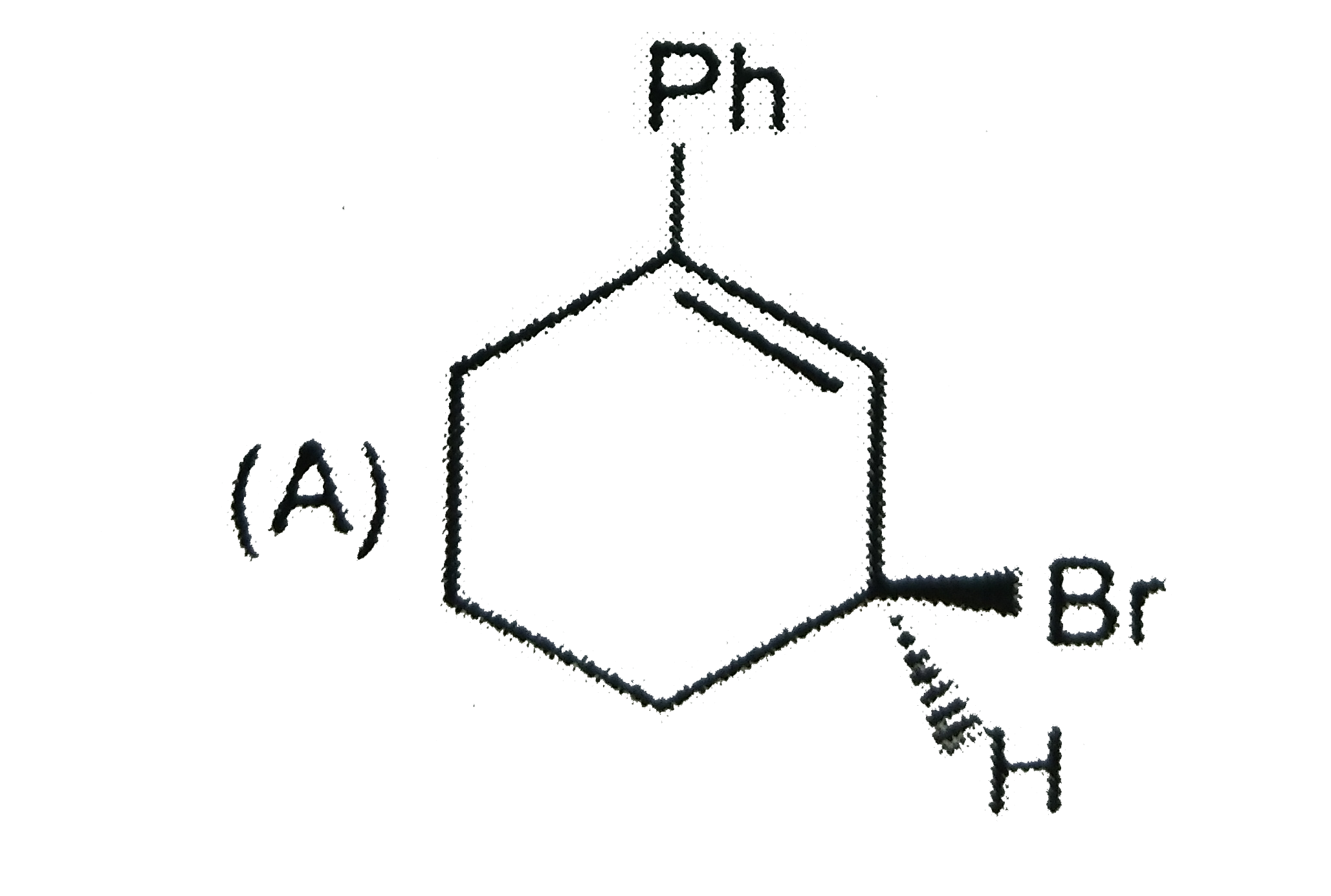
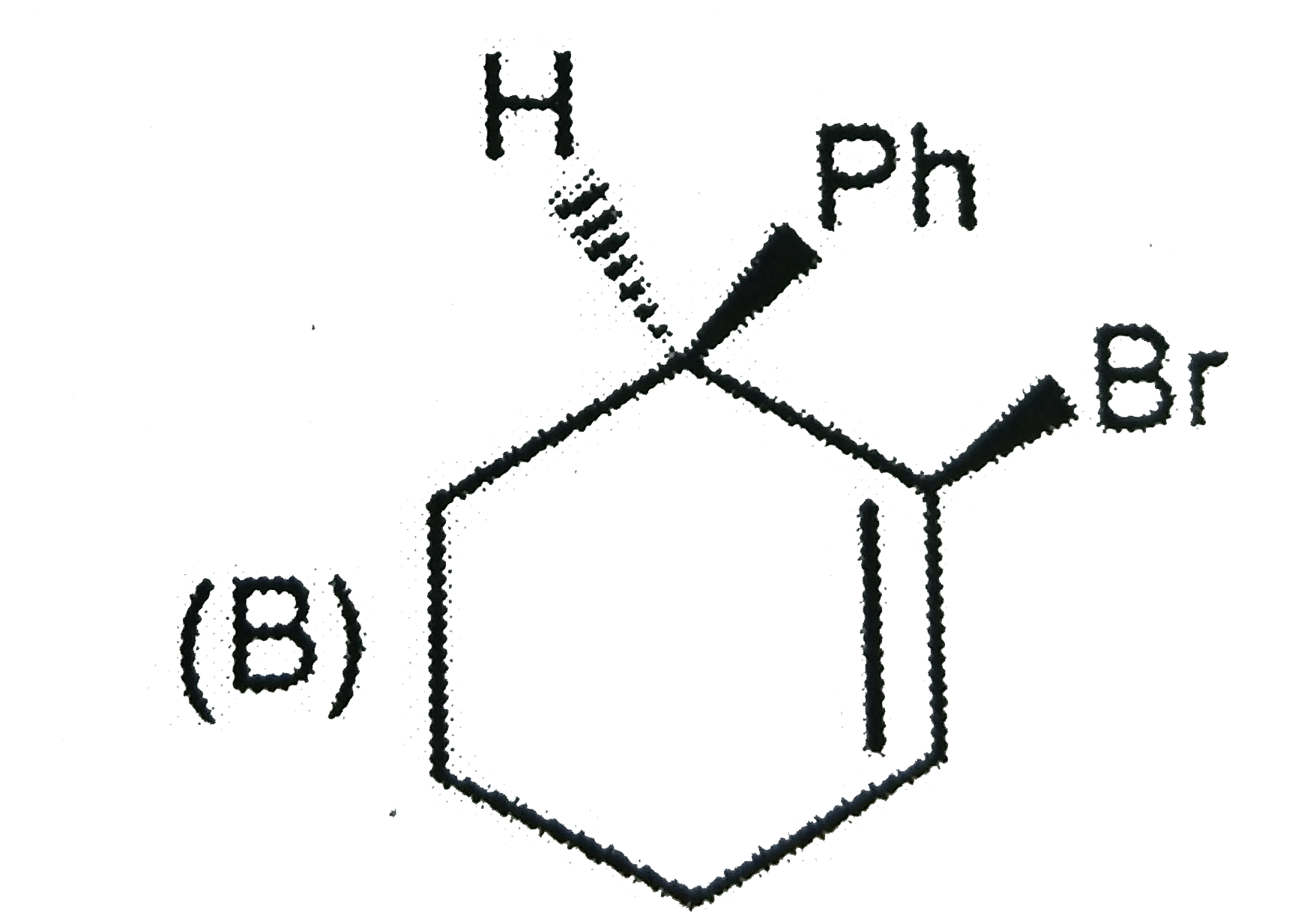
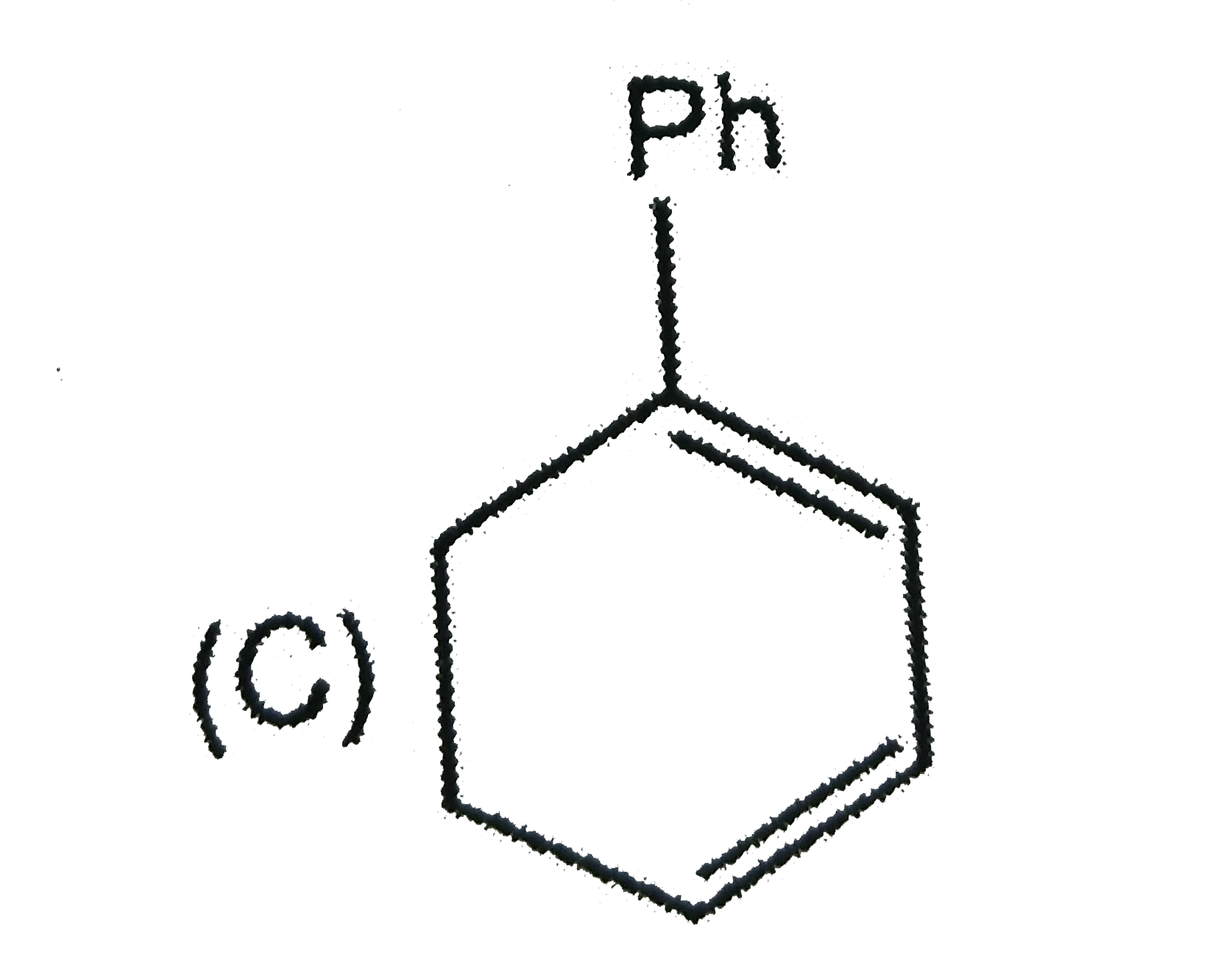
Product P is

A

B

C

D

Text Solution

Verified by Experts

The correct Answer is:
C

Promotional Banner

Topper's Solved these Questions

  • ORGANIC REACTION MECHANISMS-IV

    RESONANCE ENGLISH|Exercise APSP PART-2|17 Videos
  • ORGANIC REACTION MECHANISMS - II

    RESONANCE ENGLISH|Exercise APSP Part - 3|22 Videos
  • PERIODIC TABLE & PERIODICITY

    RESONANCE ENGLISH|Exercise ORGANIC CHEMISTRY(BASIC CONCEPTS)|27 Videos

Similar Questions

Explore conceptually related problems

The elimination reactions mainly involve three mechanism E1,E2 and E1cB. If the leaving group departs before beta -proton ( H^Theta ion) then it is E1 mechanism. If proton is taken off first before leaving group it is E1cB mechanism.The pure E2 involves both beta -Hydrogen and leaving group departing simutaneously. If acidity of beta -Hydrogen increases and leaving group ability decreases then E1cB mechanism increases. The alkene formed as a major product in the above elimination reaction is

The elimination reactions mainly involve three mechanism E1,E2 and E1cB. If the leaving group departs before beta -proton ( H^t=Theta ion) then it is E1 mechanism. If proton is taken off first before leaving group it is E1cB mechanism.The pure E2 involves both beta -Hydrogen and leaving group departing simutaneously. If acidity of beta -Hydrogen increases and leaving group ability decreases then E1cB mechanism increases. Which of the following substrate will undergo fastest reaction through E1cB route

What do you understand by elimination reactions ? Discuss the mechanism of E_1 and E_2 reactions.

If the mechanism is E1cB then the possible products will be :

What are the essential conditions for any reaction to show E1cB mechanism ?

If ethanol containing EtOD is used as solvent , then deuterium exchange take place in E1cB mechanism . Why ?

What is meant by E_1 and E_2 reactions ? Discuss the two mechanisms by taking suitable examples.

The acidic character of alcohols is due the polar nature of O-H bond. An e releasing group (- CH_(3) -C_(2)H_(5)) increases e density on oxygen thus decreasing the acidity while e withdrawing group increases the acidity. Which is the strongest acid among:

Nucleophilic substitution reactions generally expressed as Nu^(-) +R-L rarr R-Nu +L^(-) Where Nu^(-) rarr Nucleophile , R-L rarr substrate, L rarr leaving group The best leaving groups are those that become the most stable ions after they depart. since most leaving group leave as a negatibe ion, the best leaving groups are those ions that stabilize a negative charge most effectively. A good leaving group should be (a) electron-withdrawing to polarize the carbon (b) stable once it has left (not a strong base) (c) polaristable to maintain partial bonding with the carbon in the transition state (both S_(N)1 and S_(N)2) . This bonding helps to stabilise the transition state and reduces the activation energy. (I) CI^(-) (II) CH_(3)O^(-) (III) CH_(3)S^(-) (IV) I^(-) The correct order of increasing leaving group capability of above anions

Nucleophilic substitution reactions generally expressed as Nu^(-) +R-L rarr R-Nu +L^(-) Where Nu^(-) rarr Nucleophile , R-L rarr substrate, L rarr leaving group The best leaving groups are those that become the most stable ions after they depart. since most leaving group leave as a negatibe ion, the best leaving groups are those ions that stabilize a negative charge most effectively. A good leaving group should be (a) electron-withdrawing to polarize the carbon (b) stable once it has left (not a strong base) (c) polaristable to maintain partial bonding with the carbon in the transition state (both S_(N)1 and S_(N)2) . This bonding helps to stabilise the transition state and reduces the activation energy. Among the following which is feasible?

RESONANCE ENGLISH-ORGANIC REACTION MECHANISMS-IV-APSP PART-3
  1. The compound 'X' is

    Text Solution

    |

  2. When the all-cis isomer of C6H6Cl6 (1,2,3,4,5,6 -Hexachlorohexane) is ...

    Text Solution

    |

  3. CH2Ounderset(H3O^(o+))overset(CHD2MgI)toX underset(Delta)overset(Conc....

    Text Solution

    |

  4. Major product of the given reaction is :

    Text Solution

    |

  5. The product is -

    Text Solution

    |

  6. Which one of the following hyxachlorocyclohexane is least reactive and...

    Text Solution

    |

  7. In which of the following reactions the correct major products are men...

    Text Solution

    |

  8. When ethyl bromide is added to potassium t-butoxide, the product is et...

    Text Solution

    |

  9. Which of the following statement are true ?

    Text Solution

    |

  10. Which of the following reaction has the correct major product .

    Text Solution

    |

  11. Which of the following statements is/are correct for alkyl halide ?

    Text Solution

    |

  12. The correct statements about the following reaction are [Hint: Al...

    Text Solution

    |

  13. The order of following reaction is :

    Text Solution

    |

  14. Total number of alkenes obtained by dehydration of 3,4-diethylhexan-2-...

    Text Solution

    |

  15. Report your answer as XY

    Text Solution

    |

  16. The number of products (stereoisomers) formed in the following reactio...

    Text Solution

    |

  17. The elimination reactions mainly involve three mechanism E1,E2 and E1c...

    Text Solution

    |

  18. The elimination reactions mainly involve three mechanism E1,E2 and E1c...

    Text Solution

    |

  19. The elimination reactions mainly involve three mechanism E1,E2 and E1c...

    Text Solution

    |

  20. Match List I (Reaction) with List II (Type of reaction ) and select th...

    Text Solution

    |

