Home
Class 11
CHEMISTRY
The elimination reactions mainly involve...

The elimination reactions mainly involve three mechanism E1,E2 and E1cB. If the leaving group departs before `beta`-proton (`H^t=Theta` ion) then it is E1 mechanism. If proton is taken off first before leaving group it is E1cB mechanism.The pure E2 involves both `beta`-Hydrogen and leaving group departing simutaneously. If acidity of `beta`-Hydrogen increases and leaving group ability decreases then E1cB mechanism increases.
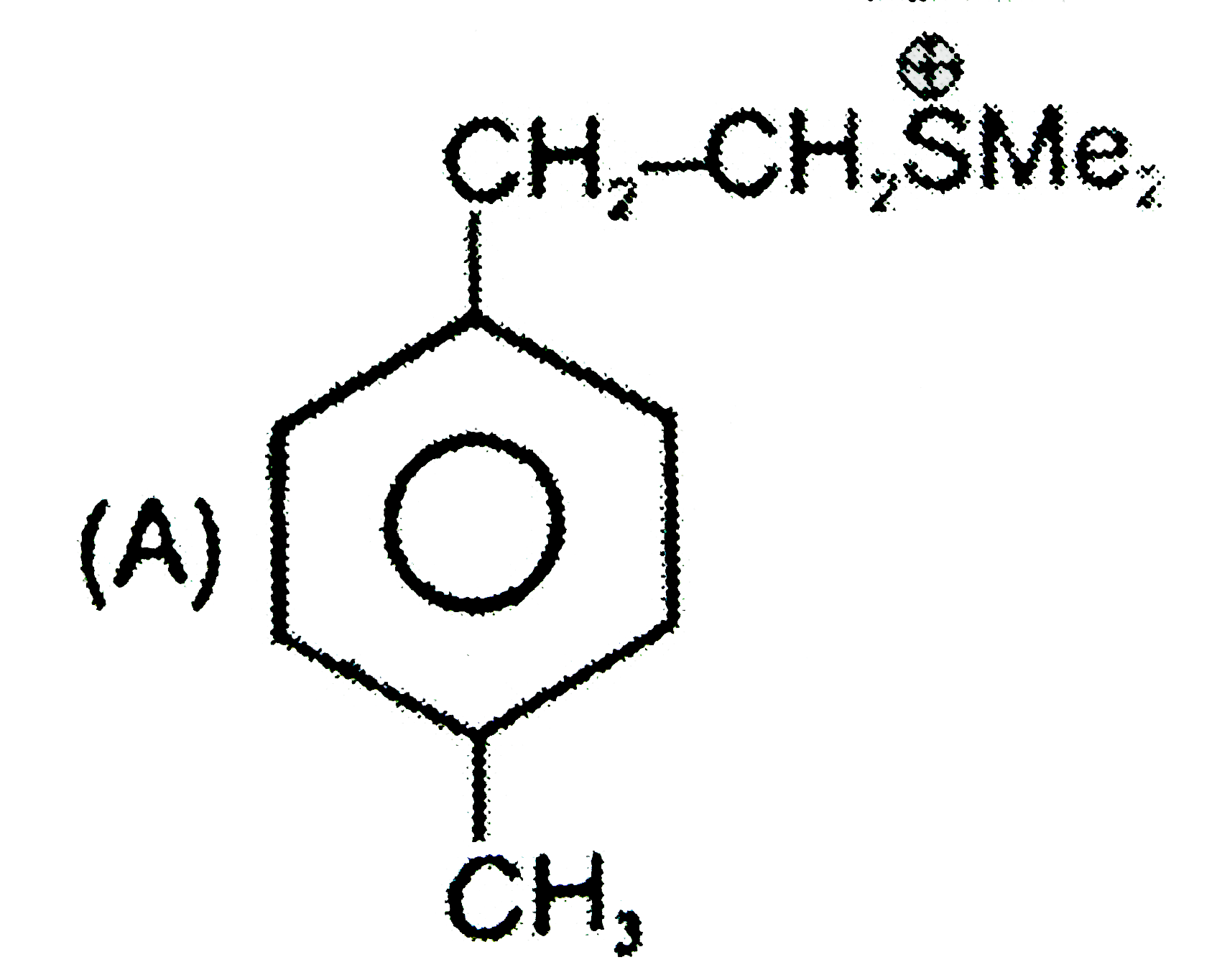
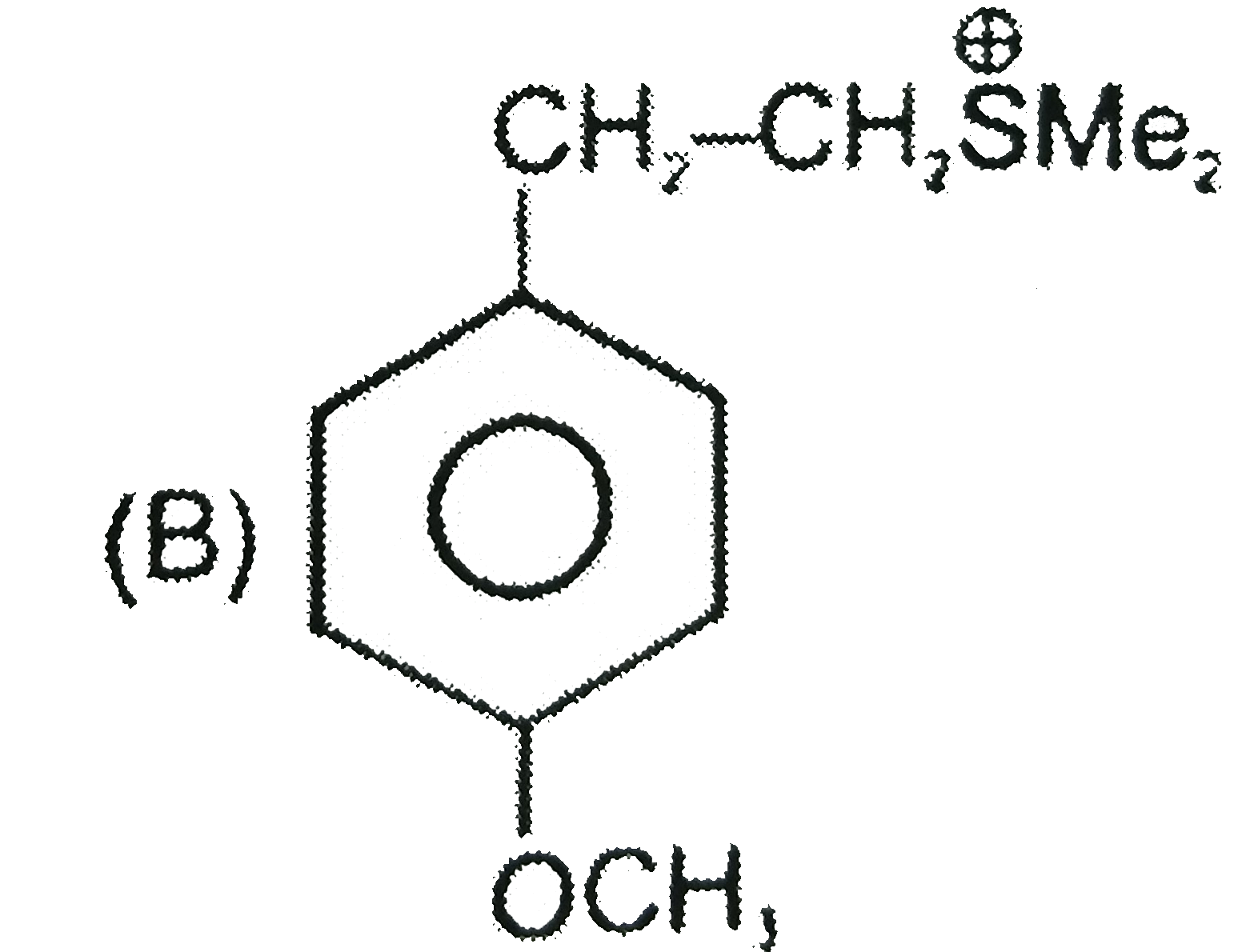
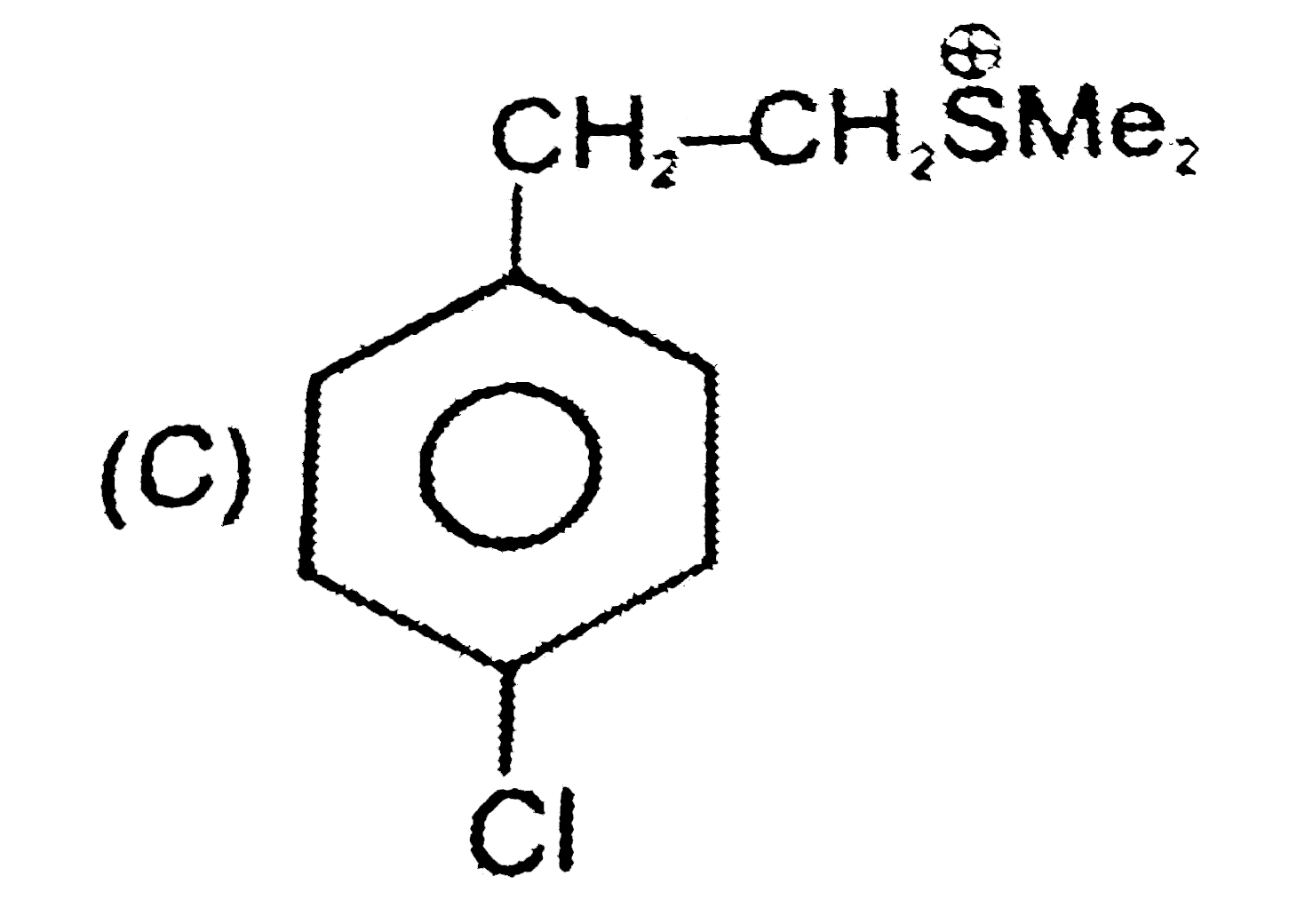
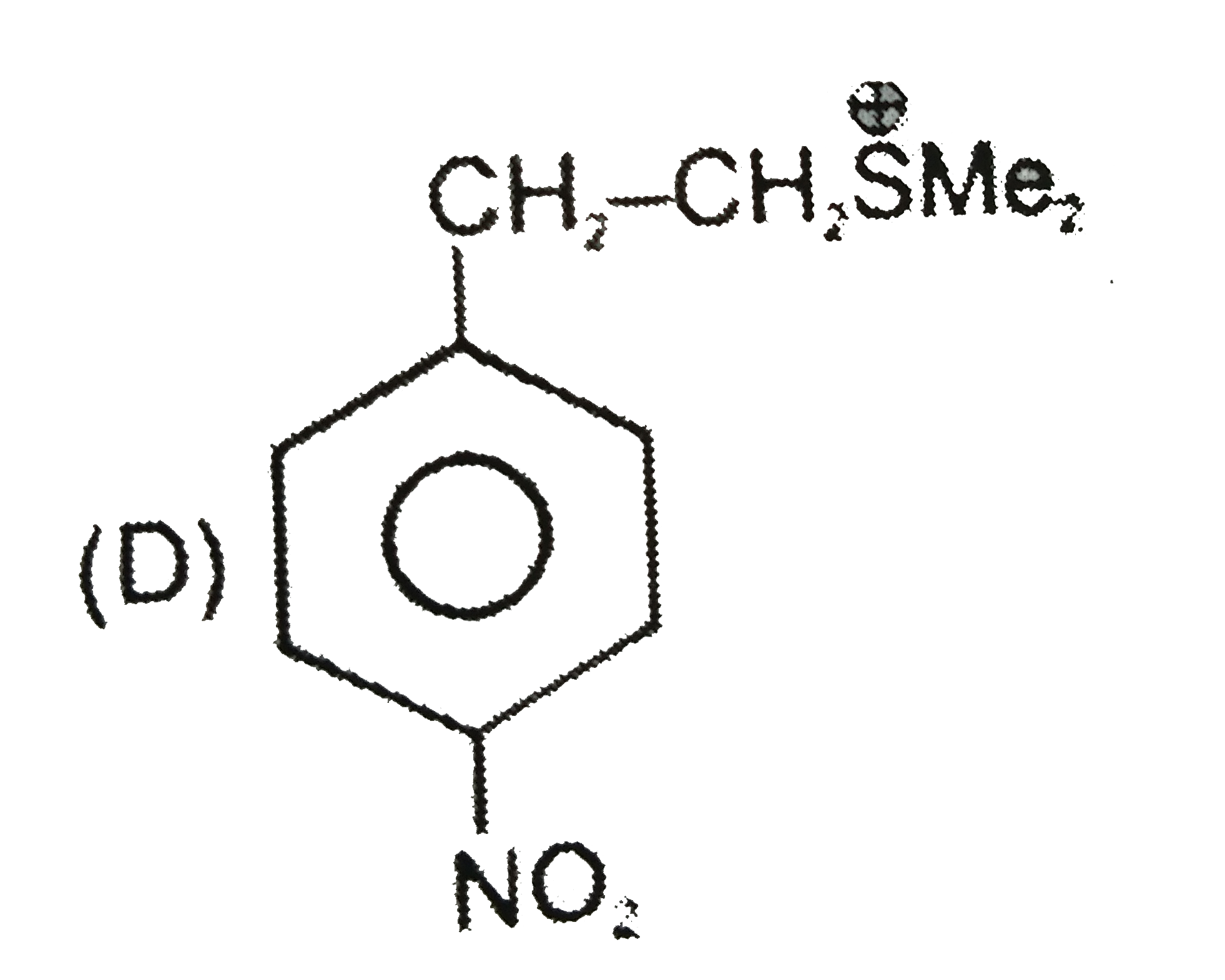
Which of the following substrate will undergo fastest reaction through E1cB route

A

B

C

D

Text Solution

AI Generated Solution

The correct Answer is:

To determine which substrate will undergo the fastest reaction through the E1cB mechanism, we need to analyze the factors that influence this mechanism. The E1cB mechanism involves the removal of a beta-proton before the leaving group departs, leading to the formation of a carbanion. The stability of this carbanion is crucial, and it can be enhanced by the presence of electron-withdrawing groups (EWGs) that increase the acidity of the beta-hydrogen. ### Step-by-Step Solution: 1. **Identify the Substrates**: We need to analyze the given substrates to determine which one has a beta-hydrogen that can be easily removed (higher acidity) and a leaving group that is not very good. 2. **Assess the Acidity of Beta-Hydrogens**: - The presence of electron-withdrawing groups (like -NO2) increases the acidity of beta-hydrogens. This is because they stabilize the negative charge on the carbanion formed after deprotonation. - Conversely, electron-donating groups (like -OCH3) decrease the acidity of beta-hydrogens. 3. **Evaluate the Leaving Group Ability**: - A good leaving group is typically a weak base. If the leaving group is poor, it favors the E1cB mechanism. - Common leaving groups in organic reactions include halides (like Cl, Br, I) and sulfonates (like -OTs, -OMs). 4. **Consider the Presence of Electron-Withdrawing Groups**: - If a substrate has a strong electron-withdrawing group (like -NO2), it will stabilize the carbanion formed after the beta-hydrogen is removed, thus favoring the E1cB mechanism. 5. **Compare the Substrates**: - Among the substrates, identify which has the strongest electron-withdrawing group and the weakest leaving group. - For example, if one substrate has a -NO2 group and another has a -OCH3 group, the one with -NO2 will have a higher acidity for the beta-hydrogen. 6. **Conclusion**: - The substrate with the highest acidity of the beta-hydrogen (due to the presence of a strong electron-withdrawing group) and a poor leaving group will undergo the fastest reaction through the E1cB mechanism. ### Final Answer: The substrate with the nitro group (-NO2) will undergo the fastest reaction through the E1cB route due to the increased acidity of the beta-hydrogen and the stabilization of the carbanion formed.

To determine which substrate will undergo the fastest reaction through the E1cB mechanism, we need to analyze the factors that influence this mechanism. The E1cB mechanism involves the removal of a beta-proton before the leaving group departs, leading to the formation of a carbanion. The stability of this carbanion is crucial, and it can be enhanced by the presence of electron-withdrawing groups (EWGs) that increase the acidity of the beta-hydrogen. ### Step-by-Step Solution: 1. **Identify the Substrates**: We need to analyze the given substrates to determine which one has a beta-hydrogen that can be easily removed (higher acidity) and a leaving group that is not very good. 2. **Assess the Acidity of Beta-Hydrogens**: - The presence of electron-withdrawing groups (like -NO2) increases the acidity of beta-hydrogens. This is because they stabilize the negative charge on the carbanion formed after deprotonation. ...
Promotional Banner

Topper's Solved these Questions

  • ORGANIC REACTION MECHANISMS-IV

    RESONANCE ENGLISH|Exercise APSP PART-2|17 Videos
  • ORGANIC REACTION MECHANISMS - II

    RESONANCE ENGLISH|Exercise APSP Part - 3|22 Videos
  • PERIODIC TABLE & PERIODICITY

    RESONANCE ENGLISH|Exercise ORGANIC CHEMISTRY(BASIC CONCEPTS)|27 Videos

Similar Questions

Explore conceptually related problems

The elimination reactions mainly involve three mechanism E1,E2 and E1cB. If the leaving group departs before beta -proton ( H^Theta ion) then it is E1 mechanism. If proton is taken off first before leaving group it is E1cB mechanism.The pure E2 involves both beta -Hydrogen and leaving group departing simutaneously. If acidity of beta -Hydrogen increases and leaving group ability decreases then E1cB mechanism increases. Product P is

The elimination reactions mainly involve three mechanism E1,E2 and E1cB. If the leaving group departs before beta -proton ( H^Theta ion) then it is E1 mechanism. If proton is taken off first before leaving group it is E1cB mechanism.The pure E2 involves both beta -Hydrogen and leaving group departing simutaneously. If acidity of beta -Hydrogen increases and leaving group ability decreases then E1cB mechanism increases. The alkene formed as a major product in the above elimination reaction is

The order of leaving group ability is :

Which of the following compounds can give E1cB reaction ?

What do you understand by elimination reactions ? Discuss the mechanism of E_1 and E_2 reactions.

What are the essential conditions for any reaction to show E1cB mechanism ?

Arrange the given species in the increasing order of Leaving group ability

RESONANCE ENGLISH-ORGANIC REACTION MECHANISMS-IV-APSP PART-3
  1. The compound 'X' is

    Text Solution

    |

  2. When the all-cis isomer of C6H6Cl6 (1,2,3,4,5,6 -Hexachlorohexane) is ...

    Text Solution

    |

  3. CH2Ounderset(H3O^(o+))overset(CHD2MgI)toX underset(Delta)overset(Conc....

    Text Solution

    |

  4. Major product of the given reaction is :

    Text Solution

    |

  5. The product is -

    Text Solution

    |

  6. Which one of the following hyxachlorocyclohexane is least reactive and...

    Text Solution

    |

  7. In which of the following reactions the correct major products are men...

    Text Solution

    |

  8. When ethyl bromide is added to potassium t-butoxide, the product is et...

    Text Solution

    |

  9. Which of the following statement are true ?

    Text Solution

    |

  10. Which of the following reaction has the correct major product .

    Text Solution

    |

  11. Which of the following statements is/are correct for alkyl halide ?

    Text Solution

    |

  12. The correct statements about the following reaction are [Hint: Al...

    Text Solution

    |

  13. The order of following reaction is :

    Text Solution

    |

  14. Total number of alkenes obtained by dehydration of 3,4-diethylhexan-2-...

    Text Solution

    |

  15. Report your answer as XY

    Text Solution

    |

  16. The number of products (stereoisomers) formed in the following reactio...

    Text Solution

    |

  17. The elimination reactions mainly involve three mechanism E1,E2 and E1c...

    Text Solution

    |

  18. The elimination reactions mainly involve three mechanism E1,E2 and E1c...

    Text Solution

    |

  19. The elimination reactions mainly involve three mechanism E1,E2 and E1c...

    Text Solution

    |

  20. Match List I (Reaction) with List II (Type of reaction ) and select th...

    Text Solution

    |
