A
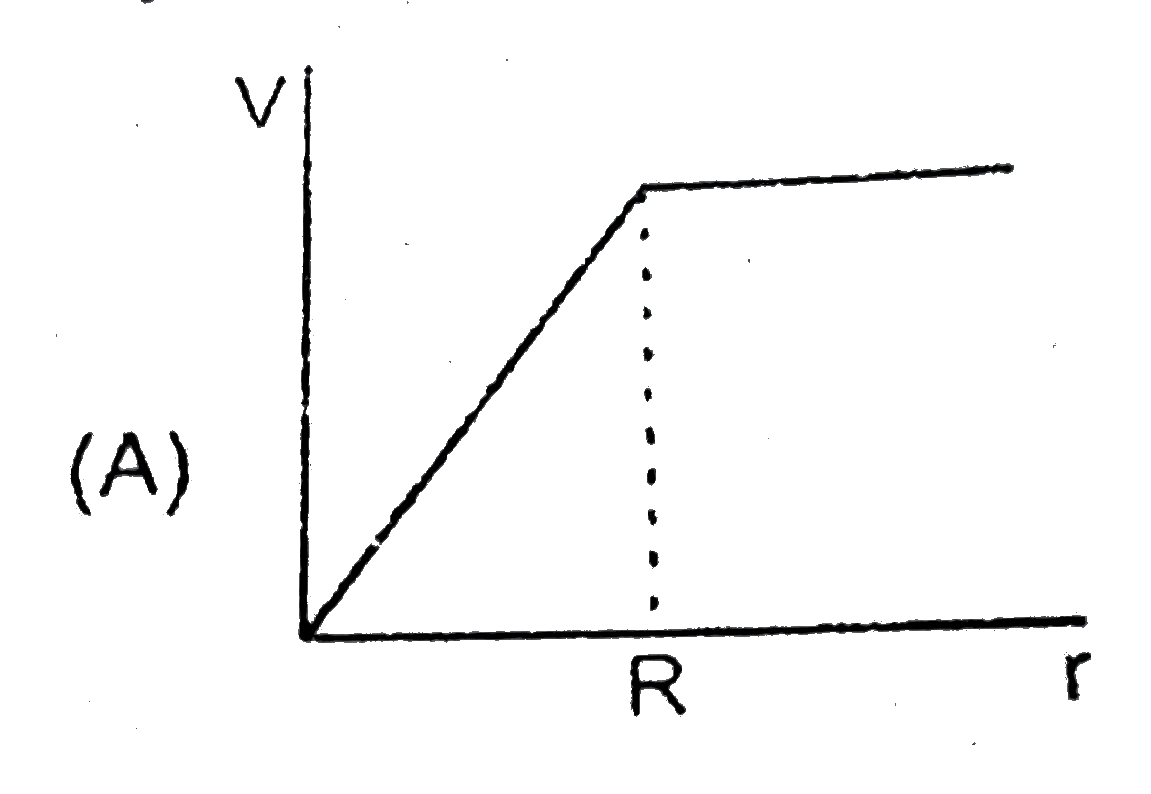
B
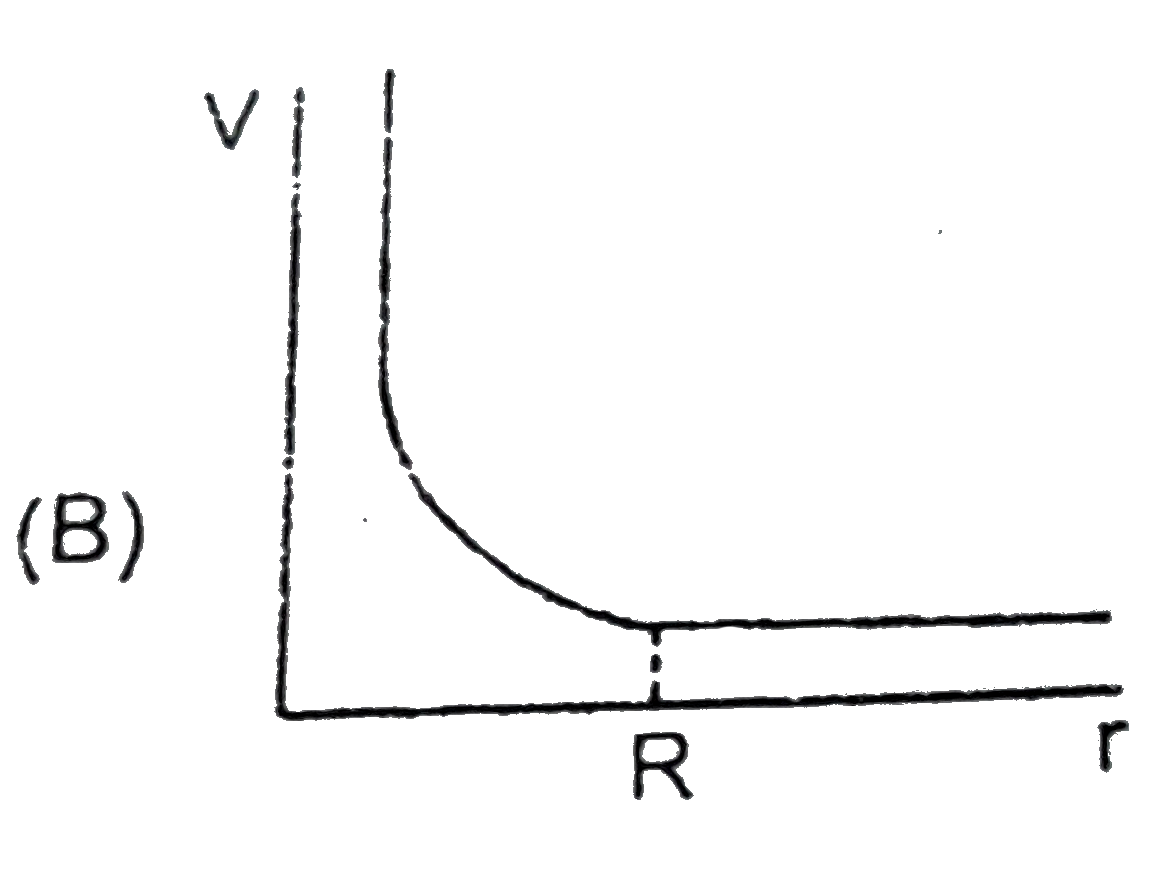
C
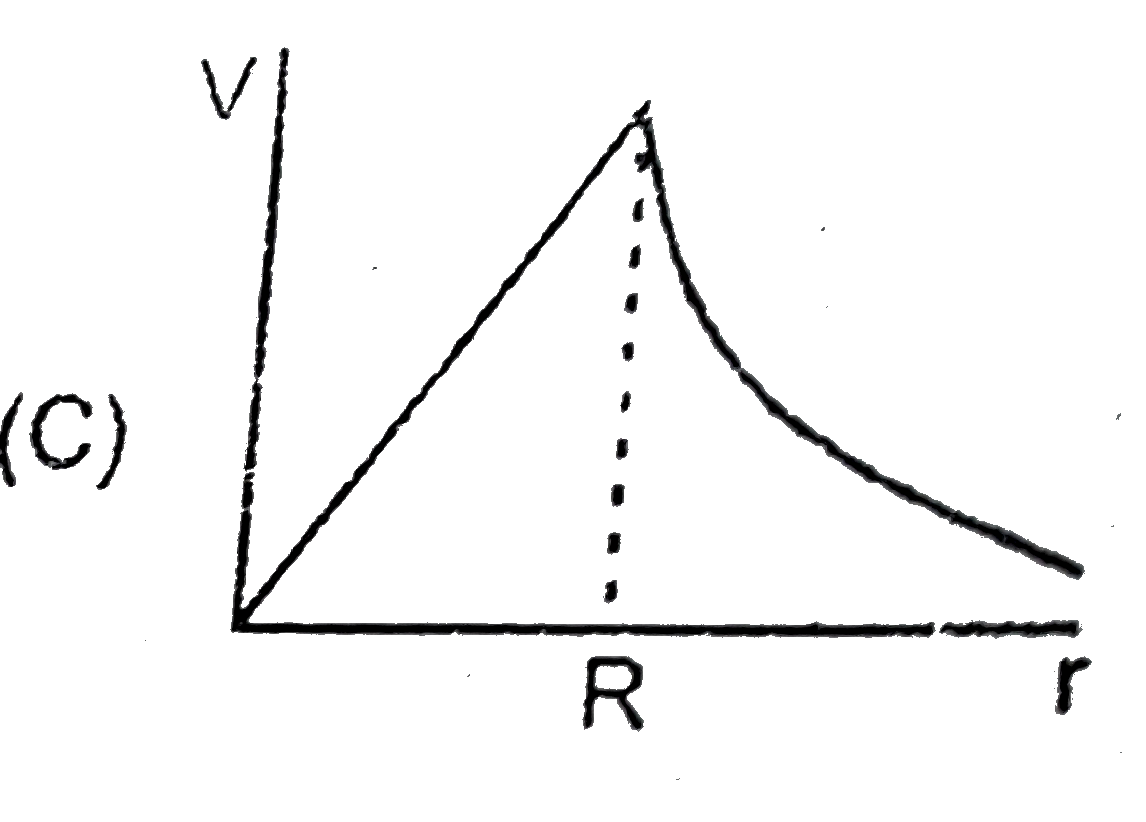
D
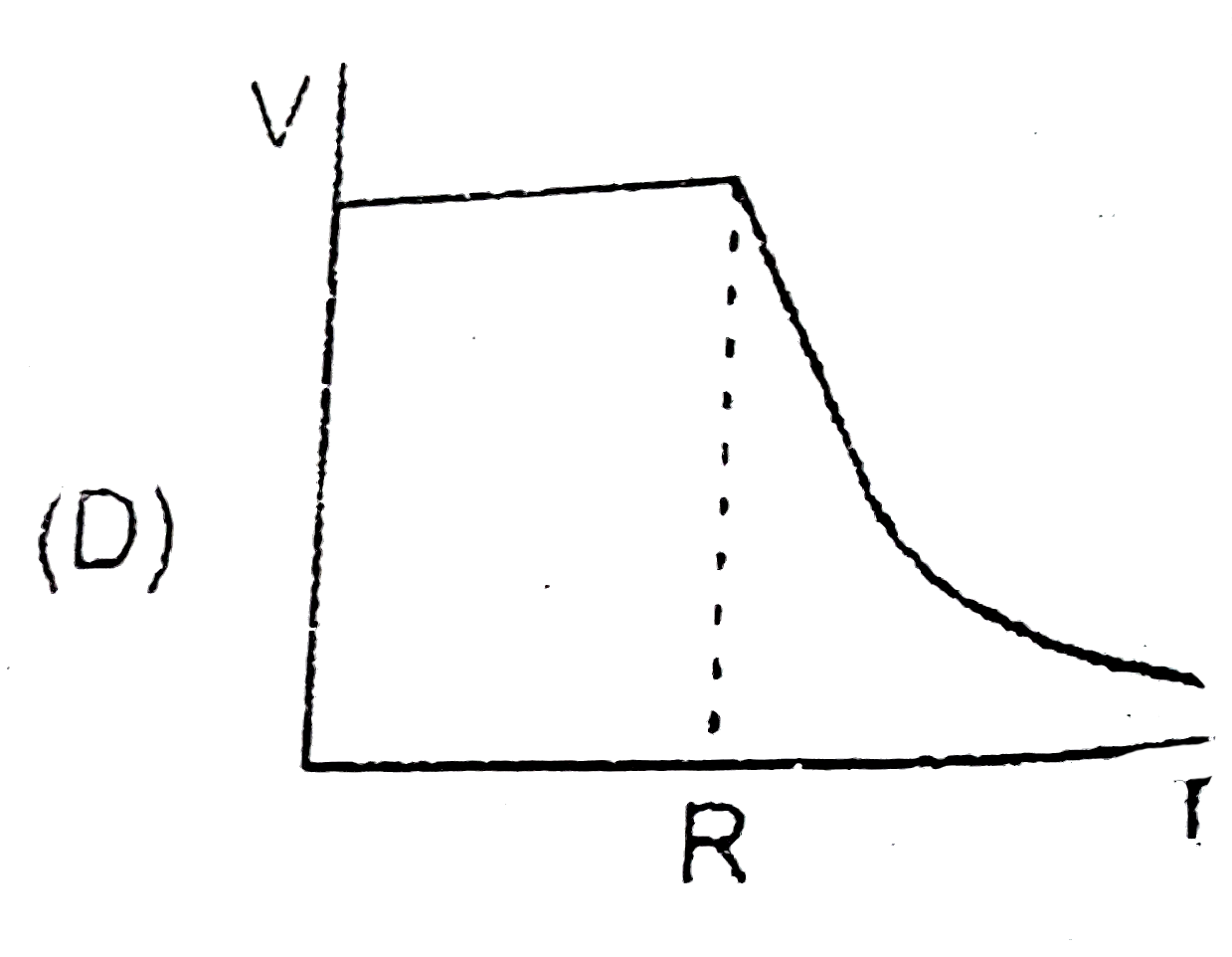
Text Solution
Verified by Experts
The correct Answer is:



Topper's Solved these Questions
GRAVITATION
RESONANCE ENGLISH|Exercise EXERCISE-3 PART-2|11 VideosGRAVITATION
RESONANCE ENGLISH|Exercise HIGH LEVEL PROBLEMS|16 VideosGRAVITATION
RESONANCE ENGLISH|Exercise EXERCISE-2 PART-4|9 VideosGEOMATRICAL OPTICS
RESONANCE ENGLISH|Exercise Advance level Problems|35 VideosNUCLEAR PHYSICS
RESONANCE ENGLISH|Exercise Advanced level solutions|16 Videos
Similar Questions
Explore conceptually related problems
RESONANCE ENGLISH-GRAVITATION-EXERCISE-3 PART-1
- Column I describes some situations in which a small object moves. Colu...
Text Solution
|
- A spherical symmetric gravitational system of a particle has a mass de...
Text Solution
|
- Assertion: An astronaut in an orbiting space station above the earth e...
Text Solution
|
- A thin uniform annular disc (see figure) of mass M has an outer radius...
Text Solution
|
- A binary star consists of two stars A (mass 2.2 MS and B (mass 11 M...
Text Solution
|
- Gravitational acceleration on the surface of a planet is (sqrt6)/(11)g...
Text Solution
|
- A satellite is moving with a constant speed v in circular orbit around...
Text Solution
|
- Two spherical planets P and Q have the same uniform density rho, masse...
Text Solution
|
- Two bodies, each of mass M, are kept fixed with a separation 2L. A par...
Text Solution
|
- A planet of radius R=1/10 (radius of the Earth) has the same mass den...
Text Solution
|
- A bullet is fired vertically upwards with velocity v from the surface ...
Text Solution
|
- A large spherical mass M is fixed at one position and two identical po...
Text Solution
|
- A spherical body of radius R consists of a fluid of constant density a...
Text Solution
|
- A rocket is launched normal to the surface of the Earth, away from the...
Text Solution
|
- A planet of mass M, has two natural satellites with masses m1 and m2 ...
Text Solution
|