Home
Class 12
CHEMISTRY
Two aliphatic aldehydes P and Q react in...

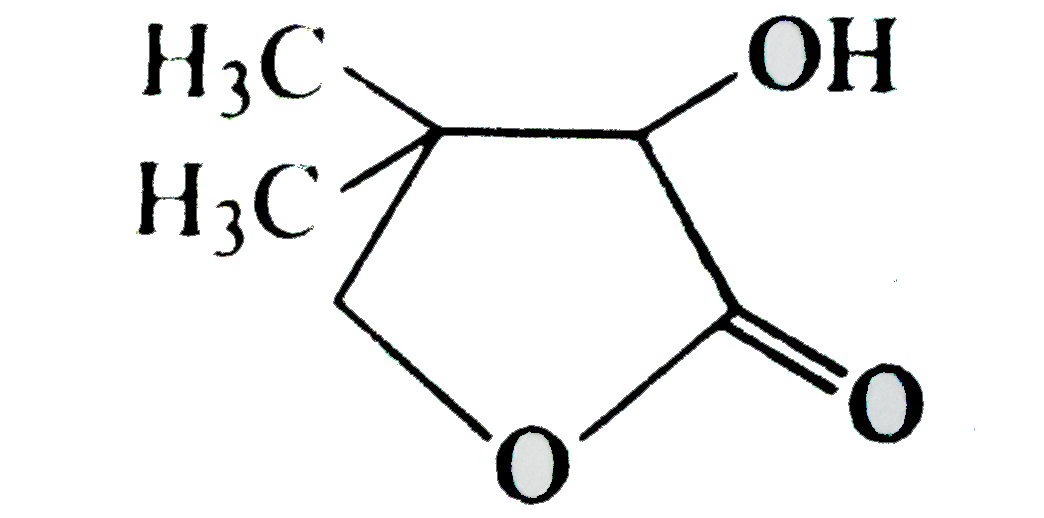
Two aliphatic aldehydes P and Q react in th presence of aqueous `k_(2)CO_(3)` to give compound R, which upon treatment with HCN provides compound S. On acidification and heatingm,S gives the product shown below:

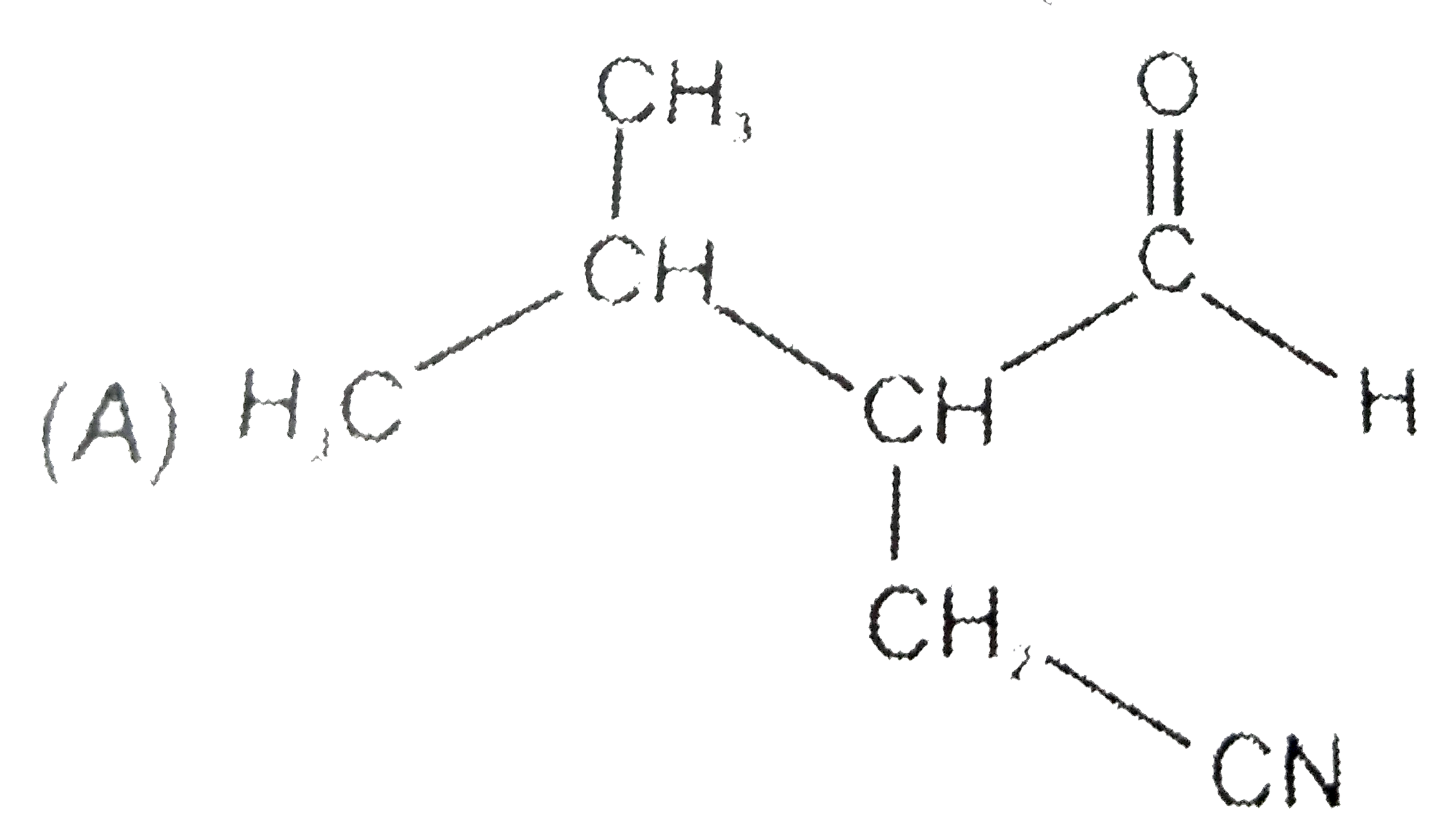
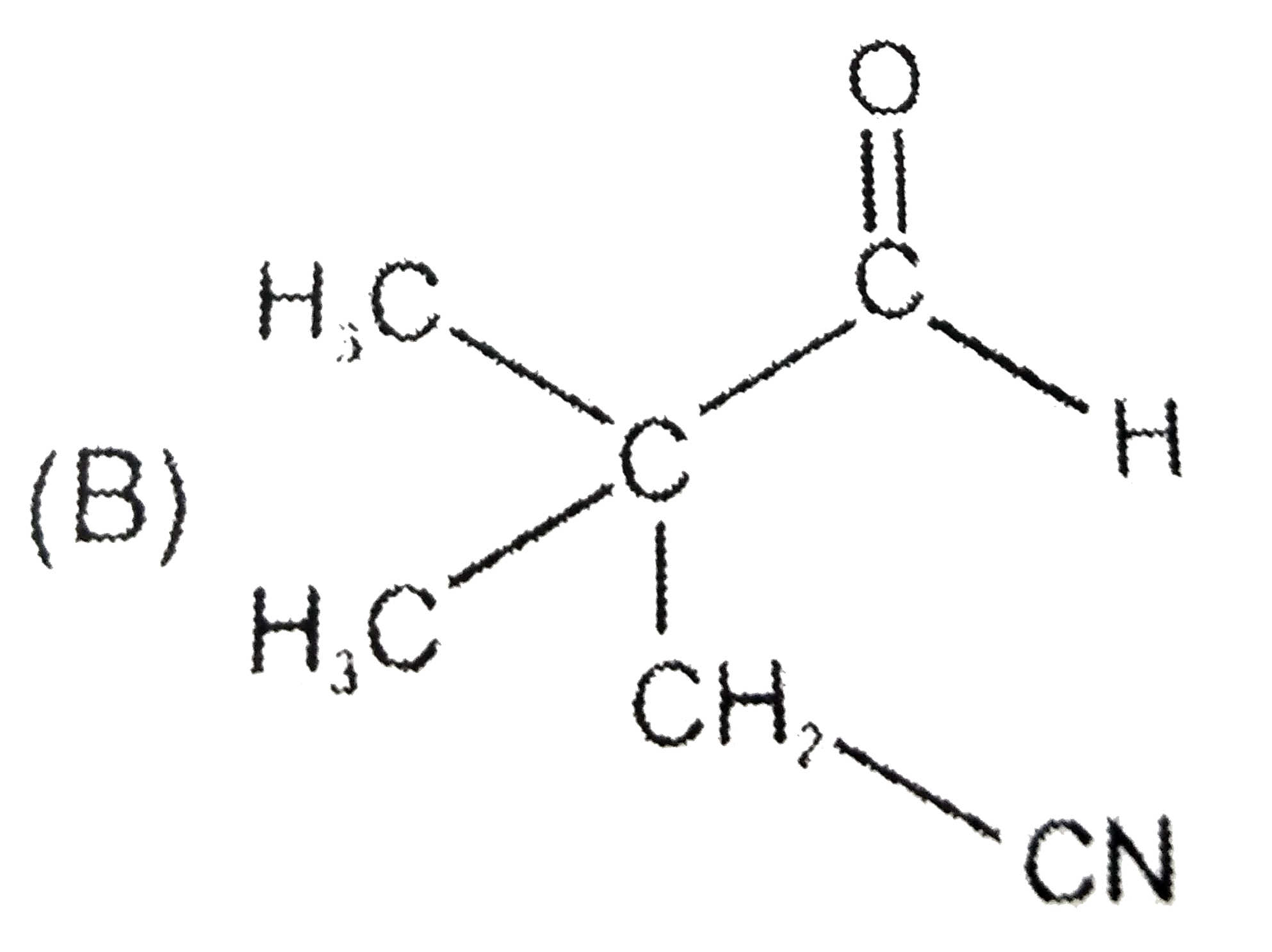
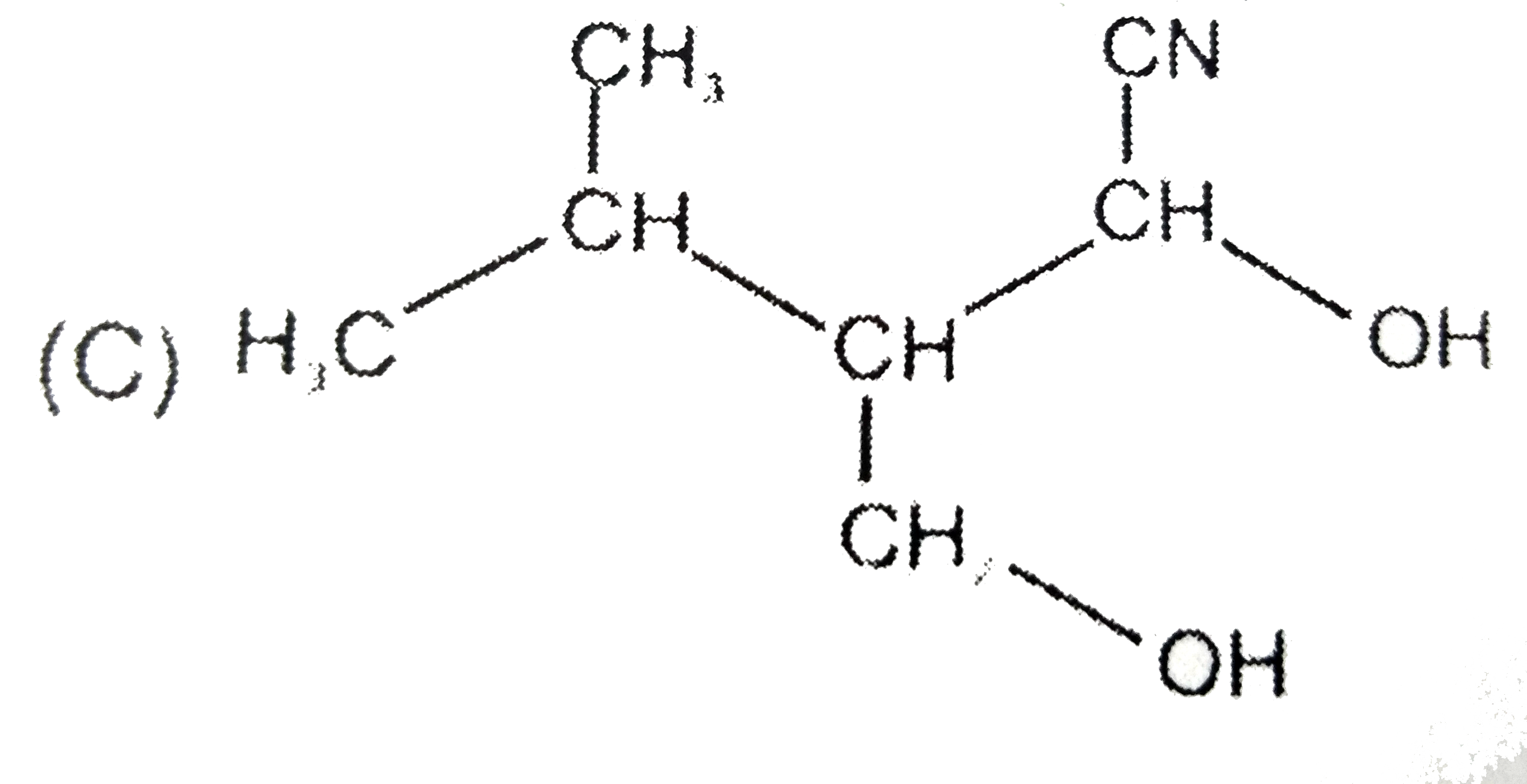
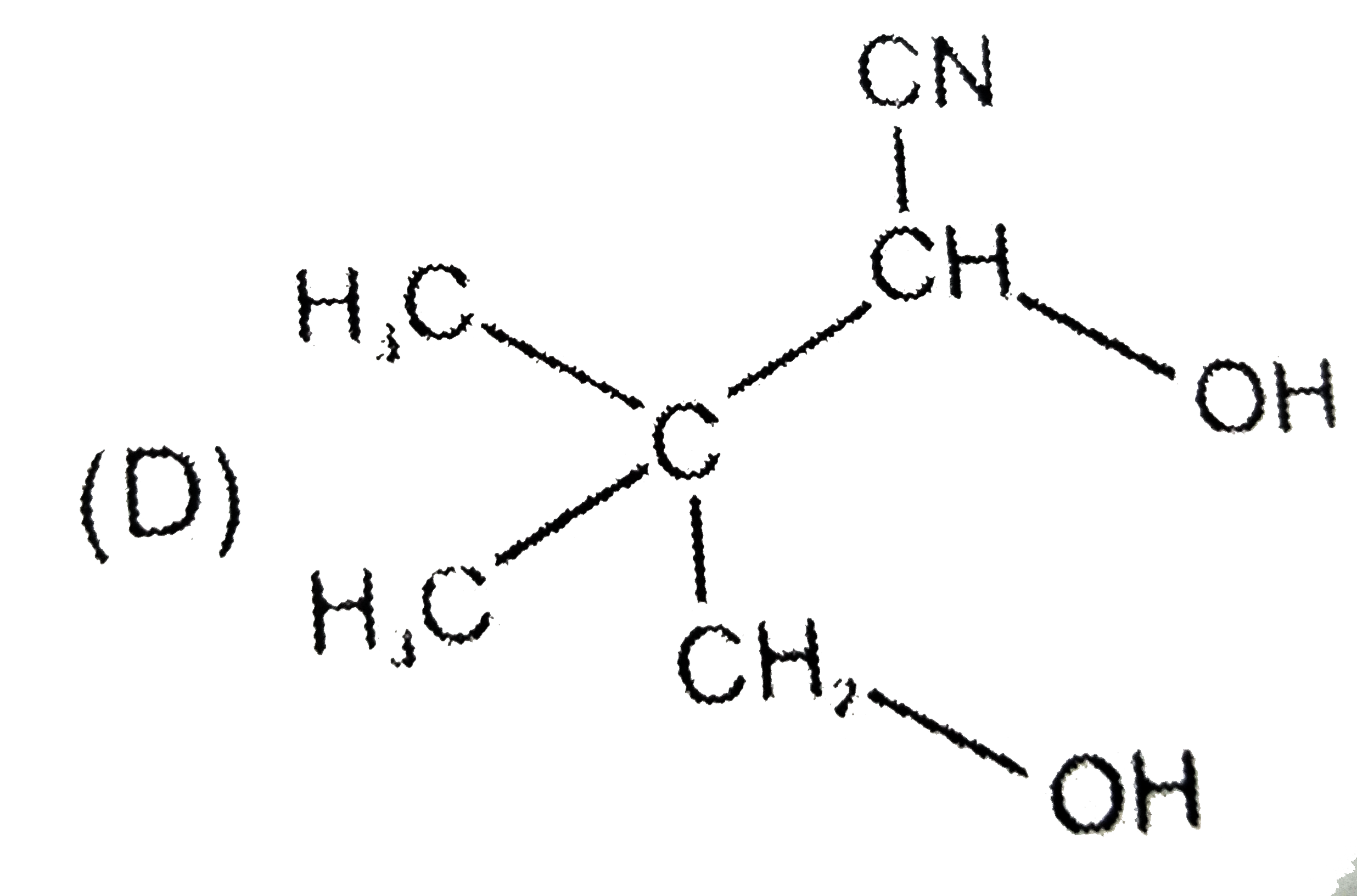
The compound S is

A

B

C

D

Text Solution

Verified by Experts

The correct Answer is:

D
Promotional Banner

Topper's Solved these Questions

  • CARBONYL COMPOUNDS (ALDEHYDES & KETONES ) & CARBOXYLIC ACID

    RESONANCE ENGLISH|Exercise PART- IV|13 Videos
  • CARBONYL COMPOUNDS (ALDEHYDES & KETONES ) & CARBOXYLIC ACID

    RESONANCE ENGLISH|Exercise Exercise-3|1 Videos
  • CARBONYL COMPOUNDS (ALDEHYDES & KETONES ) & CARBOXYLIC ACID

    RESONANCE ENGLISH|Exercise Exercise-2 Part-I|1 Videos
  • BIOMOLECULES & POLYMER

    RESONANCE ENGLISH|Exercise ORGANIC CHEMISTRY(Biomolecules & Polymer)|34 Videos
  • CHEMICAL KINETICS

    RESONANCE ENGLISH|Exercise PHYSICAL CHEMITRY (CHEMICAL KNIETICS & RADIOACTIVITY)|49 Videos

Similar Questions

Explore conceptually related problems

Two aliphatic aldehydes (P) and (Q) react in the presence of aqueous K_(2)CO_(3) to give compound (R ) which upon treatment with HCN gives compound(S). On acidification and heating, (S) gives the product shown below: Compound (R ) is:

Two aliphatic aldehydes (P) and (Q) react in the presence of aqueous K_(2)CO_(3) to give compound (R ) which upon treatment with HCN gives compound(S). On acidification and heating, (S) gives the product shown below: Compounds (P) and (Q), respectively, are:

A compound 'A' when treated with HNO_(3) (in presence of H_(2)SO_(4) ) gives compound B, which is the reduced with Sn and HCl to aniline ? The compound 'A' is

An organic compound P on reduction gives compound Q which on reaction with chloroform and potassium hydroxide forms R. The compound R on catalytic reduction gives N-methylaniline. The compound P is

Which of the compounds shown below will react with diethyl malonate in the presence of methoxide ion to give a compound, which on treatment with aqueous acid and gentle heating will decarboxylate to form butanoic acid?

The compound X on treatment with acidified K_(2)Cr_(2)O_(7) gives compound Y which reacts with I_(2) and Na_(2)CO_(3) to form tri-iodomethane. The compound X is :

The reaction of compounf P with CH_(3)MgBr (excess) in (C_(2)H_(5)_(2)O followed by addition of H_(2)O give Q the compound Q on treatment with H_(2)SO_(4) at 0^(@) C gives R. the reaction of R with CH_(3) COCl in the presence of anhydrous AlCl_(3)"in" CH_(2)Cl_(2) followed by treatment with H_(2)O produces compound S. [Et in compound P is ethyl group] The product S is

A hydrocarbon (X) of the formula C_6H_12 does not react with bromine water but reacts with bromine in presence of light, forming compound (Y).Compound (Y) on treatment with Alc. KOH gives compound (Z) which on ozonolysis gives (T) reduces Tollens reagent which gives compound (W) after acidification . (W) gives iodoform test and after acidification produce compound (U) which when heated with P_2O_5 forms a cyclic anhydride (V). Compound 'x' is

A hydrocarbon (X) of the formula C_6H_12 does not react with bromine water but reacts with bromine in presence of light, forming compound (Y).Compound (Y) on treatment with Alc. KOH gives compound (Z) which on ozonolysis gives (T) reduces Tollens reagent which gives compound (W) after acidification . (W) gives iodoform test and after acidification produce compound (U) which when heated with P_2O_5 forms a cyclic anhydride (V). Compound V is

A hydrocarbon (X) of the formula C_6H_12 does not react with bromine water but reacts with bromine in presence of light, forming compound (Y).Compound (Y) on treatment with Alc. KOH gives compound (Z) which on ozonolysis gives (T) reduces Tollens reagent which gives compound (W) after acidification . (W) gives iodoform test and after acidification produce compound (U) which when heated with P_2O_5 forms a cyclic anhydride (V). Compound W is

RESONANCE ENGLISH-CARBONYL COMPOUNDS (ALDEHYDES & KETONES ) & CARBOXYLIC ACID -Part-I
  1. Two aliphatic aldehydes (P) and (Q) react in the presence of aqueous K...

    Text Solution

    |

  2. Two aliphatic aldehydes (P) and (Q) react in the presence of aqueous K...

    Text Solution

    |

  3. Two aliphatic aldehydes P and Q react in th presence of aqueous k(2)CO...

    Text Solution

    |

  4. Match the reactions in Column I with appropriate types of steps/reacti...

    Text Solution

    |

  5. The number of aldol reaction(s) that occurs in the given transformatio...

    Text Solution

    |

  6. In the following reaction sequence, the compound J is an interemedia...

    Text Solution

    |

  7. In the following reaction sequence, the compound J is an interemedia...

    Text Solution

    |

  8. After completion of the reactions (I and II), the organic compounds in...

    Text Solution

    |

  9. Among P,q,R and S, the aromatic compound(s) is /are:

    Text Solution

    |

  10. The major product of the following reaction is:

    Text Solution

    |

  11. In the following reactions, the product S is

    Text Solution

    |

  12. The major product of the following reactions sequence is

    Text Solution

    |

  13. Positive Tollen's test is observed for

    Text Solution

    |

  14. Compounds P and R upon ozonolysis produce Q and S, respectively. The m...

    Text Solution

    |

  15. There is a solution of p-hydroxybenzoic acid and p-amino benzoic acid ...

    Text Solution

    |

  16. Ph-underset(O)underset(||)(C)-NH(2) overset(POCl(3))to products is

    Text Solution

    |

  17. Identify the structure of the major products A,B, C and D formed in th...

    Text Solution

    |

  18. In the following reactions sequence, the correct structures of E,F and...

    Text Solution

    |

  19. In the reaction the structures of the product T is

    Text Solution

    |

  20. The carboxyl functional group(-COOH) is present in:

    Text Solution

    |
