Home
Class 12
CHEMISTRY
Treatment of benzene with CO/HCl in the ...

Treatment of benzene with CO/HCl in the presence of anhydrous `"AlCl"_(3)//"CuCl" ` followed by reaction with `Ac_(2)"O"//"NaOAc"` gives compound X as the major product. Compound X upon reaction with `Br_(2)//Na_(2)CO_(3)`, followed by heating at 473 K with moist KOH furnishes Y as the major product. Reaction of X with `H_(2)//Pd-C`, followed by `H_(3)PO_(4)` treatment gives Z as the major product.
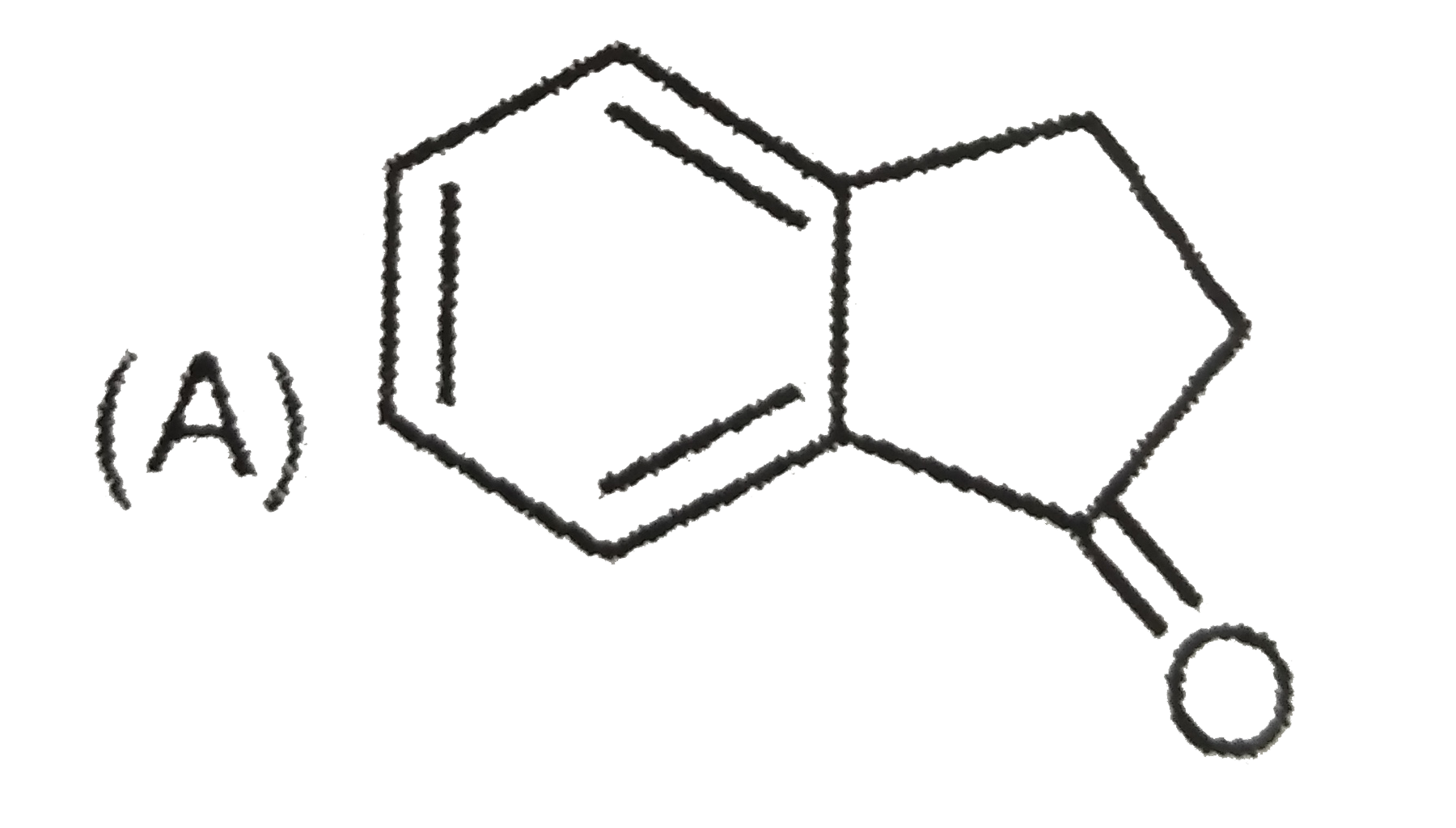
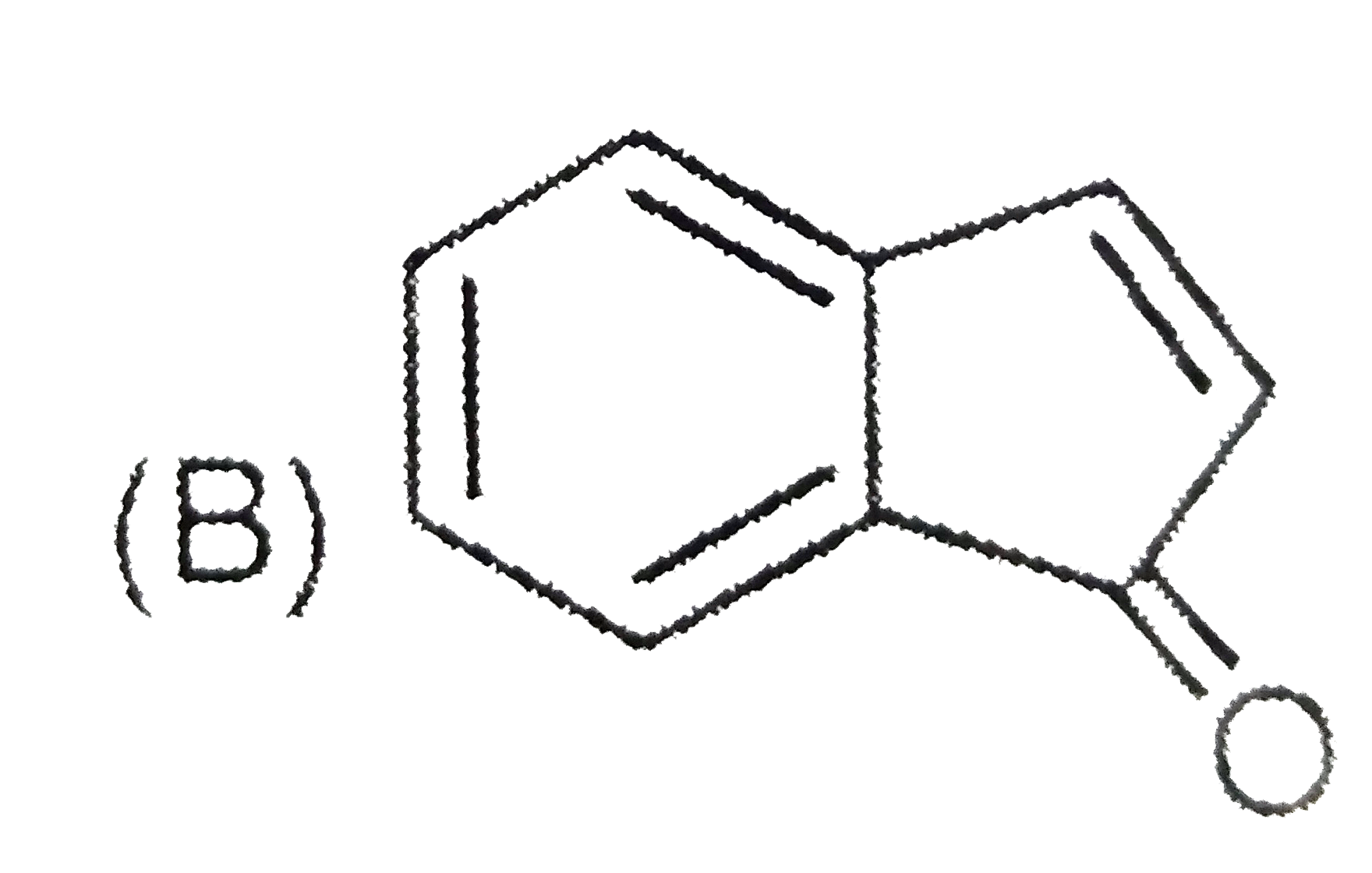
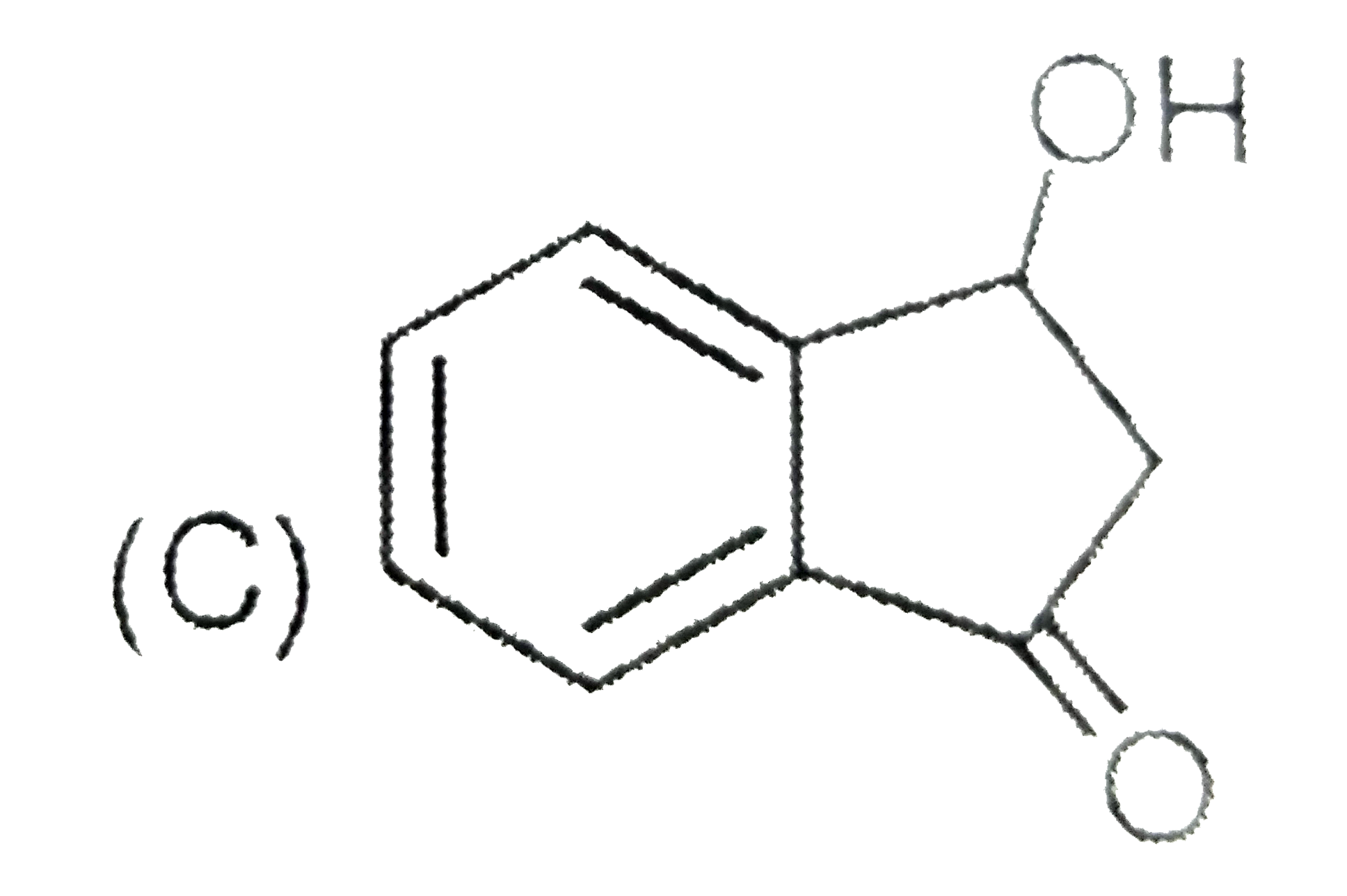
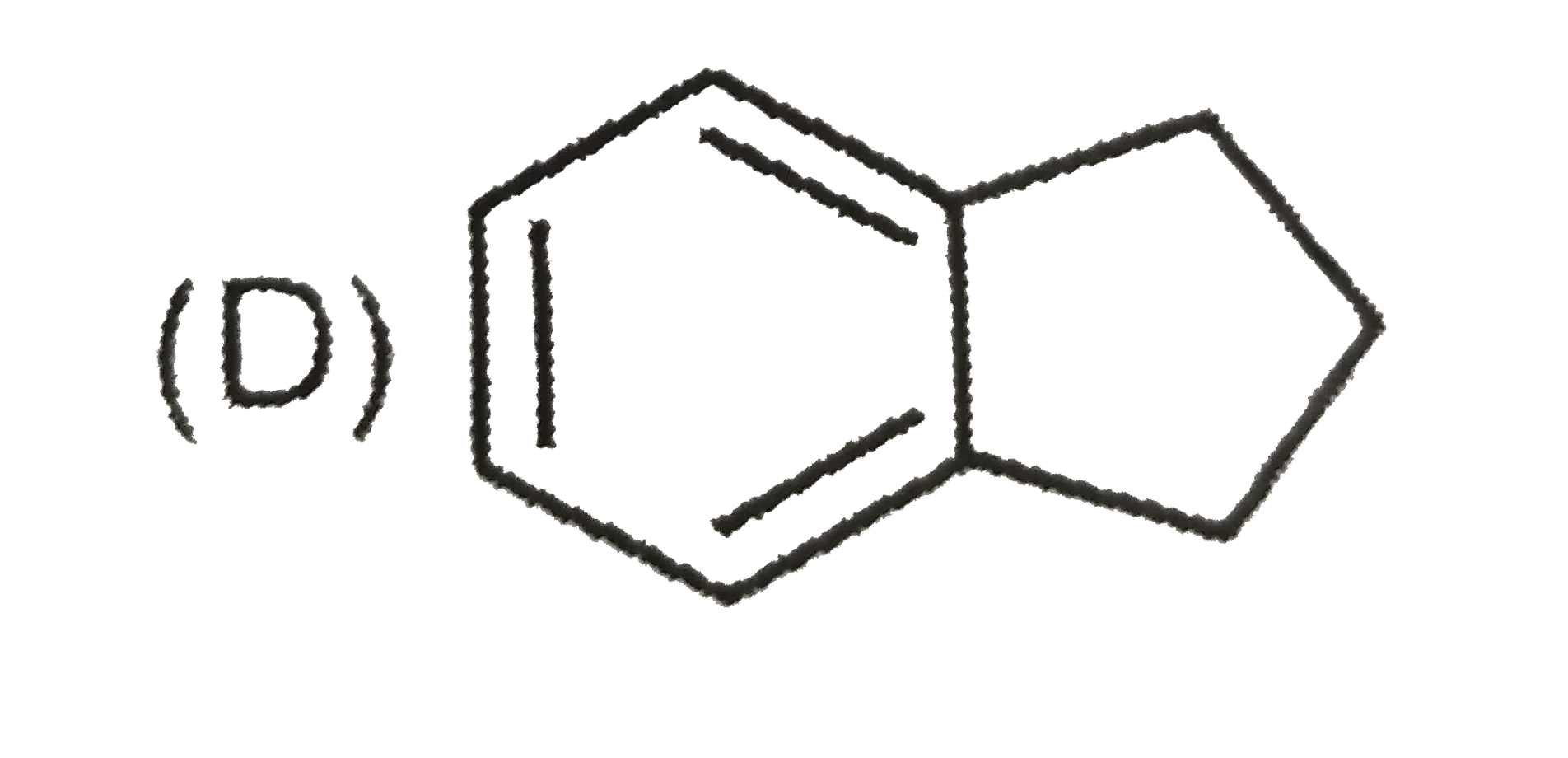
The compound Z is

A

B

C

D

Text Solution

AI Generated Solution

The correct Answer is:

To solve the problem step by step, let's break down the reactions and identify the compounds formed at each stage. ### Step 1: Reaction of Benzene with CO/HCl and Anhydrous AlCl3/CuCl - **Reaction**: Benzene reacts with carbon monoxide (CO) and hydrochloric acid (HCl) in the presence of anhydrous aluminum chloride (AlCl3) and cuprous chloride (CuCl). - **Product**: This reaction is known as the Gatterman-Koch reaction, which introduces a formyl group (-CHO) into the benzene ring, resulting in the formation of benzaldehyde (C6H5CHO). ### Step 2: Reaction of Benzaldehyde with Ac2O/NaOAc - **Reaction**: The benzaldehyde obtained from Step 1 is then treated with acetic anhydride (Ac2O) and sodium acetate (NaOAc). - **Product**: This reaction leads to the formation of an acetylated product, which is 4-acetylbenzaldehyde (C6H4(COCH3)CHO or CH3C6H4CHO). ### Step 3: Bromination of Compound X - **Reaction**: The compound X (4-acetylbenzaldehyde) is then treated with bromine (Br2) in the presence of sodium carbonate (Na2CO3). - **Product**: This leads to bromination at the para position, resulting in the formation of 4-bromo-4-acetylbenzaldehyde. ### Step 4: Heating with Moist KOH - **Reaction**: The brominated product is then heated at 473 K with moist potassium hydroxide (KOH). - **Product**: This reaction leads to the elimination of the bromine atom and the formation of an alkyne, specifically phenylacetylene (C6H5C≡CH). ### Step 5: Hydrogenation of Compound X - **Reaction**: The compound X (4-acetylbenzaldehyde) is subjected to hydrogenation in the presence of palladium on carbon (Pd-C) followed by treatment with phosphoric acid (H3PO4). - **Product**: This results in the formation of 4-hydroxyacetophenone (C6H4(OH)(COCH3)), which is compound Z. ### Conclusion - **Final Product (Z)**: The compound Z is 4-hydroxyacetophenone. ### Summary of Compounds: - **X**: 4-acetylbenzaldehyde (C6H4(COCH3)CHO) - **Y**: Phenylacetylene (C6H5C≡CH) - **Z**: 4-hydroxyacetophenone (C6H4(OH)(COCH3))
Promotional Banner

Topper's Solved these Questions

  • CARBONYL COMPOUNDS (ALDEHYDES & KETONES ) & CARBOXYLIC ACID

    RESONANCE ENGLISH|Exercise PART- IV|13 Videos
  • CARBONYL COMPOUNDS (ALDEHYDES & KETONES ) & CARBOXYLIC ACID

    RESONANCE ENGLISH|Exercise Exercise-3|1 Videos
  • CARBONYL COMPOUNDS (ALDEHYDES & KETONES ) & CARBOXYLIC ACID

    RESONANCE ENGLISH|Exercise Exercise-2 Part-I|1 Videos
  • BIOMOLECULES & POLYMER

    RESONANCE ENGLISH|Exercise ORGANIC CHEMISTRY(Biomolecules & Polymer)|34 Videos
  • CHEMICAL KINETICS

    RESONANCE ENGLISH|Exercise PHYSICAL CHEMITRY (CHEMICAL KNIETICS & RADIOACTIVITY)|49 Videos

Similar Questions

Explore conceptually related problems

Treatment of benzene with "CO"//HCl in the presence of anhydrous AlCl_(3)//CuCl followed by reaction with Ac_(2)"O"//NaOAc gives a compound X. Reaction of X with H_(2)//Pd//c followed by treatment with H_(3)PO_(4) gives another compound Y. The compound Y is :

Give the major product of the following reaction

2.The major product of the following reaction is

How many toluidines on reaction with NaNO_(2)//HCl followed by H_(3)PO_(2) treatment gives Toluene.

Heating of 2-chloro-1-phenylbutane with EtOK/EtOH gives X as the major product. Reaction of X with Hg(PAc)_(2)//H_(2)O followed by gives Y as the major product. Y is :

The major product ‘Y’ in the following reaction is:

The major product ‘Y’ in the following reaction is:

The major product (Y) of the following reactions is

RESONANCE ENGLISH-CARBONYL COMPOUNDS (ALDEHYDES & KETONES ) & CARBOXYLIC ACID -Part-I
  1. Column 1,2 and 3 contain starting materials, reaction conditions, and ...

    Text Solution

    |

  2. Treatment of benzene with CO/HCl in the presence of anhydrous "AlCl"(3...

    Text Solution

    |

  3. Treatment of benzene with CO/HCl in the presence of anhydrous "AlCl"(3...

    Text Solution

    |

  4. An organic acid P (C(11)H(12)O(2)) can easily be oxidized to a dibasic...

    Text Solution

    |

  5. An organic acid P (C(11)H(12)O(2)) can easily be oxidized to a dibasi...

    Text Solution

    |

  6. Which of the following will be products of following reaction ?

    Text Solution

    |

  7. Under Wolff-Kishner reduction conditions, the conversion which may be ...

    Text Solution

    |

  8. An organic compound having molecular formula C(3)H(6)O does not react ...

    Text Solution

    |

  9. In the given reaction sequence Ph-CH(2)-CHO overset(NaOH)to overset(...

    Text Solution

    |

  10. Among the following compounds, which will react with acetone to give a...

    Text Solution

    |

  11. Consider following intramolecular aldol condensation reaction X c...

    Text Solution

    |

  12. The compound X on treatment with acidified K(2)Cr(2)O(7) gives compoun...

    Text Solution

    |

  13. What is the final products (B) of this reaction sequences ?

    Text Solution

    |

  14. Cannizzaro reaction does not take place with

    Text Solution

    |

  15. Which of the following does not give haloform reaction:

    Text Solution

    |

  16. Synthesis of an ester involves the reaction of alcohols with

    Text Solution

    |

  17. When phenyl magnesium bromide reacts with t-butanol the product would ...

    Text Solution

    |

  18. Products A of the above reactions is

    Text Solution

    |

  19. In the reaction sequence CH(3)-overset(O)overset(||)(C)-H-underset(...

    Text Solution

    |

  20. on reductive ozonolysis yeilds

    Text Solution

    |
