Home
Class 12
CHEMISTRY
2-Methychlcyclohexanone is allowed to re...

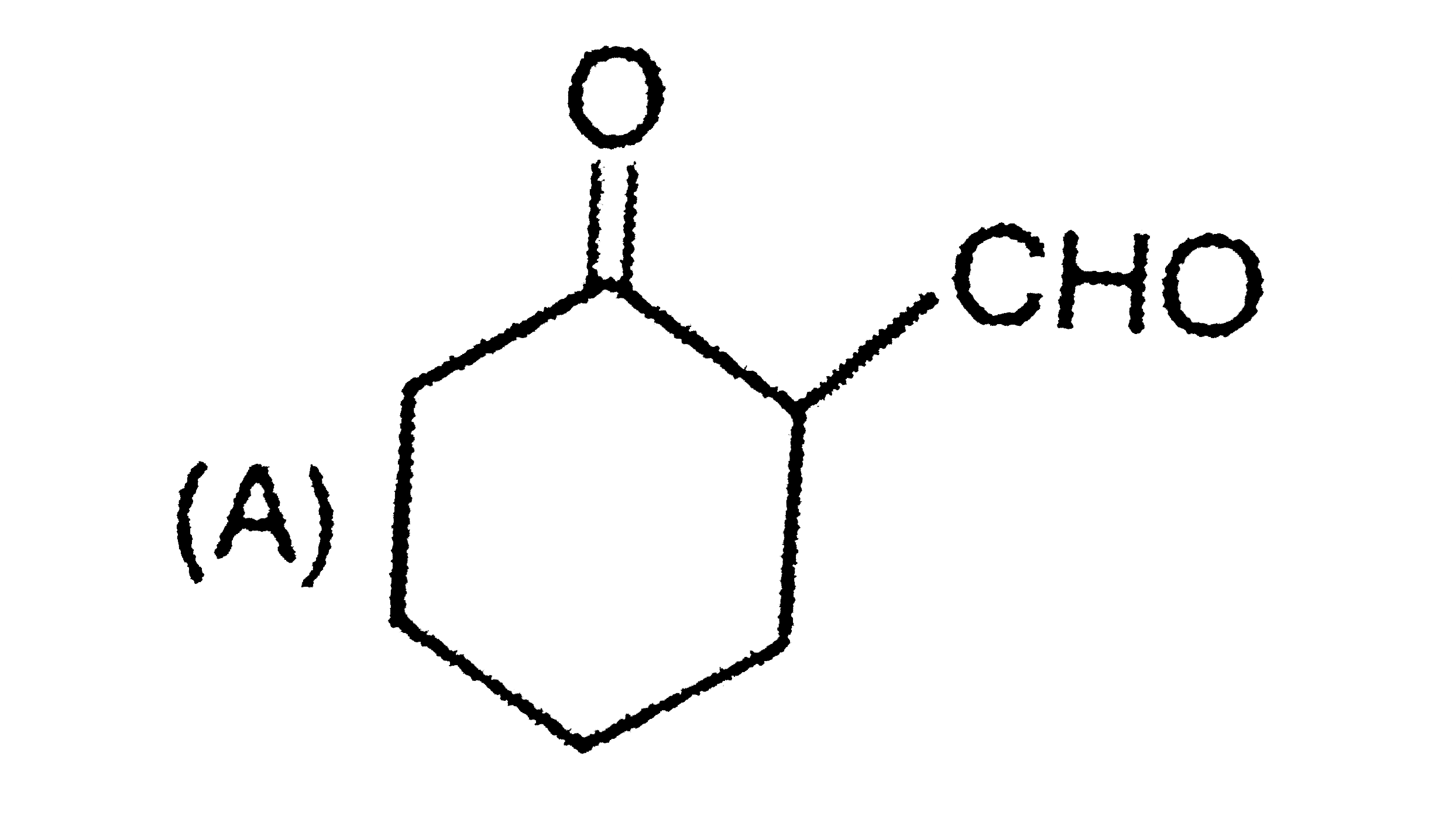
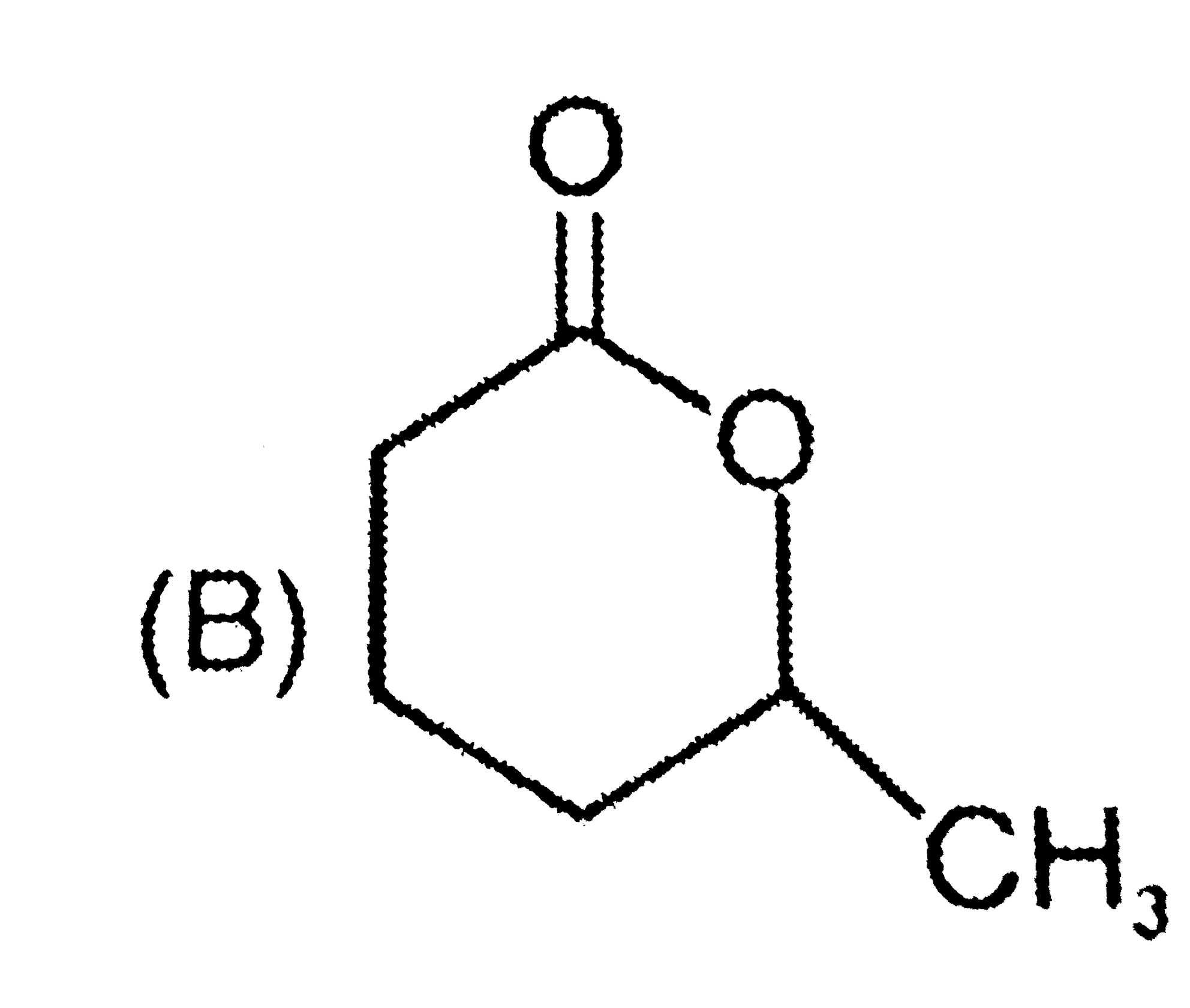
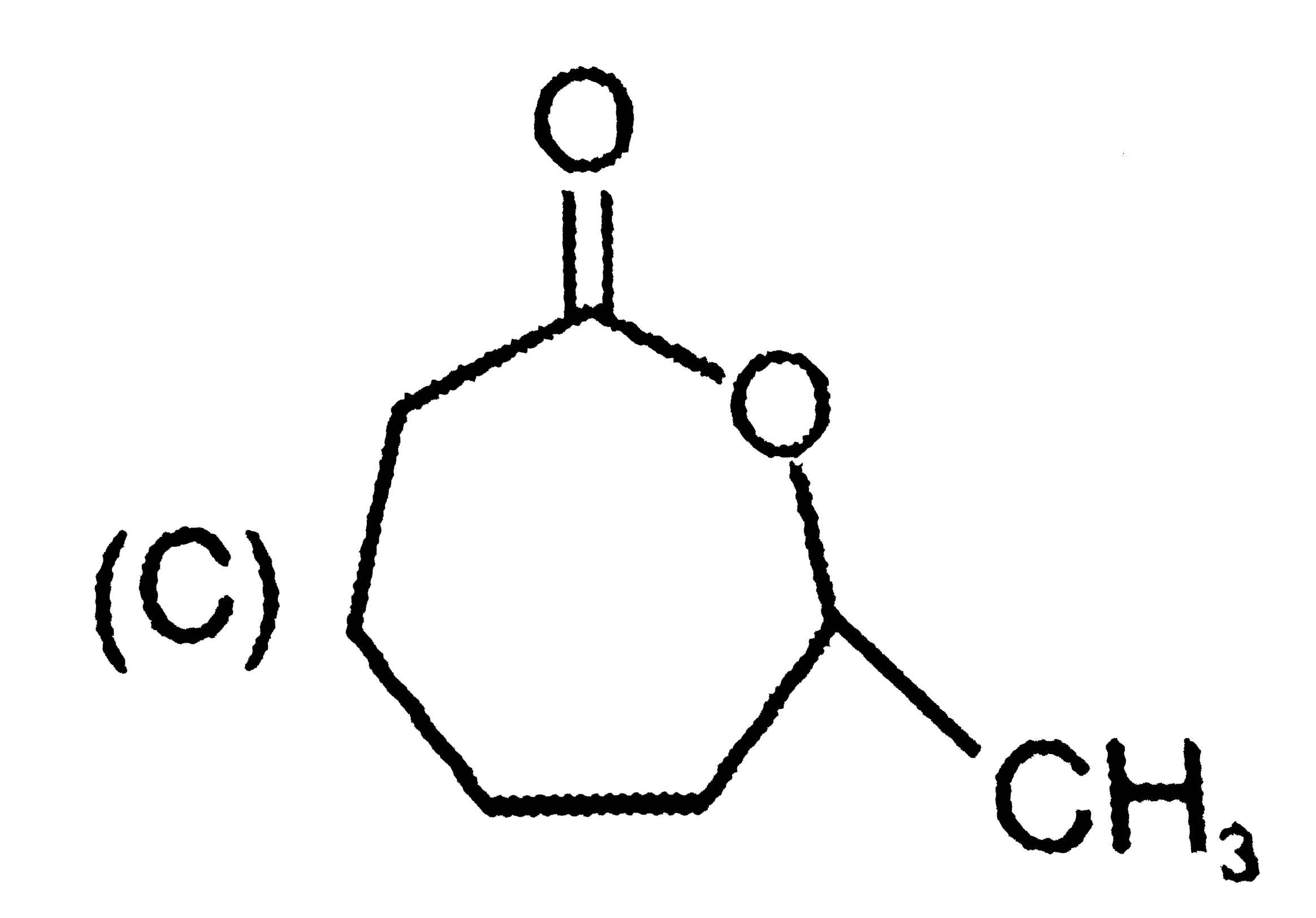
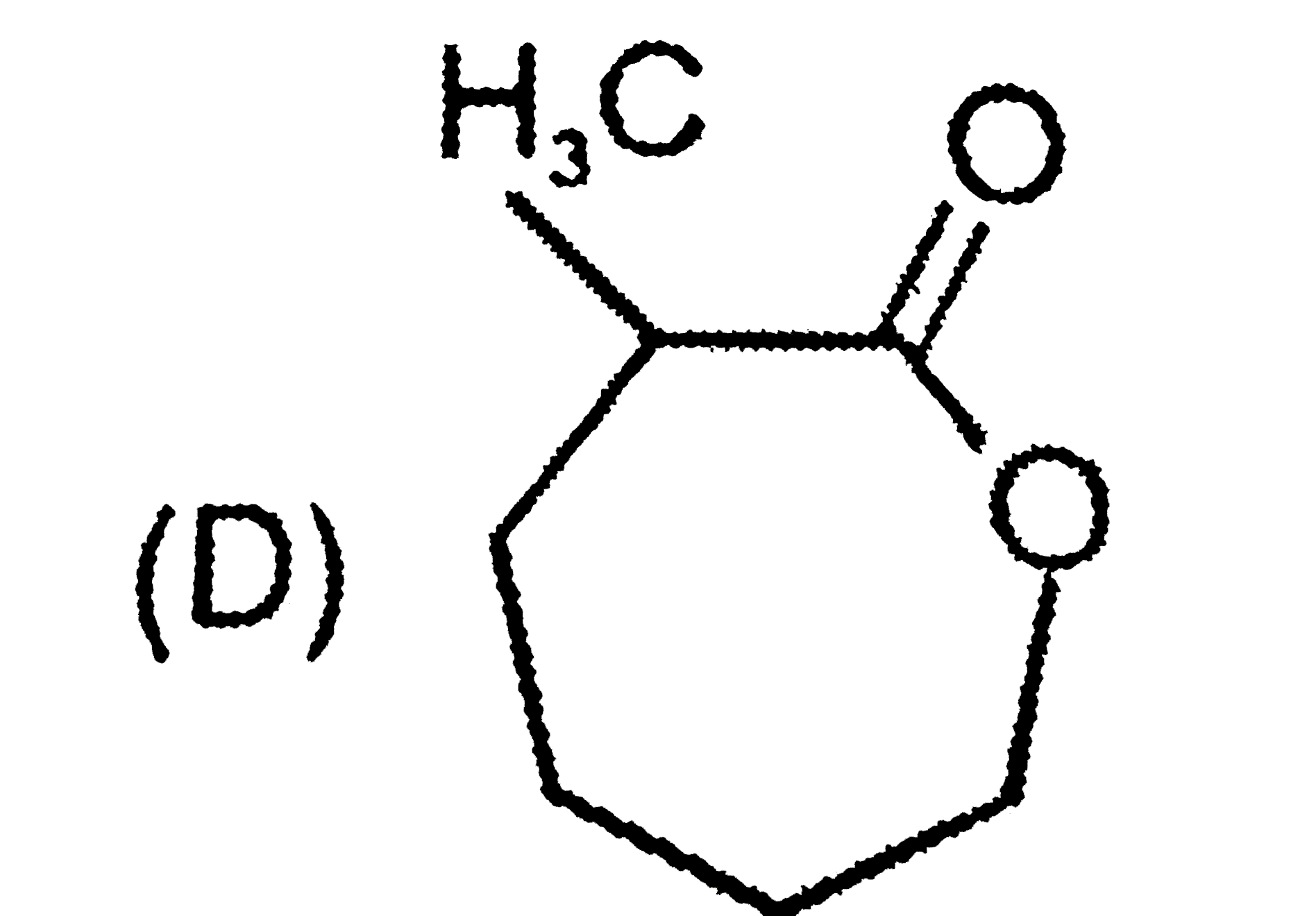
2-Methychlcyclohexanone is allowed to react with matachloroperbenzoic acid. The major product in the reaction is

A

B

C

D

Text Solution

AI Generated Solution

The correct Answer is:

To solve the question regarding the reaction of 2-methylcyclohexanone with meta-chloroperbenzoic acid, we will follow these steps: ### Step 1: Understand the Reactants - **2-Methylcyclohexanone**: This compound has a cyclohexane ring with a ketone (C=O) functional group at the second carbon and a methyl (CH₃) group at the same position. - **Meta-chloroperbenzoic acid (m-CPBA)**: This is a peracid that can introduce an oxygen atom into the carbon skeleton through an epoxidation reaction. **Hint**: Identify the structure of both reactants to visualize the reaction mechanism. ### Step 2: Reaction Mechanism - The reaction involves the nucleophilic attack of the carbonyl oxygen of 2-methylcyclohexanone on the electrophilic oxygen of m-CPBA. - The oxygen in the peracid will act as an electrophile, and the carbonyl oxygen will act as a nucleophile. **Hint**: Remember that nucleophiles donate electrons to electrophiles in a reaction. ### Step 3: Formation of the Epoxide - Upon the reaction, an epoxide is formed. The oxygen from m-CPBA will form a three-membered cyclic ether with the carbonyl carbon of 2-methylcyclohexanone. - This results in the formation of an intermediate with a cyclic structure. **Hint**: Look for the formation of a three-membered ring (epoxide) in the product. ### Step 4: Ring Opening - The epoxide can undergo ring-opening in the presence of acid or water, leading to the formation of a hydroxyl group (-OH) on one of the carbons of the original ketone. - The other carbon will retain the original substituents, including the methyl group. **Hint**: Consider how the epoxide can be opened and what functional groups will remain in the final product. ### Step 5: Identify the Major Product - After the ring-opening, the major product will be a 7-membered ring compound with a hydroxyl group and the original methyl group retained. - The final structure can be named as 7-methyl-oxepan-2-one. **Hint**: Ensure to check the final structure for the correct number of carbons and functional groups. ### Conclusion The major product formed from the reaction of 2-methylcyclohexanone with meta-chloroperbenzoic acid is **7-methyl-oxepan-2-one**. Therefore, the correct option is **C**.

To solve the question regarding the reaction of 2-methylcyclohexanone with meta-chloroperbenzoic acid, we will follow these steps: ### Step 1: Understand the Reactants - **2-Methylcyclohexanone**: This compound has a cyclohexane ring with a ketone (C=O) functional group at the second carbon and a methyl (CH₃) group at the same position. - **Meta-chloroperbenzoic acid (m-CPBA)**: This is a peracid that can introduce an oxygen atom into the carbon skeleton through an epoxidation reaction. **Hint**: Identify the structure of both reactants to visualize the reaction mechanism. ...
Promotional Banner

Topper's Solved these Questions

  • CARBONYL COMPOUNDS (ALDEHYDES & KETONES ) & CARBOXYLIC ACID

    RESONANCE ENGLISH|Exercise Part -IV|23 Videos
  • CARBONYL COMPOUNDS (ALDEHYDES & KETONES ) & CARBOXYLIC ACID

    RESONANCE ENGLISH|Exercise Part -II|39 Videos
  • BIOMOLECULES & POLYMER

    RESONANCE ENGLISH|Exercise ORGANIC CHEMISTRY(Biomolecules & Polymer)|34 Videos
  • CHEMICAL KINETICS

    RESONANCE ENGLISH|Exercise PHYSICAL CHEMITRY (CHEMICAL KNIETICS & RADIOACTIVITY)|49 Videos

Similar Questions

Explore conceptually related problems

Major product in this reaction is :

2-Methylcyclohexanone is allowed to react with metachloroperoxobenzoic acid. The major product formed in the reaction is

RESONANCE ENGLISH-CARBONYL COMPOUNDS (ALDEHYDES & KETONES ) & CARBOXYLIC ACID -Part -III
  1. In the given reaction the products is : CH(3)-CH(2)-underset(O)under...

    Text Solution

    |

  2. Product of following reactions is

    Text Solution

    |

  3. 2-Methychlcyclohexanone is allowed to react with matachloroperbenzoic ...

    Text Solution

    |

  4. Which optically active compound on reduction with LiAlH(4) will give o...

    Text Solution

    |

  5. The reaction,RCOOR'+R''OH (excess) overset(H^(+)or OH^(-))to RCOOR''+R...

    Text Solution

    |

  6. Text Solution

    |

  7. Match the product of column -II with the reaction given in column -I

    Text Solution

    |

  8. How many compounds out of the following are more reactive than ethyl a...

    Text Solution

    |

  9. The product of the following reactions is optically inactive and exist...

    Text Solution

    |

  10. Ph-overset(O)overset(||)(C)-CH(3)+underset("(excess)")(CH(2)=O) overse...

    Text Solution

    |

  11. Which of correct against property mentioned ?

    Text Solution

    |

  12. The following conversion is/are possible by Ph-CH(2)-CH=O to overset...

    Text Solution

    |

  13. Observe the esterification mechanisms for primary and teriary alcohols...

    Text Solution

    |

  14. Observe the esterification mechanisms for primary and teriary alcohols...

    Text Solution

    |

  15. Observe the esterification mechanisms for primary and teriary alcohols...

    Text Solution

    |

  16. Observe the following sequence of reaction and answer the questions ba...

    Text Solution

    |

  17. Observe the following sequence of reaction and answer the questions ba...

    Text Solution

    |

  18. Observe the following sequence of reaction and answer the questions ba...

    Text Solution

    |

  19. Ester having alpha-hydrogen on treatement with a strong base eg. C(2)H...

    Text Solution

    |

  20. Ester having alpha-hydrogen on treatement with a strong base eg. C(2)H...

    Text Solution

    |
