Home
Class 12
CHEMISTRY
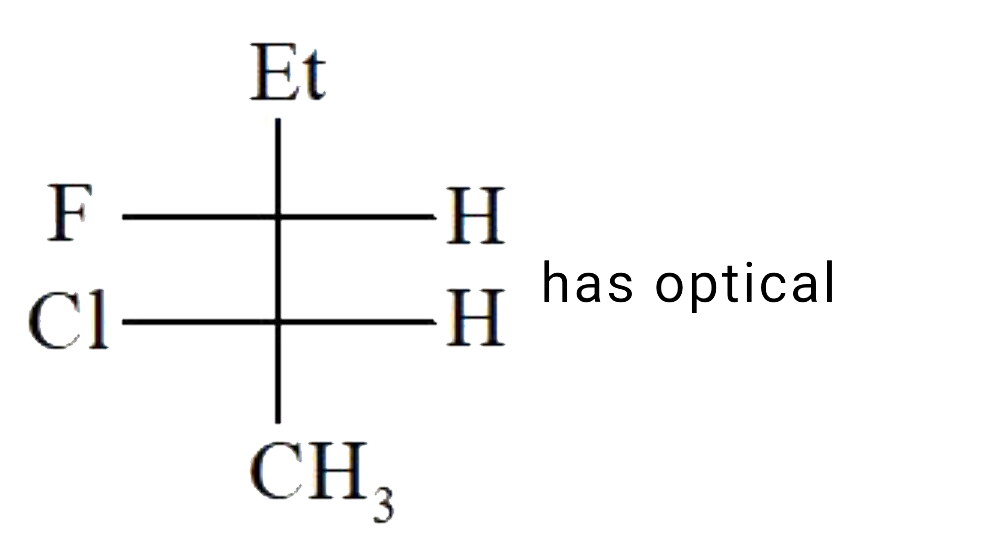
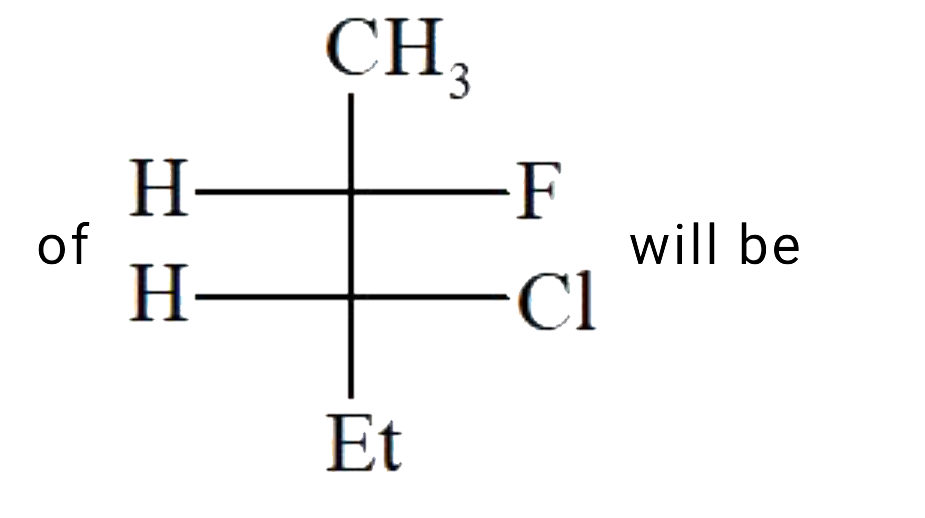
rotation -45^(@), so optical rotation of...


rotation `-45^(@)`, so optical rotation of

A

`+45^@`

B

`0^@`

C

`-45^@`

D

can not be predicted

Text Solution

Verified by Experts

The correct Answer is:

D
Promotional Banner

Similar Questions

Explore conceptually related problems

What is optical rotation ?

An organic compound P exists in two enantiomeric forms, which have specific optical rotation values [alpha] = +-100^(@) . The optical rotation of a mixture of these two enantiomers is -50^(@) . Calculate the percentage of that enantiomer which is in lower concentration in the mixture.

When either form of D-Glucose is dissolved In water, the solution gradually changes its optical rotation and finally attains a constant optical rotation of +52^(@) . Which form of D-GIucose is more stable?

When either form of D-Glucose is dissolved In water, the solution gradually changes its optical rotation and finally attains a constant optical rotation of +52^(@) . What is the percentage of open chain D-Glucose in solution?

When either form of D-Glucose is dissolved In water, the solution gradually changes its optical rotation and finally attains a constant optical rotation of +52^(@) . Which of the following statements, is true?

A 300 mm long tube containing 60 cm^(3) of sugar solution produces an optical rotations of 10^(@) when placed in a saccharimeter. If specific rotation of sugar is 60^(@) calculate the quantity of sugar constained in te tube solution.

The optical rotation of the alpha -form of a pyranose is +150.7^(@) , that of the beta -form is +52.8^(@) . In solution an equilibrium mixture of these anomers has an optical rotation of +80.2^(@) . The precentage of the alpha -form in equilibrium mixture is :

During mutarotation of beta -D-glucose in aqueous solution angle of optical rotation

The optical rotation of an optically active compound is +20^(@) . The length of tube is 10 cm and the density of solution is 0.4 gm ml^(-) . The specific rotation of the compound is: i. +50^(@) ii. +500^(@) iii. +5^(@) iv. +0.5^(@)
