Home
Class 12
CHEMISTRY
The solution of which of the following w...

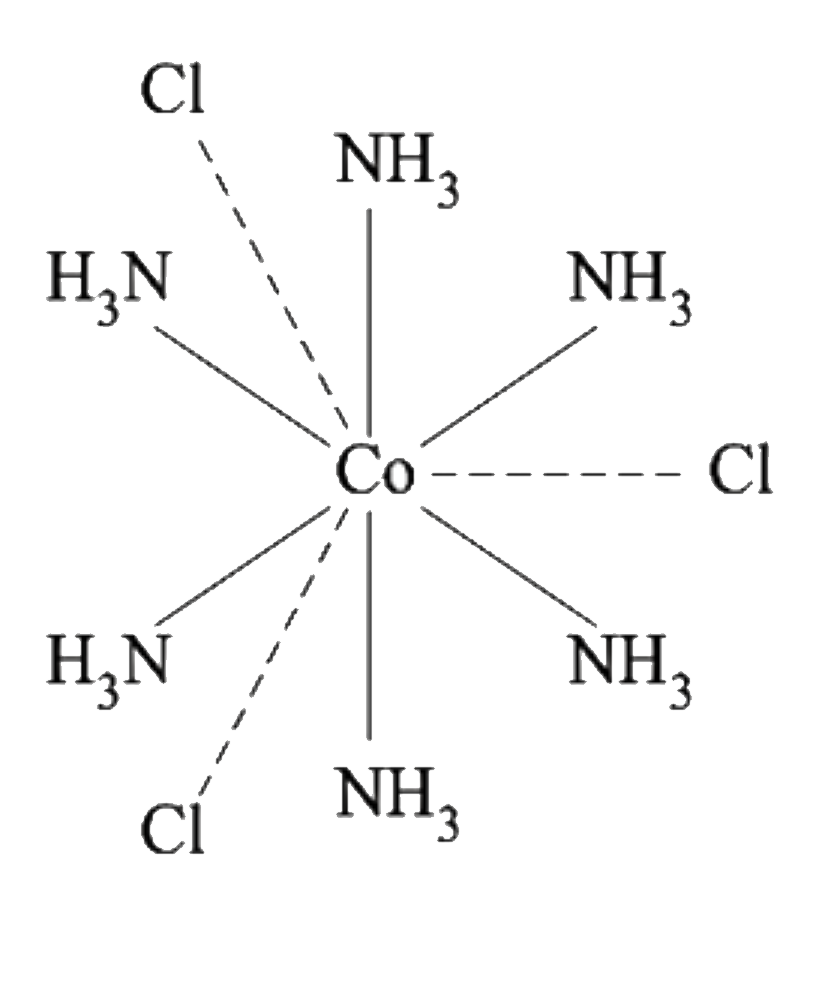
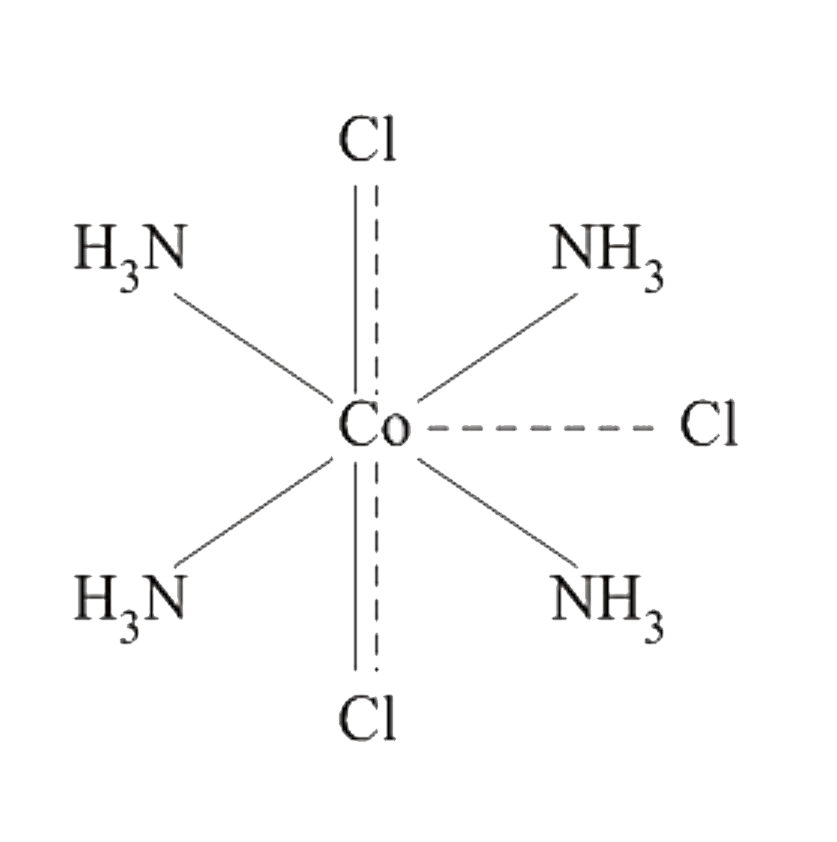
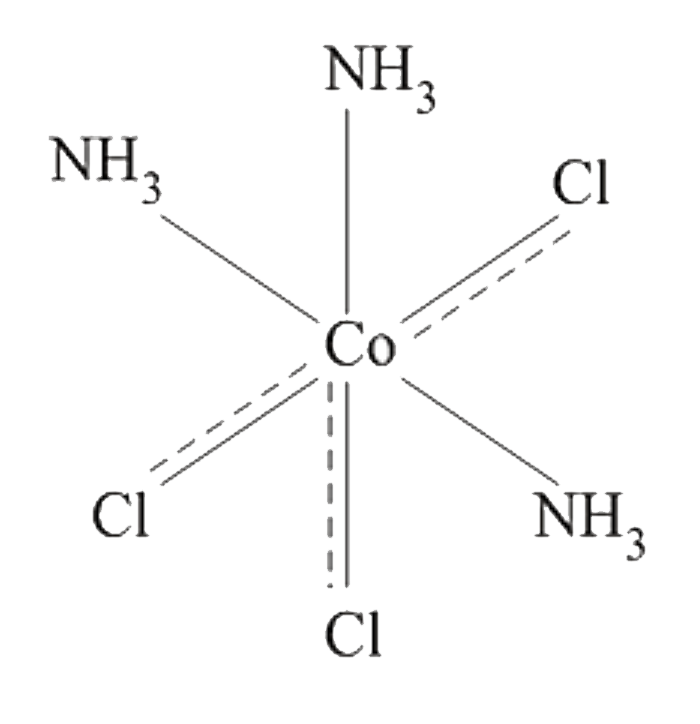
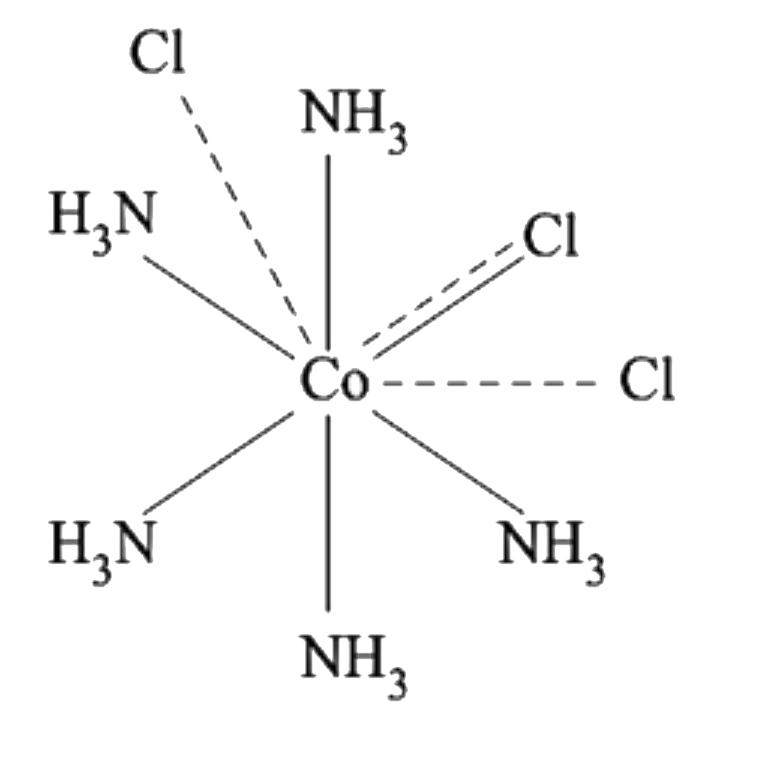
The solution of which of the following will be non - conducting ?

A

B

C

D

Text Solution

AI Generated Solution

The correct Answer is:

To determine which of the given complexes will be non-conducting, we need to analyze each complex based on its ability to dissociate into ions in solution. Conductivity in solutions is primarily due to the presence of free ions. If a compound does not dissociate into ions, it will not conduct electricity. ### Step-by-Step Solution: 1. **Understanding Conductivity**: - Conductivity in solutions is due to the presence of ions. If a compound dissociates into ions when dissolved, it will conduct electricity. If it does not dissociate, it will be non-conducting. 2. **Identifying the Complexes**: - We have four complexes labeled A, B, C, and D. We need to analyze each one to see if they produce ions upon dissociation. 3. **Analyzing Complex A**: - Complex A: Co(NH₃)₆Cl₃ - This complex has 6 ammonia (NH₃) ligands and 3 chloride (Cl⁻) ions. - Upon dissociation, it forms Co(NH₃)₆³⁺ and 3 Cl⁻ ions. - **Conclusion**: This complex will conduct electricity. 4. **Analyzing Complex B**: - Complex B: Co(NH₃)₄Cl₂Cl - This complex has 4 ammonia ligands and 2 chloride ions directly attached, with one Cl outside the coordination sphere. - Upon dissociation, it forms Co(NH₃)₄Cl₂⁺ and Cl⁻ ions. - **Conclusion**: This complex will also conduct electricity. 5. **Analyzing Complex C**: - Complex C: Co(NH₃)₃Cl₃ - All ligands (3 NH₃ and 3 Cl) are directly attached to the cobalt ion. - There are no ions that can dissociate; it remains as a neutral complex. - **Conclusion**: This complex will not conduct electricity (non-conducting). 6. **Analyzing Complex D**: - Complex D: Co(NH₃)₅ClCl₂ - This complex has 5 ammonia ligands and 3 chloride ions (2 directly attached and 1 outside the coordination sphere). - Upon dissociation, it forms Co(NH₃)₅Cl₂⁺ and Cl⁻ ions. - **Conclusion**: This complex will conduct electricity. 7. **Final Conclusion**: - The only complex that does not dissociate into ions is Complex C (Co(NH₃)₃Cl₃). Therefore, the answer to the question is that the solution of Complex C will be non-conducting. ### Answer: The solution of Complex C (Co(NH₃)₃Cl₃) will be non-conducting. ---
Promotional Banner

Similar Questions

Explore conceptually related problems

Which of the following is non-conducting?

Which of the following is a non-metal ?

Which of the following are non - reducing sugars ?

Which of the following will form non-ideal solution?

Which of the following is non-linear ?

Which of the following is a non metallic conductor

Which of the following is/are non-reducing sugars?

Which of the following is non-reducing sugar ?

Which of the following are non-reducing sugars -
