Home
Class 12
CHEMISTRY
What is the major product (Z) of the rea...

What is the major product (Z) of the reaction?
`PhCOOH underset(H_2SO_4)overset(HNO_3)(rarr) overset(Sn//HCl)(rarr)underset(HCl)overset(NaNO_2)(rarr)underset(Delta)overset(H_2O)(rarr)`

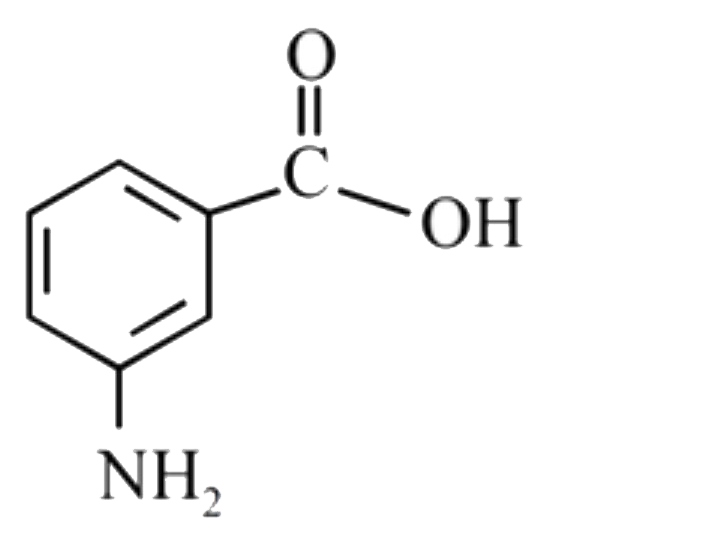
A

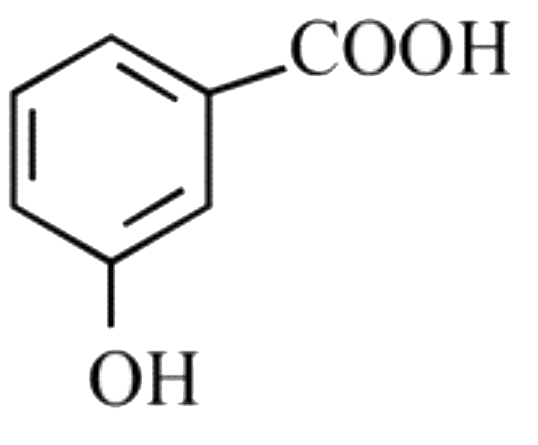
B

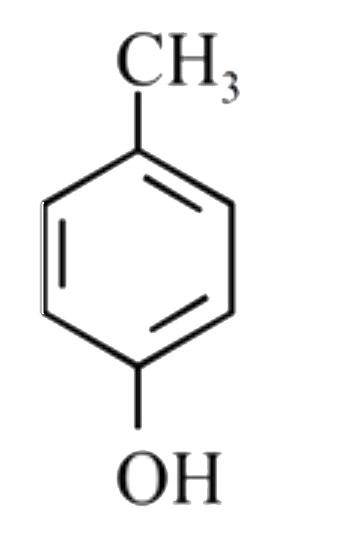
C

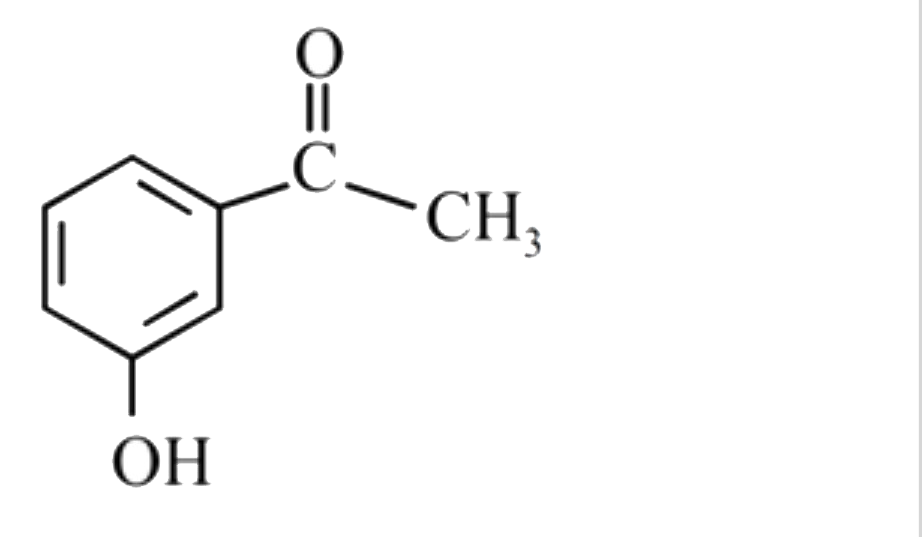
D

Text Solution

AI Generated Solution

The correct Answer is:

To determine the major product (Z) of the reaction sequence provided, we will break down each step of the reaction: ### Step 1: Nitration of Benzoic Acid - **Starting Material**: Benzoic acid (PhCOOH). - **Reagents**: HNO3 and H2SO4. - **Reaction**: The nitration of benzoic acid occurs, where the nitro group (NO2) is introduced onto the benzene ring. Since the carboxylic acid group (COOH) is a meta-directing group, the nitro group will attach at the meta position relative to the COOH group. - **Product**: Meta-nitrobenzoic acid (m-NO2-PhCOOH). ### Step 2: Reduction of Nitro Group to Amino Group - **Starting Material**: Meta-nitrobenzoic acid (m-NO2-PhCOOH). - **Reagents**: Sn and HCl. - **Reaction**: The nitro group (NO2) is reduced to an amino group (NH2) using Sn/HCl as a reducing agent. - **Product**: Meta-aminobenzoic acid (m-NH2-PhCOOH). ### Step 3: Formation of Diazonium Salt - **Starting Material**: Meta-aminobenzoic acid (m-NH2-PhCOOH). - **Reagents**: NaNO2 and HCl. - **Reaction**: The amino group (NH2) is converted into a diazonium salt (N2Cl) in the presence of NaNO2 and HCl. - **Product**: Meta-diazobenzenecarboxylic acid (m-N2Cl-PhCOOH). ### Step 4: Replacement of Diazonium Group with Hydroxyl Group - **Starting Material**: Meta-diazobenzenecarboxylic acid (m-N2Cl-PhCOOH). - **Reagents**: Water (H2O). - **Reaction**: The diazonium group (N2Cl) is hydrolyzed to form a hydroxyl group (OH) when treated with water. - **Product**: Meta-hydroxybenzoic acid (m-OH-PhCOOH). ### Final Product (Z) - The final major product (Z) of the reaction sequence is **Meta-hydroxybenzoic acid**. ---
Promotional Banner

Similar Questions

Explore conceptually related problems

Identify the product (E ) in the following sequence of reactions. overset(Br_2)(rarr)Aoverset(Sn//HCl)(rarr)B underset(273-278K)overset(NaNO_2//HCl)(rarr)Coverset(H_2O // H_3PO_2)(rarr) Dunderset(OH^-)overset(KMnO_4)(rarr)E

C_6H_6underset(H_2SO_4)overset(HNO_3)toPoverset(Sn//HCl)toQunderset(HCl)overset(NaNO_2)toRunderset(H_2O)overset(H_3PO_2)toS The end product S in the given sequence of reactions is

underset(DMSO)overset(KCN)rarroverset(H_(2), Pd)rarr product is

overset(HNO_(3)//H_(2)SO_(4))(rarr) A underset(433 K)overset("NaOH")(rarr)B, B is

In the given reaction sequences the final product 'C' is CH_3-CH_2-OH underset((ii)H_2O^(+))overset((i)KMnO_4//overset(-)(OH)//Delta)(rarr)(A)underset((ii)NH_3)overset((i)SOCl_2)(rarr)(B) overset(Br_(2)//KOH)(rarr)(C )

The product D of the reaction CH_(3)Cl overset( KCN) ( rarr) ( A) overset( H_(2) O) ( rarr) (B) overset( NH_(3))(rarr) ( C ) overset( Delta)( rarr) ( D ) is

In the reaction sequence CH_(3)-overset(O)overset(||)(C)-H-underset(.^(Θ)OH)overset(HCN)rarr(A) underset(Delta)overset(H_(2)O //overset(o+)(H))rarr Product is/are :

The product of following reaction is: underset(CHCl_(3))overset(H_(2)SO_(4)("Cat."))rarr

H-C-=C-H underset(H_(2)SO_(4))overset(HgSO_(4))(rarr)overset("dil.NaOH")(rarr)overset(Delta)(rarr)P . The final product P is
