Home
Class 12
CHEMISTRY
Nucleophilic aliphatic substitution reac...

Nucleophilic aliphatic substitution reaction is mainly of two types: `S_(N)1` and `S_(N)2`. The `S_(N)1` mechanism is a two step process. Reaction velocity of `S_(N)1` reaction depends only on the concentration of the substrate. Since product formation takes place by the formation of carbocation, optically active substrate gives (+) and (-) forms of the product. In most of the cases the product usually consits of `5-20%` inverted product and `80-95%` racemised species. The more stable the carbocation, the greater is the proportion of racemisation. In solvolysis reaction, the more nucleophilic the solvent, the greater is the proportion of inversion.
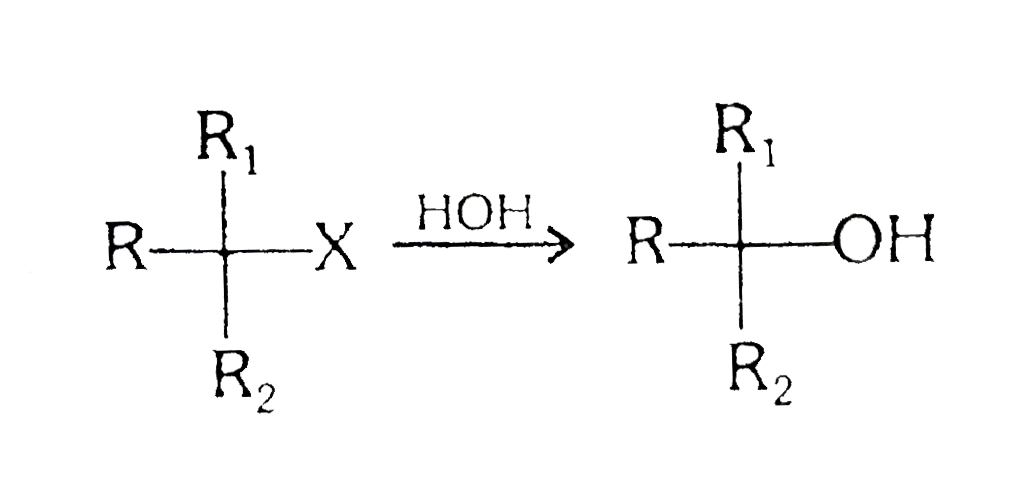
For the gives reaction,
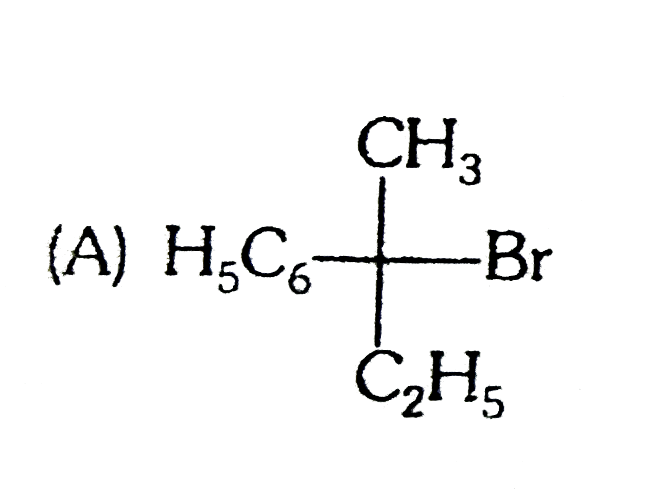
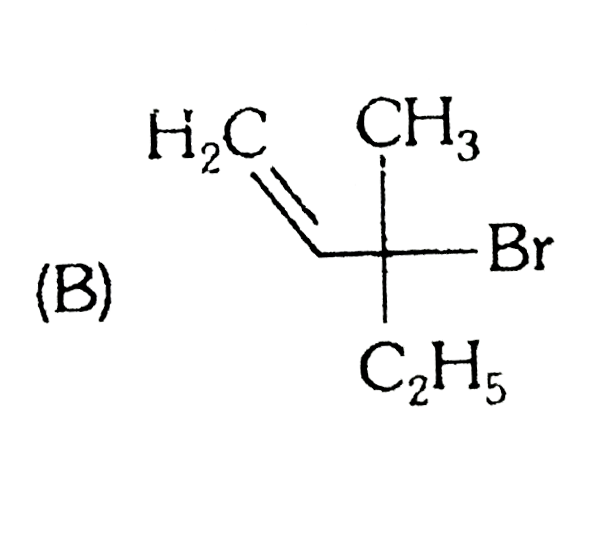
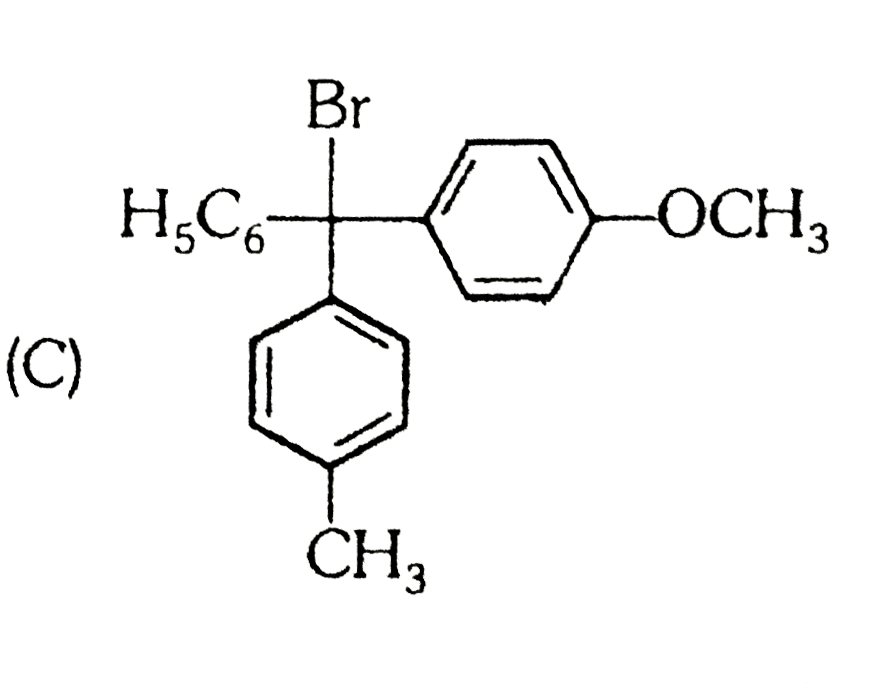
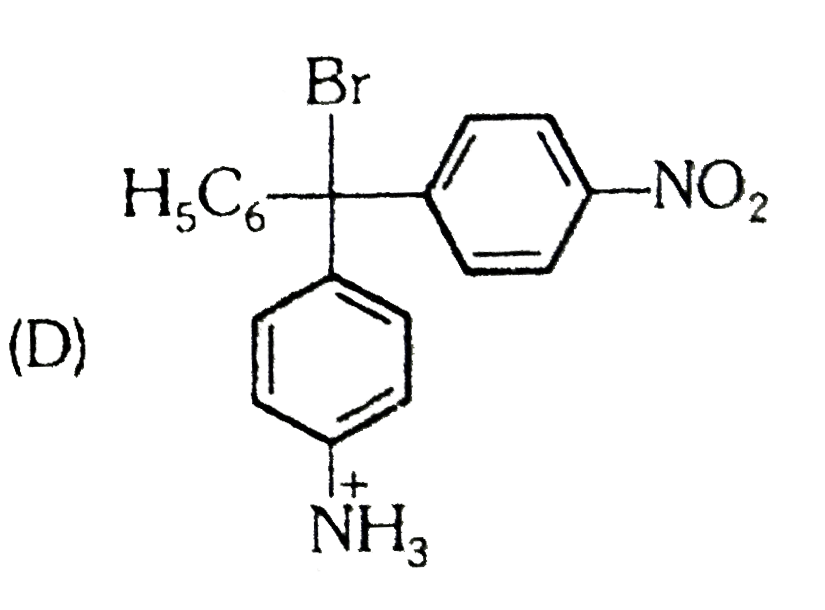
Which substrate will give maximum racemisation?

A

B

C

D

Text Solution

Verified by Experts

The correct Answer is:

C
Promotional Banner

Similar Questions

Explore conceptually related problems

Nucleophilic aliphatic substitution reaction is mainly of two types: S_(N)1 and S_(N)2 . The S_(N)1 mechanism is a two step process. Reaction velocity of S_(N)1 reaction depends only on the concentration of the substrate. Since product formation takes place by the formation of carbocation, optically active substrate gives (+) and (-) forms of the product. In most of the cases the product usually consists of 5-20% inverted product and 80-95% racemised species. The more stable the carbocation, the greater is the proportion of racemisation. In solvolysis reaction, the more nucleophilic the solvent, the greater is the proportion of inversion. Which one of the following compound will give S_(N)1 reaction predominantly?

In S_(N^(1)) reaction an optically active substrates mainly gives

The product formed in the reaction

In S_(N^(1)) the first step involves the formation of

The S_(N)1 reaction of alkyl halides is not affected by the nature of the

Give relation between half reaction time (t_(1//2) and initial concentration of reactant for (n - 1) order reaction.
