Text Solution
Verified by Experts
The correct Answer is:
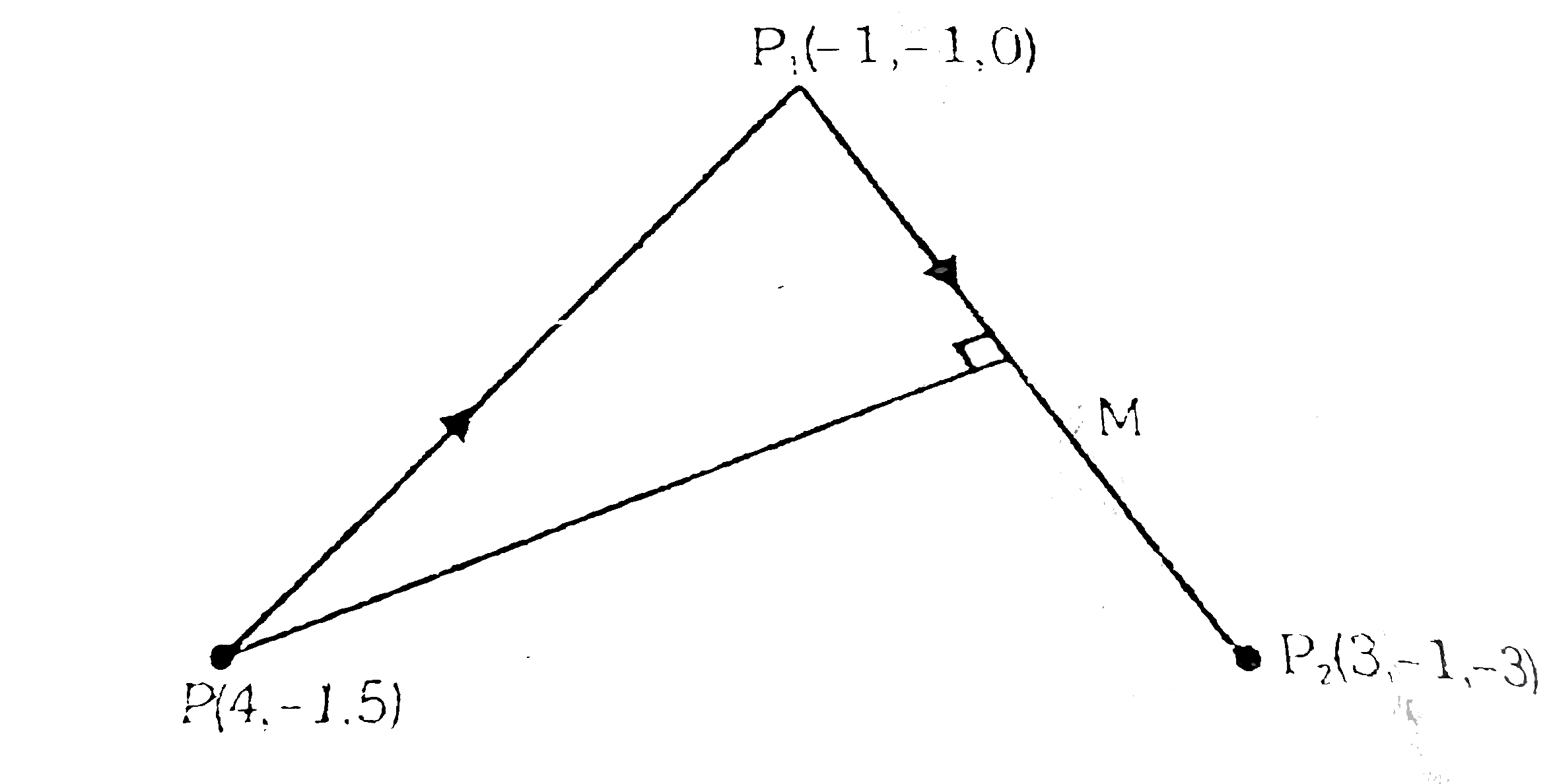



Topper's Solved these Questions
Similar Questions
Explore conceptually related problems
ALLEN -BASIC MATHS-Exersice-4[B]
- Which of the following vector identies is false ?
Text Solution
|
- If the vectors (hati+hatj+hatk) and 3 hati form two sides of a triangl...
Text Solution
|
- Which pair of the following forces will never give resultant force of ...
Text Solution
|
- If hatn=ahati+bhatj is perpendicualr to the vector (hati+hatj), then t...
Text Solution
|
- Two force each numerically equal to 10 dynes are acting as shown in th...
Text Solution
|
- What is the component of (3hati+4hatj) along (hati+hatj) ?
Text Solution
|
- If vecA+ vecB = vecC and A+B=C, then the angle between vecA and vecB ...
Text Solution
|
- If vecA+vecB is a unit vector along x-axis and vecA=hati-hatj+hatk, th...
Text Solution
|
- What is the value of (vecA+vecB)xx(vecA-vecB) ?
Text Solution
|
- If vecA.vecB=vec0 and vecAxxvecC=vec0, then the angle between vecB and...
Text Solution
|
- The resultant of vecA and vecB is perpendicular to vecA. What is the a...
Text Solution
|
- The resultant of vec(A)+vec(B) is vec(R )(1). On reversing the vecto...
Text Solution
|
- Given that vecA=vecB . What is the angle between (vecA+vecB) and (vecA...
Text Solution
|
- The angle between the two vectors vecA=3hati+4hatj+5hatk and vecB=3hat...
Text Solution
|