Home
Class 12
PHYSICS
Which of the following velocity-time gra...

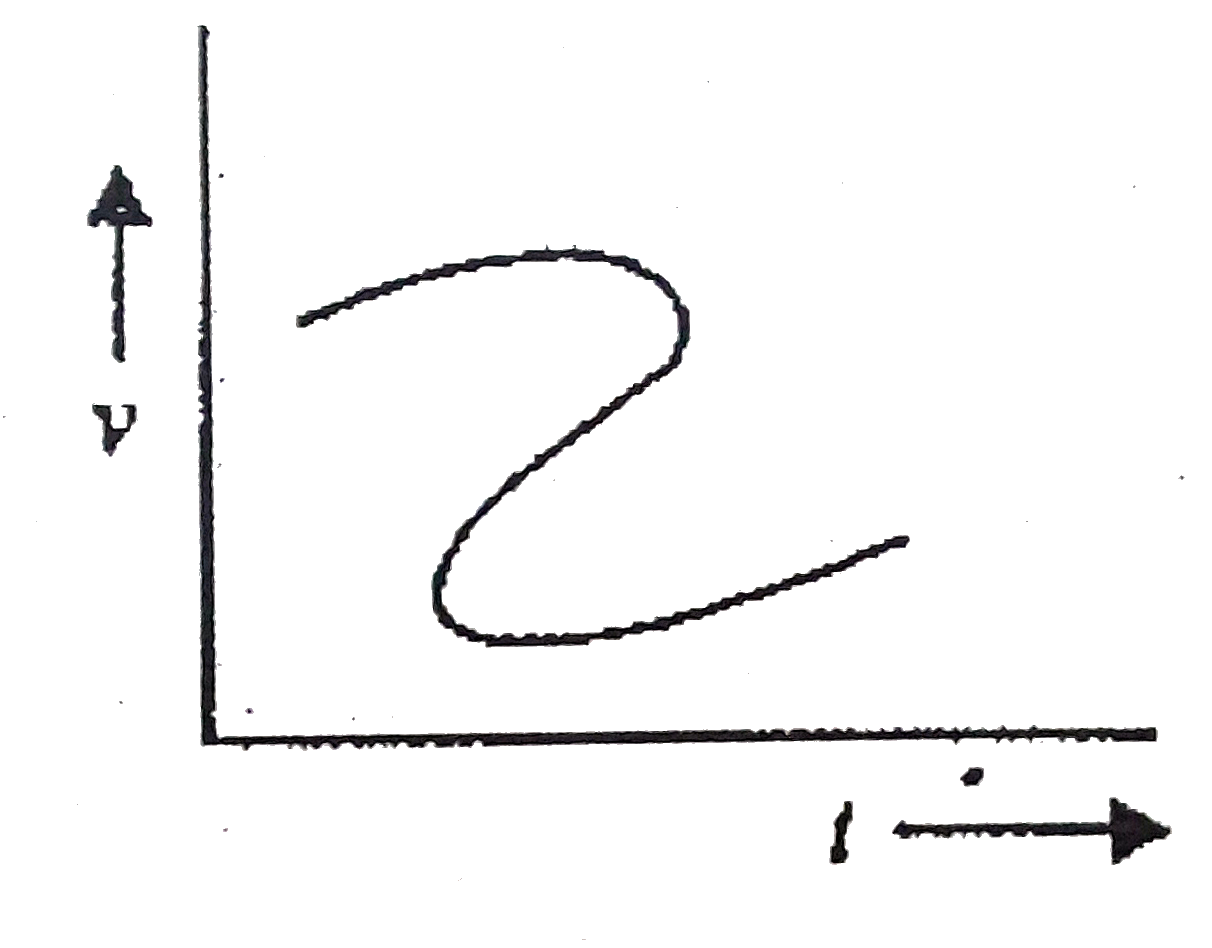
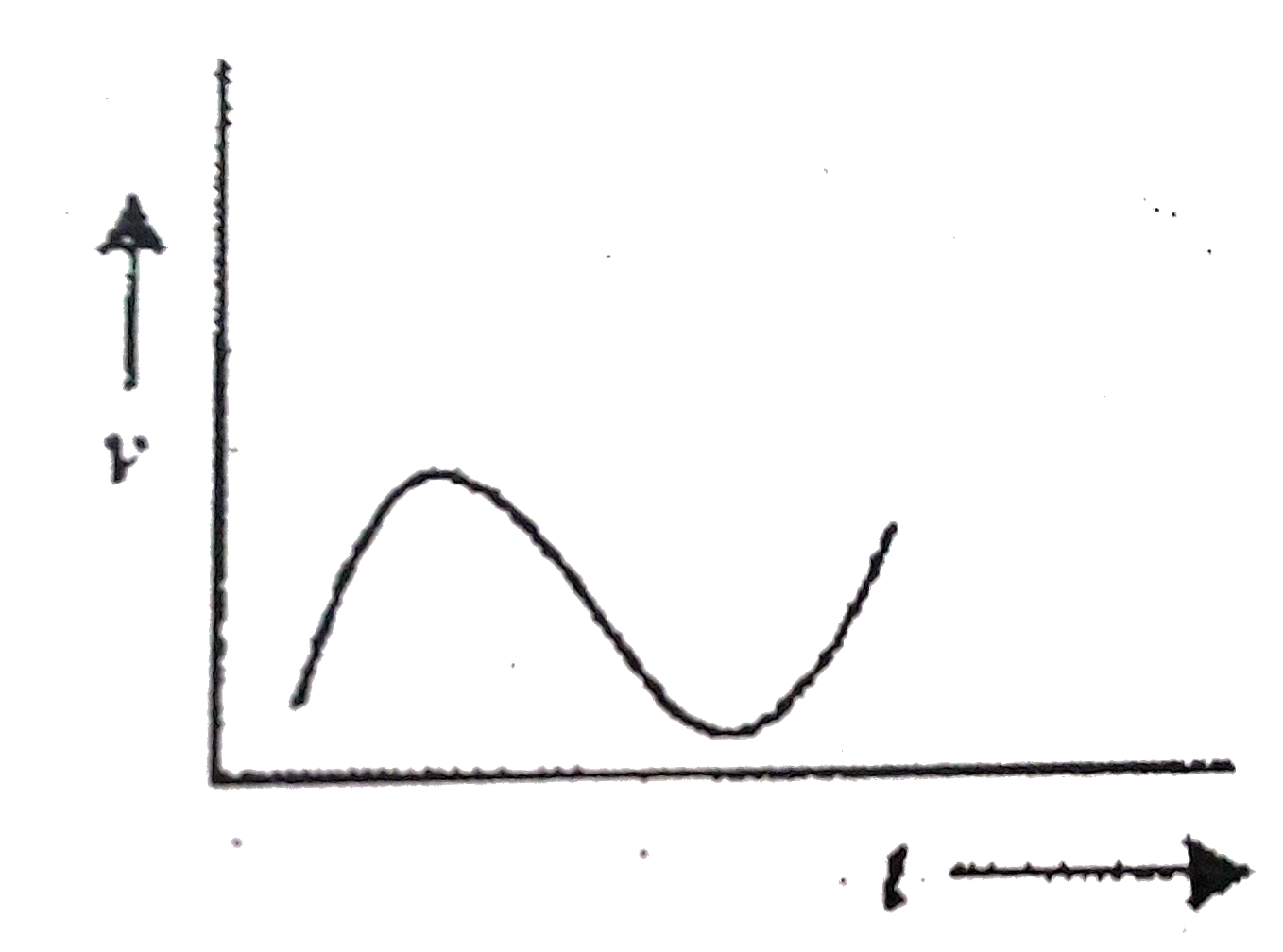
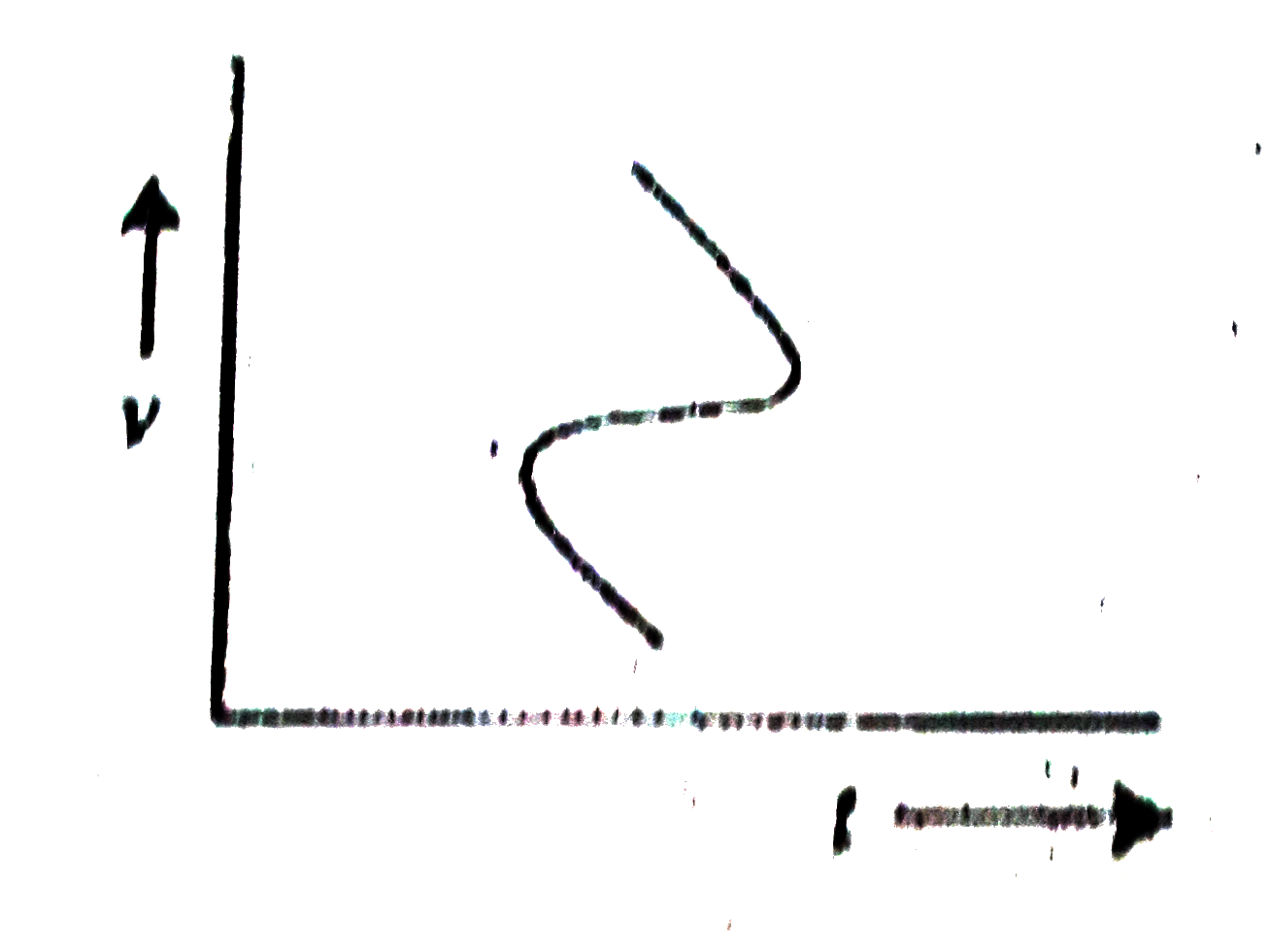
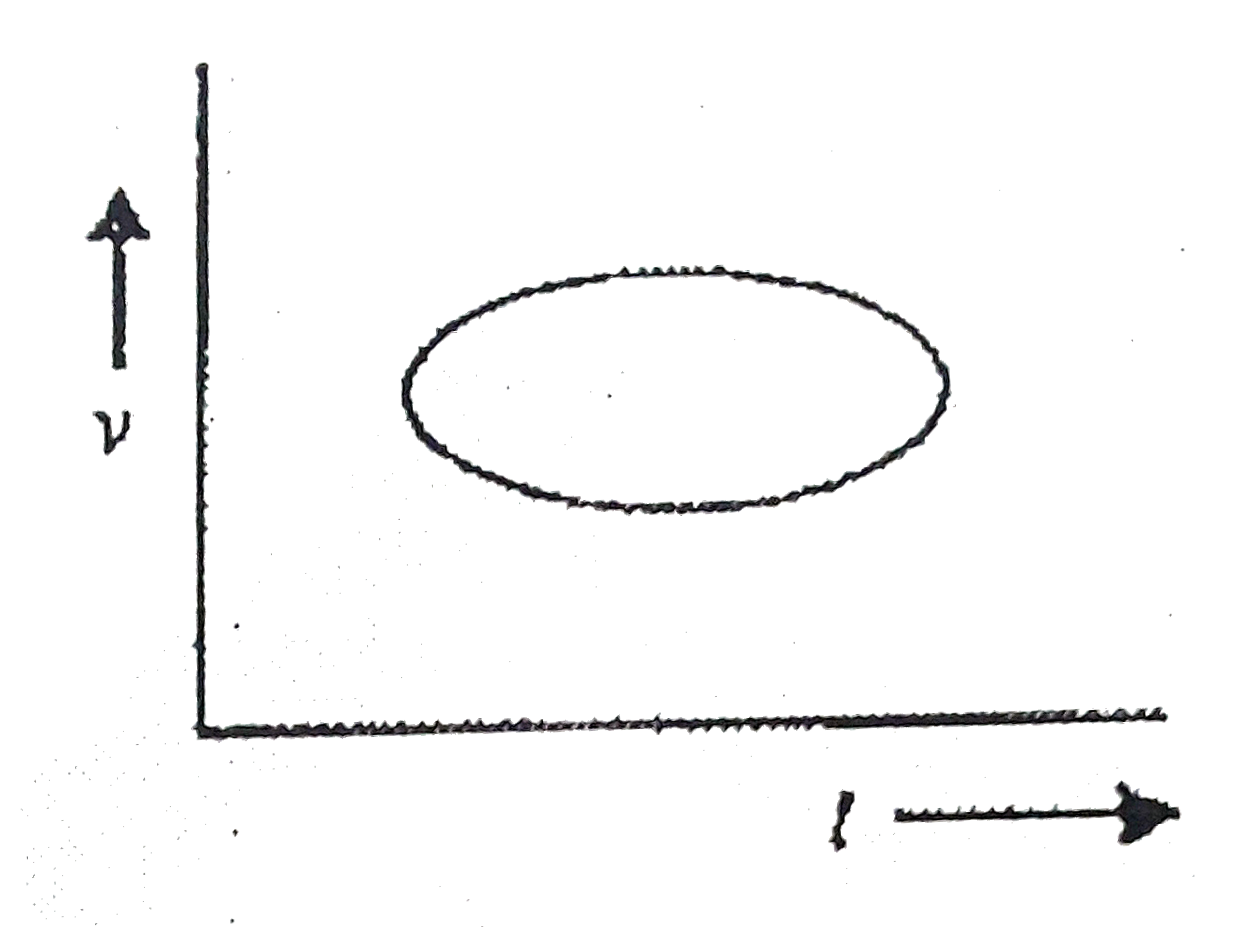
Which of the following velocity-time graphs shows a realistic situation for a body in motion ?

A

B

C

D

Text Solution

AI Generated Solution

The correct Answer is:

To determine which velocity-time graph shows a realistic situation for a body in motion, we need to analyze the characteristics of each graph. A realistic velocity-time graph must adhere to the following principles: 1. **Single Velocity at a Given Time**: At any specific moment in time, a body can only have one velocity. This means that for any given time \( t \), there should be only one corresponding velocity \( v \). 2. **Continuous Motion**: The graph should not depict any instantaneous jumps or discontinuities in velocity, as this would imply an unrealistic change in motion. Now, let's analyze the options step by step: ### Step 1: Analyze Each Graph - **Option A**: This graph shows multiple velocities at the same time \( t_1 \). For instance, at \( t_1 \), there are three different velocities \( v_1, v_2, \) and \( v_3 \). This violates the principle of having a single velocity at a given time. - **Option B**: This graph shows a continuous line where at each time \( t \), there is only one corresponding velocity. This adheres to the principle of having a single velocity at a given time, making it a realistic representation of motion. - **Option C**: Similar to Option A, this graph also shows multiple velocities at a single time point. Thus, it is not a realistic graph. - **Option D**: This graph also depicts multiple velocities at the same time, violating the same principle as Options A and C. ### Step 2: Conclusion After analyzing all the options, we can conclude that: - **Option B** is the only graph that shows a realistic situation for a body in motion, as it maintains the principle of having a single velocity at any given time. ### Final Answer **Option B** is the correct answer. ---

To determine which velocity-time graph shows a realistic situation for a body in motion, we need to analyze the characteristics of each graph. A realistic velocity-time graph must adhere to the following principles: 1. **Single Velocity at a Given Time**: At any specific moment in time, a body can only have one velocity. This means that for any given time \( t \), there should be only one corresponding velocity \( v \). 2. **Continuous Motion**: The graph should not depict any instantaneous jumps or discontinuities in velocity, as this would imply an unrealistic change in motion. Now, let's analyze the options step by step: ...
Promotional Banner

Similar Questions

Explore conceptually related problems

Which of the following velocity-time graphs represent uniform motion

The displacement-time graph of a moving object is shown in figure. Which of the velocity-time graphs shown in figure could represent the motion of the same body ?

For a particle in motion which of the following speed-time graphs can be realized in practice :

In the following velocity time graph of a body the distance travelled by the body and its displacement during 5 second in meter will be:

Are the following velocity - time graph and speed - time graphs possible ?

From the following displacement-time graph find out the velocity of a moving body.

The velocity-time graph of particle comes out to be a non-linear curve. The motion is

In the following velocity-time graph of a body, the distance and displacement travelled by the body in 5 seconds in meters will be:

The motion of a body is represented by the following displacement-time graph. How can the velocity of the body be determined from the above graph?

The velocity-time graph of a particle in straight line motion is velocity-time graph of a particle in straight line motion is shown in. The particle starts its motion from origin. . The distance of the particle from the origin after 8 s is .
